
America's Birthday Bashes: From Glorious Fairs to Epic Fails
The 250th anniversary celebrations are marred by accusations of politicization, with President Trump creating a separate planning committee to sidestep bipartisan efforts, all while pushing controversial construction projects.
America's milestone birthdays reflect the chaos of their times. This year's festivities unfold amid economic uncertainty, foreign conflicts, and deep political divides.
Marc Stein, a history professor, draws unsettling parallels between the upcoming 2026 celebrations and the last major milestone in 1976, noting that both occurred during significant national turmoil.

"We're, quote-unquote, 'celebrating' in the aftermath of impeachment proceedings, in the aftermath of major Supreme Court decisions about executive authority and presidential leadership," he stated. "Again, quote-unquote, 'celebrating' in the midst of international conflict, energy and economic crises."
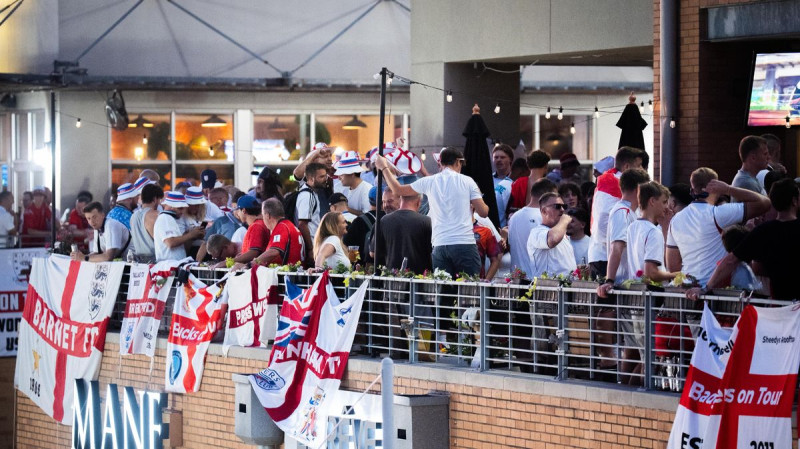
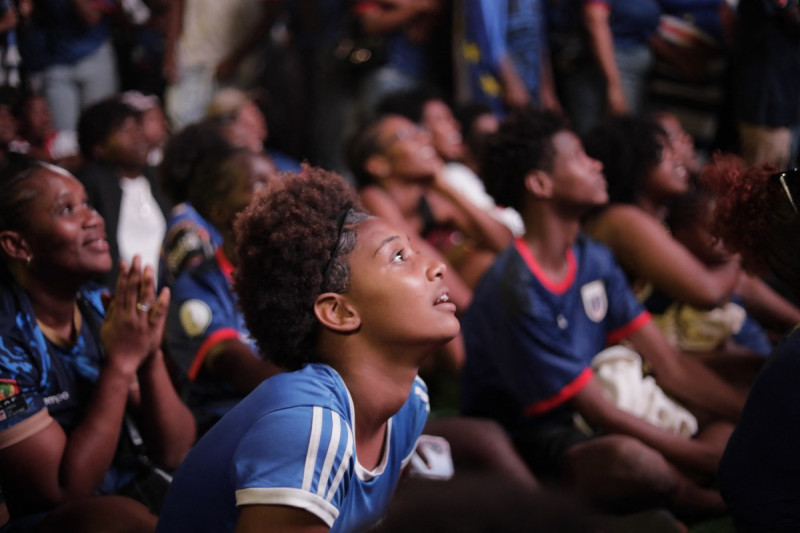
This summer's plans include concerts and commemorations nationwide. The capital will host a massive fireworks display alongside a contentious state fair. Sixteen U.S. cities will feature World Cup soccer games, offering a patriotic experience for locals and tourists alike.
Historically, America's birthday parties have evolved from grassroots celebrations to extravagant and often controversial events. Between 1826 and 1926, these milestones shifted dramatically.
Fergus Bordewich, a historian, attributes part of this change to the passage of time. "After 1876, as Americans got further and further away from the founding, the founding kind of hardened into myth," he explained. "It was still vital and alive to Americans in '76, and became less so as the generations went on."
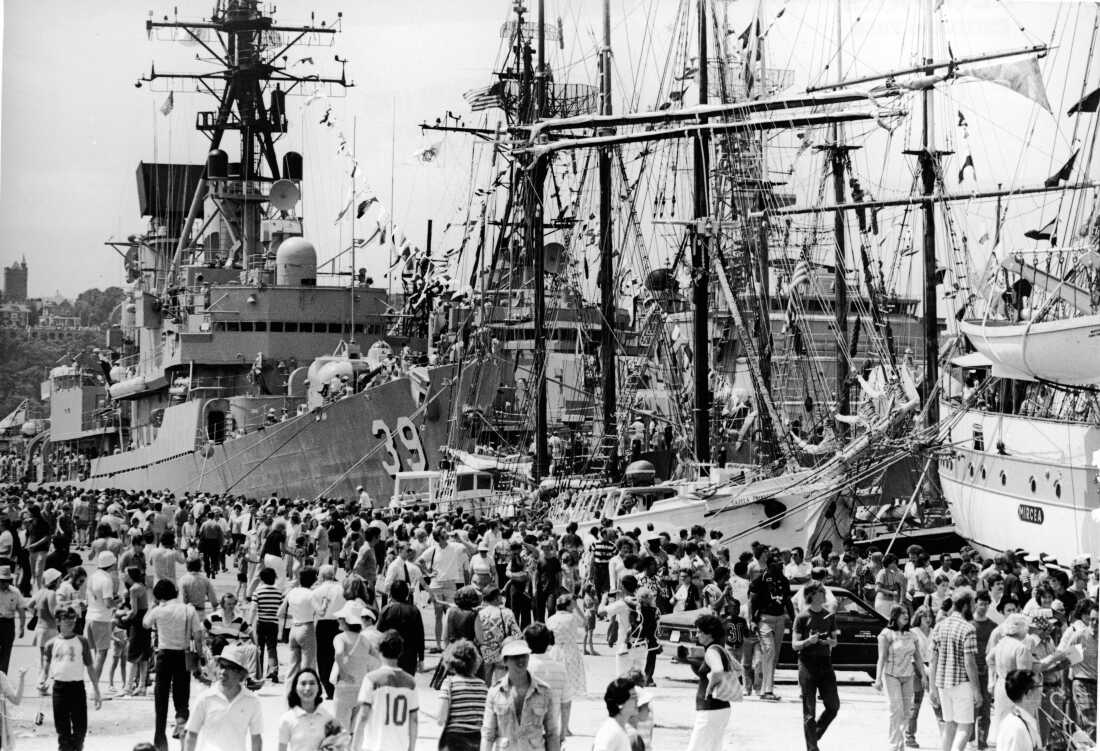
In 1826, the nation marked its 50th anniversary with the "Jubilee of Independence," a significant event as it coincided with the deaths of two founding fathers.
In the early 1800s, Americans celebrated July Fourth with local feasts and festivities. However, a meaningful nationwide celebration didn't occur until the 50th anniversary. Andrew Burstein, a history professor, noted that veterans of the American Revolution were still alive at this time.
By 1826, only three founding fathers remained: Charles Carroll, James Madison, and John Adams. Celebrations included toasts to these men and other national heroes like George Washington.

Despite rain dampening the day, revelers honored their forebears. Unbeknownst to them, Adams and Jefferson would die on the same day, July Fourth.
Adams passed away at age 90 on his Massachusetts farm. His last words were reportedly about Jefferson, who had died earlier that day in Virginia at age 83. The dual deaths were seen as a "larger-than-life phenomenon," symbolizing divine favor upon the nation.
The 50th anniversary was largely localized without a White House-led commemoration. President John Quincy Adams attended events in D.C., unaware of his father's death until days later.
Despite its proximity to the contentious election of 1824, Burstein noted that partisanship took a backseat during this jubilee. It was a rare moment of unity and optimism in American history.
In 1876, America celebrated its centennial with its first-ever world's fair in Philadelphia. This massive international exhibition showcased the nation's achievements in science, technology, culture, and industry.
A college professor proposed that Philadelphia host what became known as the 1876 Centennial Exposition. The idea quickly gained traction among companies and political figures eager to celebrate America's first century.
The fair ran from May to December on a 285-acre tract in Fairmount Park. Over 250 pavilions housed exhibits, including the "Main Exhibition Building," which was the largest manmade structure in the world at that time.

Nearly 10 million people attended the fair during its six-month run, with about 20% of the American population visiting Philadelphia. The Pennsylvania Railroad provided direct passenger service as one of the fair's major sponsors.
The fair introduced technological marvels like the typewriter and telephone while offering first tastes of soda water, Heinz ketchup, popcorn, and bananas. It aimed to demonstrate America's industrial might and cultural achievements.
Bordewich described the fair as "universally popular," though it faced controversy due to lingering resentments from the Civil War. Some Southern states boycotted due to financial struggles while Northern states attempted to promote reconciliation through their exhibits.
Despite its corporate-driven nature and limited federal involvement, President Ulysses Grant's speech on opening day marked his only significant contribution.

Bordewich noted that Americans in 1876 had immense pride in their institutions, contrasting sharply with today's climate of distrust. He expressed hope that the 250th celebrations would inspire a reinvestment in civic education to foster appreciation for American democracy.
The 1926 World's Fair aimed to celebrate America's sesquicentennial but became infamous for corruption and poor planning. John Wanamaker pushed for this event a decade in advance but faced setbacks due to World War I and his death in 1922.
When new mayor W. Freeland Kendrick took over planning, things went awry. Philadelphia was rife with corruption at this time, with Kendrick being influenced by Congressman William Vare.

Vare moved the fair's location from Fairmount Park to a swampy area known as The Neck. This remote site required over $10 million in dirt to fill marshy terrain, delaying construction and financially crippling the fair before it even opened.
The fair was set to open on June 1, 1926. However, when congressional delegates visited in January and saw only torn-up soil and incomplete structures, they offered additional funding if Kendrick postponed it by a year. He refused and even moved up the opening day.
On opening day, the fair's main attraction—a replica of the Liberty Bell—was shrouded in scaffolding with only two attractions ready for visitors. A rainy summer compounded issues as attendees slogged through mud due to unfinished sidewalks.
Extreme heat during a Flag Day ceremony caused schoolchildren to collapse while thunderstorms on July Fourth damaged exhibits inside pavilions.

The "High Street of 1776" exhibit created by prominent women became a rare highlight amidst chaos. They recreated historical buildings with reenactments ahead of their time.
The fair continued despite low attendance and negative reviews until it was dubbed "America's Greatest Flop" by August. Organizers extended it through December in a futile attempt to recoup losses. By its close on December 31, it attracted less than 5 million paying visitors—half of what the 1876 fair drew despite a tripled U.S. population.
Political fallout ensued; Kendrick served only one term as mayor while Vare's Senate bid failed due to fraud allegations. The Liberty Bell replica sold for just $60 after costing over $10,000 to create. The financial repercussions lingered for years as city services suffered due to budget shortfalls.
"This really points to what happens when what is meant to be a national civic celebration gets kidnapped by a small cadre of individuals who use it purely for their own gain," Keels remarked.