

Inside the White House Strategy for Viral War Memes to Promote Iran Conflict
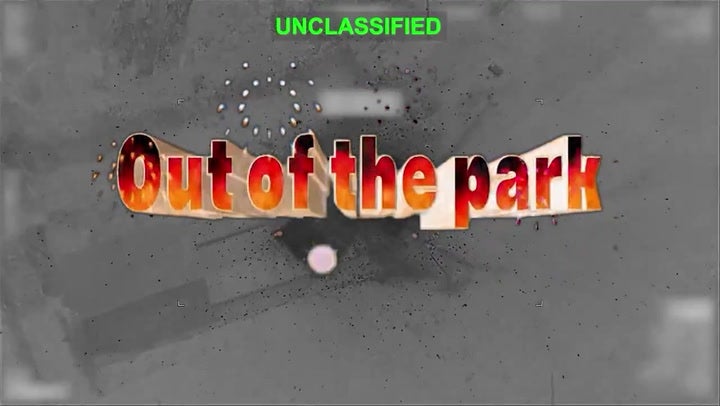
As public backing for military action in Iran dwindles, the Trump administration has pivoted to social media, counting impressions as a measure of success. The White House has been sharing montages that juxtapose real footage of airstrikes with clips from popular video games and movies, aiming to engage younger audiences on platforms like X.
These montages, featuring devastating airstrikes that have resulted in significant casualties, are crafted to resonate with users while mocking antiwar sentiments. “We’re over here just grinding away on banger memes, dude,” remarked a senior official who spoke on condition of anonymity.
“There’s an entertainment factor to what we do,” the official continued. “But ultimately, it boils down to the fact that no one has ever attempted to communicate with the American public this way before.”
Reflecting on past military campaigns, twenty-three years ago, George W. Bush announced the start of operations in Iraq, claiming it was necessary to disarm the nation and protect global security. That campaign led to a prolonged occupation and countless casualties.
In stark contrast, current support for the Iran conflict is significantly lower. Polls indicate that over half of voters oppose the war, with 68 percent against deploying ground troops. Even among Trump’s core supporters, nearly 60 percent are against sending soldiers into combat.
“Trump’s base favors a face-saving declaration of victory by Washington that could enable a ceasefire,” said Trita Parsi from the Quincy Institute. This sentiment reflects a desire for a swift resolution rather than prolonged engagement.
Despite the administration's efforts to appeal to younger voters through memes, support among Trump’s younger demographic is tepid at best. “Polls show that a lot of young people are actually somewhat supportive of this war and our goal is to deliver content to them,” another anonymous official stated.
White House spokesperson Anna Kelly defended the administration's approach, asserting that under Trump’s leadership, military objectives are being met. “The legacy media wants us to apologize for highlighting the United States Military’s incredible success,” she said.

This strategy has drawn criticism from various quarters, including former military officials and faith leaders. Cardinal Blase J. Cupich expressed his dismay at the trivialization of war, stating that it reduces human suffering to mere entertainment.
“Hundreds of people are dead... Our government is treating the suffering of the Iranian people as a backdrop for our own entertainment,” Cupich lamented.
Senator Tammy Duckworth, a veteran who lost her legs in combat, condemned the portrayal of war as a game. “This is sick and morally bankrupt,” echoed Representative Jason Crow, who cautioned against following potentially illegal orders.
As the conflict continues, reports indicate that at least 200 U.S. troops have been injured and 13 have lost their lives. Meanwhile, White House officials celebrate the viral success of their videos, claiming billions of impressions within days.
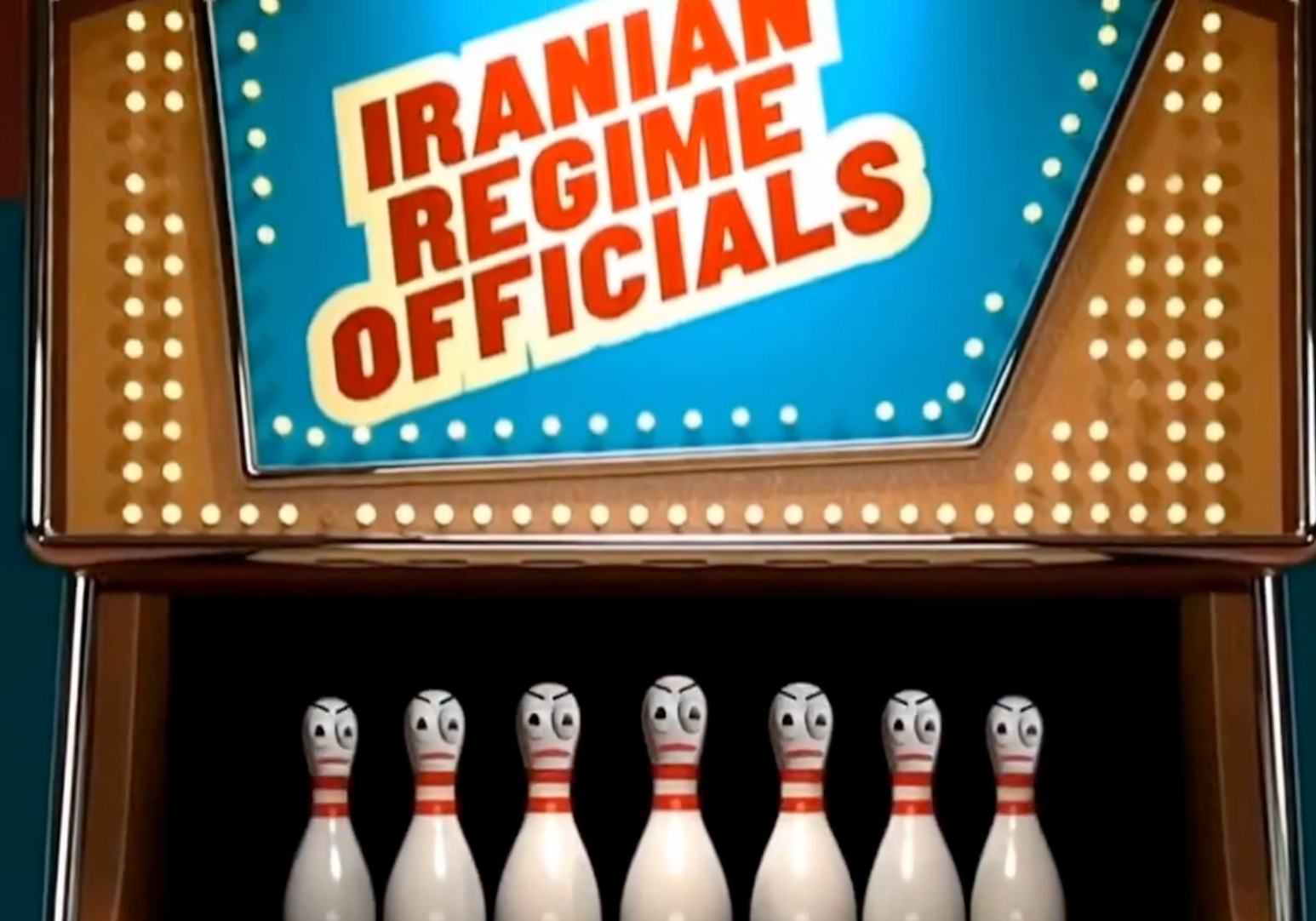
“What is ‘war communications’? What the former Bush people say?” questioned another official. “It’s just a different time. It’s a different audience.”
Richard Painter, former chief White House ethics lawyer during Bush's presidency, emphasized that “war is not a movie or a video game.” He argued that fewer wars would occur if those who simulate them were required to fight them.