


Iran Dismisses Trump's Peace Proposal: 'Not Even Attractive on Paper'
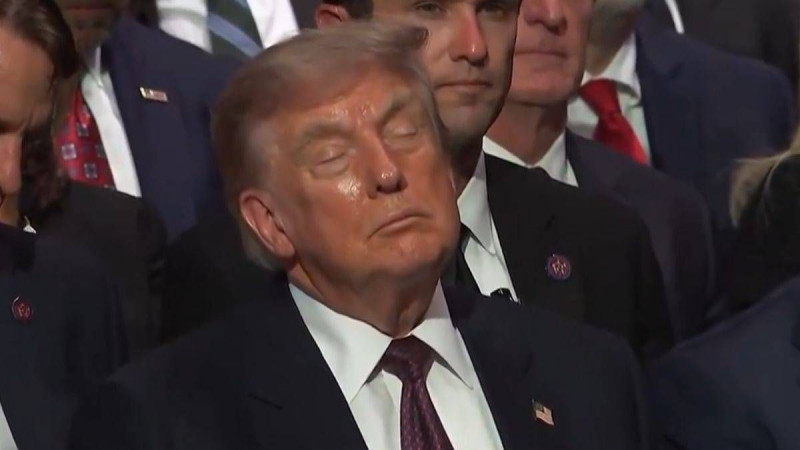
Iran has openly mocked the peace proposal put forth by US President Donald Trump, branding the 15-point plan as “excessive” and a “strategic failure.”
In a recent address, Trump reiterated points previously discussed in peace negotiations that were disrupted following the US-Israeli strikes that resulted in the death of supreme leader Ayatollah Ali Khamenei on February 28, igniting a regional conflict. These points were presented as the foundation for a new agreement.
The proposal, initially reported by a major news outlet, demands that Iran dismantle its nuclear capabilities, abandon its “regional proxy paradigm,” reopen the Strait of Hormuz, and restrict missile usage solely to self-defense.
Nir Barkat, Israel’s economy minister, remarked to a British broadcaster that while the plan may appear “beautiful on paper,” it is improbable that Iran would accept such terms.
A senior Iranian diplomatic official characterized the proposal as “extremely maximalist and unreasonable” during an interview with a regional news network. They also contested the accuracy of media portrayals regarding the plan's content.
“It is not even beautiful on paper,” the official stated. An Iranian representative confirmed to journalists that the initial response to the proposal was negative, and it remains under review in Tehran.
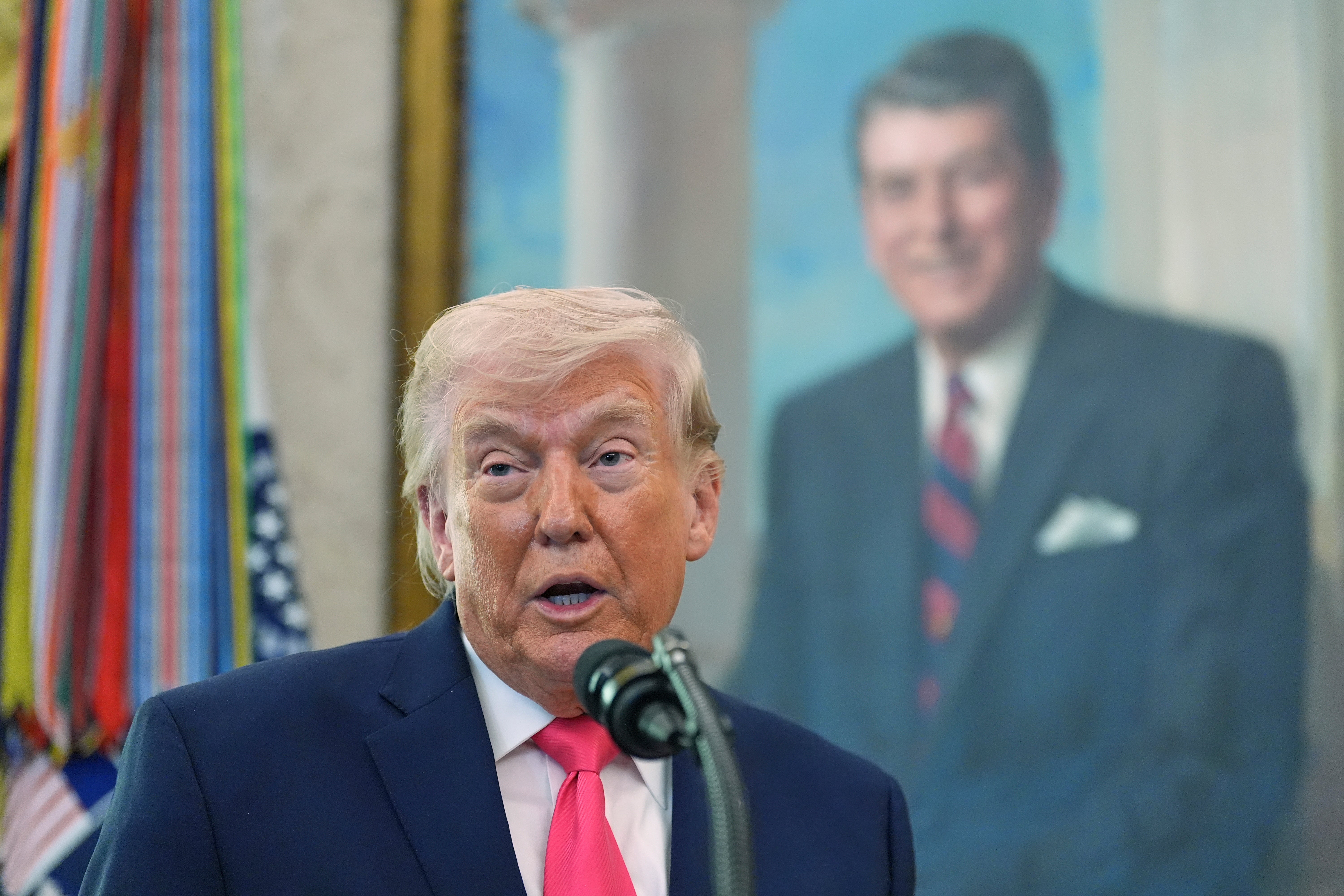
Reports indicate that Iran's feedback is being communicated to Washington through Pakistan, which has assumed a mediating role as Gulf nations focus on defensive measures against Iranian aggression.
Iranian state media later outlined five primary demands for a ceasefire: an end to aggression and targeted killings, mechanisms to prevent renewed conflict, compensation for damages, cessation of hostilities with all resistance groups in the Middle East, and acknowledgment of Iran’s sovereignty over the Strait of Hormuz.
Despite a brief recovery in oil markets following Trump's diplomatic overtures, the Pentagon confirmed on Wednesday that ground troops would be deployed to the Middle East in light of Iran's rejection of the proposal.
Elements of the 82nd Airborne Division, along with other military units, are set to mobilize to the troubled region. These forces are trained for rapid deployment via parachute or helicopter to secure designated areas.
“I think we’re wrapping up Operation Epic Fury,” US House Speaker Mike Johnson commented to reporters. “That’s what I think. And I think it’ll be done in short order, and that’ll be right on schedule.”
Earlier this week, reports surfaced indicating that Iranian officials were hesitant to engage in negotiations with the US amid speculation about the deployment of over 2,000 American troops to the region.
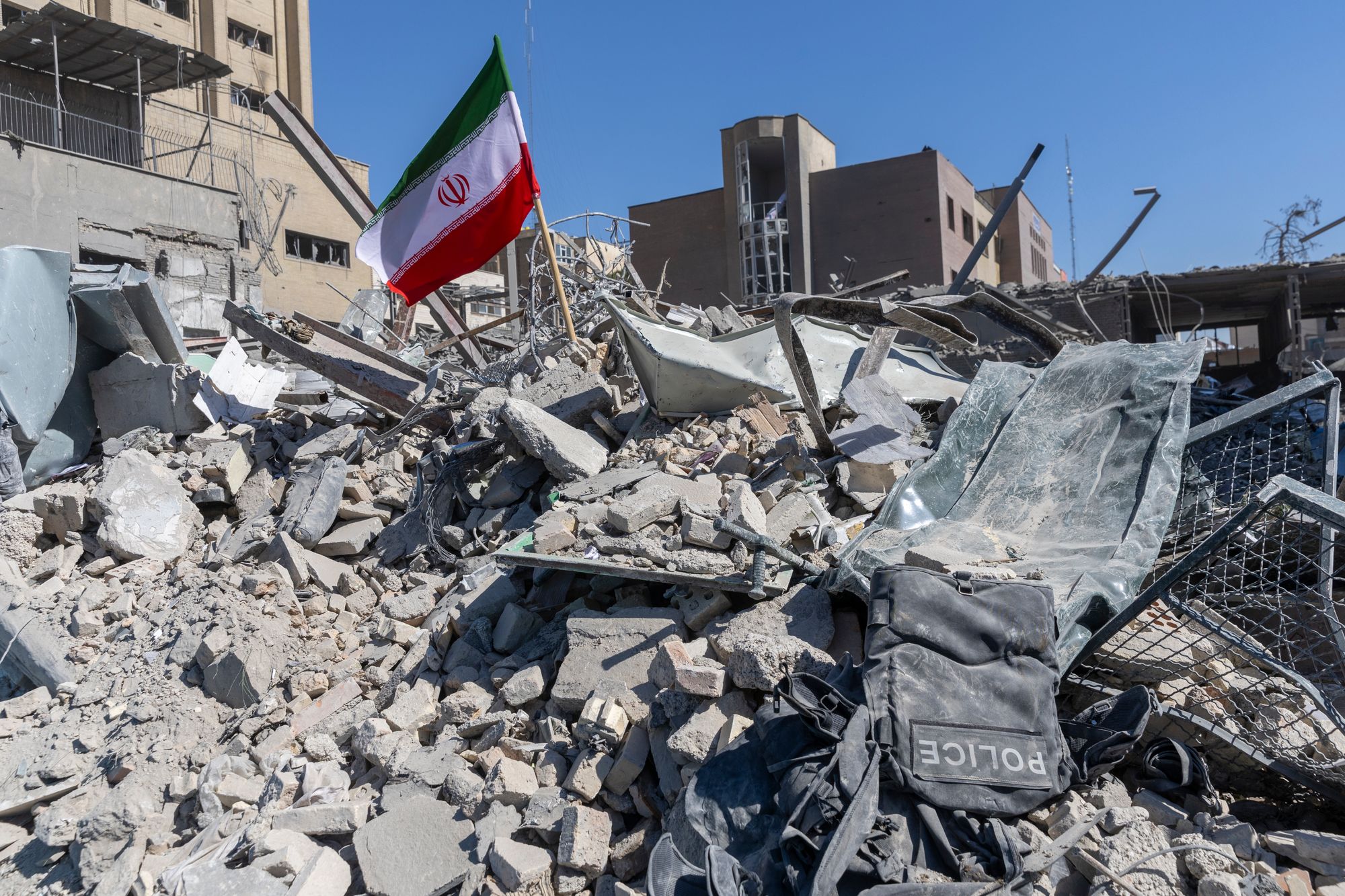
Iran continues to deride US efforts, asserting its commitment to fight until achieving “complete victory.”
“Has your internal struggle reached a point where you negotiate with yourself?” Ebrahim Zolfaqari, spokesperson for Iran’s Unified Command, stated during a broadcast by a semi-official news agency. “Don’t label your failure as an agreement.”
Iran announced it has opened the Strait of Hormuz to “non-hostile vessels” provided they comply with local authorities.
Meanwhile, Europe finds itself caught between the conflicting nations, receiving mixed signals from both sides. European countries have largely adopted a passive stance in the ongoing hostilities, offering limited defensive support rather than taking decisive action.
On Wednesday, officials from Downing Street expressed their support for “any productive talks” between the US and Iran.