



Israel Bombards Iranian Nuclear Sites; Iran Strikes Saudi Base, Injuring U.S. Troops

DUBAI, United Arab Emirates — In a significant escalation of hostilities, Israel launched airstrikes on Iran’s nuclear facilities shortly after issuing a stern warning to intensify its military campaign against Tehran. The Iranian response was swift, with missile strikes on a Saudi Arabian base resulting in injuries to U.S. troops and damage to military aircraft.
As the conflict enters its second month, a potential breakthrough emerged when Iran agreed to facilitate humanitarian aid and agricultural shipments through the strategically vital Strait of Hormuz, following a request from the United Nations. Ali Bahreini, Iran's ambassador to the U.N. in Geneva, stated that the country would “facilitate and expedite” these movements despite ongoing attacks on its nuclear infrastructure.
The Strait of Hormuz is crucial for global trade, handling approximately 20% of the world’s oil shipments and nearly a third of fertilizer trade. While the focus has been on oil and gas supply disruptions, the impact on fertilizer trade poses a significant threat to global food security.
“This measure reflects Iran’s continued commitment to supporting humanitarian efforts,” Bahreini remarked on social media, emphasizing the importance of ensuring aid reaches those in need without delay. The U.N. has established a task force to address the humanitarian implications of the ongoing conflict.
Reports indicate that at least ten American service members were injured in the Iranian attack on Prince Sultan Air Base, with two sustaining serious injuries. These details were shared by U.S. officials who requested anonymity due to the sensitive nature of military operations. Several refueling aircraft were also reported damaged.
Hours before Bahreini's announcement, Iranian state media reported that two nuclear facilities had been targeted. Israel claimed responsibility for these strikes, which prompted Iran to threaten retaliation. “Iran will exact a heavy price for Israeli crimes,” declared Iranian Foreign Minister Abbas Araghchi via social media.
The Iranian Atomic Energy Organization confirmed that the Shahid Khondab Heavy Water Complex in Arak and the Ardakan yellowcake production plant in Yazd Province were among the sites attacked. Fortunately, no casualties were reported from these strikes, and there was no immediate risk of contamination, according to IRNA. The Arak facility has been inactive since an Israeli strike last June.
Yellowcake is a concentrated form of uranium used in nuclear reactors, while heavy water serves as a moderator in such facilities. The Israeli military later asserted that the Yazd plant was crucial for enriching materials for Iran’s nuclear program, marking a significant setback for Tehran.
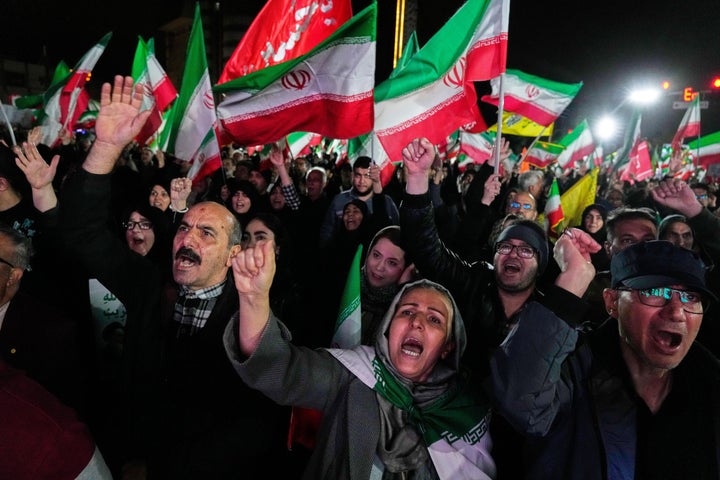
The Islamic Revolutionary Guard Corps (IRGC) issued a warning of impending retaliation. Seyed Majid Moosavi, commander of the IRGC’s Aerospace Force, urged employees of companies linked to the U.S. and Israel to vacate their workplaces. “This time, the equation will no longer be ‘an eye for an eye,’ just wait,” he cautioned.
Late Friday, Israel reported that Iran had launched missiles targeting its territory. Sirens sounded in Beer Sheba and surrounding areas, including near Israel’s primary nuclear research center, which had previously been struck by Iranian missiles resulting in numerous injuries.
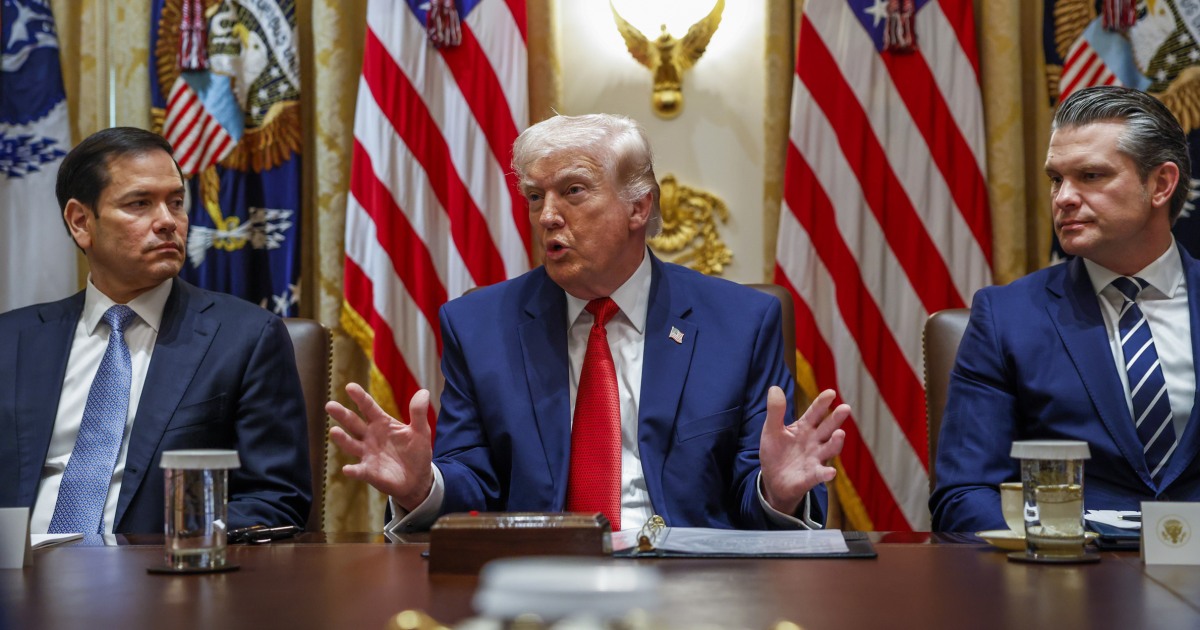
During an event in Miami sponsored by the Saudi sovereign wealth fund, Trump reiterated his push for normalization of relations between Saudi Arabia and Israel. He emphasized that this could occur once hostilities with Iran cease. “It’s now time,” he stated, referencing his Abraham Accords initiative.
However, significant obstacles remain, particularly Saudi Arabia's demand for a credible path toward Palestinian statehood before establishing formal ties with Israel.
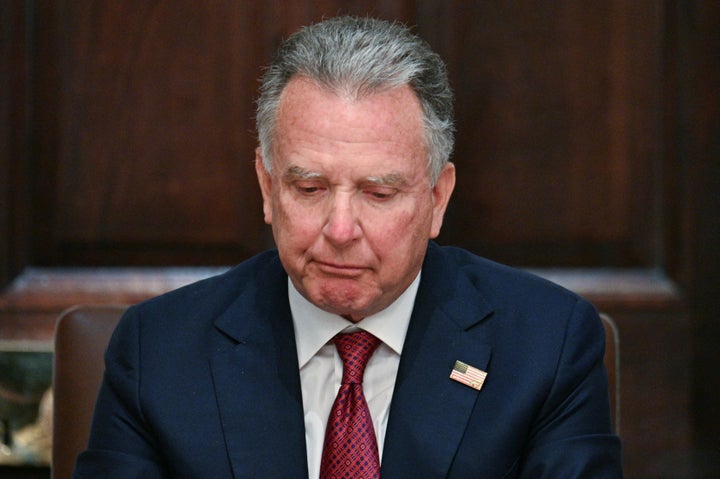
Following Trump’s claims that negotiations to end the war were progressing well, he indicated he had granted Iran additional time to reopen the Strait of Hormuz. Iran has denied engaging in any negotiations.
The ongoing conflict has led to economic repercussions beyond the Middle East, with U.S. stock markets experiencing declines. The S&P 500 fell 1.7%, marking its worst week since the onset of hostilities and extending its losing streak to five weeks. Crude oil prices have surged amid rising gas prices in the U.S., nearing $4 per gallon.
In response to escalating tensions, members of Congress are advocating for a suspension of federal gasoline taxes. Trump mentioned he has considered this but suggested states should also evaluate their fuel tax policies.
Witnesses in eastern Tehran reported power outages following airstrikes, while loud explosions were heard in Tel Aviv as emergency services responded to multiple impact sites across the city. A man in his sixties succumbed to injuries sustained during these strikes.
Israeli Defense Minister Israel Katz vowed that Iran would face severe consequences for what he termed a “war crime.” The Israeli military focused its attacks on sites within Tehran associated with ballistic missile production and other weaponry, also targeting missile launchers and storage facilities in Western Iran.
Meanwhile, Saudi Arabia's Defense Ministry reported intercepting missiles and drones aimed at Riyadh. In Lebanon, two fatalities were confirmed due to related attacks.
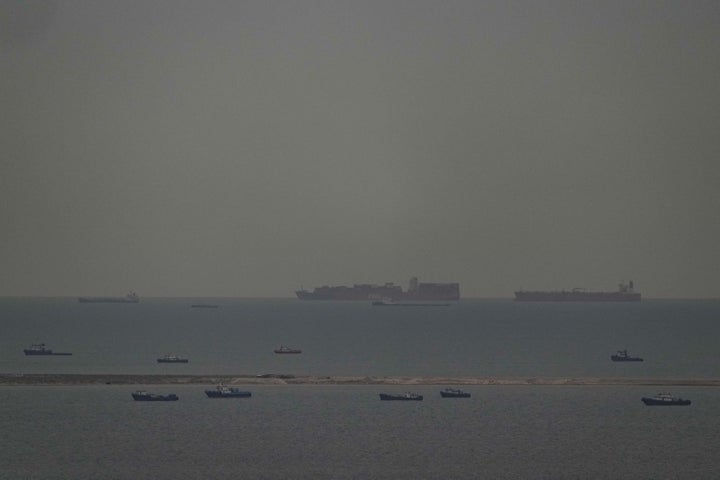
Kuwait reported material damage at its Shuwaikh Port and Mubarak Al Kabeer Port due to assaults, marking one of the first instances where a Chinese-affiliated project in the Gulf has been affected by this conflict.
Diplomatic efforts involving countries like Pakistan and Turkey are underway to facilitate direct talks between U.S. and Iranian representatives. Concurrently, G7 foreign ministers have called for an immediate cessation of attacks on civilian populations and infrastructure.
U.S. naval forces have increased their presence in the region, deploying approximately 2,500 Marines and 1,000 paratroopers from the 82nd Airborne Division to secure strategic positions.
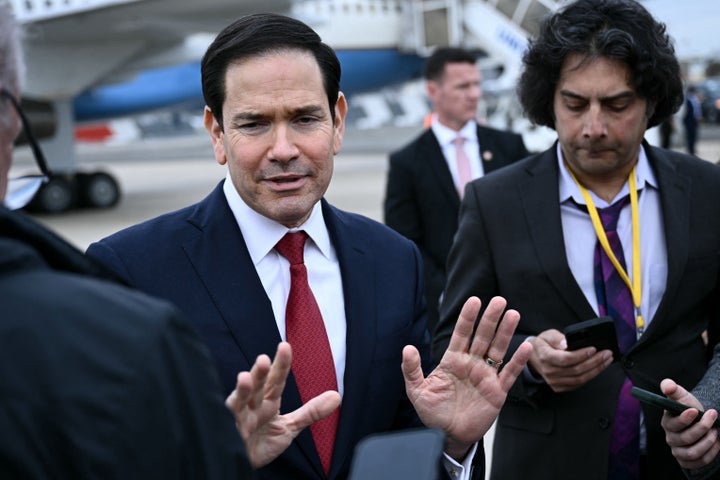
Despite these deployments, Secretary of State Marco Rubio asserted that U.S. objectives could be achieved without ground troops. He emphasized that these movements are intended to provide flexibility for potential contingencies.
Israel has also mobilized its 162nd Division into southern Lebanon to bolster defenses against Hezbollah attacks while aiming to dismantle the militant group’s presence.
The U.N.’s International Organization for Migration reported extensive damage in Iran, with 82,000 civilian structures affected, including hospitals and homes for 180,000 individuals.
“If this war continues, we risk a far wider humanitarian disaster,” warned Jan Egeland from the Norwegian Refugee Council. “Millions could be forced to flee across borders.”
Casualty figures continue to rise: eighteen people have died in Israel; four Israeli soldiers have been killed in Lebanon; over 1,100 fatalities have been reported in Lebanon; more than 1,900 deaths have occurred in Iran; thirteen American troops have lost their lives; and additional casualties have been recorded among civilians in the occupied West Bank and Gulf Arab states.
In Iraq, where Iranian-backed militia groups are involved in the conflict, eighty members of security forces have been killed.