

House Speaker Maintains US Isn't Engaged in War with Iran Despite Troop Movements
President Donald Trump’s military actions in Iran are increasingly resembling a full-scale conflict, even if the official terminology remains elusive.
On Tuesday, reports surfaced indicating that the Pentagon plans to send members of the U.S. Army’s 82nd Airborne to the region. White House Press Secretary Karoline Leavitt issued a stark warning, stating that Trump was ready to “unleash hell” if Iran failed to engage in negotiations.
However, House Speaker Mike Johnson and Senate Republicans seem unfazed. That same evening, the Senate rejected another resolution under the War Powers Act aimed at curbing the Trump administration's actions regarding Iran.
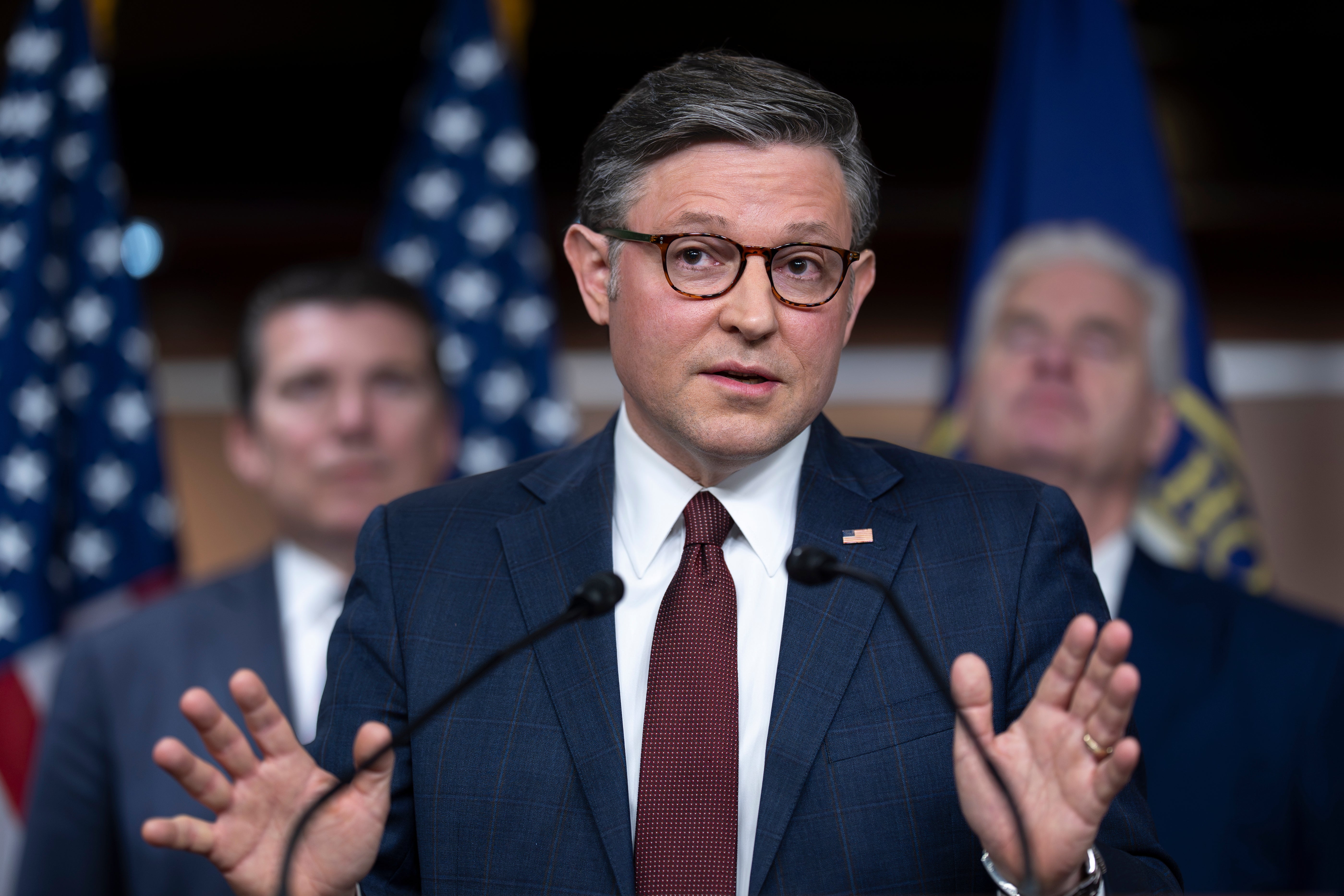
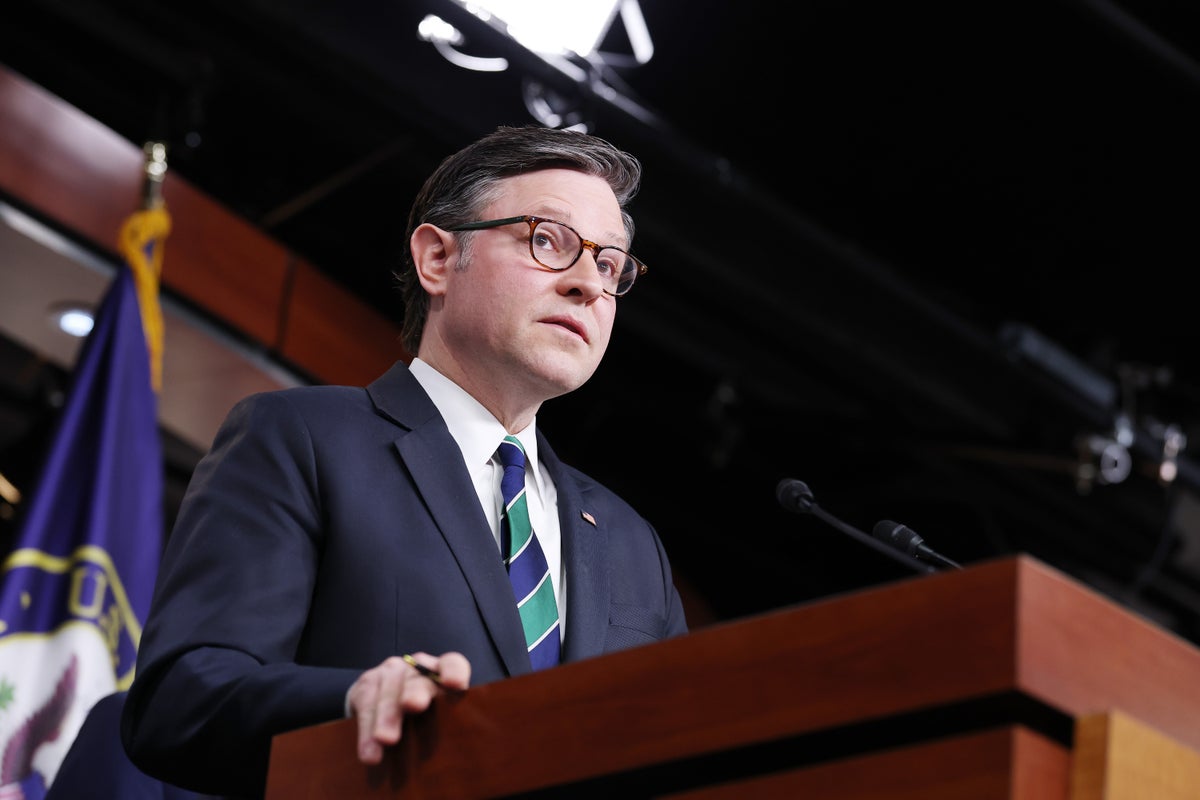
When pressed on the troop buildup, Johnson offered a vague response during his weekly press conference. “The build-up of troops is very different than boots on the ground,” he remarked, adding, “We don't have boots on the ground. I don't think that's the intention, but I think Iran should watch that build-up, and they need to take note of that.”
This reluctance to acknowledge the situation stems from a significant public sentiment: a majority of Americans oppose military involvement in Iran. An Associated Press-NORC poll revealed that 59 percent believe the conflict has escalated too far, with 63 percent of independents echoing this sentiment. Furthermore, 62 percent of respondents are against deploying U.S. troops in Iran.
Rep. Lauren Boebert (R-Colo.) exhibited caution when discussing troop deployments, stating, "I'm told that that's not real, so I haven't been personally briefed on that. I don't want boots on the ground."
Boebert represents a faction within the Republican Party that leans towards isolationism. While Johnson advocates for additional funding to support military efforts and replenish U.S. armaments, Boebert has opposed such financial measures.
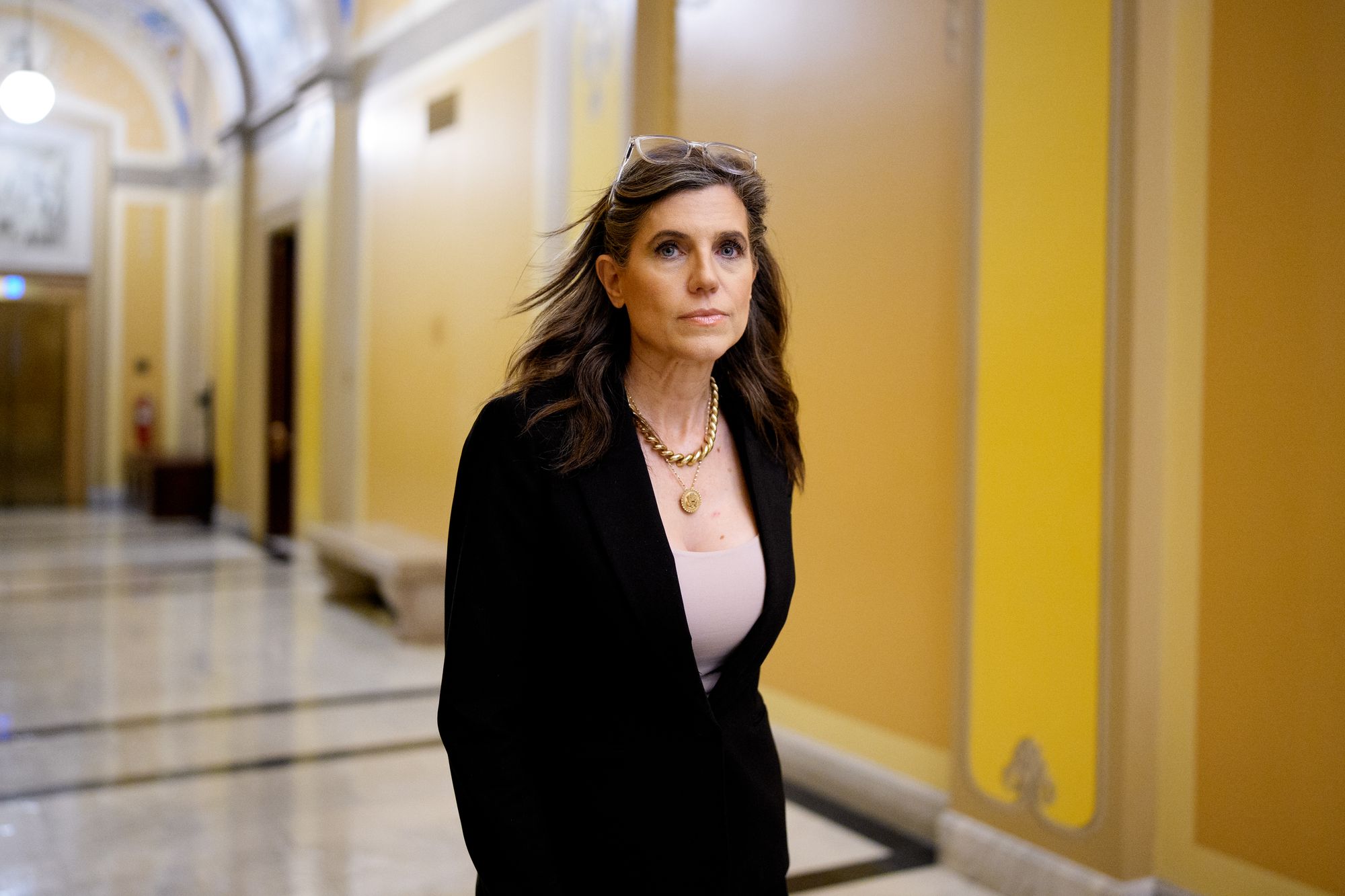
Rep. Nancy Mace, who has shifted from being a critic of Trump to a supporter, expressed her discontent following a House Armed Services Committee hearing. “The justifications presented to the American public for the war in Iran were not the same military objectives we were briefed on today,” she stated on social media. “This gap is deeply troubling. The longer this war continues, the faster it will lose the support of Congress and the American people.”
Mace has also taken aim at Sen. Lindsey Graham for his aggressive stance on military action, highlighting a longstanding rivalry between them dating back to her Senate primary challenge against him in 2014.
Both Mace and Boebert have shown a willingness to diverge from Trump while still maintaining their support for him, as evidenced by their participation in a discharge petition aimed at releasing documents related to Jeffrey Epstein.
Reps. Ro Khanna (D-Calif.) and Thomas Massie (R-Ky.) are now advocating for another War Powers Act resolution. Khanna expressed optimism about garnering Republican support this time around. “I think we could get some Republicans, especially since the President refuses to rule out ground troops,” he noted. “There are a number of Republicans who have made it clear that’s their red line.”
Democratic frustration over the lack of transparency regarding the war is mounting. Rep. Maggie Goodlander of New Hampshire, who has publicly stated that U.S. servicemembers can refuse illegal orders, emphasized accountability from the administration. “War should not be conducted in secret. War should not be conducted with blank checks,” she asserted.
Sen. Chris Murphy has been vocal in his opposition as well, stating, “Trump is making this up on a day-to-day basis. It is costing Americans billions of dollars, and the costs are just going to continue to go up.”
The increasing unpopularity of military action in Iran, coupled with Johnson and Senate Majority Leader John Thune’s reluctance to challenge Trump’s authority, could jeopardize the Republican majority in upcoming elections.
A Quinnipiac poll indicates that Democrats currently hold an 11-point lead regarding voter preference for control of the House of Representatives.
Johnson has framed the 2026 midterms as a “Contrast for America,” but this perspective may be misguided; it could instead serve as a referendum on whether Americans desire to see Trump’s influence remain unchecked.