Megyn Kelly Slams Jasmine Crockett Over 'Blaccent' — The Fallout Was Immediate


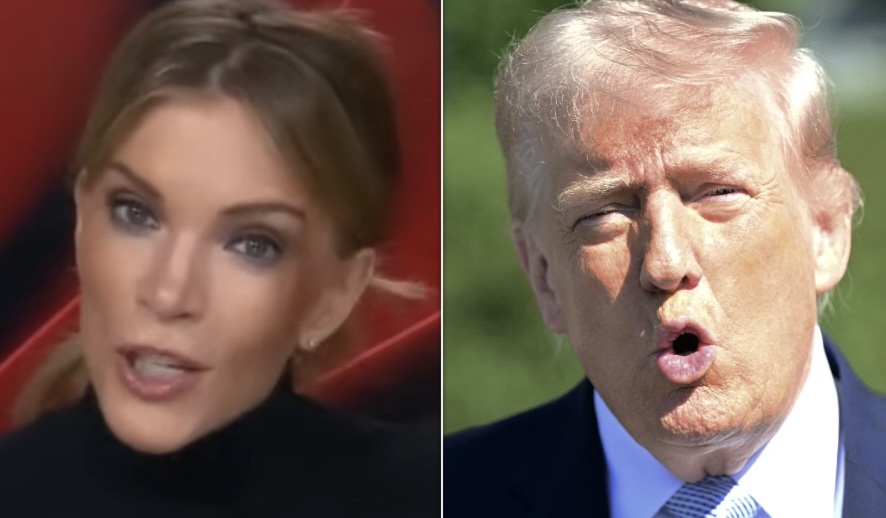
Accusations flew as Megyn Kelly took aim at Rep. Jasmine Crockett (D-Texas), claiming she employs a “blaccent” during her public appearances. The fallout from this assertion quickly spiraled out of control.
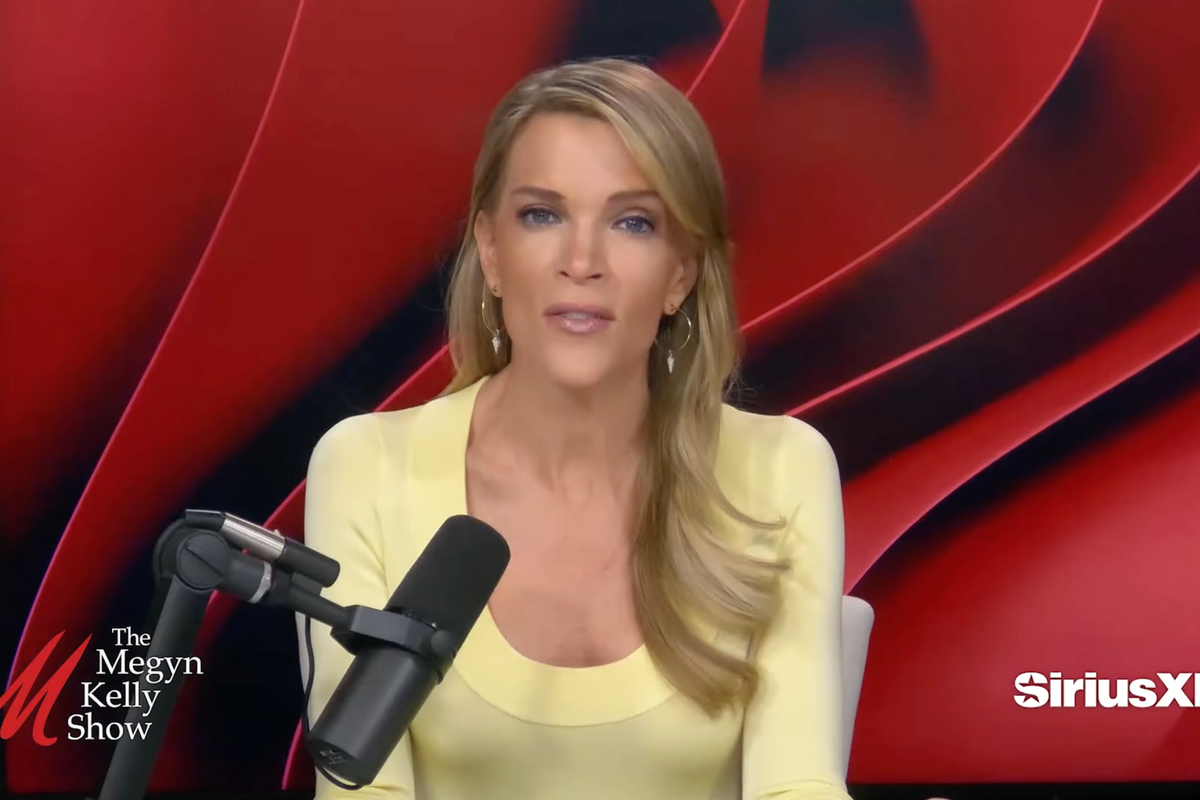
On her podcast, “The Megyn Kelly Show,” Kelly, alongside guest Adam Carolla, dissected Crockett’s recent segment on “Sherri,” where the Texas representative had a memorable exchange with former Rep. Marjorie Taylor Greene (R-Ga.).
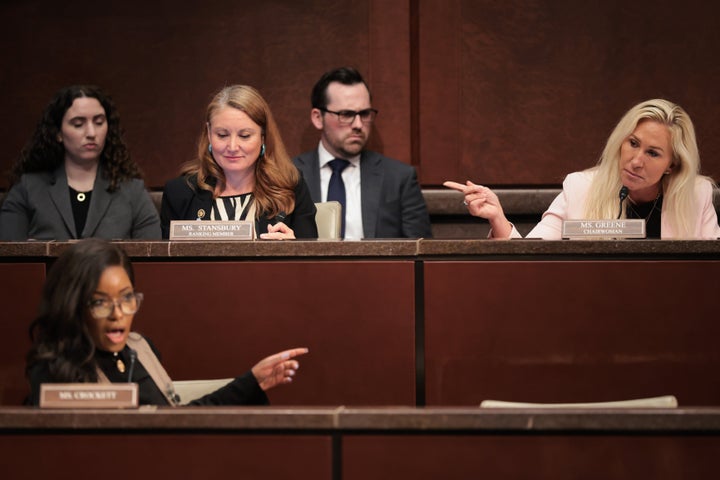
In a clip played by Kelly, Sherri Shepherd recounted how Crockett had sharply criticized Greene, labeling her a “bleach blonde, bad built, butch body.” This remark came after Greene suggested that Crockett’s “fake eyelashes” were impairing her comprehension of the hearing’s purpose.
When asked by Shepherd about her quick-witted responses to such barbs, Crockett candidly stated, “There’s no preparation for that.” She emphasized her identity: “I’m a Black woman in America,” asserting that her race is integral to her experience.
“The level of disrespect that is continuously lobbed against us as Black women... for me I’m like, wait a minute now, I am one of the 535 most powerful people in this country,” she continued, challenging the notion that she should be disrespected.
Kelly, who identifies as white, reacted to the clip with derision. “She’s back with the blaccent,” she remarked to Carolla, questioning whether Crockett genuinely speaks that way. “But she dials it up. ‘I’m a Black woman first,’” she mimicked.
The conversation took a turn as Kelly and Carolla criticized Crockett’s reference to being one of the 535 voting members of Congress. Carolla labeled it “narcissism,” launching into a lengthy tirade that included accusations against prominent Black figures like Barack Obama and Michelle Obama for what he termed a “race hustle.”
“It’s by the way hurting your culture and your people. This ‘as a Black woman in America.’ Tell me about it,” he exclaimed, sharing his own struggles growing up poor and white.
Kelly later added that Crockett “would like us to think she’s a bigger idiot than she actually is.” The term “blaccent” typically describes non-Black individuals mimicking Black speech patterns; however, this critique of Crockett is particularly perplexing given her racial identity.
“Paradoxically, the absurd one-sidedness of this is the actual race hustle that aims to mock and discredit Crockett and other talented Black women,” stated Shaun Harper, a professor at the University of Southern California specializing in racial equity.
“What qualifies Kelly and Carolla to be the arbiters of Black authenticity?” Harper questioned. “Nothing. Crockett’s authenticity is one of numerous features that appeals to Black voters.” He highlighted her commitment to defending their rights and holding Congress accountable for anti-Black policies.
“Given her obsession with them, Kelly should have Crockett and Michelle Obama on her show,” Harper suggested. “I bet she won’t say to their faces what she so boldly and wrongly says about them to Carolla and others.”
Crockett has frequently faced right-wing criticism regarding her speech patterns and use of African American Vernacular English (AAVE). Critics often label her disingenuous due to her educational background.
Last year, Laura Ingraham described Crockett as “street,” while Greene claimed that Crockett fails to grasp the “Black American struggle,” suggesting she feigns understanding despite her elite education.
Civil rights attorney Portia Allen-Kyle previously remarked that Greene’s comments reflect a misunderstanding of the realities faced by Black individuals in America, regardless of their socioeconomic status.
“She reduces the Black experience to some caricature of poverty and struggle— as if class alone defines Blackness,” Allen-Kyle stated. “That mindset exposes her bias.”
Crockett has addressed the fixation on her speech before, stating, “I don’t have an ‘accent’ ... if anything, it’s Texan, maybe mixed with a little bit of St. Louis.” In a TikTok video from March last year, she challenged the notion that her speech is inauthentic due to her educational background.