
Milei's Insulting Silence: Argentina's Isolation as Brazil Celebrates Lula's Victory
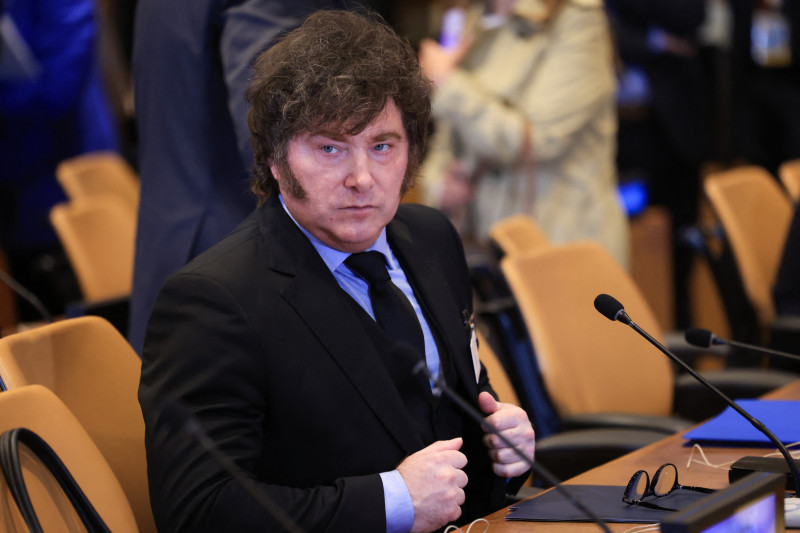
Javier Milei, the Argentine leader, has branded Lula da Silva a "corrupt thief" while refusing to acknowledge Lula's election victory, leaving Argentina isolated among its neighbors.
This isn't mere diplomatic awkwardness; it's a calculated move that strains Argentina's ties with Brazil, its largest trading partner, as the 2027 election looms.
Lula da Silva executed a stunning comeback in Brazilian electoral history. After finishing second in the first round on October 4, trailing Flávio Bolsonaro 47% to 45.1%, he surged to victory in the October 25 runoff by over 4.4 million votes, securing 51.79% against Bolsonaro's 48.21%, according to Brazil's Superior Electoral Court. He now becomes the first Brazilian leader to serve four presidential terms.
As Brazil's results rolled in, Milei didn't hold back. He questioned the decision to extend voting hours in certain regions, a standard administrative response confirmed by the Superior Electoral Court. The next day, he targeted what he called the "average leftie," and neither he nor Foreign Minister Pablo Quirno issued any statement regarding the election outcome.
Leading up to the runoff, Milei intensified his attacks on Lula. Just five days prior, he suggested on social media that Lula's "latest dirty campaign trick" might involve "stealing the election," labeling him a "left-wing thief." Brazil's Foreign Ministry condemned this as an "unacceptable attempt at external interference." On October 7, he posted "LULA LADRÓN" over Lula's image on Instagram.
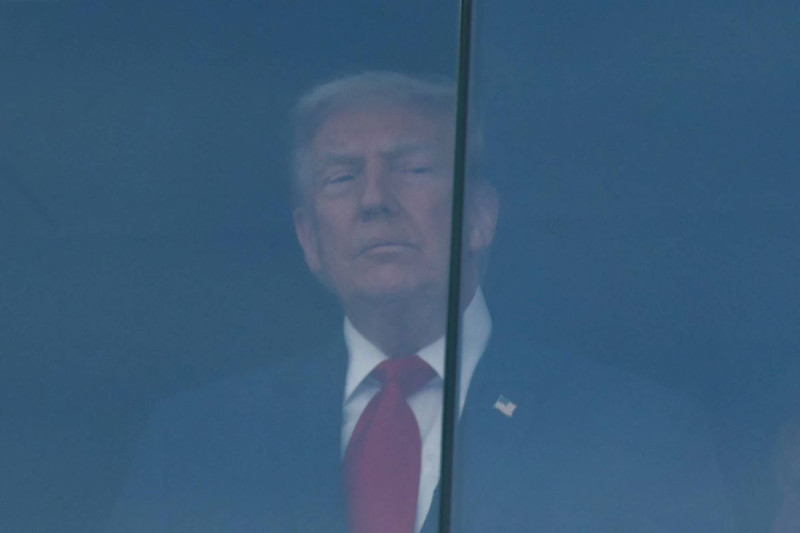
Echoing skepticism, Trump claimed the election result followed "the Biden playbook," questioning the extended voting hours. Sources indicated that Milei's team was closely monitoring Washington's reactions.
The morning after Lula's victory, Milei convened his cabinet at Casa Rosada, deliberately omitting any mention of Brazil. Reports indicate he spent considerable time attacking Lula's "plan platita," a social spending initiative deployed during the campaign, positioning his own economic strategy as the principled alternative for Argentina's upcoming elections.

"Changing course to win elections is immoral, unjust, a technical error and a serious affront to the credibility built over these years," Milei reportedly told his ministers. He framed next year's Argentine vote as a choice "between the party of freedom versus the party of the State and the past."
Just weeks earlier, after Bolsonaro's first-round lead, Milei celebrated openly. He called the first-round result "a great victory" and dismissed Lula's social spending strategy as ineffective.
Milei's refusal to recognize Lula's victory is part of a broader pattern of personal attacks that have already strained one of South America's most significant bilateral relationships. In July, Milei attended Flávio Bolsonaro's campaign launch in São Paulo, where he labeled Lula a "thief," "convict," and "socialist scum." Brazil responded by recalling its ambassador from Buenos Aires—the first diplomatic downgrade between the two nations in contemporary history. Relations have since operated at chargé d'affaires level.
When pressed about his personal attacks, Milei remained unapologetic: "I didn't attack the Brazilian people," he stated in a radio interview. "I spoke about Lula, the corrupt one."
What stands out is that Milei positions himself further right than any other leader in the hemisphere. Chile's José Antonio Kast congratulated Lula directly by phone. Leaders from Paraguay, Bolivia, Peru, and Colombia all acknowledged Lula's victory. Even Mauricio Macri's PRO party, a coalition partner of Milei's La Libertad Avanza, congratulated Lula independently, calling it "a new opportunity to strengthen a bond that is historic and permanent."
Inside Casa Rosada, officials have been instructed to withhold comments until it becomes clear whether Flávio Bolsonaro will challenge the election results legally. For now, Milei is waiting to see if the results hold before deciding his next move.
The stakes are high: Brazil is Argentina's largest export market, and both nations are dominant players in Mercosur. A survey conducted in August 2026 revealed that 70.5% of Argentines disapproved of Milei's attacks on Lula, with nearly nine in ten viewing the economic relationship with Brazil as critical. Argentina now faces two years of Lula in power with relations at a historic low and no resident ambassador in Buenos Aires.
© {{Year}} Latin Times. All rights reserved. Do not reproduce without permission.