

Putin Shrugs Off Catastrophic Fuel Crisis While Intensifying Assaults on Ukraine
Vladimir Putin, undeterred by a catastrophic fuel crisis, dismisses the situation as “not critical” while ramping up assaults on Ukraine’s infrastructure.
He rejects ceasefire proposals and insists the war will persist until his objectives are achieved, showcasing a blatant disregard for the mounting challenges faced by one of the world’s leading oil producers.
Putin claims Ukrainian strikes on Russian energy facilities are mere distractions from their battlefield losses, despite analysts noting that Russian military advances have stalled significantly in recent months. He believes his regime can weather the fuel crisis without losing public support for the war he initiated over four years ago.
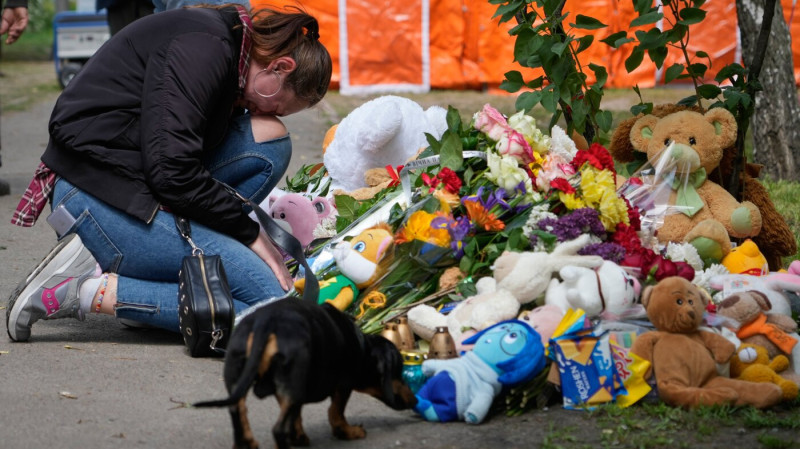
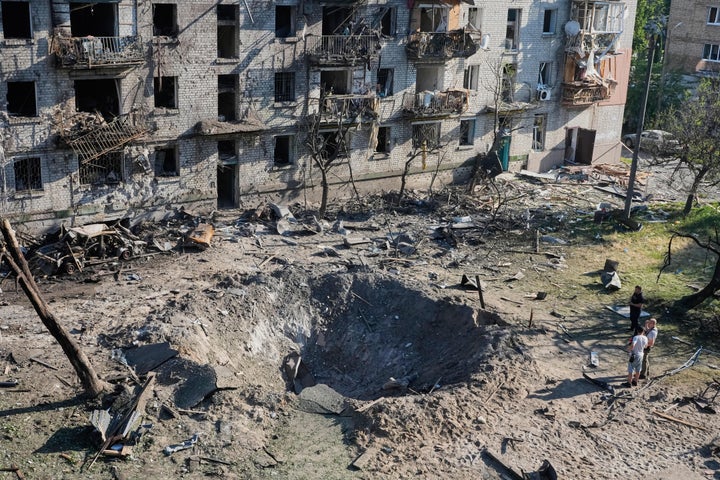
The Russian military executed a brutal 11-hour bombardment on Kyiv, resulting in at least 30 fatalities, marking one of the deadliest assaults since the onset of the full-scale invasion.
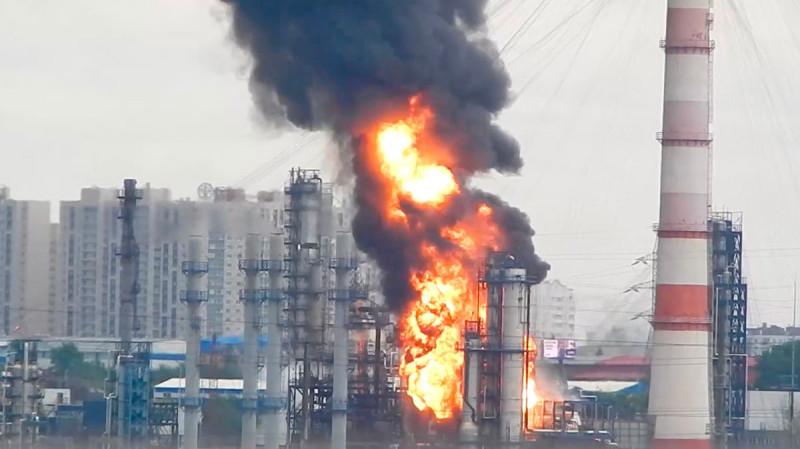
Since March, over 50 Ukrainian attacks have targeted oil refineries and energy installations in Russia and occupied Crimea, a strategy aimed at pressuring Moscow to cease hostilities.
This barrage has shattered Putin’s narrative that the conflict remains distant from the lives of ordinary Russians, bringing the war’s harsh realities home for millions.
According to Chris Weafer, CEO of Macro-Advisory, approximately one-third of Russia’s refining capacity has been compromised, inflicting lasting damage that will be expensive to repair.
Despite robust air defenses, a major refinery in Moscow has suffered two strikes, with the second on June 18 igniting a fire that damaged critical equipment, which is expected to take until year-end to fix.
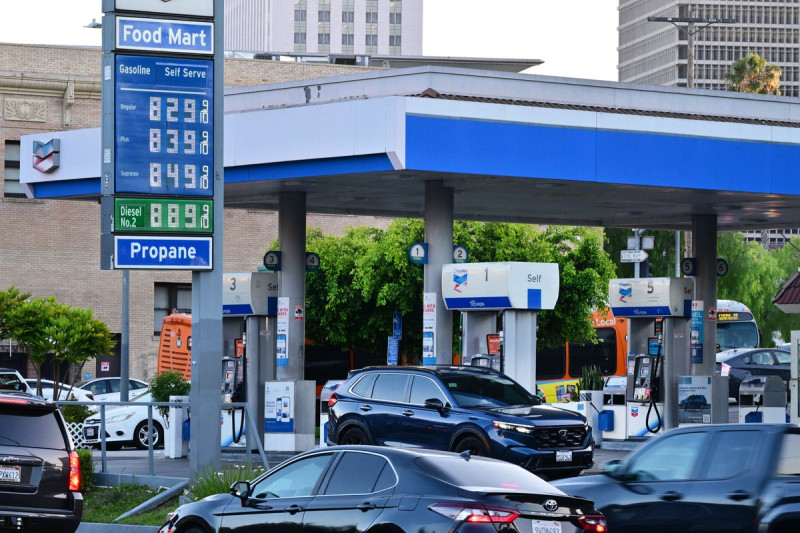
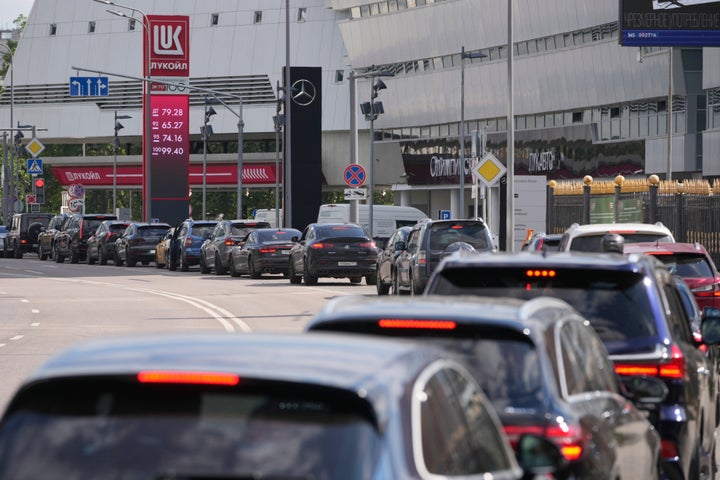
Gasoline production has plummeted by roughly 17%, down to 850,000 barrels per day, leading to rationing in numerous regions and motorists waiting hours to refuel.
Crimea, illegally annexed from Ukraine in 2014, faces the most severe fuel shortages, with gasoline sales to individuals being halted periodically.
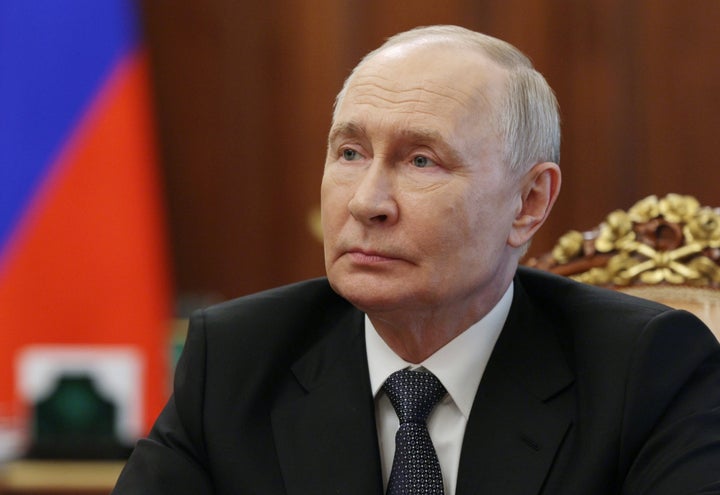
Last weekend, Putin convened government officials to address the fuel crisis.
In televised remarks, he acknowledged a “difficult period” and vowed to expedite repairs of energy facilities while considering gasoline imports to mitigate what he termed “temporary” shortages. He also announced plans for the arms industry to enhance production of air defense systems to counter future Ukrainian strikes.
Putin framed the Ukrainian attacks as attempts to fracture Russian society and disrupt Moscow’s military operations, asserting that they aim to force negotiations on terms favorable to Ukraine.
“We will not give them that chance,” he declared.
While Putin claims that Ukraine’s long-range strikes on Russian oil facilities “have absolutely no effect on the situation at the front,” Western military analysts argue that mid-range strikes have hindered Russian military logistics and slowed their advance, resulting in a battlefield stalemate.
Putin asserts that Russian forces continue to advance along the approximately 1,000-kilometer front line. In a recent state TV interview, he mentioned specific villages and streets in Ukraine.
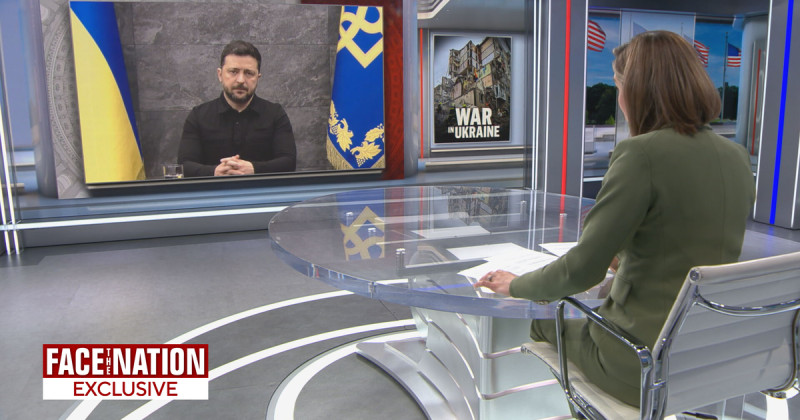
In response to Ukrainian President Volodymyr Zelenskyy’s invitation for talks, Putin challenged him to come to Moscow—a proposal rejected by Ukraine.
He has dismissed a truce proposed by Kyiv and its Western allies, claiming it would merely allow Ukrainian forces time to regroup.
Putin has conditioned any ceasefire on Ukraine withdrawing from parts of the Donetsk region it still controls—a demand Ukraine has flatly rejected. He insists that any final peace agreement must require Ukraine to abandon its NATO aspirations, reduce its military capabilities, and protect Russian language and culture.
In a recent interview, Putin claimed Ukraine had suggested limiting fighting to the four regions Russia annexed but never fully captured: Donetsk, Luhansk, Kherson, and Zaporizhzhia. He rejected this proposal, arguing it would enable Ukrainian forces to concentrate on defending against Russian attacks in those areas.
“Faced with a catastrophic shortage of personnel, the armed forces of Ukraine apparently believe this could be their salvation,” he stated. “Saving the Kyiv regime is not part of our plans.”
The Kremlin indicated that this offer was communicated through confidential channels; however, Ukrainian officials have not publicly acknowledged any such proposal.
Putin also dismissed a Ukrainian suggestion for mutual cessation of deep strikes into each other’s territories, asserting that Russian attacks are “much more powerful, sensitive and, frankly speaking, destructive.”
In Thursday’s deadly assault on Kyiv, Russia targeted residential areas while claiming military objectives. Conversely, most Ukrainian strikes have focused on oil facilities and military targets within Russia.
A United Nations report indicates that over 16,000 Ukrainian civilians have lost their lives in this ongoing conflict.