

Sam Neill's Death: No Fear of Dying, Just Annoyance at Unfinished Business
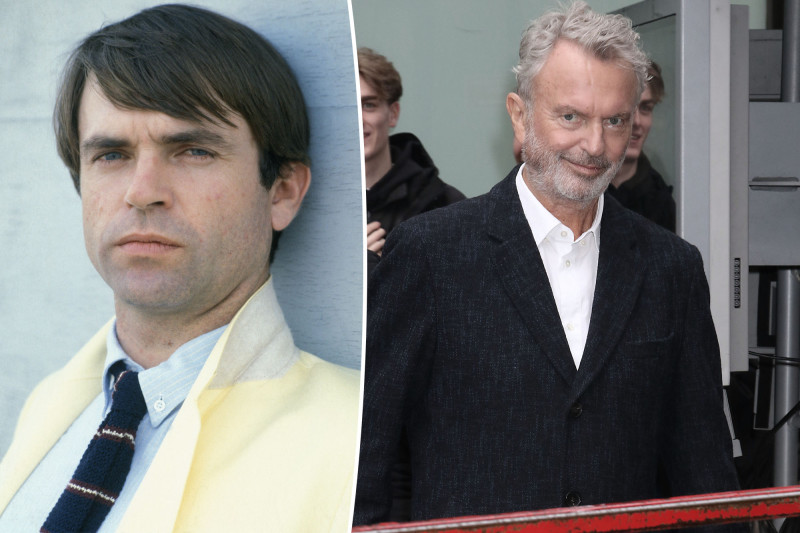
Sam Neill, the actor known for his role in the Jurassic Park series, died on July 13. His death was sudden and unexpected, occurring at St Vincent's Private Hospital in Sydney, Australia, while surrounded by family.
At the time of his passing, Neill was cancer-free. He had previously undergone successful treatment for stage-three blood cancer, including CAR T-cell therapy. The specific cause of death remains unspecified.

His family released a statement confirming that he passed with dignity, a hallmark of his life. They noted the loss was sudden but highlighted that he remained cancer-free at the time.
Before his death, Neill expressed that he wasn't frightened of dying but found the idea irritating due to unfinished business in his life. He stated, "I’d be annoyed because there are things I still want to do. Very irritating, dying. But I’m not afraid of it."

In his memoir, Did I Ever Tell You This, Neill revealed his cancer diagnosis and expressed a desire for "another decade or two." He reflected on his life, saying, "We’ve built all these lovely terraces, we’ve got these olive trees and cypresses, and I want to be around to see it all mature."
Neill's battle with cancer lasted five years. He shared that chemotherapy had initially kept him alive until it stopped being effective. In an April interview, he described a near-fatal experience when he felt he was on the brink of death.

He credited CAR T-cell therapy for saving his life. This innovative treatment genetically alters blood cells to target and eliminate cancer cells. Neill had the financial means to afford the substantial $540k cost of the therapy due to his $18 million fortune.
In a conversation with Australian broadcaster 7News, Neill detailed his struggle with lymphoma and how he felt lost when chemotherapy ceased to work. He expressed excitement after a recent scan showed no cancer in his body.

CAR T-cell therapy represents a customized immunotherapy approach primarily used for blood cancers. It involves engineering a patient’s T-cells to recognize and attack cancer cells.
Neill first went public with his cancer diagnosis in 2023 after being diagnosed with angioimmunoblastic T-cell lymphoma the previous year. Symptoms of this serious illness include high fever, night sweats, skin rash, and autoimmune disorders.
Sam Neill was 78 years old at the time of his death.