
Supreme Court Crushes Trump's Birthright Citizenship Dream
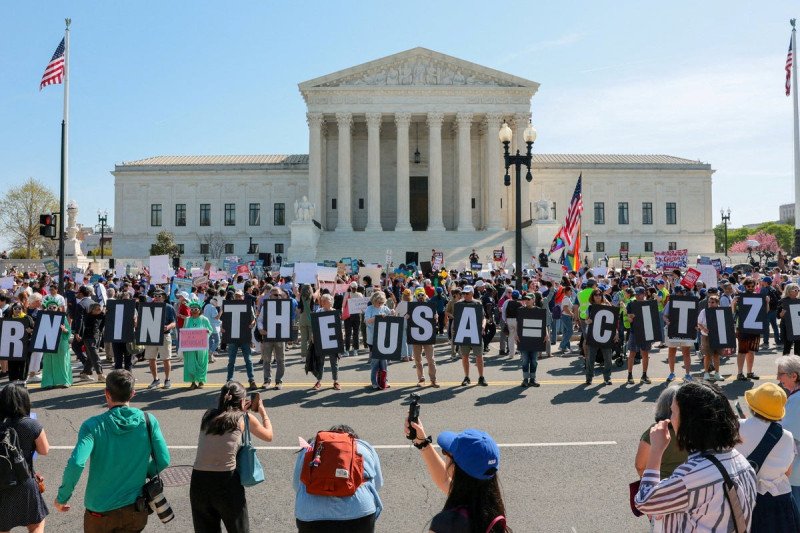
Washington — The Supreme Court obliterated President Trump's executive order aimed at dismantling birthright citizenship, reaffirming that nearly all individuals born in the United States are citizens, a principle entrenched for over a century.
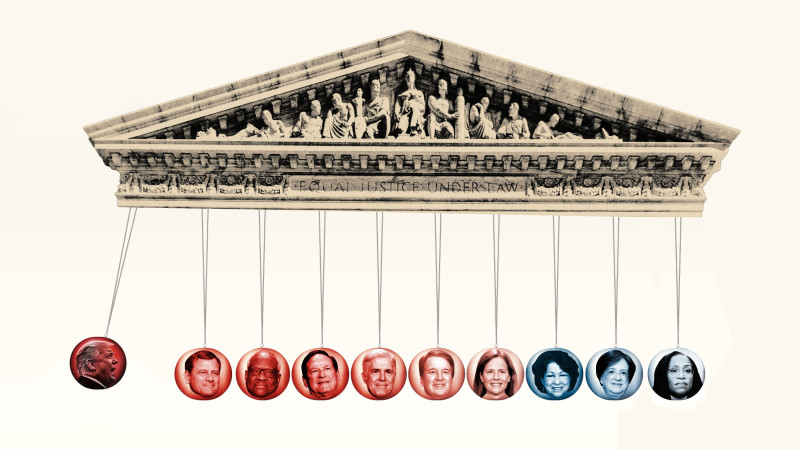
In a decisive 6-3 ruling in Trump v. Barbara, the justices declared Trump's policy unlawful. Chief Justice John Roberts and Justices Sonia Sotomayor, Elena Kagan, Amy Coney Barrett, and Ketanji Brown Jackson united against the order, citing violations of the 14th Amendment. Justice Brett Kavanaugh separately noted that the order also breaches federal law.
Justices Clarence Thomas, Samuel Alito, and Neil Gorsuch dissented vehemently.
This ruling marks the second major defeat for Trump’s initiatives during his second term, following a February decision that struck down many of his tariffs. The president's directive to restrict birthright citizenship was signed on his first day back in office as part of a sweeping immigration crackdown.
"Citizenship, then and now, was the right to have rights — to freely participate in our political community," Roberts stated in the majority opinion. "The Framers of the Fourteenth Amendment extended that promise to 'every free-born person in this land.' We keep that promise today."
Thomas, joined by Gorsuch, countered that the majority's historical interpretation of American citizenship is flawed. He criticized the Court for declaring unconstitutional the President's Order that would exclude children of foreign temporary visitors and illegal aliens from citizenship. He lamented that the Fourteenth Amendment, originally designed to secure equal rights for freed blacks, has been misappropriated for political agendas.
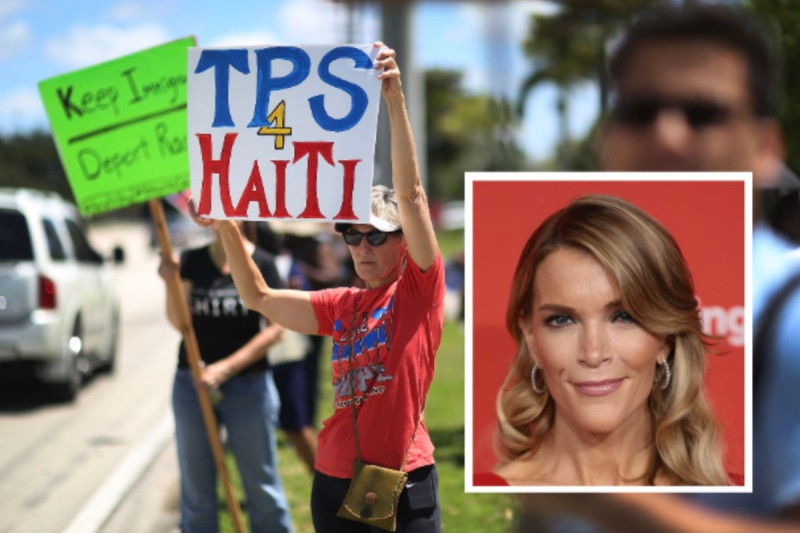
Trump's executive order was a cornerstone of his immigration strategy, aiming to strip automatic citizenship from babies born to parents in the U.S. illegally or temporarily. This directive threatened to overturn the long-standing interpretation of the Constitution's Citizenship Clause.
However, the order never took effect due to immediate legal challenges from federal courts across the nation.
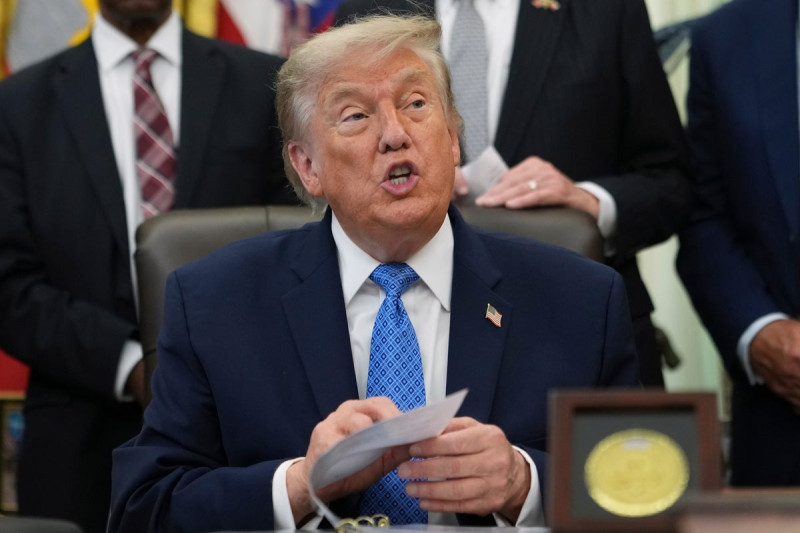
In response to the Supreme Court's ruling, Trump called on Congress to act swiftly to limit birthright citizenship. He expressed his disappointment on Truth Social, stating, "The Supreme Court upheld Birthright Citizenship, which is too bad for our Country... Congress should start TODAY to work on ending expensive and unfair to our Country, Birthright Citizenship. They will have my Complete and Total Support!"
The Citizenship Clause of the 14th Amendment asserts that "all persons born or naturalized in the United States and subject to the jurisdiction thereof, are citizens of the United States." This language was codified in federal immigration law first in 1940 through the Nationality Act and again in 1952 in the Immigration and Nationality Act.
The Supreme Court previously addressed this clause in a landmark 1898 case, affirming birthright citizenship with limited exceptions for children of foreign diplomats, occupying armies, and Native American tribes. In 1924, Congress granted citizenship to all Native Americans born in the U.S.
Trump's executive order sought to redefine who qualifies as an American citizen. His administration claimed that unrestricted birthright citizenship incentivizes illegal immigration and birth tourism, arguing that the Citizenship Clause has been misinterpreted since the mid-20th century.
While Trump’s measure was said to apply only prospectively, it would have had significant implications. Estimates suggest that around 250,000 babies born annually in the U.S. would be denied citizenship under this executive order, according to research from the Migration Policy Institute and Penn State's Population Research Institute.
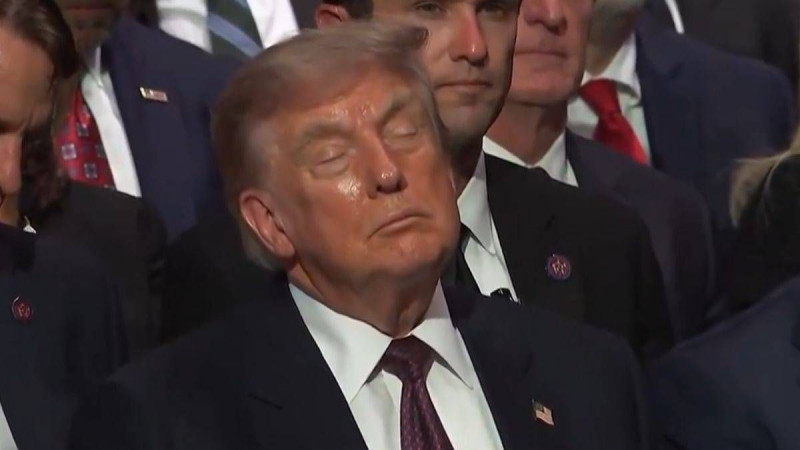
Trump's involvement in this case was notable; he attended oral arguments in April, becoming the first sitting president in modern history to witness such proceedings at the Supreme Court. Despite this, he hinted on social media that he anticipated a loss.
Legal challenges against Trump's executive order emerged almost immediately across various states. Courts in New Hampshire, Washington, Massachusetts, and Maryland swiftly blocked enforcement nationwide.
The Trump administration pursued emergency appeals against these decisions, ultimately bringing the issue before the Supreme Court last year. However, those cases focused on lower court orders rather than the legality of Trump's attempt to limit birthright citizenship.
After the Supreme Court restricted lower courts' ability to issue nationwide injunctions, another challenge arose in New Hampshire on behalf of children affected by the birthright citizenship policy. This case reached the high court, where justices evaluated whether it violated federal law or constitutional principles.
Roberts referenced the 1898 case United States v. Wong Kim Ark in his majority opinion, stating that the ruling established that the Citizenship Clause incorporated common law and granted citizenship to nearly all children born in the U.S. He emphasized that this understanding has persisted for 128 years without reason for deviation.
Kavanaugh and Alito suggested that if there is a desire to limit birthright citizenship as Trump attempted unilaterally, Congress could enact legislation to do so. Kavanaugh noted that Congress could amend existing laws or create new legislation establishing exceptions for children born to foreign citizens unlawfully or temporarily present in the country but has yet to take action.