

Supreme Court Greenlights State Bans on Transgender Athletes in Girls’ Sports
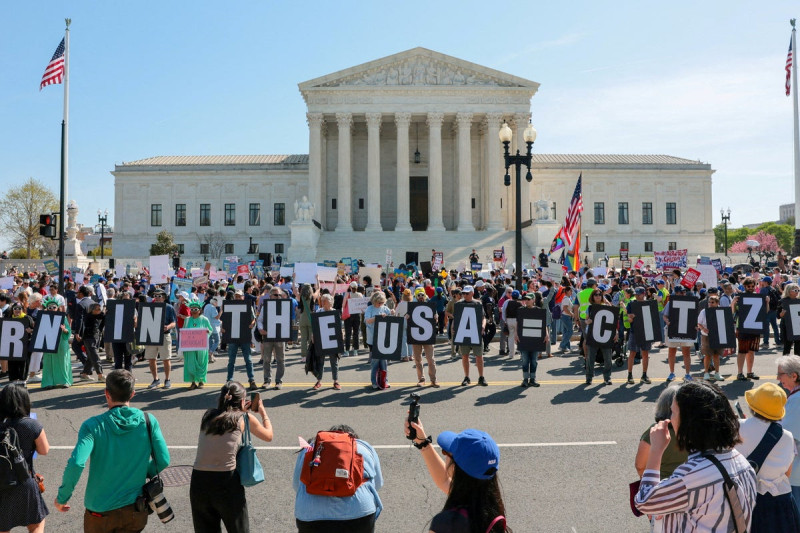
The Supreme Court has unleashed a seismic shift, ruling that states can legally bar transgender female competitors from girls’ sports, impacting over half the nation where such bans are already in place.
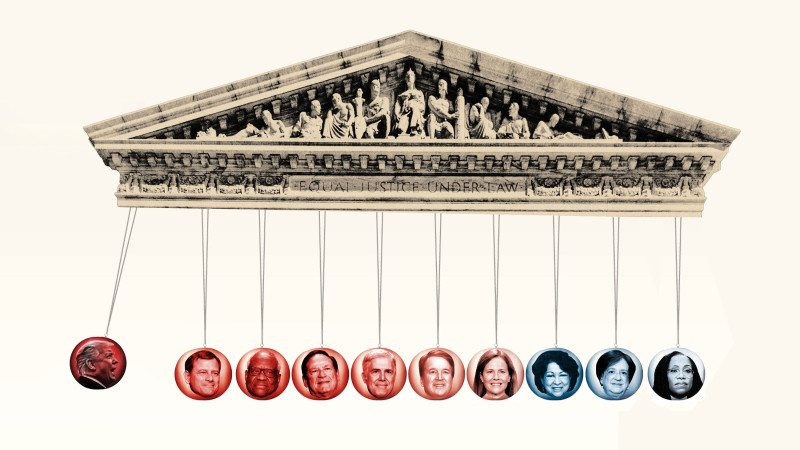
In a decisive 6-3 ruling, the court found that Idaho and West Virginia did not breach the Equal Protection Clause of the Fourteenth Amendment with their prohibitions. The majority also affirmed that Title IX permits states to segregate sports teams based on biological sex.
Justice Brett Kavanaugh, writing for the majority, emphasized the necessity of respecting transgender athletes. He stated, “Most of the biological female and transgender student-athletes who are involved in transgender sports disputes around the country are teenagers or in their early twenties.”

Kavanaugh continued, “Those student athletes want to play sports. Their desire to compete warrants respect. No student-athlete on either side of the issue, whether a biological female or transgender, deserves to be ostracized or vilified.”
Currently, 27 states have enacted laws similar to those in Idaho and West Virginia, prohibiting biological males from competing in women’s sports at public schools and colleges. The Supreme Court's decision does not automatically overturn policies in states like California and Connecticut that allow transgender athletes to compete. Instead, it empowers individual states to dictate their own rules, creating a fragmented legal landscape akin to abortion access.
Kavanaugh, who has experience coaching his daughters’ basketball teams, reiterated that the court is leaving policy decisions to the states and the democratic process. He remarked, “Sports are highly competitive and generally zero sum. Women and girls who play sports care deeply about all of those things. They obsess about them. They spend extraordinary time and effort to train in the heat and in the cold.”

Two transgender athletes challenged these state bans, claiming that the laws violated their rights and contravened federal funding regulations against sex-based discrimination.
The dissenting liberal justices argued for a more limited legal rationale that would have made the bans more vulnerable to future challenges. Justice Sonia Sotomayor stated, “West Virginia may well have satisfied its burden and seen its ban upheld. The point, rather, is that this Court’s equal protection precedents require a very different approach than the one the majority follows today.”
The dissenters contended that the court should have adhered to West Virginia plaintiff Becky Pepper-Jackson’s assertion that “sex” under Title IX refers to “biological sex” assigned at birth, avoiding a constitutional debate altogether.

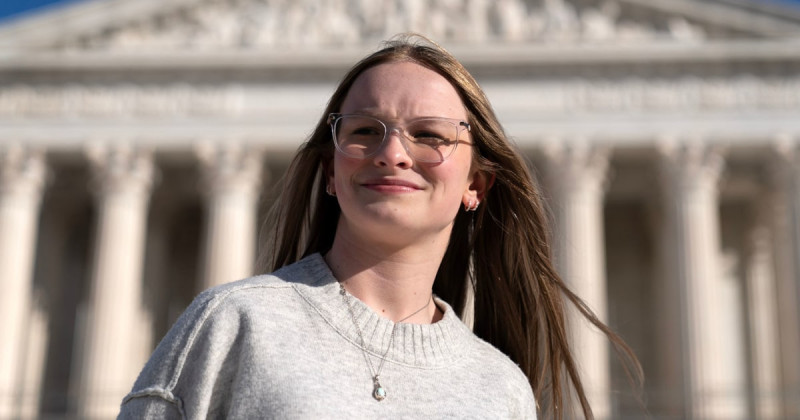
In Idaho, aspiring Boise State University athlete Lindsay Hecox contested the state’s Fairness in Women’s Sports Act, invoking the 14th Amendment aimed at extending equal rights post-Civil War.
In West Virginia, Pepper-Jackson’s mother fought against the state’s Save Women’s Sports Act after her child underwent gender reassignment surgery in third grade, prior to experiencing male puberty.
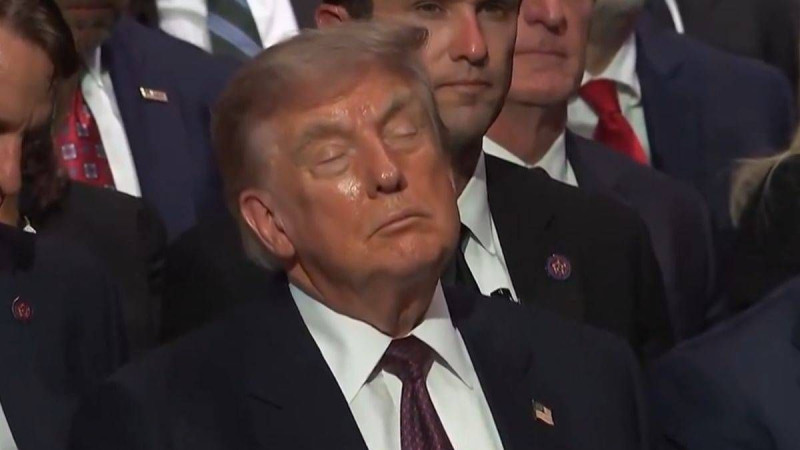
Former President Trump leveraged Title IX in his executive order last year targeting states permitting transgender women to compete in women’s sports.

Justice Clarence Thomas went beyond the majority opinion, asserting that “Men and boys with gender dysphoria are not women or girls, even if they believe that they are.” He added, “Sex is an immutable ‘biological’ characteristic... it is binary; ‘man’ and ‘woman,’ ‘boy’ and ‘girl,’ are the terms that correspond to adults and children of each sex.”
The majority opinion refrained from making sweeping declarations regarding transgenderism.
This ruling in Little v. Hecox and West Virginia v. B. P. J. marks a pivotal moment as the Supreme Court confronts the contentious issue of transgender participation in girls’ sports for the first time.

Last year, the Supreme Court permitted states to impose restrictions on transgender surgeries or hormonal treatments for minors.
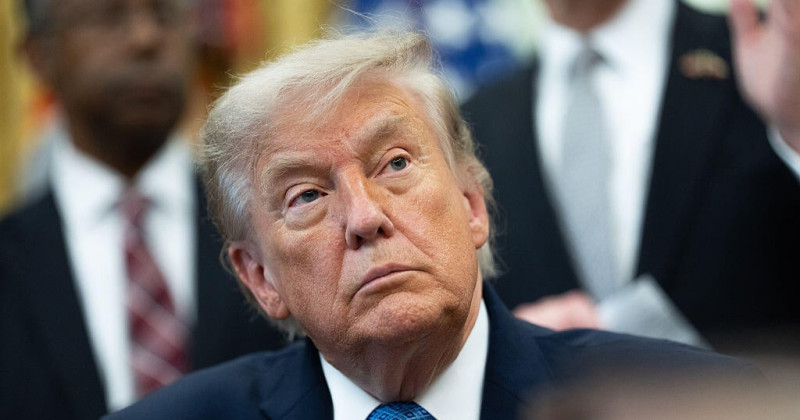
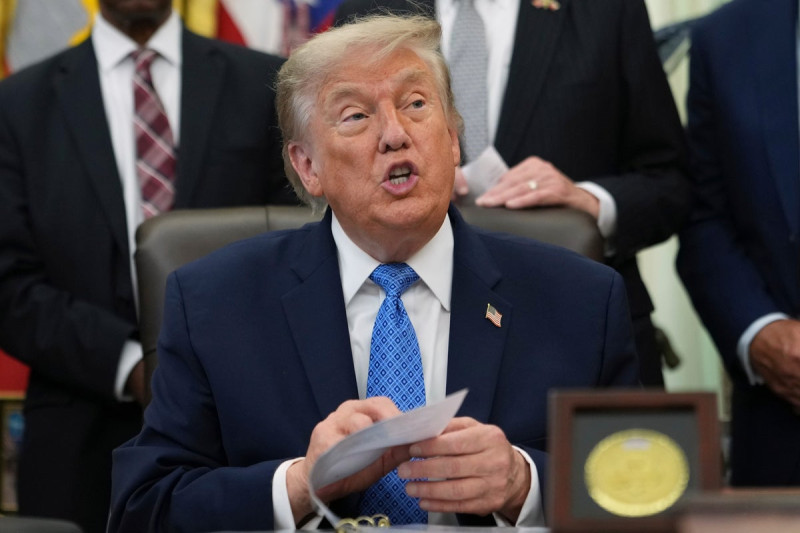
Trump hailed the ruling as a “big win,” exclaiming on Truth Social, “The United States Supreme Court just RULED AGAINST MEN PLAYING IN WOMEN’S SPORTS. Wow! That takes that ridiculous situation off the table!!!”
However, Kavanaugh’s opinion does not entirely prohibit transgender females from competing in biological sports; it simply delegates authority to individual states.