

Trump Bows to GOP Demands Amid Airport Crisis, Agrees to DHS Deal with Democrats
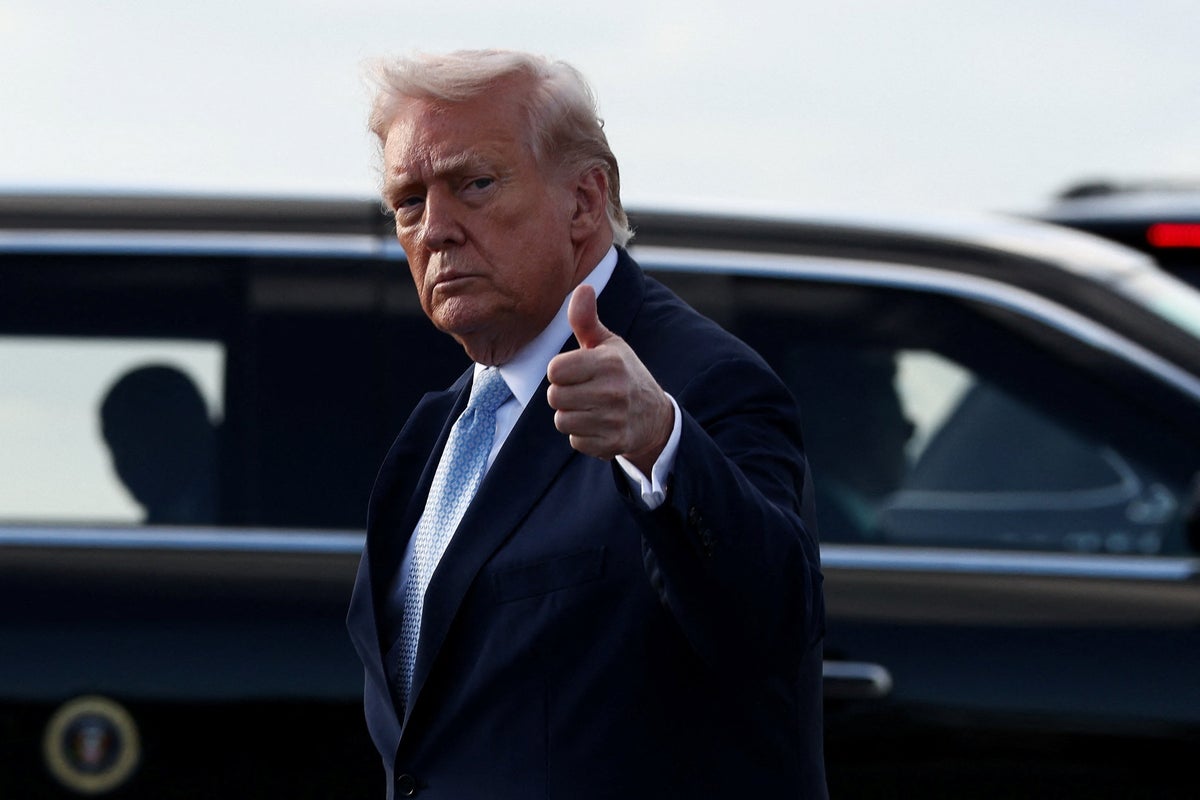
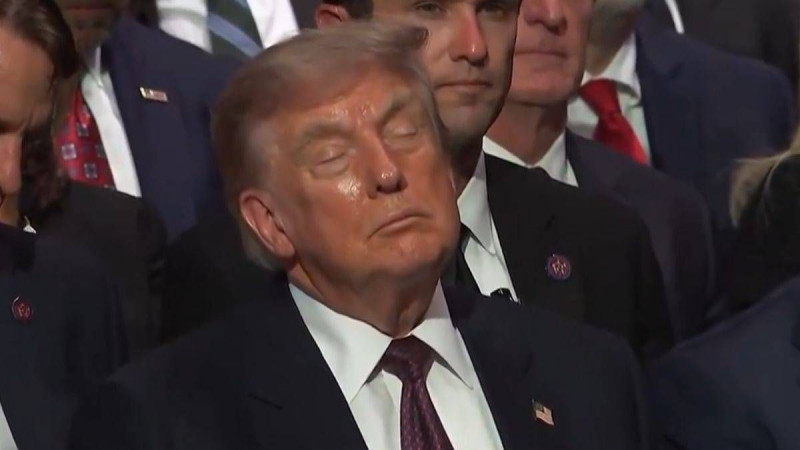
Donald Trump has shifted his stance, agreeing to a Democratic proposal aimed at reopening parts of the Department of Homeland Security (DHS) to address escalating airport delays, according to a White House official on Tuesday.
The DHS, which encompasses both Immigration and Customs Enforcement (ICE) and the Transportation Security Administration (TSA), has been in a state of shutdown since February. This impasse arose as Democrats demanded reforms to immigration enforcement operations before agreeing to fund ICE. Key among these reforms is a mandate for ICE to secure judicial warrants prior to conducting searches and an end to roving enforcement operations.
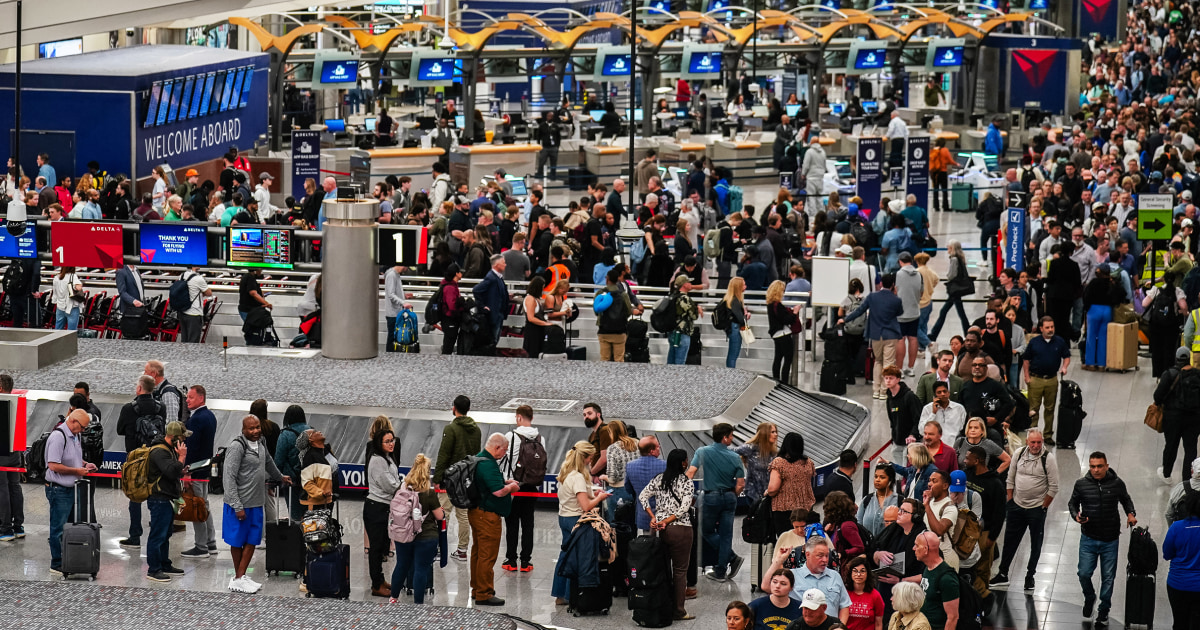
As a result, airports across the nation have faced significant disruptions. TSA agents, unpaid during the shutdown, have been calling in sick or resigning, leading to extensive security lines at major airports. In response, Trump has deployed ICE agents to assist at these locations, despite their lack of training in security screening. This situation has prompted bipartisan concern, with lawmakers seeking a resolution to the ongoing crisis.
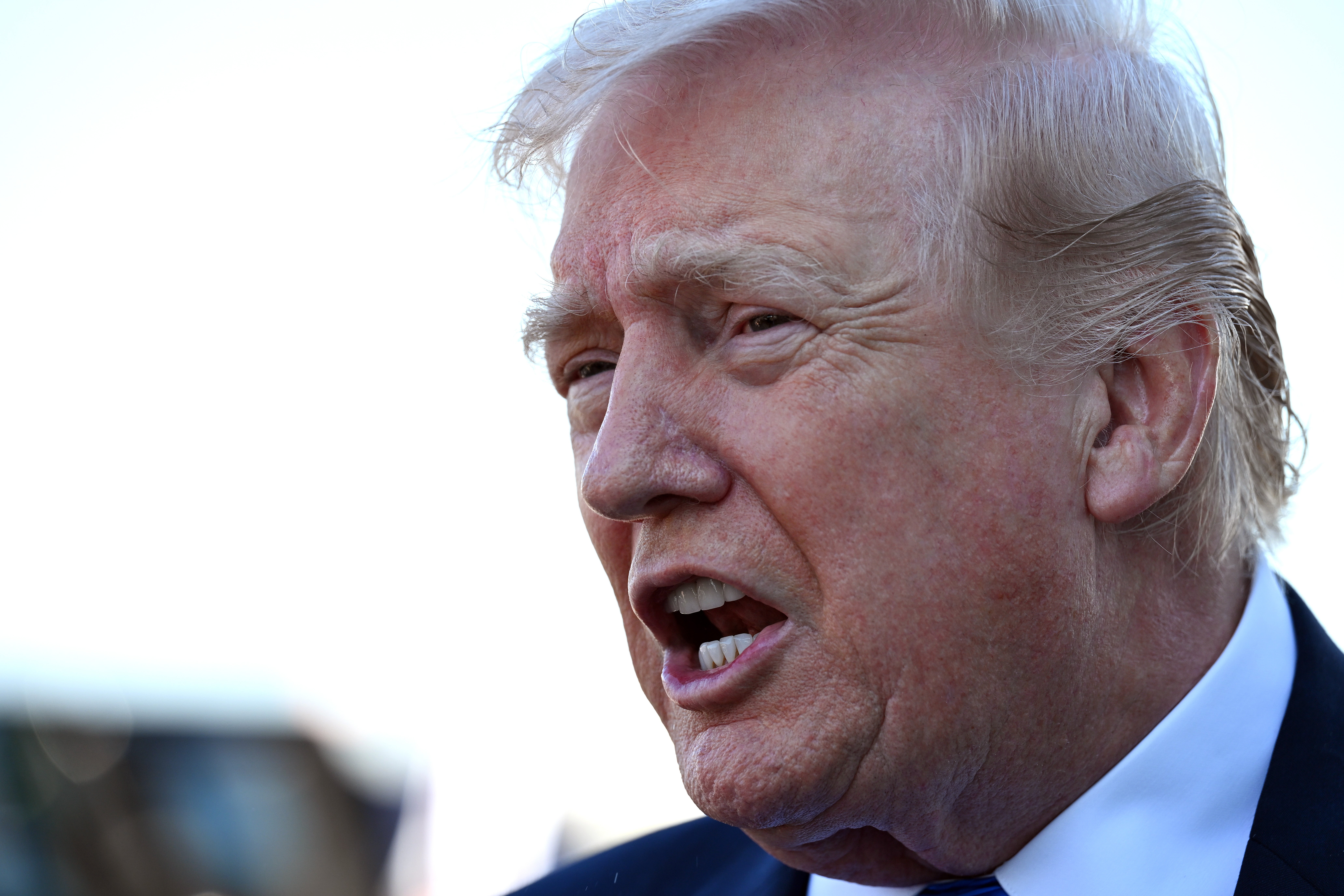
On Monday, Democrats proposed a deal that would reopen all parts of DHS except for ICE, allowing Republicans to pursue funding for ICE through a budget reconciliation process requiring only 50 votes in the Senate. A White House official confirmed on Tuesday that Trump has decided to accept this offer.
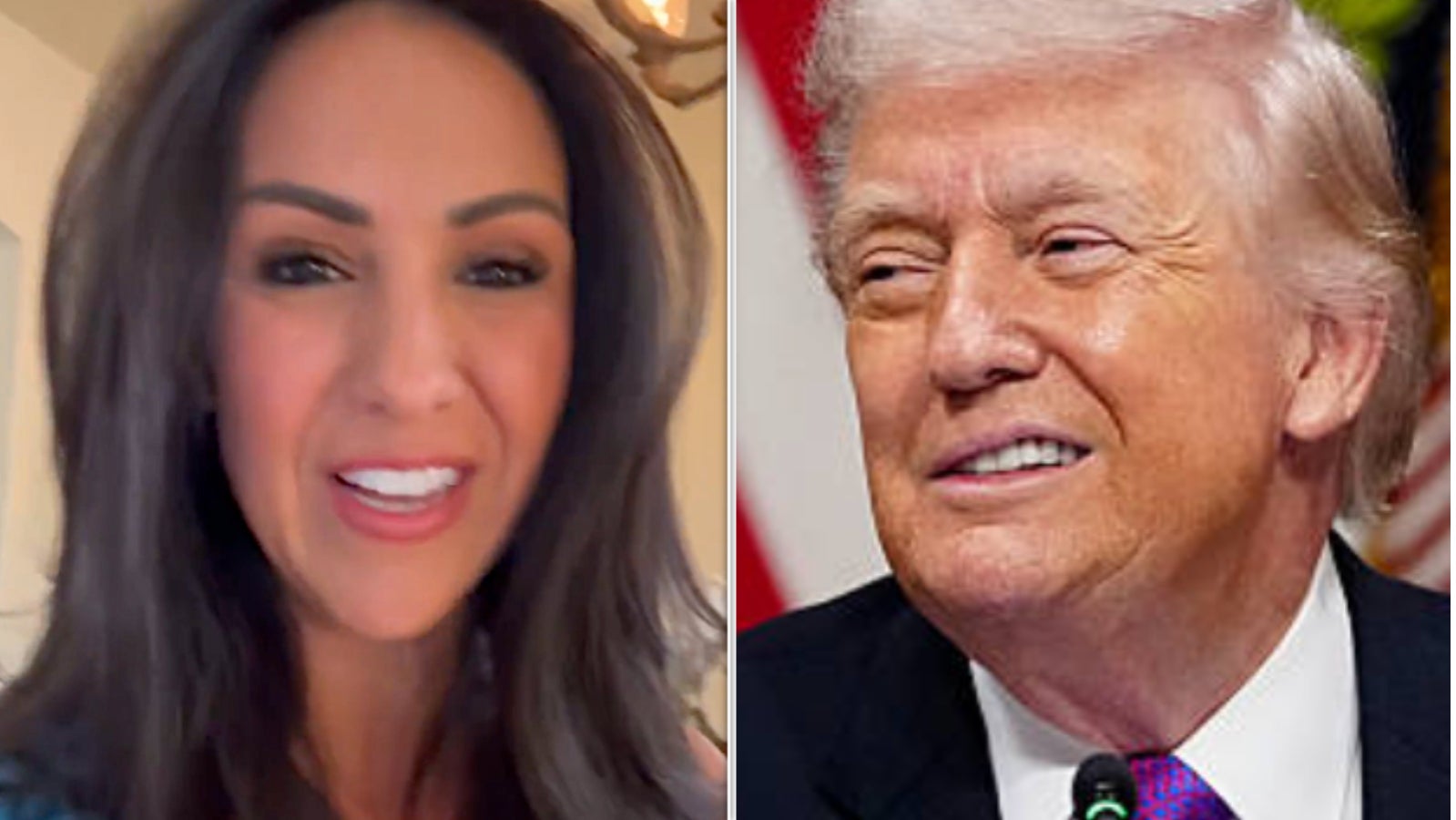
This reversal from Trump—often referred to by critics as TACO (Trump Always Chickens Out)—came just a day after he urged Republicans not to negotiate with what he termed the “Crazy, Country Destroying, Radical Left Democrats.” He had called for them to work through the Easter break if necessary to push his voter ID initiative.
Earlier on Monday, Republican Senator John Kennedy claimed that Trump had initially dismissed the Democratic offer outright. Kennedy stated on Fox News that both he and Senator Ted Cruz supported the proposal, indicating it had potential backing within the GOP.

"The Democrats offered to open up everything but ICE. Ted [Cruz] and I said, 'Ok, let's accept their offer,' and then at the same time we would offer a bill through reconciliation," Kennedy explained. "That way we're out of the shutdown and DHS is back open.”
Despite this, Trump had previously rejected their proposal, insisting on no deals with Democrats.
On Truth Social late Sunday, Trump reiterated his stance against negotiating with Democrats unless they supported his “SAVE AMERICA ACT,” emphasizing its importance over other legislative matters. He even suggested that the Senate should work through the Easter holiday to combine efforts on renewing DHS funding with his voter ID push.

The president’s change of heart may provide Democrats with leverage as they seek to hold the White House accountable for the ongoing shutdown and its impact on travelers nationwide. Major airports in cities like Houston, Atlanta, New York, and Baltimore are experiencing severe TSA staffing shortages as Congress approaches another critical deadline: March 31, when many federal employees will miss paychecks again.
This decision could also frustrate Democratic voters who might perceive it as their party facilitating Republican objectives related to immigration enforcement while attempting to shield themselves from political backlash.
Previously, Senate Democrats had backed down from their demands during a shutdown last year, abandoning efforts to renew health care subsidies after prolonged negotiations.
Trump's role as an obstacle in negotiations is not new; however, Kennedy's confirmation marks a clear instance of Trump actively undermining a specific attempt by Congress to reopen DHS. For weeks, he has vowed to block any legislation reaching his desk unless it aligns with his voter ID agenda—a proposal opposed by every Democrat and one Republican senator.
Kennedy's plan aims to reopen most of DHS while securing ICE funding through a budget reconciliation measure requiring only a simple majority in the Senate. Some lawmakers have expressed concerns about whether Republicans could pass such a bill even with a lower vote threshold.
Last year, Republicans utilized budget reconciliation to pass significant legislation that included funding for ICE and infrastructure for Trump's deportation initiatives. However, Senate rules limit this process to strictly budget-related matters.
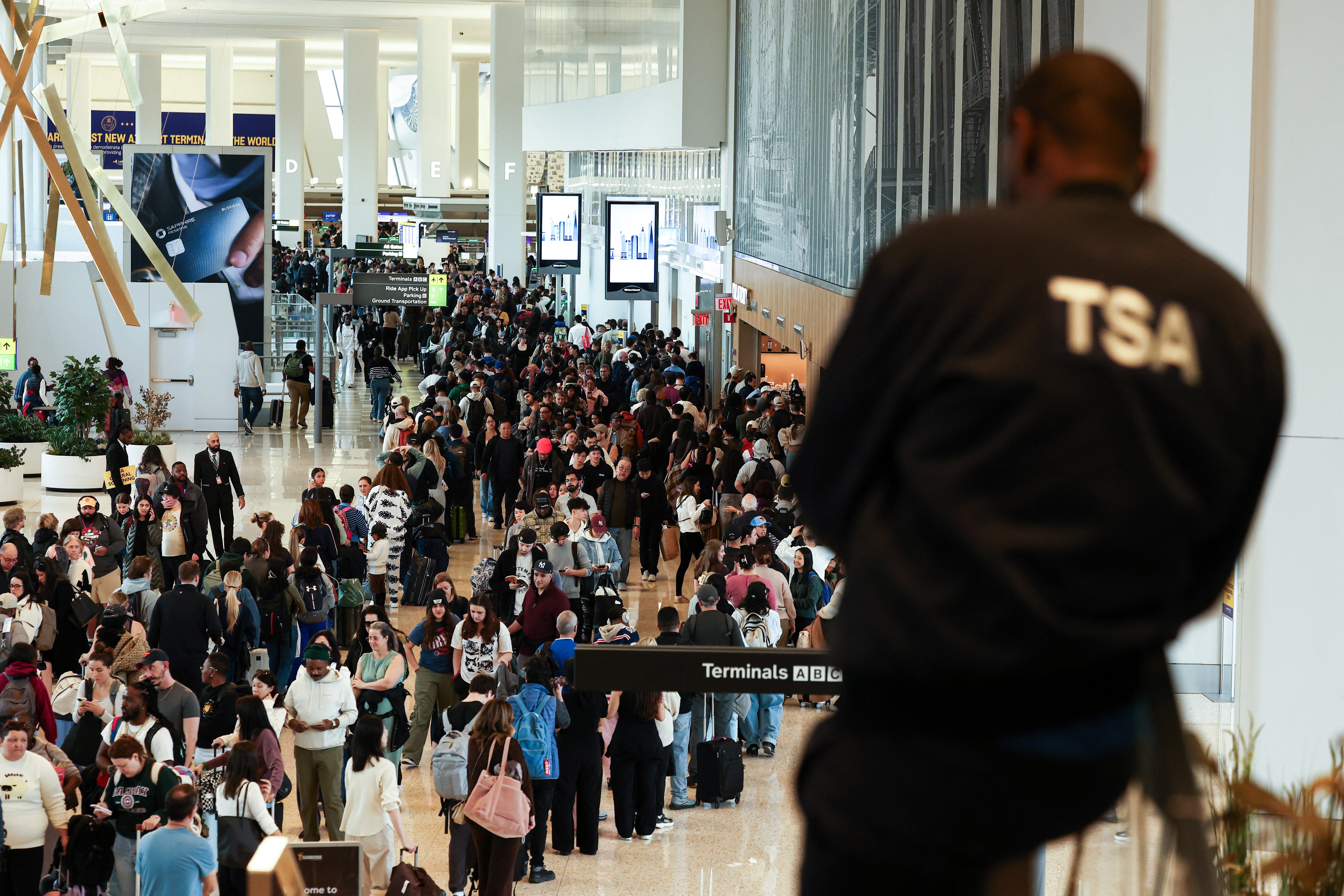
As a result of Trump's decision, no immediate resolution appears forthcoming for the security delays plaguing air travelers. Reports indicate wait times at some airports have reached three or four hours, with TSA call-out rates exceeding 40 percent in cities like New Orleans and Atlanta.
At Hartsfield-Jackson Atlanta International Airport, officials warned travelers of wait times extending up to four hours. Similar delays were reported in Houston. Other airports, including LaGuardia—site of a recent fatal incident—have suspended wait time estimates altogether.
"My flight leaves in 16 minutes. I got up at 3 a.m.,” lamented one traveler stuck in line at a Houston TSA checkpoint during a live broadcast.
The White House announced over the weekend that ICE agents would be reassigned from street duties to airports to help alleviate staffing shortages; however, there remains uncertainty regarding their training for airport security roles.
Visual evidence from airports on Monday showed ICE agents performing patrol duties while long security lines remained unaddressed.