
Trump Claims China’s Plot to Make Him Look Less 'Hot' in Primetime Address
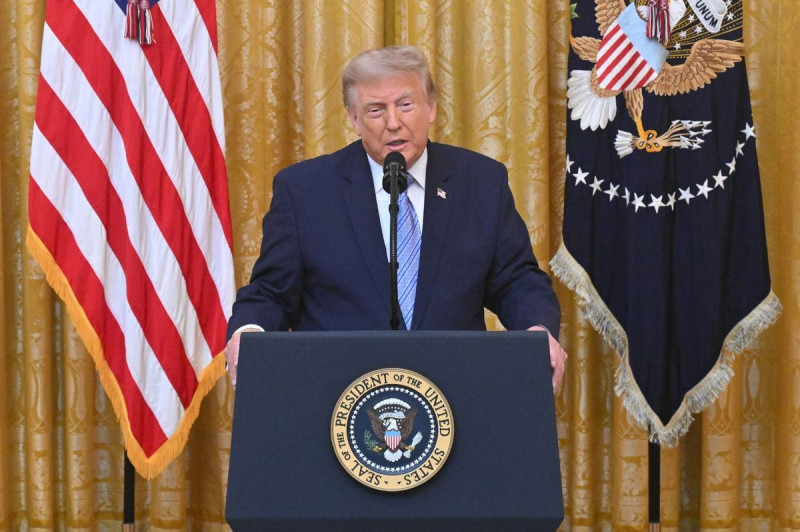
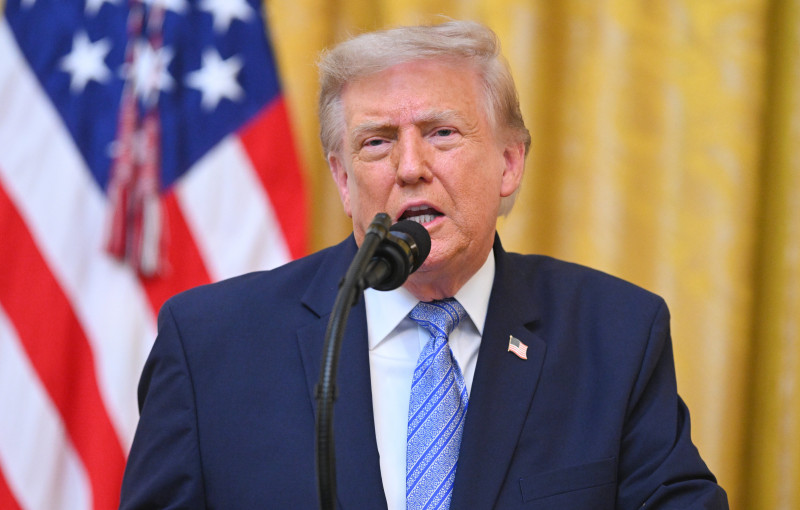
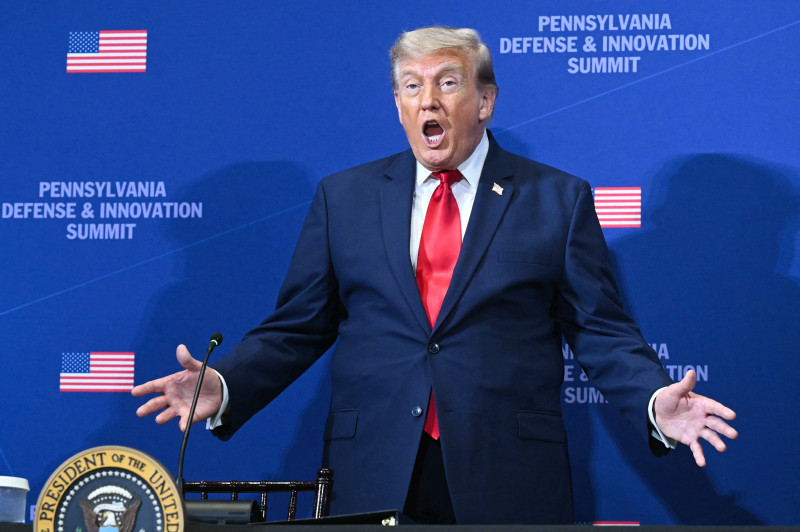
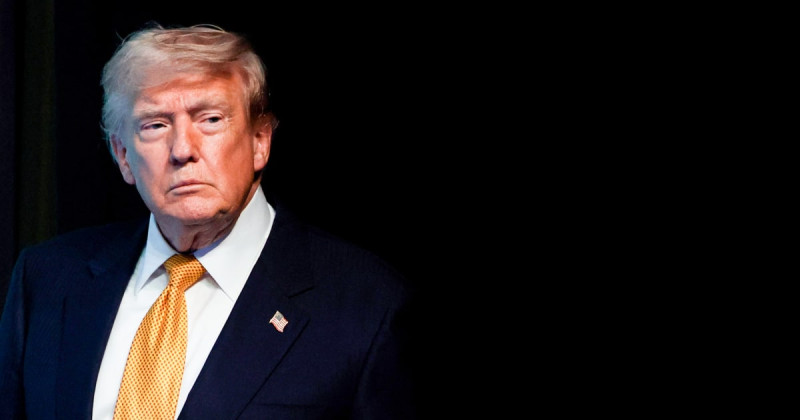
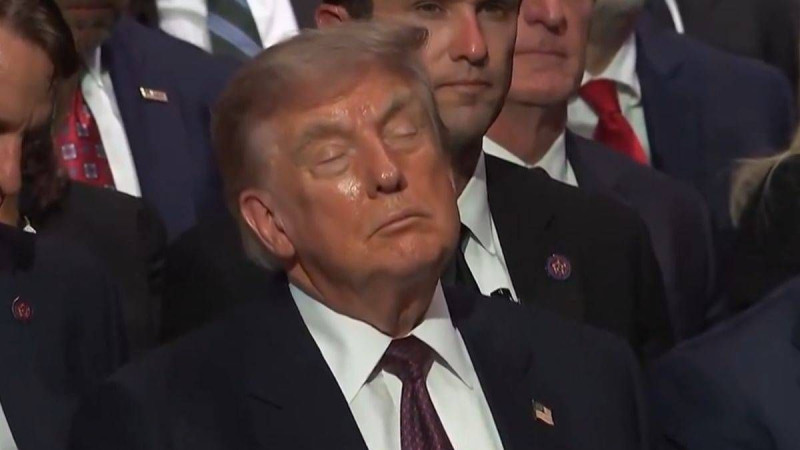
In a jaw-dropping moment, President Donald Trump accused the Chinese government of orchestrating a scheme to make him appear less "hot." This bizarre claim surfaced during a primetime address, a platform typically reserved for significant announcements.
Trump asserted that in 2019, the Chinese government aimed to erode domestic confidence in the U.S. presidency. He stated, "They wanted to just make you sound like your president wasn't so hot," showcasing a peculiar focus on personal image amid serious allegations of election interference.
During the same address, Trump unveiled what he labeled “five major areas of concern” regarding elections, claiming these disclosures were intended to bolster public confidence in the electoral process rather than undermine it.
He emphasized, “Our purpose in disclosing this information is not to weaken confidence in elections, but to earn that confidence by confronting vulnerabilities and correcting them very, very quickly.”

The first alleged concern highlighted by Trump was a "years-long effort by China to interfere in U.S. elections," which he claimed began during the 2020 election cycle. However, he failed to provide specific details during his speech, stating that further information would be available in documents released by the White House.
Leading up to his address, there was speculation that Trump would focus on "free and fair elections," teasing it as one of the most significant speeches of his presidency while revealing little about his intentions.
Trump declared, "It doesn’t get bigger because without free and fair elections, you don’t have a country," hinting at the gravity of his upcoming announcement.
This speech unfolded against a backdrop of escalating tensions in the Middle East and domestic strife, including violent incidents involving Immigration and Customs Enforcement officers.

Historically, Trump has leveraged primetime addresses for politically charged rhetoric. In December, he attempted to blame economic challenges on Democrats. However, Thursday's address appeared to escalate his efforts to propagate election falsehoods before a vast audience, potentially impacting Republican prospects ahead of midterm elections.
On Monday, Trump reiterated unfounded claims of voter fraud related to the Los Angeles mayoral primary. In an interview with a conservative outlet, he alleged that Republican Spencer Pratt's loss stemmed from fraudulent activities, pointing to California’s slow vote counting as evidence.
Federal prosecutors initiated fraud investigations in California last month following Trump's claims.
Trump's fixation on voting fraud dates back to at least 2016 when he refused to commit to accepting defeat against Democrat Hillary Clinton. After winning, he established a voting integrity commission to support his assertions that widespread voter fraud cost him the popular vote; however, the commission disbanded without finding any evidence.

Following his loss in the 2020 election to Biden, Trump again alleged cheating, particularly focusing on Biden's narrow victory in Georgia. He pressured the state's secretary of state to "find 11,780 votes," enough to overturn Biden's win. Trump and several associates faced indictment in Georgia, though charges were later dropped.
Numerous audits and reviews conducted by Republicans, including Trump's former attorney general, found no significant fraud in the 2020 election.
As he gears up for another presidential run in 2024, Trump appears to be laying the groundwork for claims of cheating should he lose again. He has filled his administration with officials who support his unfounded claims regarding the 2020 election.
“They wanted to just make you sound like your president wasn't so hot.”