

Trump Delays Strikes on Iran's Energy Facilities Following "Constructive Discussions," While Iran Refutes Claims
Washington — President Trump announced Monday morning a halt to airstrikes targeting Iran's energy facilities, citing "very good and productive conversations" over the past two days regarding the reopening of the Strait of Hormuz. In stark contrast, Iran's foreign ministry has dismissed these claims, asserting that no discussions have occurred.
"I have instructed the Department of War to postpone any and all military strikes against Iranian power plants and energy infrastructure for a five-day period, contingent on the success of ongoing meetings and discussions," Trump stated via social media.
However, an Iranian source informed state media that there has been no direct or indirect communication with the United States.
Iran's Foreign Ministry issued a statement refuting Trump's assertions about negotiations between the two nations.
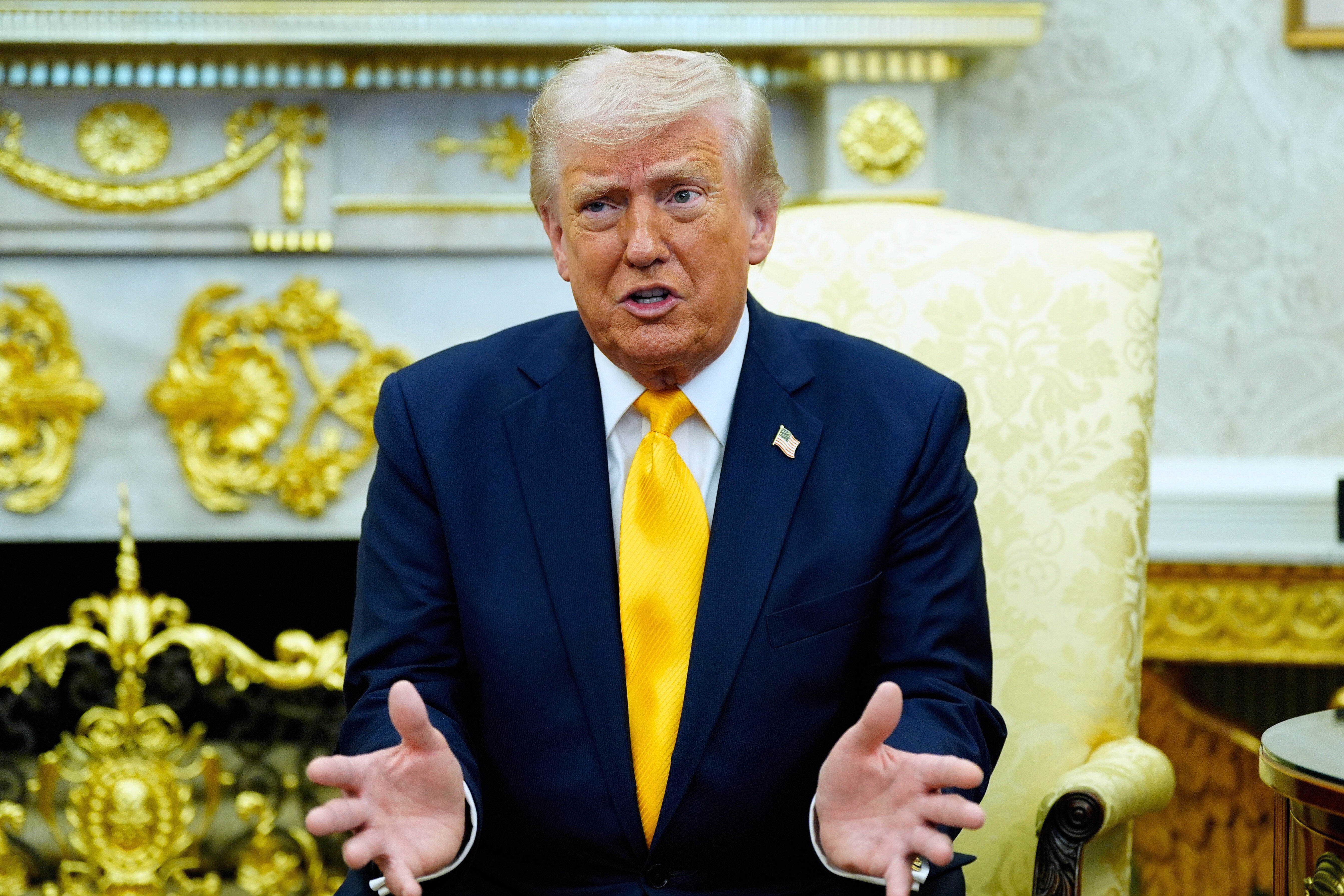
When addressing reporters on Monday morning, Trump suggested that Iran's claims were inaccurate. "Well, they're going to have to get themselves better public relations people," he remarked. "We have had very, very strong talks. We'll see where they lead. We have points, major points of agreement, I would say almost all points of agreement. Perhaps that hasn't been conveyed. The communication, as you know, has been blown to pieces."
The president refrained from disclosing the identity of his administration's contact in Iran, only mentioning it was a "top" official but not the supreme leader. He added, "So they called, I didn't call. They called. They want to make a deal."
Trump also declined to reveal the name of the U.S. interlocutor, stating, "because I don't want him to be killed."
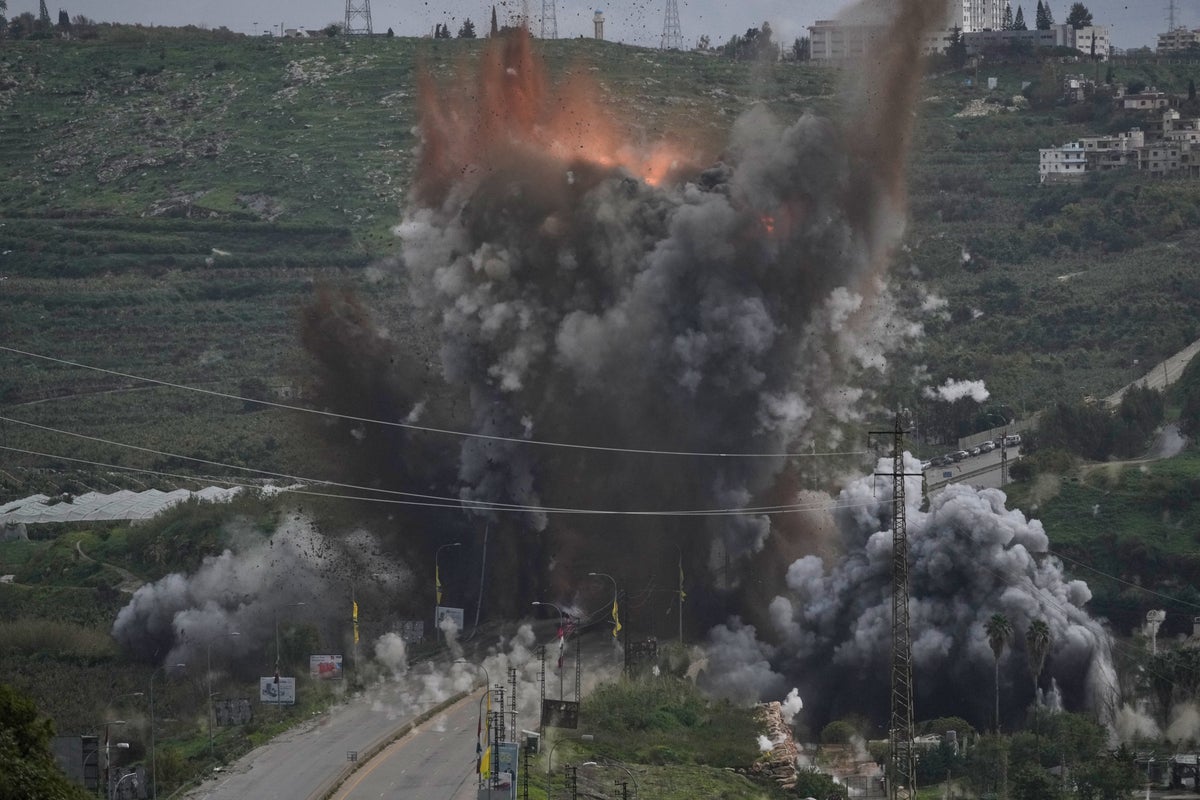
This shift in tone from Trump contrasts sharply with his earlier social media post over the weekend, where he threatened to "hit and obliterate their various POWER PLANTS, STARTING WITH THE BIGGEST ONE FIRST!" if Iran did not reopen the Strait of Hormuz.
Retired Lt. Gen. H.R. McMaster, who served as national security adviser during Trump's first term, commented that the Iranian regime is currently "fragmented" and suggested that the foreign ministry may not be aware of who is communicating with U.S. officials.
"I think we're going to see a lot of this kind of confusing reporting because the Iranians are so fragmented from these strikes," McMaster noted.
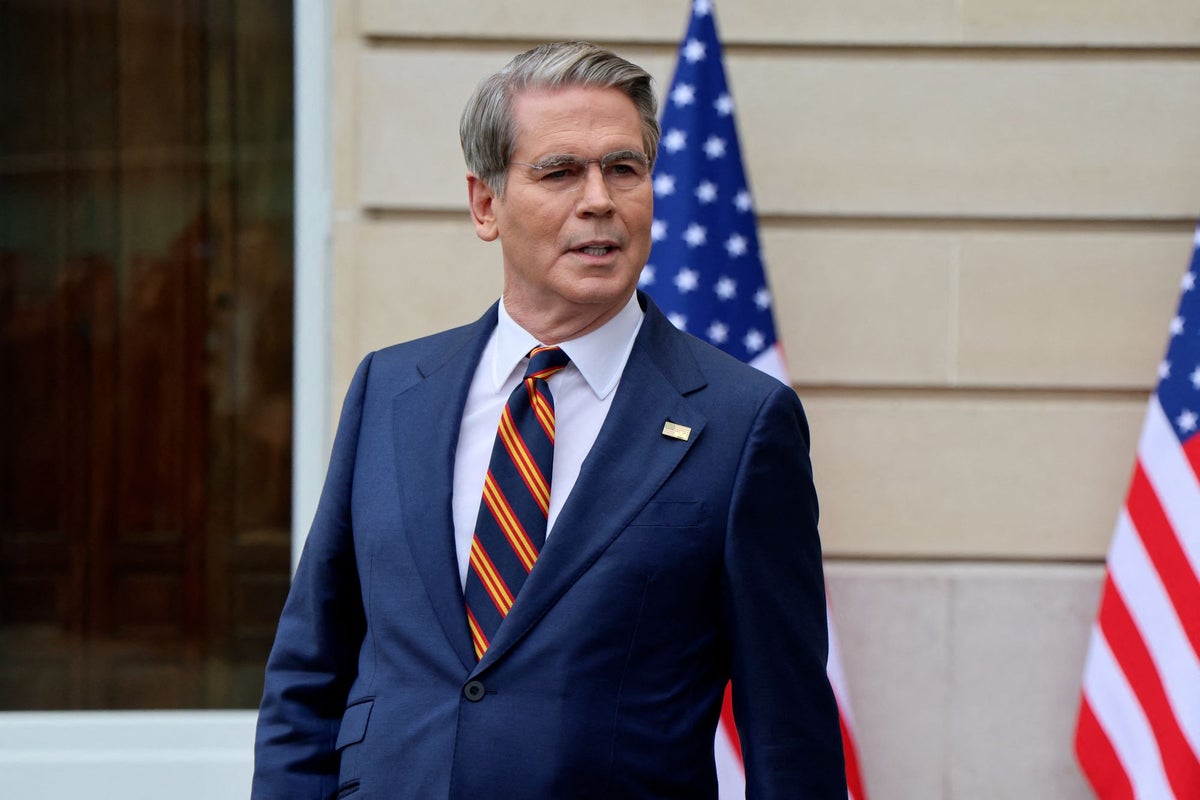
U.S. Ambassador to the U.N., Mike Waltz, indicated on "Face the Nation" that Trump is keeping all options open regarding potential military action. "To the extent we're degrading their military capability and their defense industrial base, all options should be on the table, and the president's made that very clear," Waltz stated.
U.N. Secretary-General António Guterres warned last week that an attack on energy infrastructure by either side could be considered a war crime. In response, Waltz argued that when a regime utilizes critical infrastructure to oppress its own people and threaten its neighbors while violating U.N. sanctions, those targets become legitimate.
The Strait of Hormuz, a vital waterway responsible for 20% of global oil shipments before the onset of conflict, has been effectively closed since hostilities began. Iran threatened over the weekend that it would "completely close" the Strait if Trump followed through on his threats against nuclear power plants.
Following Trump's announcement regarding talks, oil and gas prices experienced a notable decline early Monday morning.