Trump Proposes $1.5 Trillion Defense Budget While Advocating State Tax Hikes for Social Programs
President Trump has made headlines this week, not just for his controversial remarks about social programs but also for his ambitious request for a $1.5 trillion Pentagon budget. This proposal, which would elevate defense spending by approximately 42%, comes at a time when the national debt exceeds $39 trillion and annual deficits approach $2 trillion.
On the heels of stating that the federal government cannot afford to support day care or Medicare due to ongoing military engagements, Trump’s budget request for fiscal year 2027 was unveiled on Friday. The plan includes a significant 10% reduction in non-defense discretionary spending, raising eyebrows among lawmakers.
According to reports, the administration is seeking an additional $500 billion for defense, marking the largest military budget request in decades. The proposal also targets what the White House labels as "woke" or "weaponized" programs for cuts, despite Congress ultimately controlling the final spending decisions.

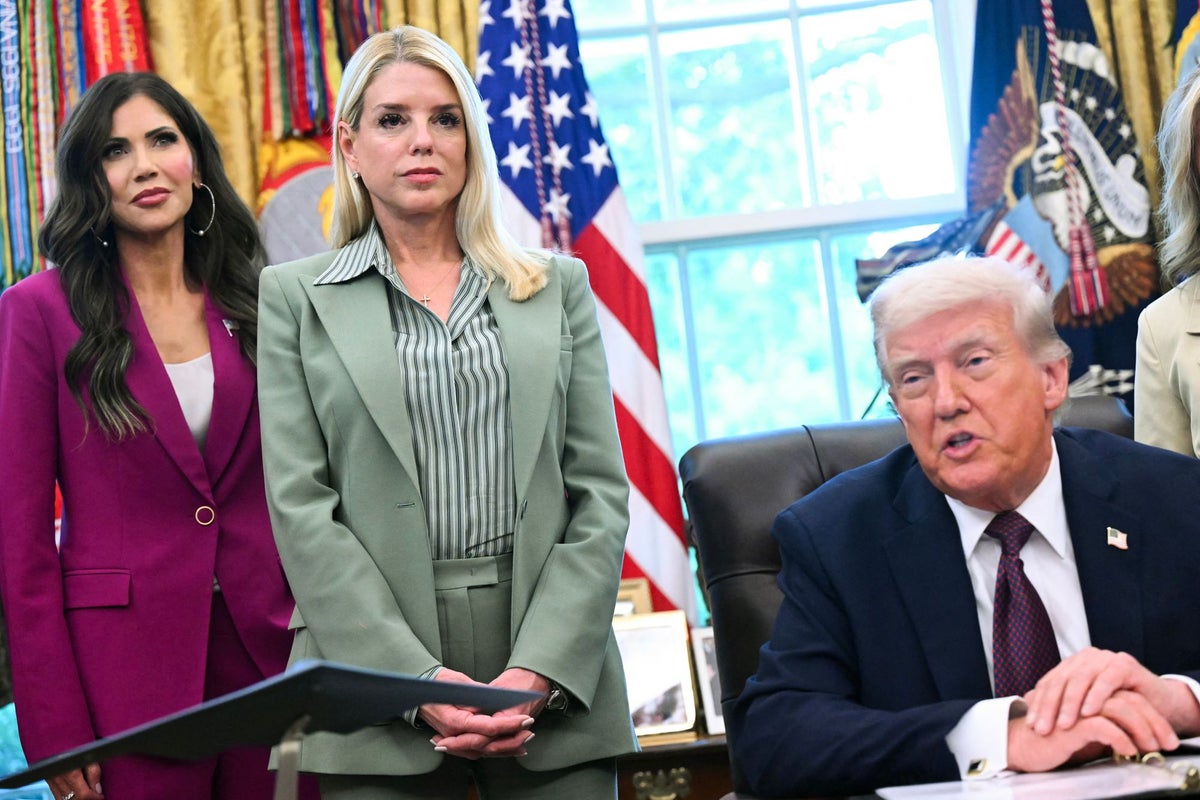
During a recent Easter lunch at the White House, Trump stated, "It's not possible for us to take care of day care, Medicaid, Medicare, all these individual things," emphasizing the need to prioritize military protection. He further suggested that states should increase taxes to fund these essential services for vulnerable populations.
This budget request now lends substantial weight to his earlier comments, intertwining military funding with domestic policy debates. The Pentagon's wishlist includes $185 billion earmarked for Trump's proposed "Golden Dome" missile defense system, alongside funding for F-35 fighter jets and new naval vessels. The administration argues that this military buildup is crucial for competing with China and replenishing munitions used in recent conflicts involving Israel, Iran, and Ukraine.
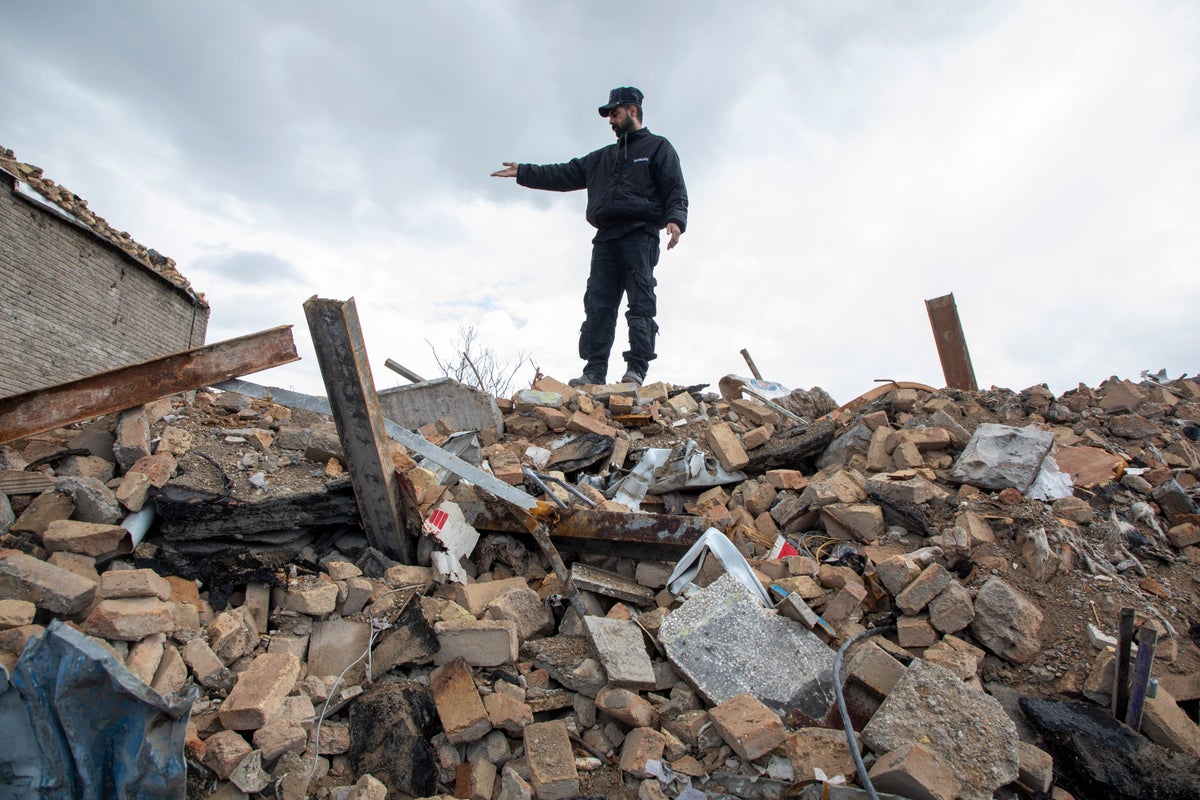
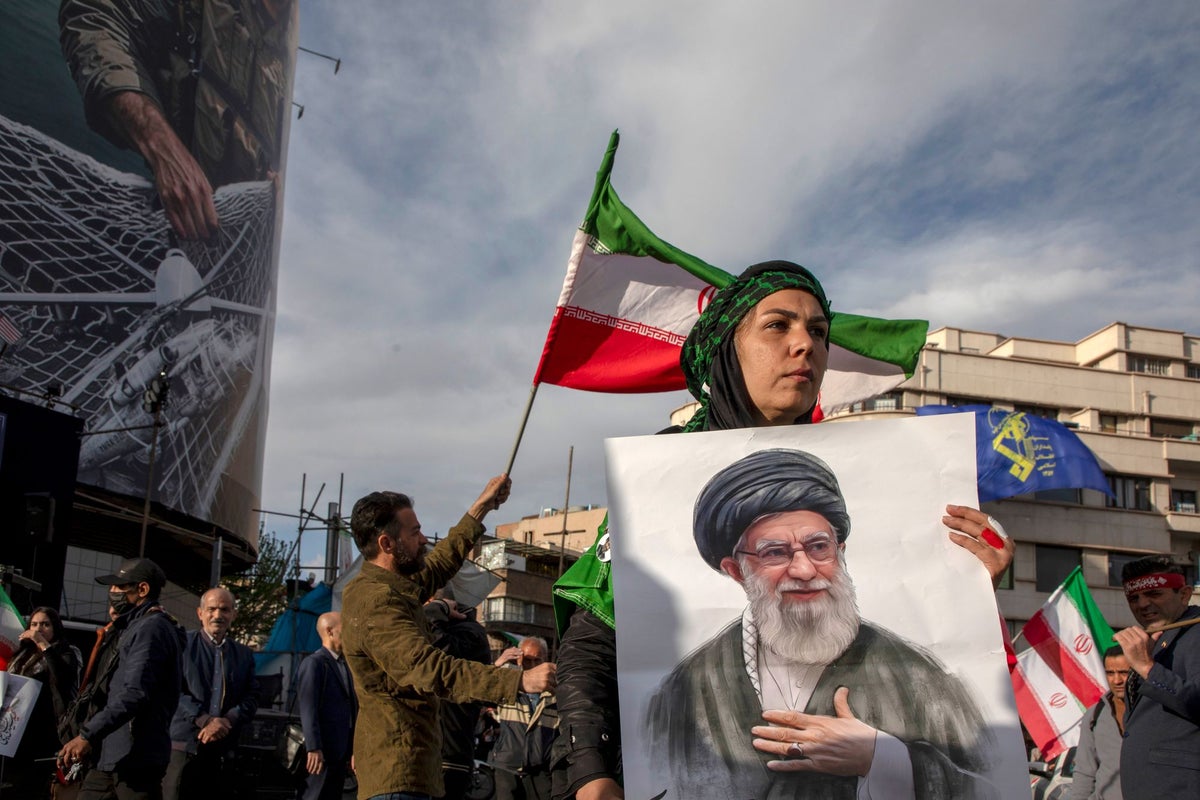
This proposed increase represents the most significant annual rise in defense spending since World War II. However, it arrives against a backdrop of escalating costs associated with the ongoing war in Iran, which has reportedly exceeded $11 billion in just six days. The Pentagon has requested over $200 billion in additional funding related to this conflict, facing skepticism from both Democrats and some Republicans regarding the necessity of such a substantial supplemental request.
As Congress grapples with current-year funding disputes, including contentious negotiations over Homeland Security expenditures, Trump's budget proposal also maintains funding for Immigration and Customs Enforcement and seeks to expand detention facilities. It proposes a 13% increase in Justice Department funding, allocates $481 million for aviation safety and air traffic controller hiring, and sets aside $10 billion for beautification projects in Washington while slashing non-defense discretionary spending by $73 billion.
The implications of this budget request are profound, as it intertwines military priorities with pressing social needs, igniting a political firestorm that will likely dominate discussions in the coming months.
What do you think?
More Like This