Trump's Controversial Fashion Statement: The Surprising Role of His Signature Cap
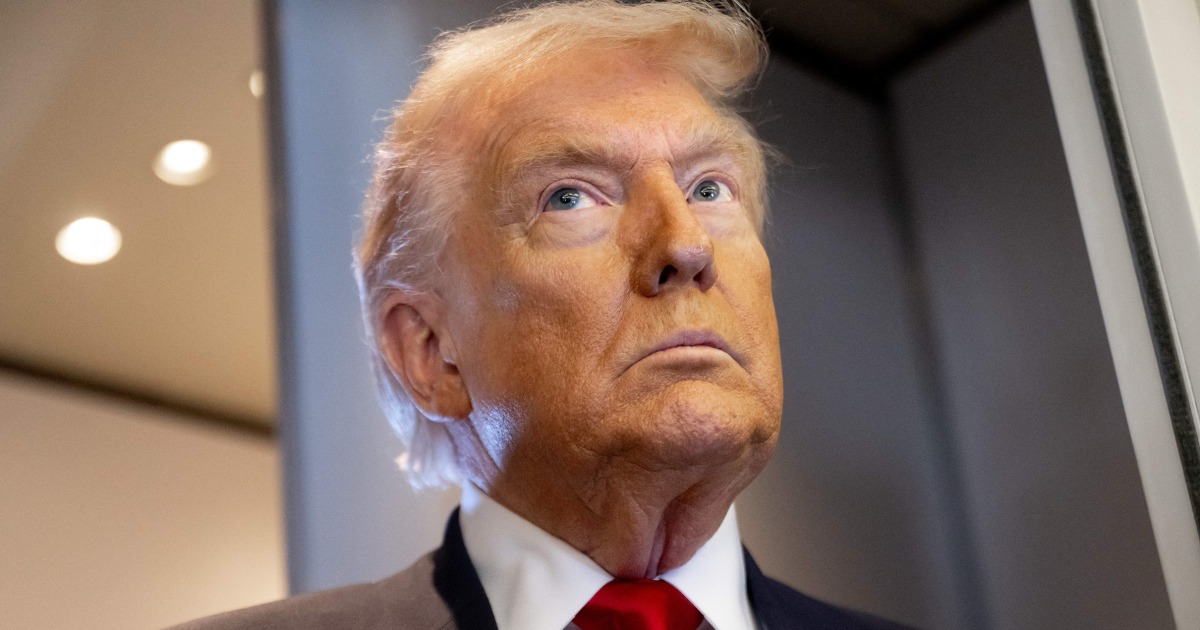
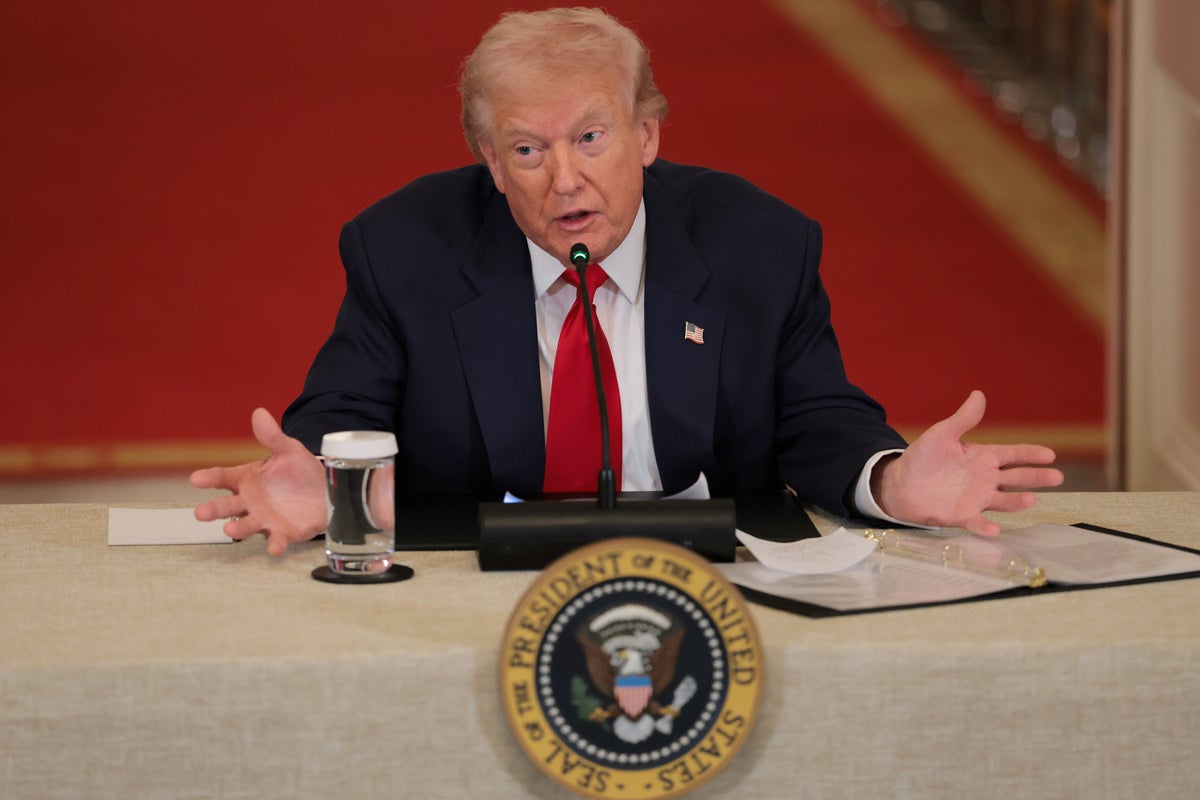
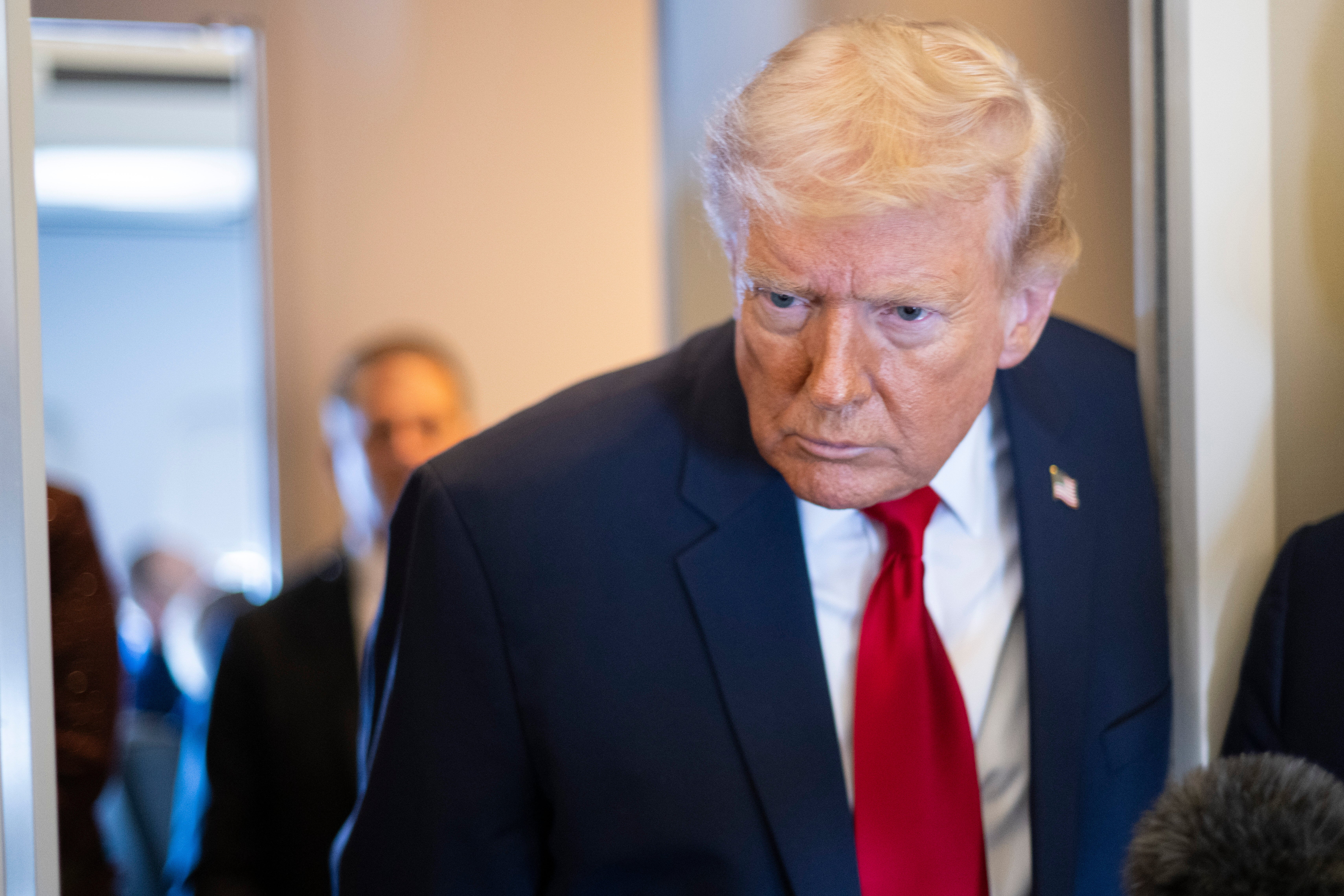
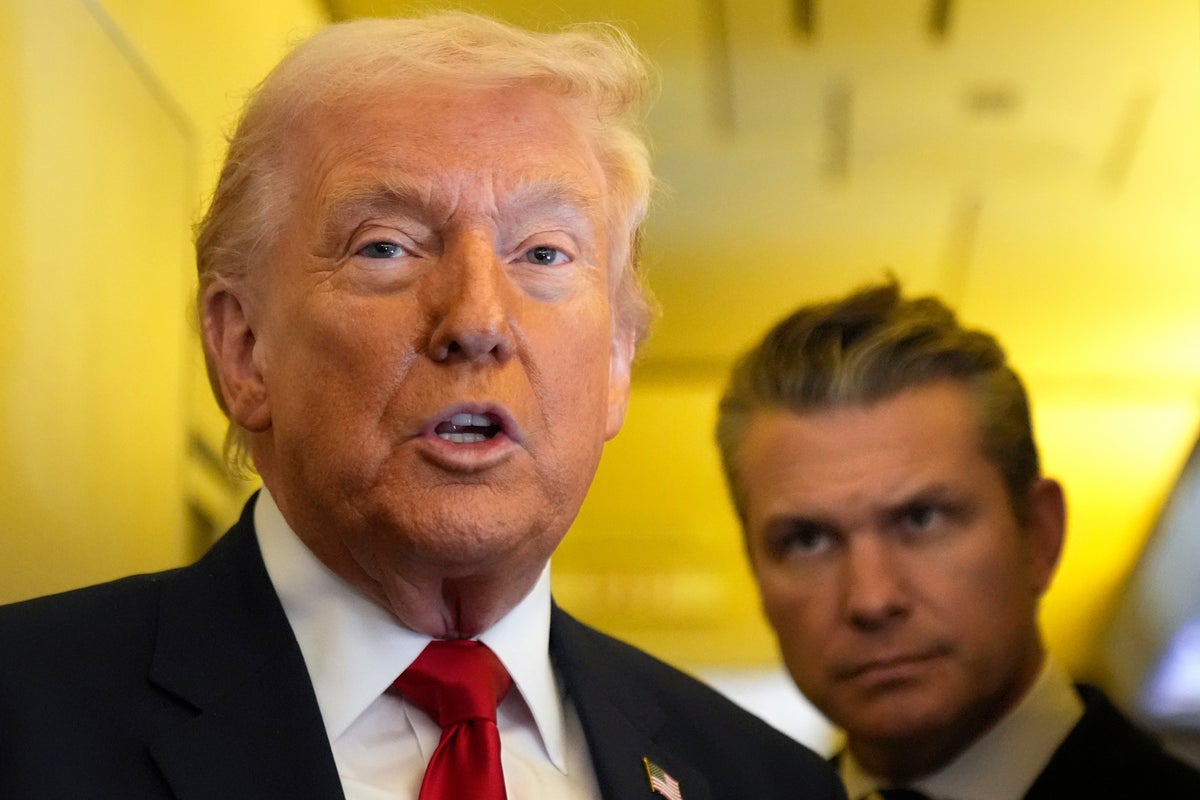
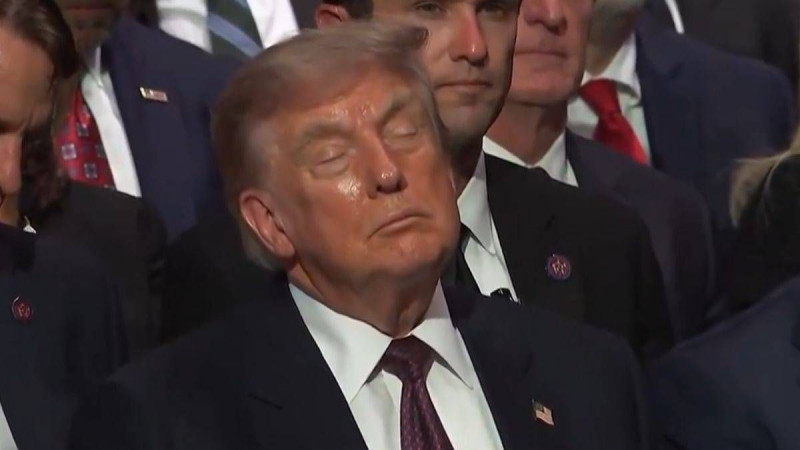
President Donald Trump’s attire is a well-known ensemble: a tailored suit, crisp white shirt, and a bold red tie. This uniform, while instantly recognizable, often features an unexpected accessory: a baseball cap.
By 2026, the “MAGA hat” has evolved into a symbol of its own, frequently spotted during significant moments, including military announcements and public addresses. Yet, the reasons behind Trump’s frequent choice of this accessory are layered and complex.

Experts in fashion and political communication suggest that the cap serves as a tool for Trump to connect with his audience. “His typical look is designed to project success and authority,” notes a body language expert. “But the hat introduces an element that disrupts this polished image.”
While the blue suit and red tie create a silhouette associated with power and patriotism, the addition of the cap alters the message. “Hats can create a sense of protection,” explains a celebrity stylist, emphasizing how they can influence perception in high-stakes environments like political rallies.
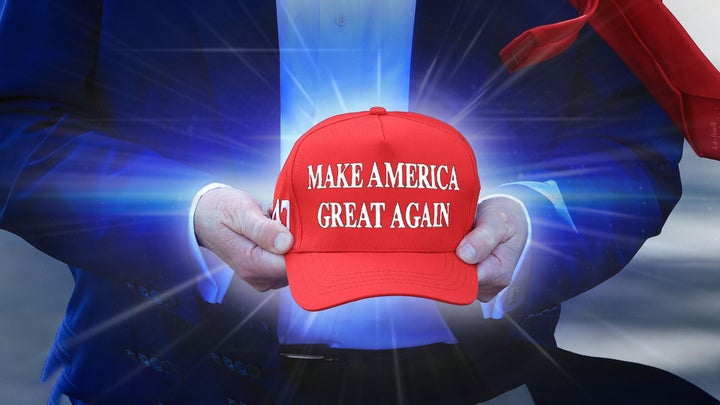
Trump’s choice of headwear varies, yet he is most often linked to that iconic red cap. “The bright color is deliberately eye-catching, conveying energy and urgency,” the stylist adds. This choice may reflect Trump’s desire to resonate with a demographic that feels disconnected from elite circles.
“When he was campaigning, it was crucial for him to appear relatable,” the body language expert elaborates. “The baseball cap symbolizes an attempt to bridge that gap.” This accessory becomes part of his broader narrative, blending formal and casual elements to create a dual identity.
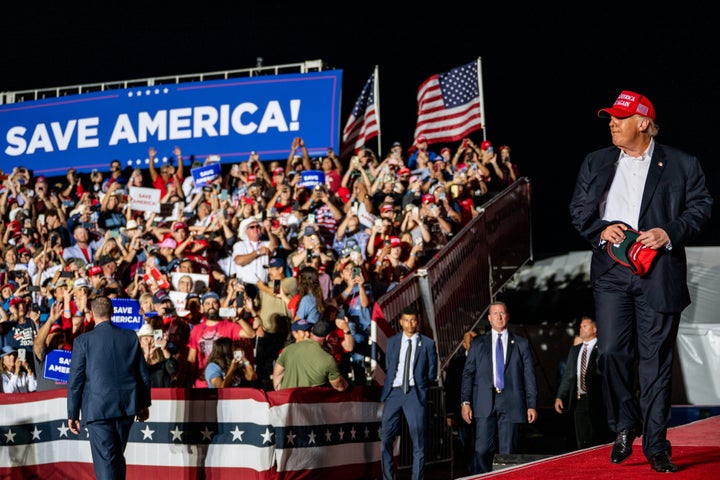
“Mixing styles has become common in modern fashion,” the stylist continues. “A baseball cap worn with a suit juxtaposes authority with approachability.” This combination can signal confidence and a break from traditional dress codes.
When adorned with slogans like “Make America Great Again,” the cap transforms into a form of non-verbal communication, acting as a wearable headline that immediately conveys affiliation. However, Trump is not the first political figure to blend casual and formal styles.
Historical examples exist, such as John F. Kennedy Jr., who occasionally wore caps in informal settings, projecting relaxed confidence rather than political messaging. In contrast, former U.K. Conservative Party leader William Hague faced ridicule for wearing a cap in a formal context, highlighting how audience expectations shape interpretations of style.
The context of these fashion choices is crucial; while casual wear can signal ease in informal settings, it may undermine authority in leadership roles. “The baseball cap originates from youth culture, while suits represent professionalism,” the stylist explains. “Combining them can create visual contradictions.”
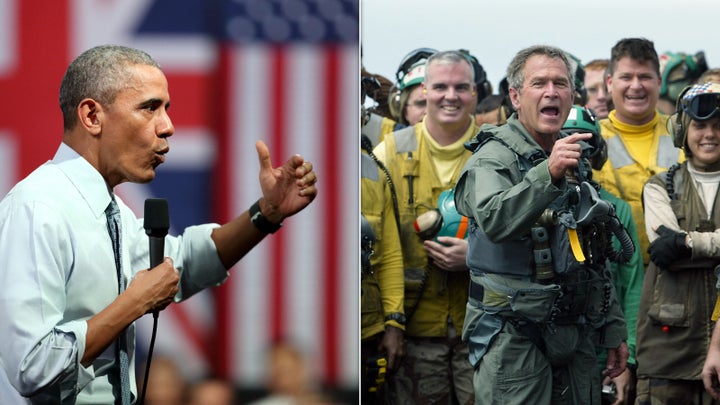
Political leaders often face scrutiny over their sartorial choices during crises. From George W. Bush’s controversial flight suit to Barack Obama’s rolled-up sleeves, these moments can either reinforce competence or appear out of touch. In some cases, such as military ceremonies, inappropriate attire can be seen as disrespectful.
Trump’s use of the cap during significant announcements has been described as mismatched, suggesting an attempt to align with a demographic he does not genuinely represent. “It feels like he’s trying to fit in,” the body language expert observes. “But it doesn’t align with his overall image.”
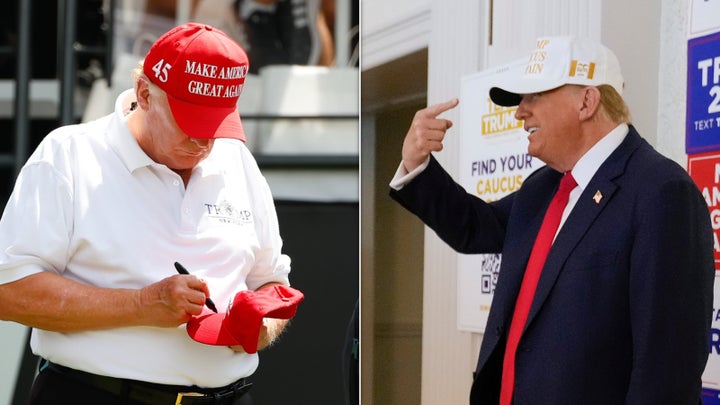
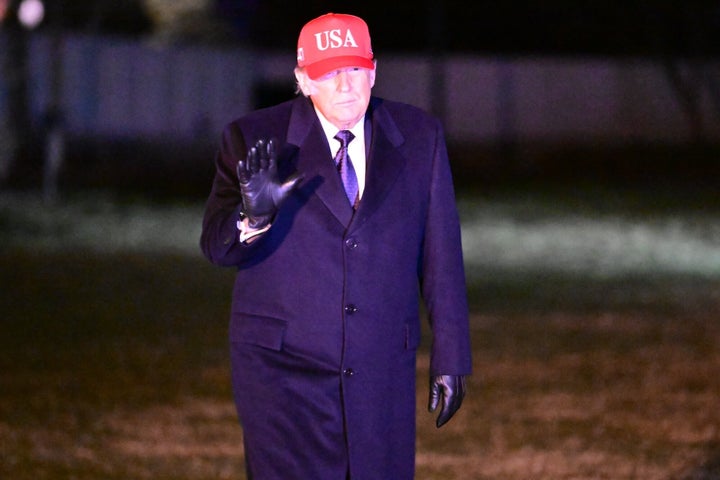
This dissonance can be palpable; the way Trump wears the hat often appears more like a prop than an authentic accessory. “He never fully dons it when in a suit,” the expert points out. “It’s always perched on his head, likely to avoid messing up his hair.”
However, at rallies, the hat takes on a different significance. “His supporters wear similar caps, creating a sense of unity,” the expert concludes. “It reinforces their connection to him and their shared identity.”
Ultimately, Trump’s choice of headwear reflects a complex interplay between image management and audience engagement, revealing how fashion can serve as both a personal statement and a political tool.