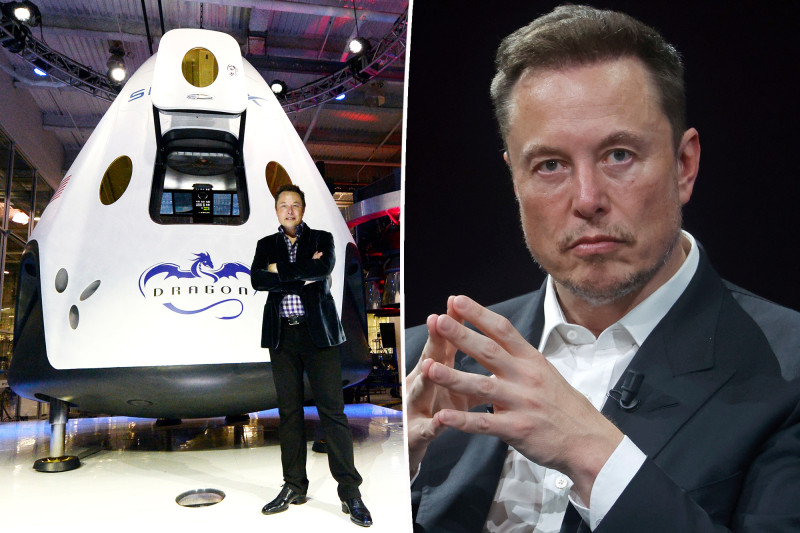



The Trump administration is stepping in to protect Elon Musk's xAI from a civil rights lawsuit alleging illegal operation of natural gas turbines for a $20 billion AI data center in Mississippi.
The NAACP and other organizations claim that xAI failed to secure necessary permits for its power plant, which is dangerously close to homes, schools, and churches, posing health risks to families in North Mississippi and Memphis while violating the federal Clean Air Act.
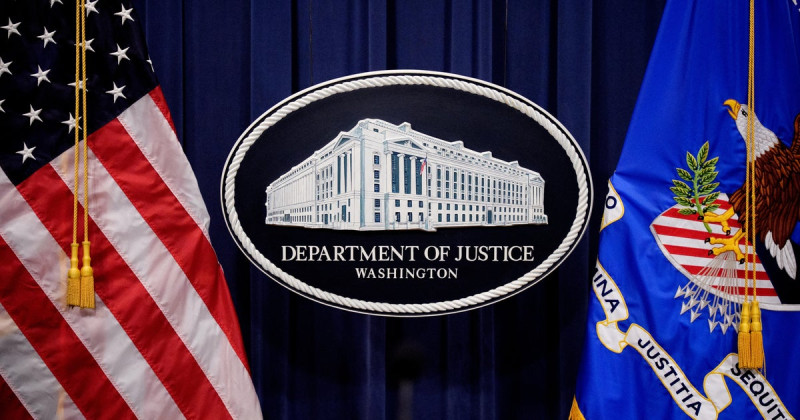
In a motion filed late Monday, the Justice Department sought to dismiss the lawsuit, asserting that the plant is essential for powering an AI data center deemed “critical to the economy” and the U.S. military.
The Justice Department emphasized that the state of Mississippi, not the federal government, is responsible for permitting the power plant and determined that no permit was necessary.
Associate Attorney General Stanley Woodward stated, “Ultimate responsibility for enforcing federal law belongs to the Executive Branch, not private interest groups.” He claimed the intervention aims to safeguard national security and foster American energy and innovation.
The Trump administration has prioritized AI as a key national and economic security issue while dismantling climate change policies and environmental regulations.
President Donald Trump has maintained close ties with Musk, who led a federal cost-saving initiative known as the Department of Government Efficiency, or DOGE. Musk recently became the world’s first trillionaire when SpaceX went public, having financed Trump’s presidential campaign more than any other donor.
The Justice Department's action follows SpaceX's record-breaking initial stock offering, bolstered by billions in federal contracts facilitated by the Trump administration. SpaceX's valuation exceeds $2 trillion, surpassing major corporations like Exxon Mobil, Bank of America, and Coca-Cola combined.
The NAACP's lawsuit, filed in April, accuses xAI of operating numerous portable natural gas turbines without proper emissions controls or required permits under the Clean Air Act.
The Environmental Protection Agency has referred inquiries about the case to the Justice Department, stating it is not involved in the dispute.
Critics argue that the Justice Department's actions are not about national security but rather a “desperate attempt to protect wealthy tech companies from obeying pollution laws.” Laura Thoms, director of enforcement for Earthjustice, representing the NAACP and Southern Environmental Law Center, condemned the move.
Thoms stated, “Trump’s Justice Department wants to shield Elon Musk’s data center company, xAI, from being held accountable for its illegal pollution.”
She added that AI data centers are transforming communities into “sacrifice zones.”
Abre’ Conner, NAACP's director of environmental and climate justice, asserted that the Clean Air Act was designed to hold polluters accountable. “This should not be up for debate,” she said, vowing to oppose federal overreach.
The NAACP filed the complaint under a provision of the Clean Air Act allowing citizen suits to enforce compliance—an authority the Trump administration now seeks to undermine.
Ann Carlson, a professor at UCLA School of Law, criticized the Justice Department's stance as audacious, claiming it asserts power to dismiss lawsuits on any grounds.
Mississippi Governor Tate Reeves defended xAI's construction of a “self-generating power facility,” claiming it protects residents from rising energy costs and aligns with Trump's Ratepayer Protection Pledge. Tech giants including xAI signed this pledge amid growing concerns over data centers' impact on electricity prices and environmental issues.
Reeves stated that the NAACP lawsuit threatens to “materially slow or outright stop the largest private investment in Mississippi's history,” highlighting job creation from the project.
The Justice Department noted that various federal agencies utilize AI technology.
It warned that excessive regulation and private lawsuits could jeopardize technological advancement, energy independence, and national security.
SpaceX has not commented on this matter but previously asserted compliance with legal standards and commitment to environmental responsibilities.