


Elon Musk has crossed into the realm of the four comma club, now boasting a staggering net worth of $1.1 trillion.
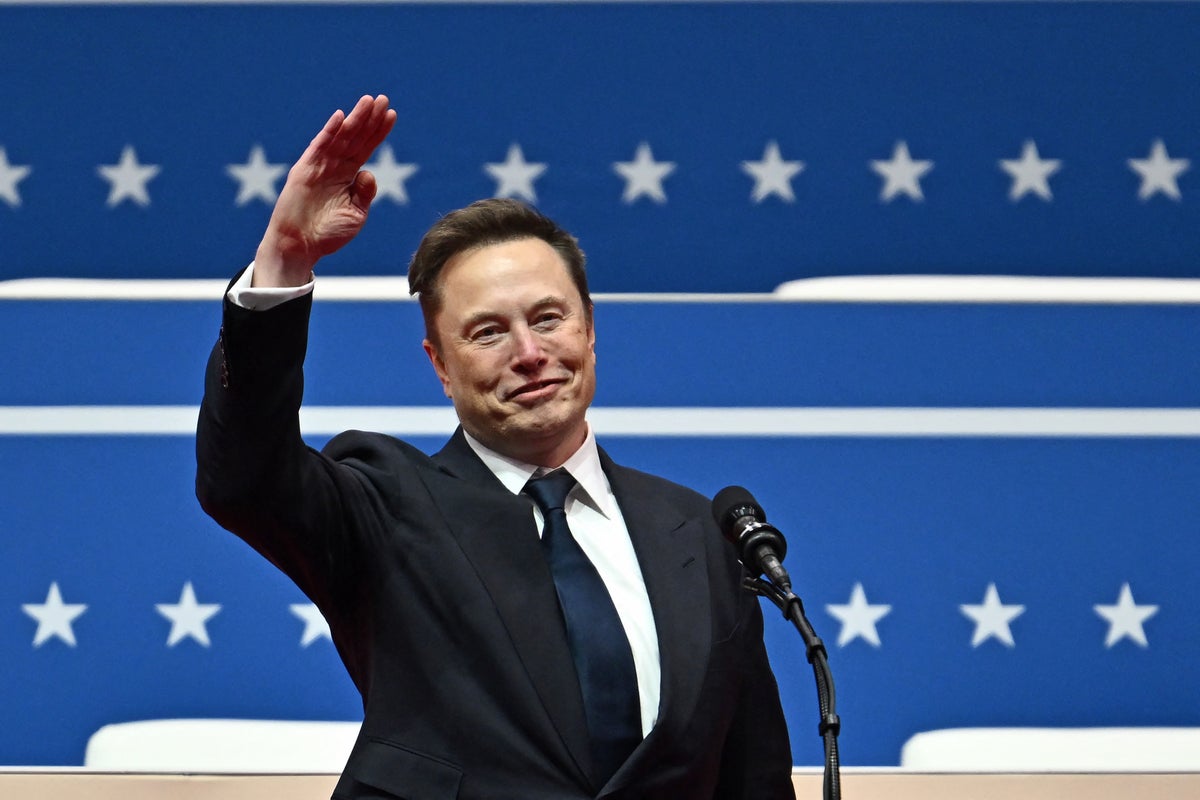
This unprecedented wealth comes as Musk, who once gave an apparent Nazi salute, slashed through U.S. federal agencies, including one that provided food aid to needy children for decades.
His rocket company, SpaceX, made its trading debut recently, pushing its valuation to approximately $2.21 trillion, placing it alongside tech giants like Amazon, Apple, and Alphabet.
Musk's fortune primarily stems from his stock holdings in various companies, including Tesla, marking the first time any individual has amassed such a colossal sum.
But what does $1 trillion even mean? It’s a figure that dwarfs most people's comprehension. The concept of a billion is already hard to grasp; a trillion is a thousand times that.

Journalists have attempted to illustrate this staggering number. A recent feature highlighted how most people grossly underestimate the enormity of Musk's wealth.
To put it in perspective, consider time: one million seconds equals about 12 days. One billion seconds takes us back to 1994. One trillion seconds? That dates back to around 32,000 years ago during the Ice Age when early humans were painting on cave walls.
Alternatively, think in terms of area: one million square inches is roughly one-and-a-half professional basketball courts. One billion square inches equates to about 120 football fields. One trillion square inches? That’s larger than the entire city of Chicago.
For another comparison, one million pounds weighs about 7,350 people—enough to fill a small stadium. One billion pounds equals 7.4 million people, comparable to the population of the Houston metro area. One trillion pounds? That’s more than the combined weight of every human on Earth, based on an average weight of 136 pounds per person.
The emergence of the first trillionaire raises serious questions about wealth distribution in a society grappling with deep-rooted inequality. This milestone could ignite movements demanding that the ultra-wealthy contribute their so-called “fair share.”