
Trump's Latest Attack on Fox News Host Jessica Tarlov Exposes Deeper Issues
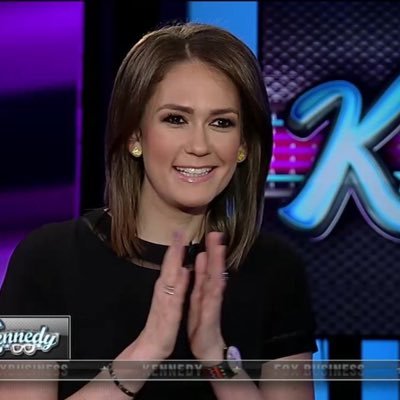
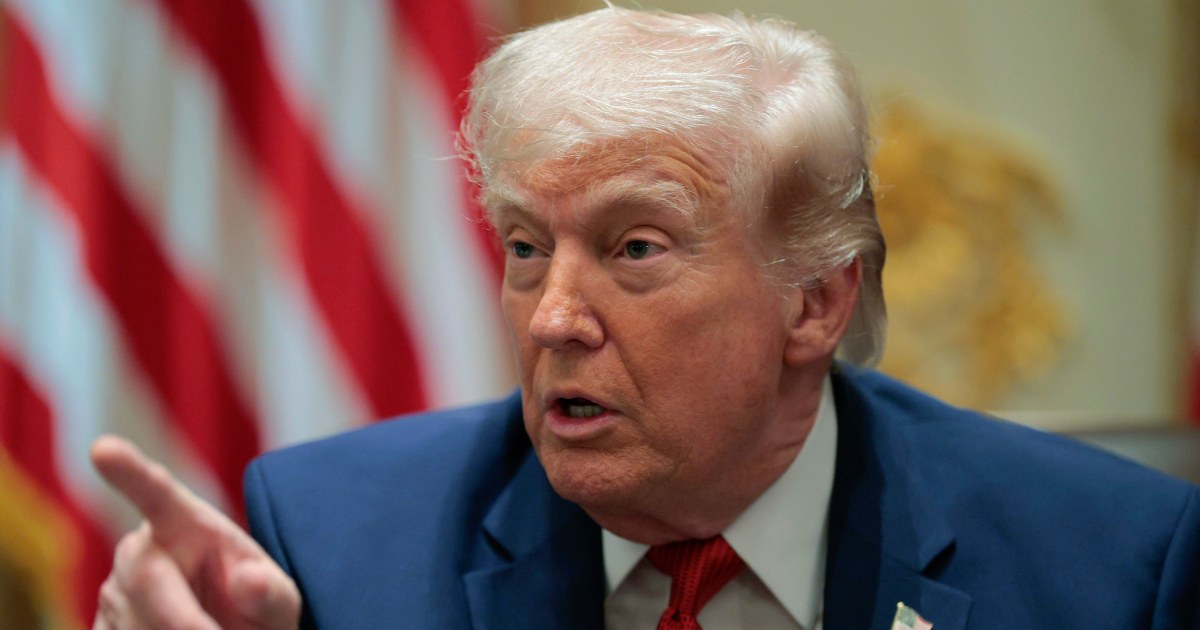
During a phone call to “The Five” on Thursday, President Donald Trump took aim at Fox News host Jessica Tarlov, underscoring his ongoing animosity toward media figures who dare to challenge him. This incident raises significant concerns about the relationship between political figures and the press.
As the conversation unfolded, host Jesse Watters expressed a desire for Trump to appear in the studio alongside Tarlov, who was absent that day. “I think you’d be a good influence on her,” Watters remarked, setting the stage for Trump's response.
Trump wasted no time in dismissing Tarlov, stating he wasn’t “a fan” and accusing her of manipulating polling data. “She’ll give, ‘Well, he’s only polling 42%.’ That’s not right. [I’m] polling very high actually,” he asserted, attempting to bolster his image amidst declining approval ratings.
“I’m sure I’d like her, I’m sure she’s a lovely person ... she’s just not for me,” he added, further distancing himself from her views. The president reiterated his sentiments later in the segment, expressing relief that Tarlov was not present. “I think your show would be better without her, but who am I to say that?” he quipped, eliciting laughter from his co-hosts.
Recent polls indicate that a majority of Americans are dissatisfied with Trump’s performance. A survey from Nate Silver’s Silver Bulletin revealed that 56% of respondents disapprove of his leadership, while only 40% express approval. A Fox News poll released Thursday echoed these findings, placing Trump’s job approval at 41%.
Tarlov responded to Trump’s remarks with her own jab on social media, stating, “Was so bummed to miss the show today! But I definitely would’ve said he’s even inflating his numbers to 42%!”
This isn’t the first time Trump has targeted Tarlov; last June, he labeled her a “failed TV personality” on his Truth Social platform, criticizing her for highlighting unfavorable polling data. He followed up with comments branding her a “real loser.”
The Trump administration has a documented history of attacking journalists and those who critique its policies. Vice President JD Vance recently described the press as one of the “least trusted institutions” in America, suggesting that journalists who appear angry are “fake.”
“I’m not saying you have to agree with everything that me or President Trump do, but nobody is angry all the time,” Vance stated during an interview with a right-wing commentator.
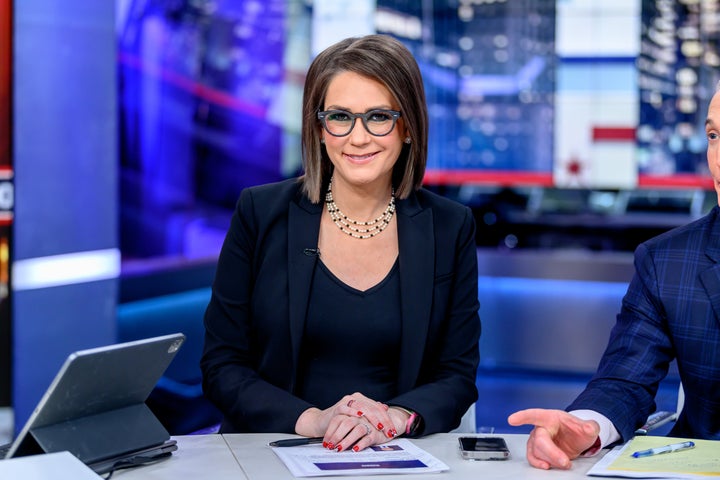
Heather Hendershot, a historian and communications professor at Northwestern University, articulated what she sees as the administration's core issue with the press: a lack of confidence in its own authoritarian objectives. “The real problem...is a lack of confidence not in news, but in the White House’s authoritarian objectives,” she noted.
Hendershot emphasized that in a healthy democracy, journalists play a crucial watchdog role, holding those in power accountable. “This might mean revealing cover-ups, ferreting out injustices, or simply holding those in power accountable,” she explained.
Trump's history of disparaging female journalists is well-documented. In November, he referred to New York Times reporter Katie Rogers as “ugly,” and in December, he called CNN correspondent Kaitlan Collins “stupid and nasty.”
Alexandra Cromer, a licensed counselor, observed that Trump appears particularly frustrated when challenged by women. “This is rooted in misogynistic thinking and posits that women are ‘less than’ not just him, but men in general,” she stated.
Kari J. Winter, an American studies professor at the University at Buffalo, echoed these sentiments, suggesting that Trump harbors contempt for women akin to his disdain for marginalized groups. She warned that normalizing such behavior could lead to broader societal consequences for women.
“If the president’s behavior is not challenged and continues to be normalized, we could see women lose rights, respect, and we can even predict a potential increase in violence toward women as a whole,” Winter cautioned.