Trump's Midnight Musings: Experts Weigh In on His Late-Night Posting Frenzy
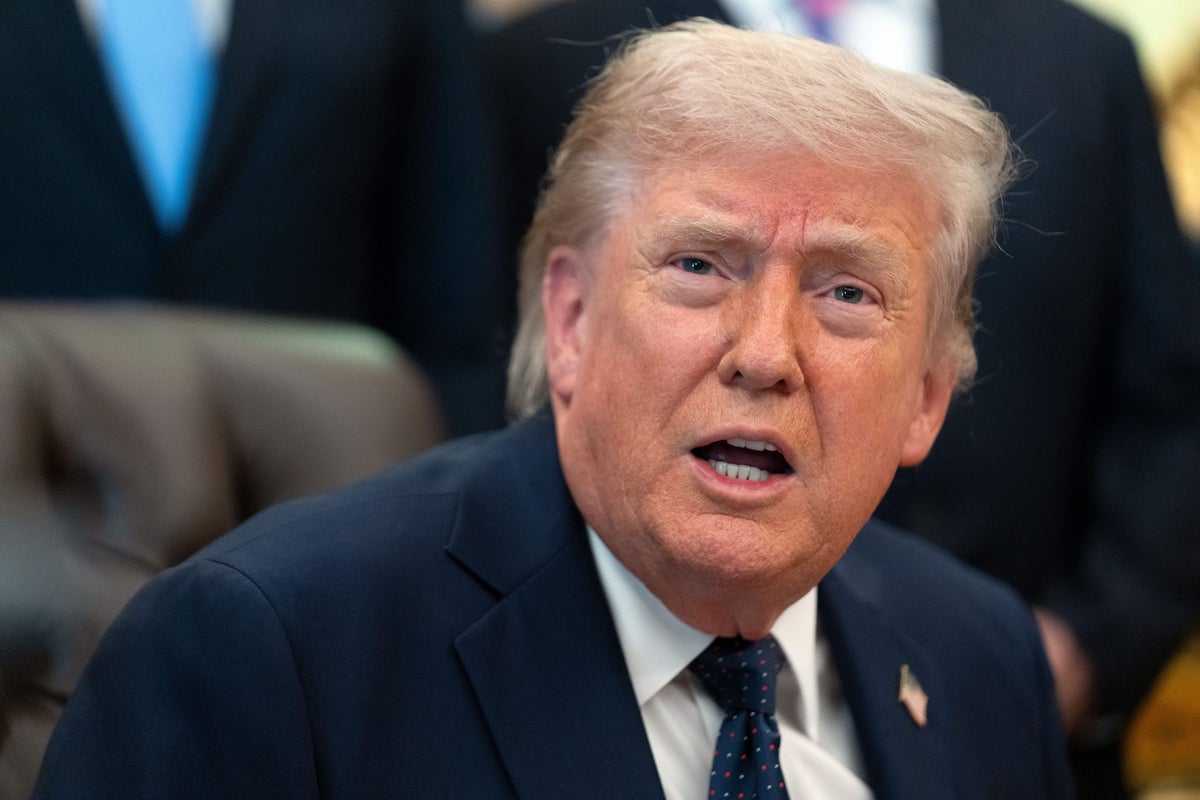
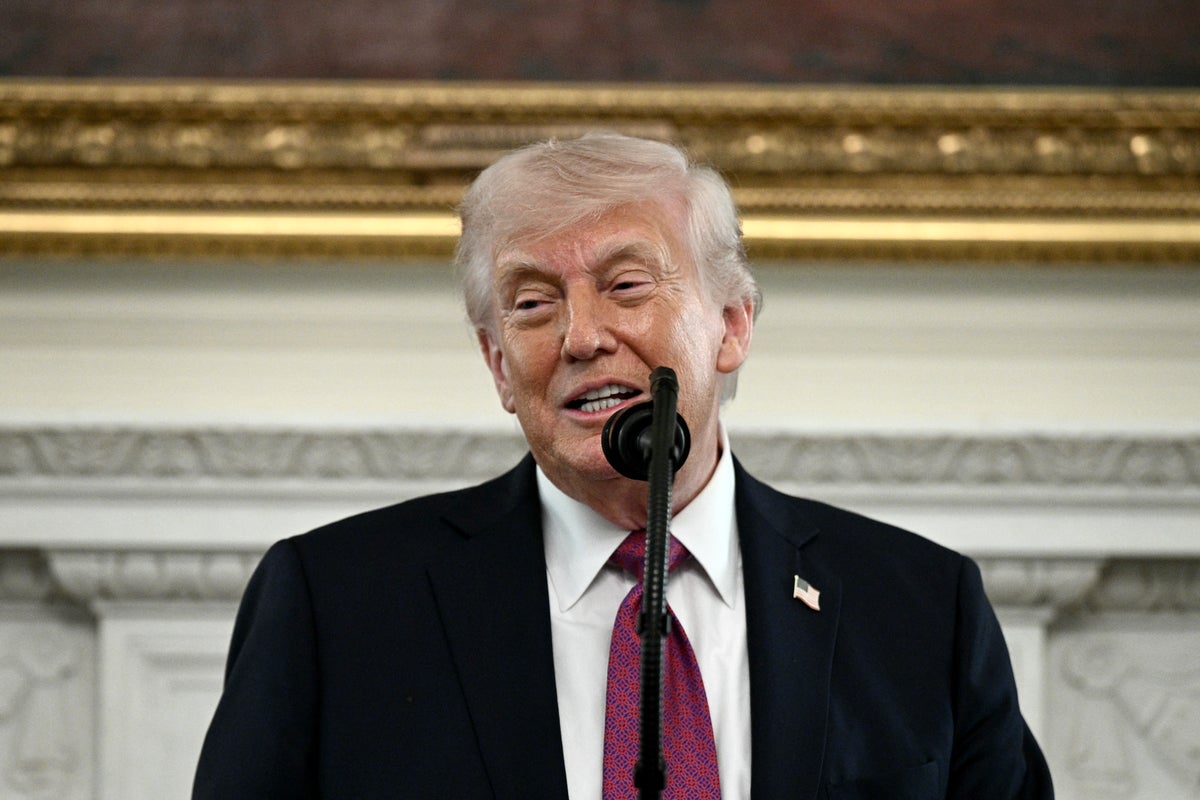
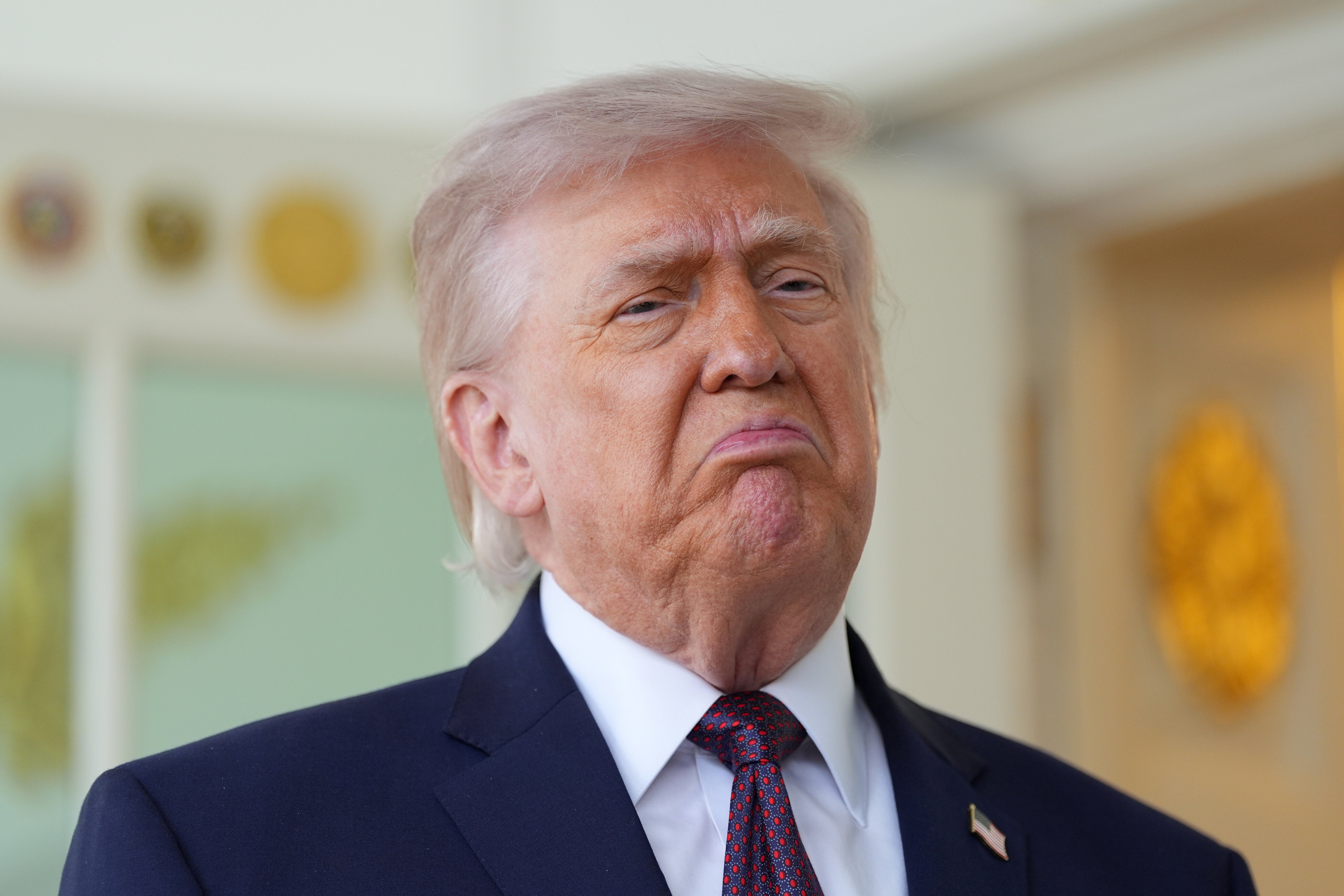
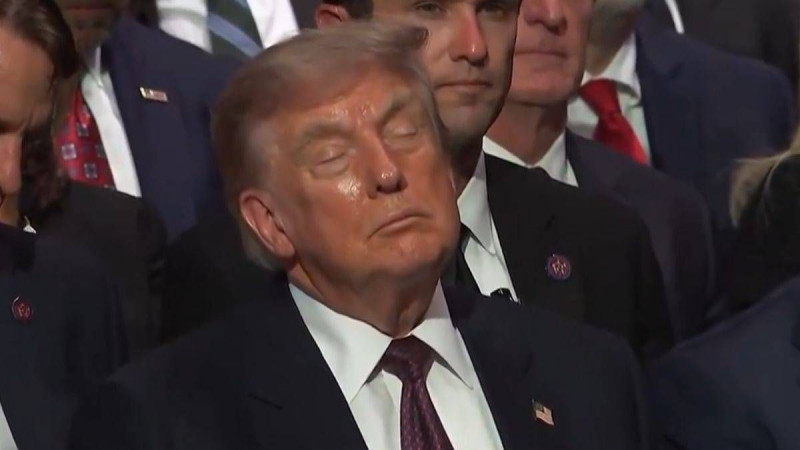
Between Thursday evening and Friday morning, President Donald Trump unleashed a torrent of 24 posts on Truth Social. Known for his affinity for the platform, his overnight activity might suggest more than mere enthusiasm.
“From a secure marketing perspective, he is getting the desired attention that he constantly craves,” noted Greg Kushnick, a psychologist specializing in cognitive behavioral therapy. His insights stem from psychological studies on social media behavior rather than a direct diagnosis of Trump.
“Doing it at night and having people wake up in the morning to hear about his messages — he’s basically controlling the news cycle,” Kushnick elaborated. “If it didn’t get the attention, he probably wouldn’t do it as much.”
Trump's Thursday night posts included calls for Senate Minority Leader Chuck Schumer to resign, accusations of treason against former President Barack Obama and former Secretary of State Hillary Clinton, and an update on his campaign against birthright citizenship.
This pattern isn’t new; Trump has long credited social media with his 2016 election success, claiming it allowed him to communicate directly with voters.
“Initially, Trump used social media in an innovative way to achieve his goals, and he did so with great success,” said Michael Genovese, a political science professor. “He compelled everyone else to report on his tweets and posts, showcasing how to effectively use new media.”
However, Genovese argues that the nature of Trump's messages has shifted over time, leading to increased voter concern.
View this post on Instagram
“In the beginning, he was colorful and creative,” Genovese remarked. “Now, it’s a little bit scary and threatening a civilization.”
Truth Social serves as an “echo chamber” for Trump, according to psychotherapist Manahil Riaz. This platform reinforces his worldview, with 6 million monthly active users in 2024 compared to X’s 557 million and Facebook’s 3 billion.
For Trump, this environment guarantees reactions that align with his expectations, Kushnick explained. While he typically posts more during the day, data shows he made over 300 posts at midnight between January 2025 and January 2026.
White House press secretary Karoline Leavitt recently highlighted Trump’s nocturnal habits, stating he sleeps very little—around four hours a night—making it challenging for her to keep pace.
In 2018, Dr. Ronny Jackson, the White House physician, confirmed Trump’s limited sleep schedule. Kushnick theorizes that these late-night hours allow Trump to post without external influence.
“It’s a way to assert authority,” Kushnick said. “He is going to do it on his own without the influence of others.”
Kushnick describes this behavior as “pathological certainty,” where a person’s beliefs go unchallenged due to isolation. Psychological studies indicate that late-night thoughts can amplify emotions and impair decision-making.
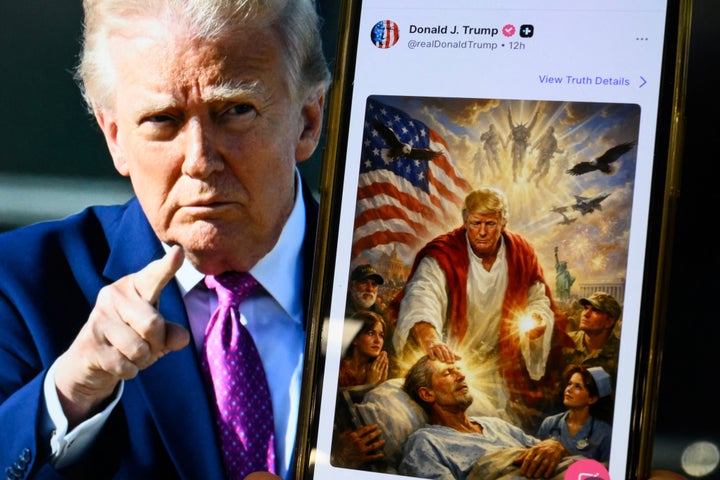
As of now, Trump has posted nearly 7,000 times on Truth Social in the past year, with 590 posts in April alone. Frequent social media engagement can lead to a sense of validation, though Kushnick warns it’s often “pseudo-validation.”
The “Slot Machine Effect” explains how users seek engagement without knowing when they will receive likes or comments, creating dopamine spikes that encourage continued posting.
“I’m sure there is that reinforcement where he gets to see the reactions it gets, and he keeps doing it because it feels good,” Kushnick added.
With poll numbers declining, Genovese suggests Trump may be experiencing heightened frustration, which could explain his more aggressive online presence.
“We see him with seemingly no filters, no control, can’t stay focused,” Genovese observed. Historical parallels exist; during the Watergate scandal, aides managed Nixon’s public frustrations while allowing him to vent privately.
Reactions on social media seem to influence Trump more than he influences them. “The world is not responding to him the way he wants,” Genovese concluded. Yet as long as his posts garner attention, experts believe this behavior is unlikely to change.