
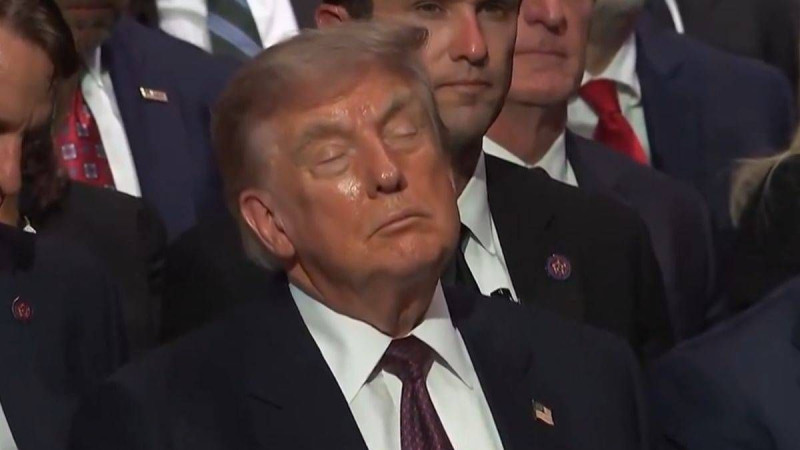

Trump's Wild Claims: Election Fraud, Foreign Interference, and a Call for Voter ID
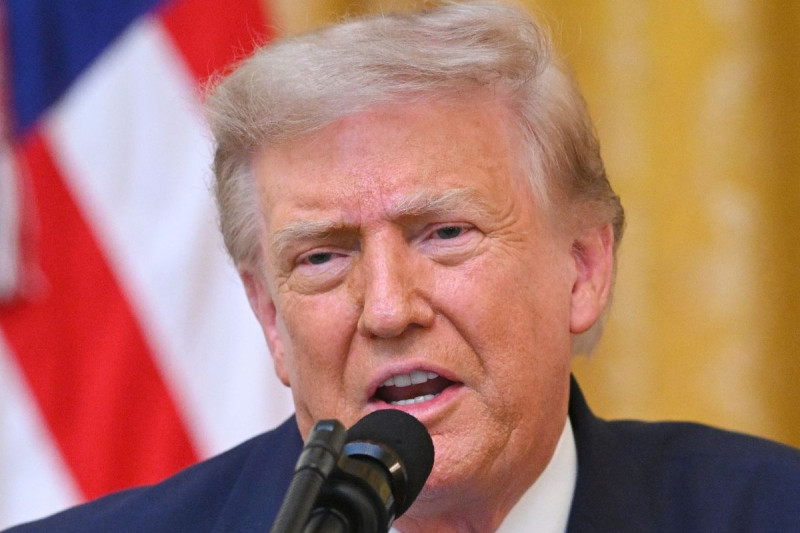
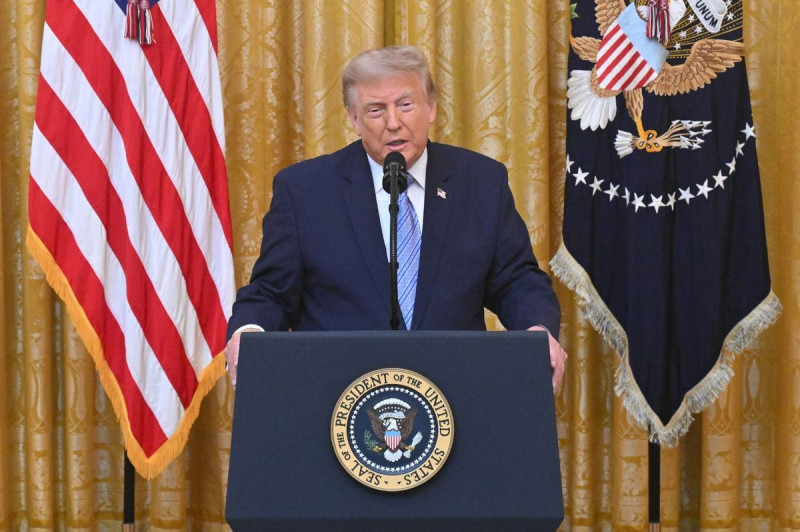
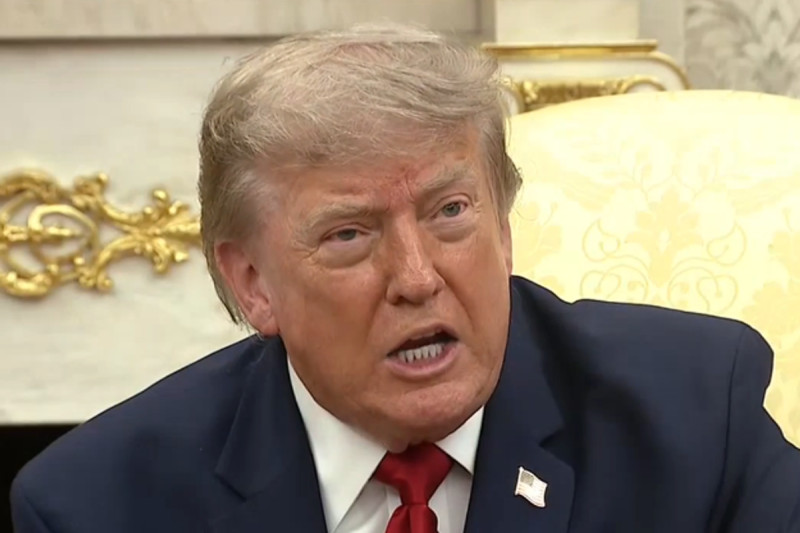
In a prime-time address, President Donald Trump unleashed a barrage of accusations, claiming a vast conspiracy of election interference involving China and the U.S. "deep state." He demanded tougher election security measures, stricter voter registration standards, and a renewed investigation into the 2020 presidential election.
Trump asserted that China executed "what is believed to be the largest compromise of election data in history," alleging that they obtained 220 million U.S. voter files containing sensitive information.
"These disclosures reveal an election system so broken and so vulnerable that no one can possibly defend it. It is not defensible," Trump declared during his speech.
This address coincides with some Republicans advocating for changes to federal voting laws ahead of the 2026 midterm elections.
Claims that the 2020 U.S. presidential election was "stolen" or "rigged" have been thoroughly investigated and consistently found to lack credible evidence. Numerous lawsuits challenging the election's outcome were dismissed in state and federal courts, including those presided over by judges appointed by both Republican and Democratic presidents. These cases failed to present evidence of fraud on a scale that could have altered the election's outcome.
Democratic Senator Mark Warner commented ahead of Trump's speech, stating, "I think Trump realizes if we have a free and fair election this year, he's going to get whooped."
Republican Senator Tommy Tuberville claimed that "the screws" were put on Trump during the 2020 election, asserting that "we probably have four or five senators that didn't legally win."
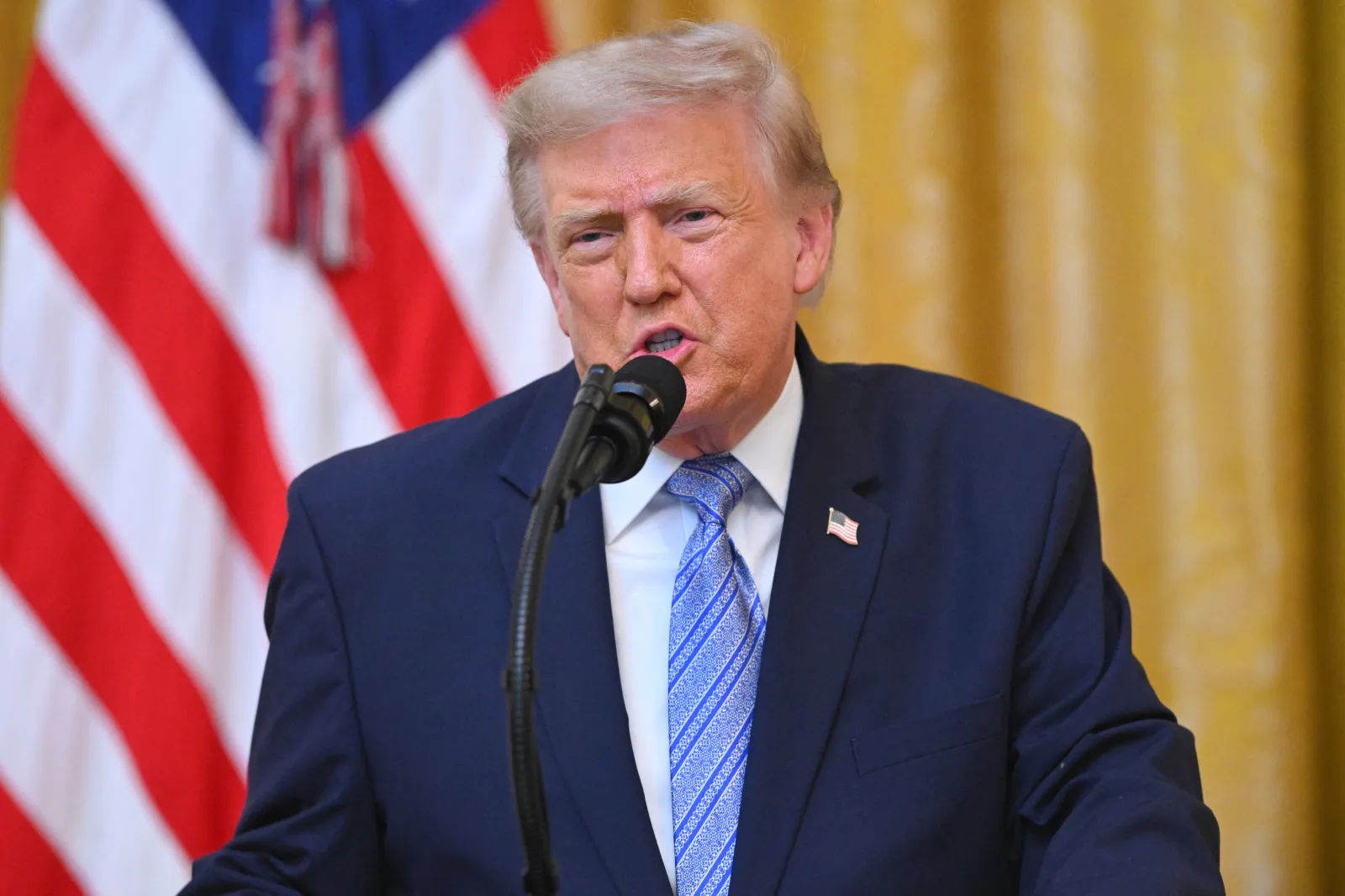
Trump accused "members of the deep state…in our intelligence agencies" of actively suppressing information about China's alleged election meddling, claiming they covered it up from both him and the American public.
Before Trump's speech began, a spokesperson for the Chinese Embassy rejected allegations of election interference, stating, "China has never and will never interfere in the presidential elections of the U.S."
Trump officials previously suggested that China targeted election infrastructure ahead of the 2020 election. However, U.S. intelligence agencies, election officials, and court reviews have found no evidence that China manipulated vote totals or altered voting systems.
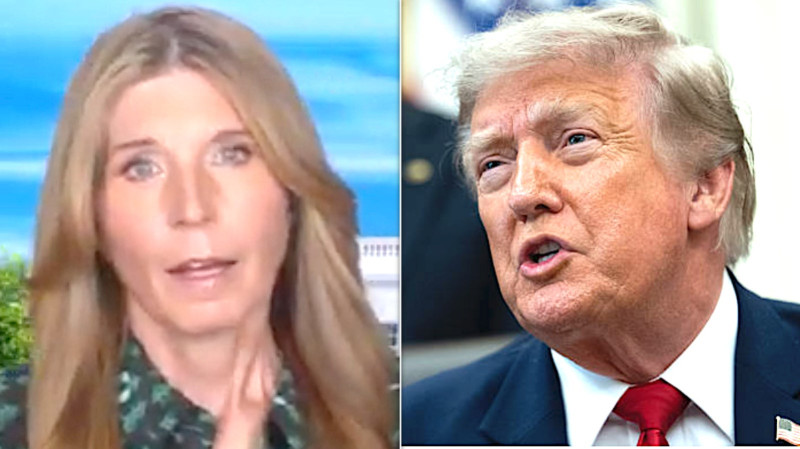
Former Principal Deputy Director of National Intelligence Sue Gordon remarked after Trump's speech that he treats intelligence as though it's a verdict rather than a starting point for inquiry. She noted that foreign actors' intent to influence U.S. elections is not new and was something Trump had an entire term to address.
The White House claims a Department of Homeland Security review identified approximately 278,000 noncitizens on state voter rolls but suggests the actual number could be higher due to incomplete data from some states.
The administration argues that the U.S. election system faces multiple vulnerabilities, including concerns over voter data exposure, cybersecurity risks, foreign interference, inaccurate voter rolls, and mail-in ballot handling. They advocate for reforms such as requiring voter identification and proof of citizenship for registration.
The Center for Election Innovation & Research reviewed claims of non-citizen voter registration across the U.S., concluding that while isolated cases occur, broad allegations of widespread non-citizen voting lack support from official investigations. Their findings indicate that initial claims often rely on incomplete or mismatched data.
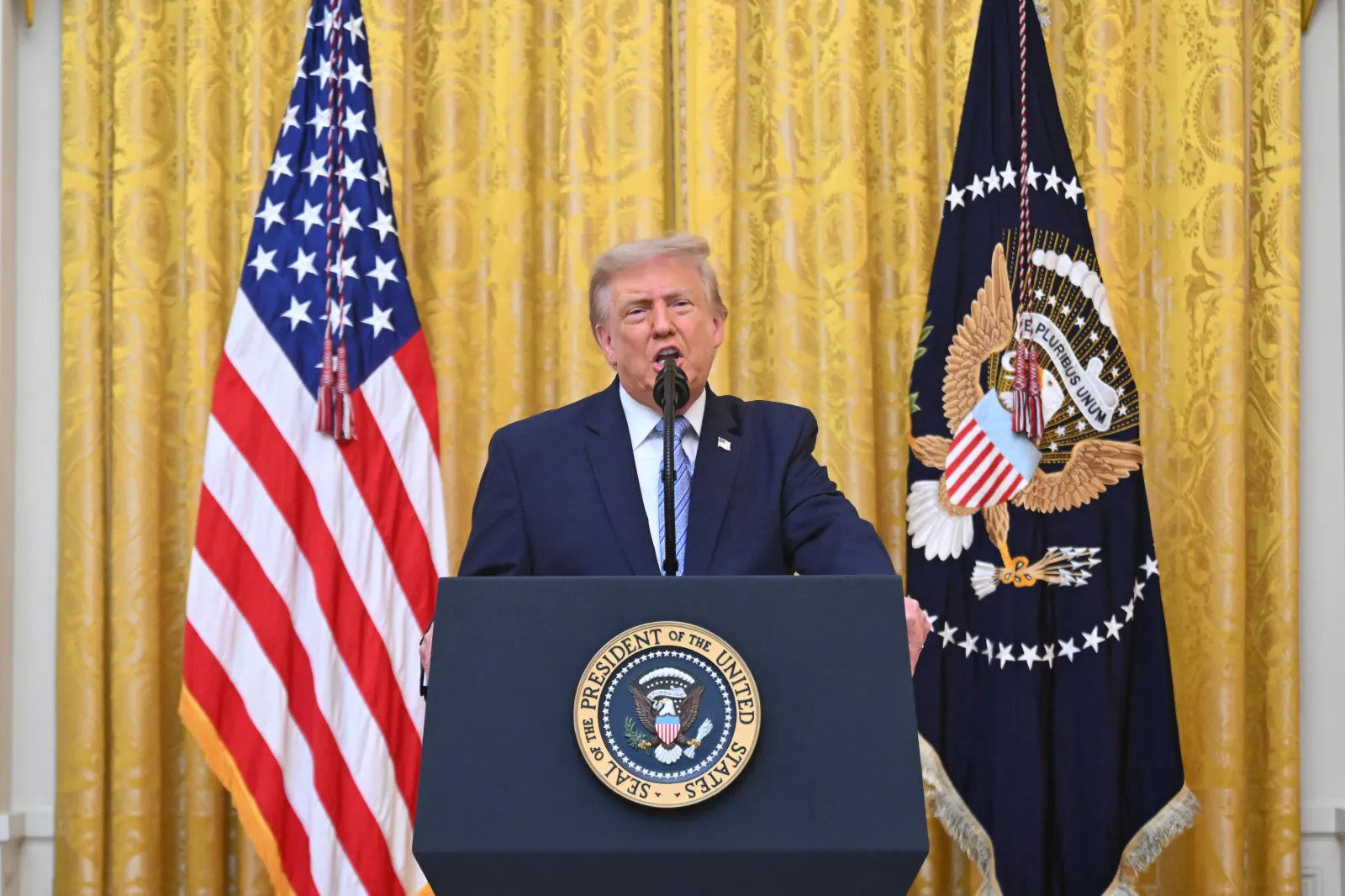
Even verified cases represent only a tiny fraction of registered voters—generally no more than a few tenths of a percent—and confirmed instances of improper registration or voting are rare. The report asserts that current election security procedures effectively identify and address limited ineligible registrations or votes.
Trump stated secure elections "should not be a partisan issue," urging Congress to pass the SAVE America Act. He described it as a "landmark" bill aimed at ensuring electoral integrity.
Vice President JD Vance echoed Trump's sentiment on social media, declaring that election integrity is an American issue requiring unity to protect voting rights.
Trump has employed various strategies to pressure Congress into passing the SAVE America Act, which would mandate documentary proof of U.S. citizenship for federal voter registration. These strategies include attaching the bill to defense spending packages and publicly pressuring lawmakers through social media.
He has also called for additional provisions beyond those in the House-passed bill, including stricter mail-in voting regulations. Supporters argue these measures would enhance election integrity while opponents contend they could hinder eligible citizens' ability to vote without addressing non-citizen voting issues.
In response to Trump's speech, Democratic National Committee Chair Ken Martin accused him of airing old grievances and attempting to justify his assault on free elections with lies about the 2020 election he lost. He asserted that Republicans are preparing to interfere with midterm elections out of fear of losing power.
Martin emphasized that Americans are outraged by Trump's agenda and will reject it at the ballot box in November. He stated Democrats are committed to fighting for voting rights and holding Trump accountable.
Contact Newsweek editors on this story: Gray R. Thomas and Edward T. Cummins.