

Trump Threatens to Annihilate Kharg Island Amidst Ongoing US-Iran Tensions
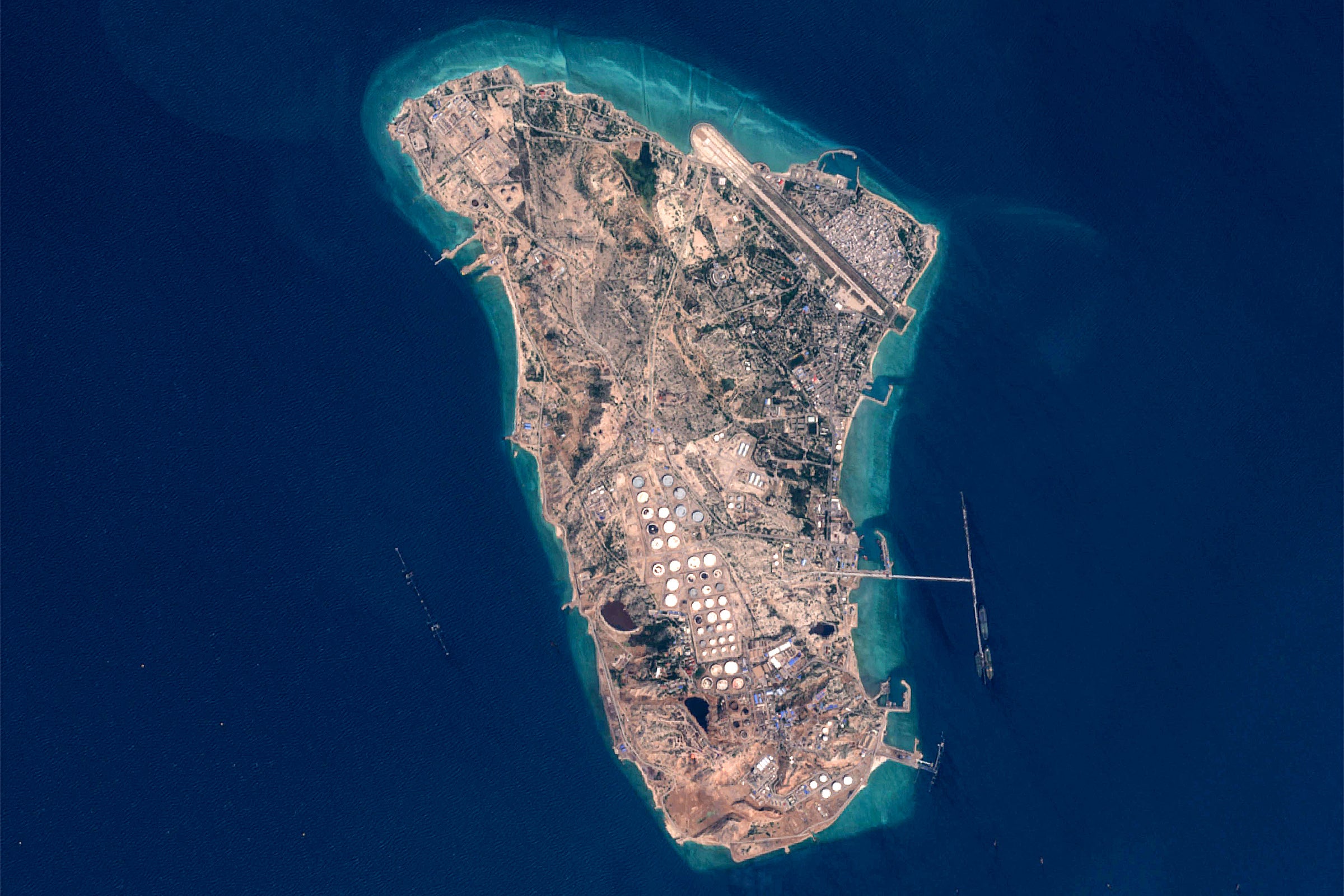
Donald Trump issued a stark warning regarding Kharg Island, stating that the US could “obliterate” the strategic energy hub if negotiations with Iran do not yield results. In a post on Truth Social, he emphasized the urgency of the situation, claiming that discussions between Washington and Tehran were ongoing and had made “great progress.”
“If the Hormuz Strait is not immediately ‘Open for Business,’ we will conclude our lovely ‘stay’ in Iran by blowing up and completely obliterating all of their Electric Generating Plants, Oil Wells and Kharg Island (and possibly all desalinization plants!), which we have purposefully not yet ‘touched’,” Trump declared.
Tehran, however, has dismissed claims of direct negotiations, labeling US proposals as “unrealistic, illogical and excessive.” The Iranian foreign ministry spokesperson, Esmaeil Baghaei, acknowledged receiving messages from intermediaries about Washington’s willingness to negotiate but criticized the demands as excessive.
In response to escalating tensions, thousands of US troops have been deployed to the region following Trump’s threats of an invasion of Kharg Island, which is crucial for Iran’s oil exports. The island accounts for 90% of Iran's oil trade, making it a significant target for US military strategy.
Strikes against Iranian leadership have already resulted in the deaths of several high-ranking officials, including:
- Ayatollah Ali Khamenei, killed in an airstrike on February 28.
- Ali Larijani, killed in an airstrike near Paris on March 17.
- Mohammad Pakpour, commander-in-chief of the IRGC, killed in Tehran on February 28.
- Aziz Nasirzadeh, Iran’s defense minister, also killed on February 28.
- Abdolrahim Mousavi, chief of staff of Iran’s armed forces, killed on February 28.
- Esmail Khatib, Iran’s intelligence minister, killed on March 18.
- Gholamreza Soleimani, commander of Iran’s Basij paramilitary force, killed on March 17.
Secretary of State Marco Rubio stated that the US aims to achieve its objectives “in a matter of weeks, not months,” emphasizing the threat posed by Iran’s missile capabilities. He remarked, “there is a way forward here to achieve our objectives.”
German Chancellor Friedrich Merz warned that the war's impact on Europe could rival that of the COVID-19 pandemic if it escalates further. Meanwhile, Germany’s economy minister noted signs of a significant economic slowdown due to the conflict.
Trump expressed intentions to "take the oil in Iran" during an interview with a financial publication, indicating a desire to seize control of Kharg Island. This would necessitate ground troops, which have been rapidly deployed to the area. However, public sentiment in the US remains largely against further military escalation.
Officials have indicated that the administration is contemplating sending ground forces to Kharg Island. The island's capture would disrupt Iran's energy trade and exert immense pressure on its economy. Analysts suggest that controlling Kharg could compel Iran to reopen the Strait of Hormuz and provide leverage for future negotiations.
Plans are underway for two contingents of Marines to arrive by month-end, with additional airborne troops being prepared for potential ground assaults. A former commander of the U.S. Central Command noted that while only a small number of troops would be needed on Kharg Island, logistical support would require protection as well.
Iran has fortified its defenses around Kharg Island by deploying additional surface-to-air missiles and laying mines in surrounding waters. Reports indicate that US troops landing on the island would face significant risks from missile and drone attacks.
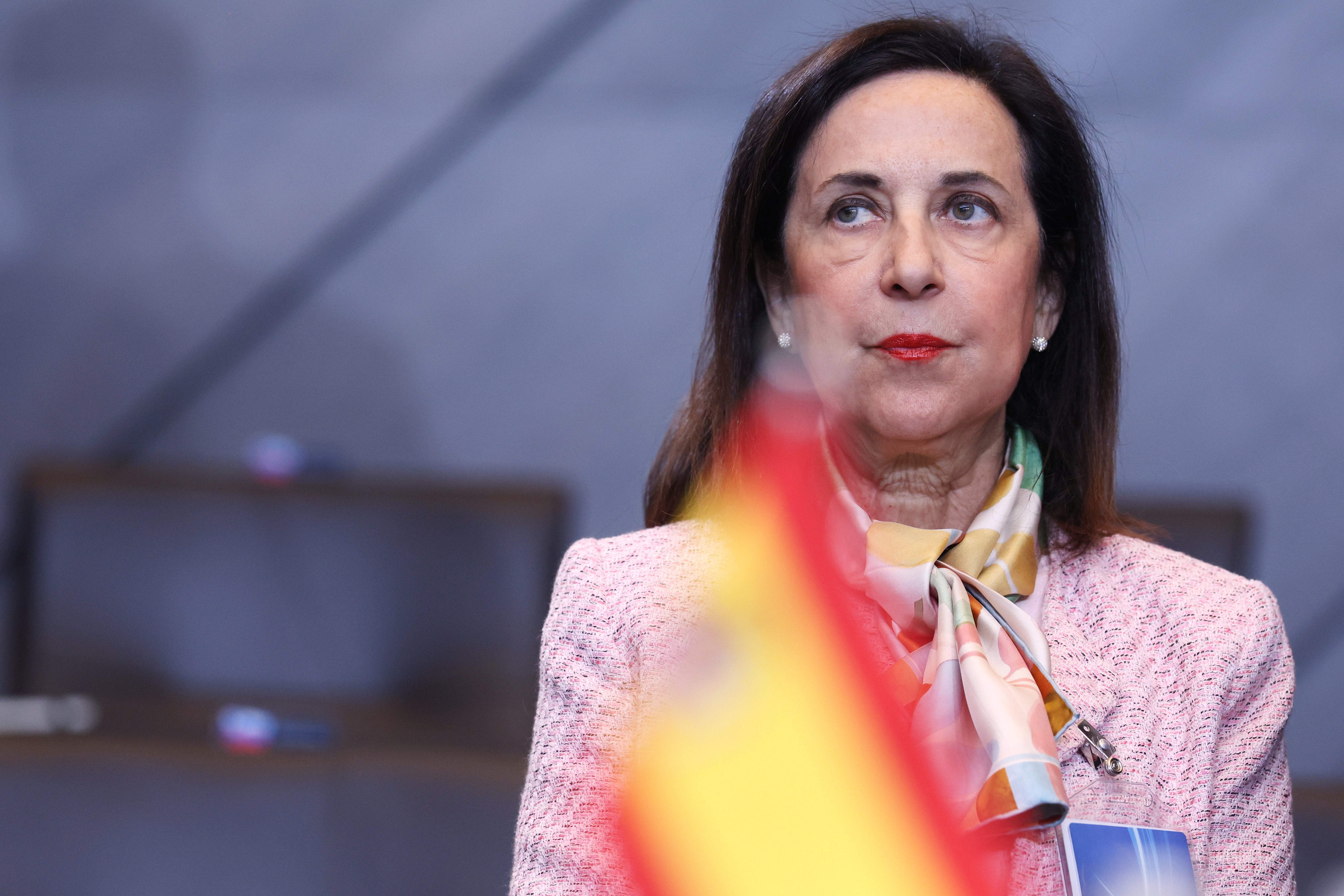
In a broader context, Spain has faced criticism from Trump over its military spending and has been threatened with trade embargoes for refusing to allow US operations from its bases. Prime Minister Pedro Sánchez has maintained his opposition to war and emphasized the importance of international law.
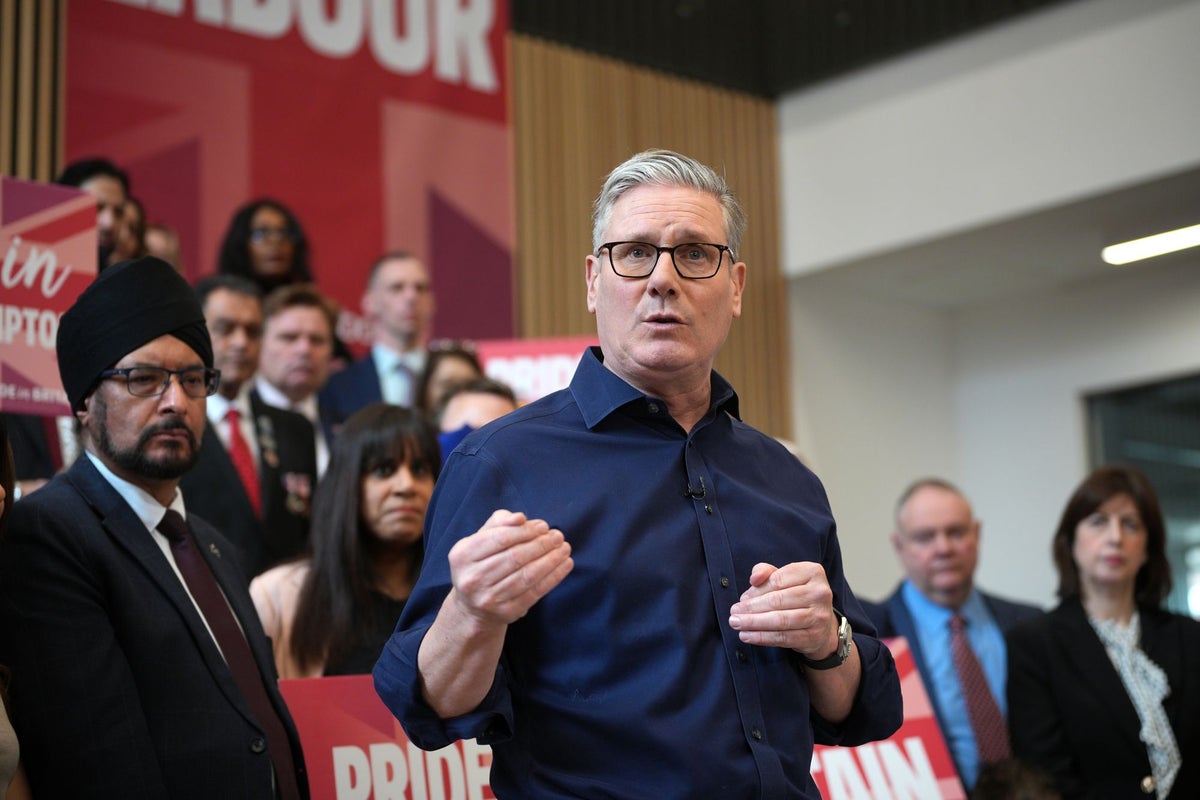
Meanwhile, UK Prime Minister Sir Keir Starmer has ruled out deploying British troops in Iran, asserting that the UK will not be drawn into Trump’s escalating conflict. He reiterated that this is not Britain’s war and emphasized defensive actions aimed at reopening the Strait of Hormuz.
As tensions continue to rise, Trump claimed that direct and indirect meetings between US and Iranian officials have occurred. With Iran's leadership significantly weakened over weeks of conflict, Trump suggested that regime change might already be underway.
Pakistan is reportedly preparing to facilitate “meaningful talks” between the US and Iran in an effort to de-escalate the situation. However, as military preparations intensify, both sides remain poised for potential confrontation.
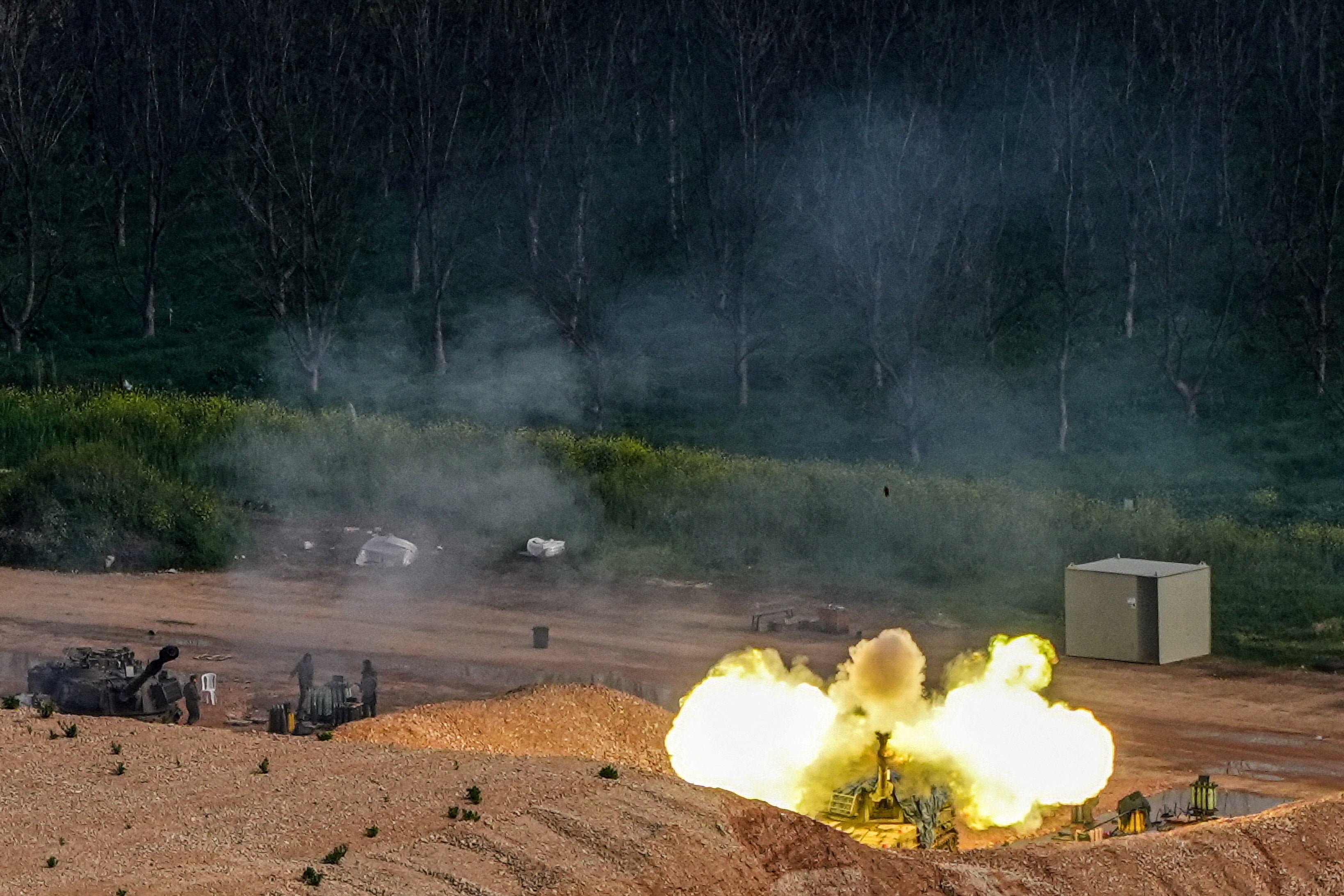
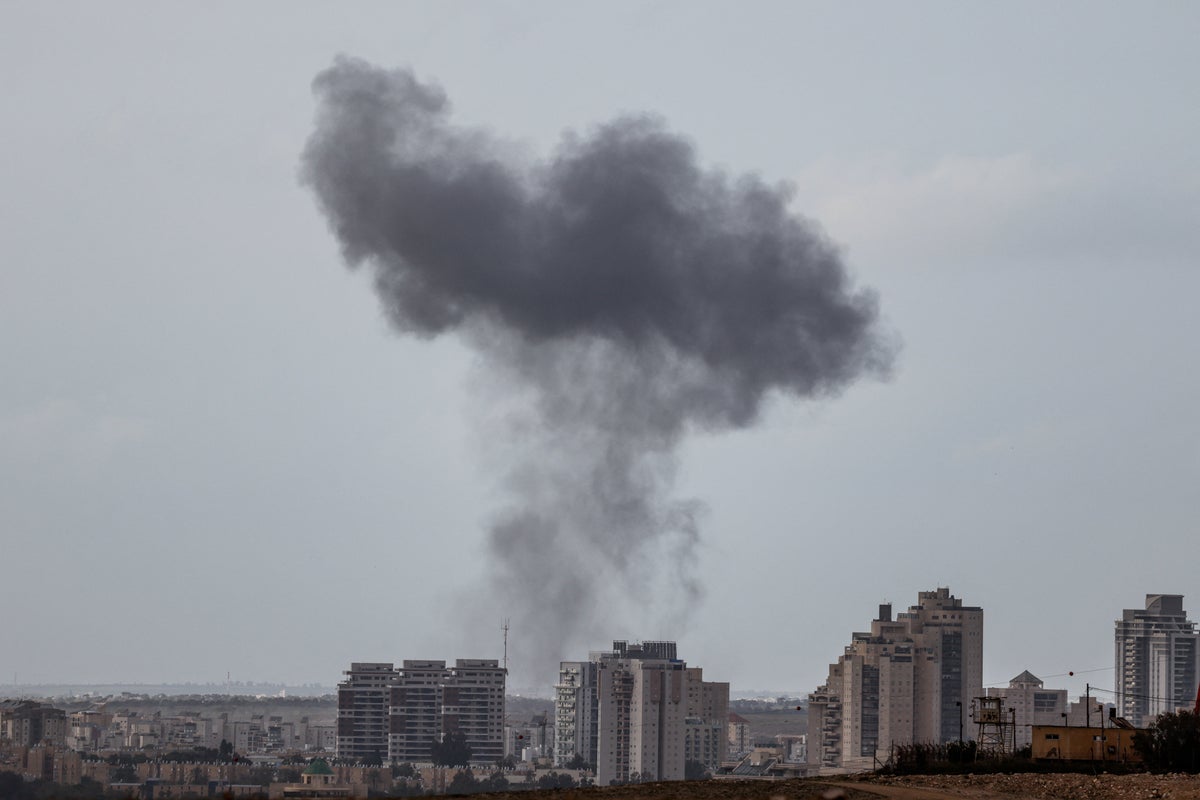
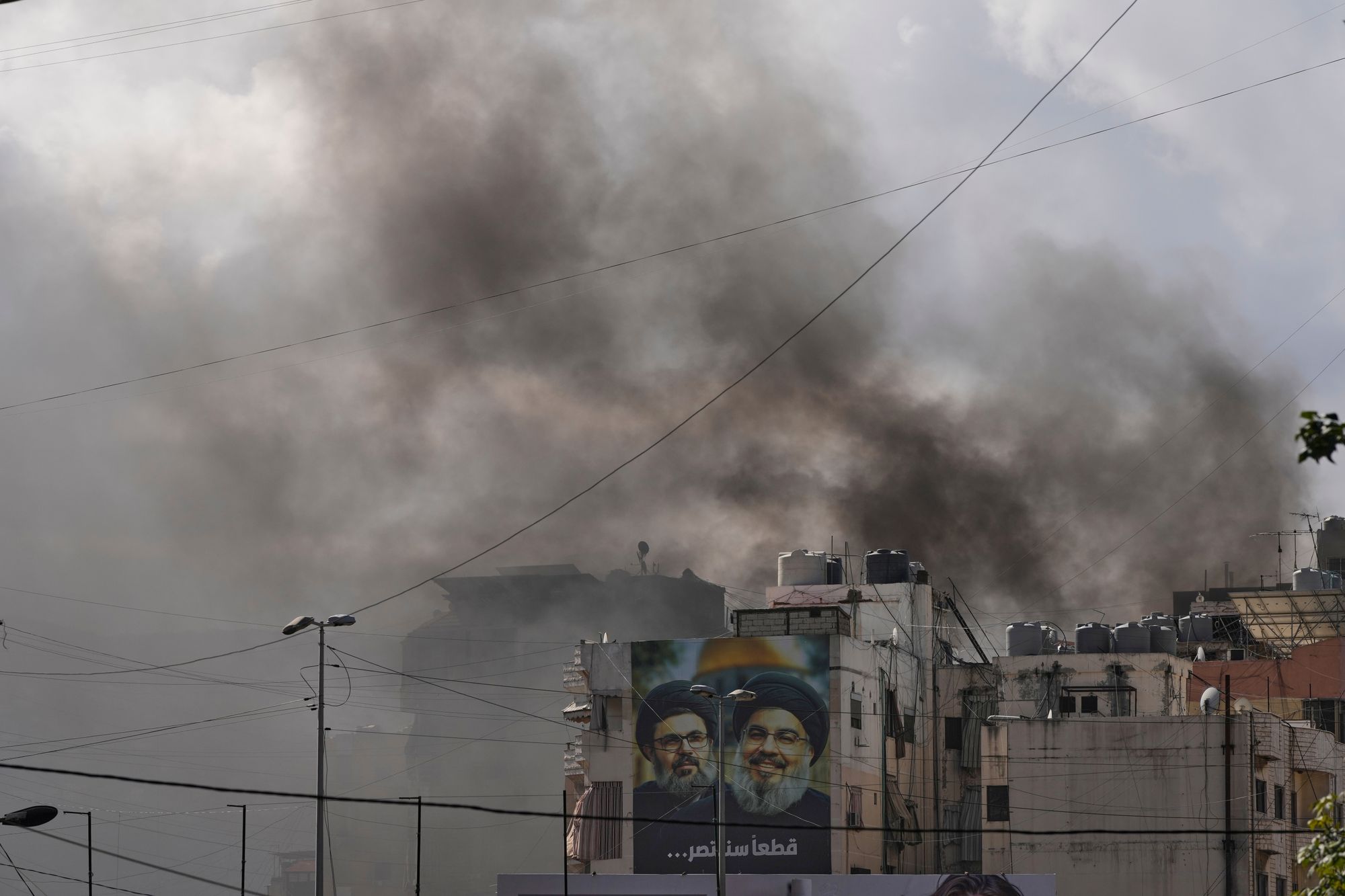
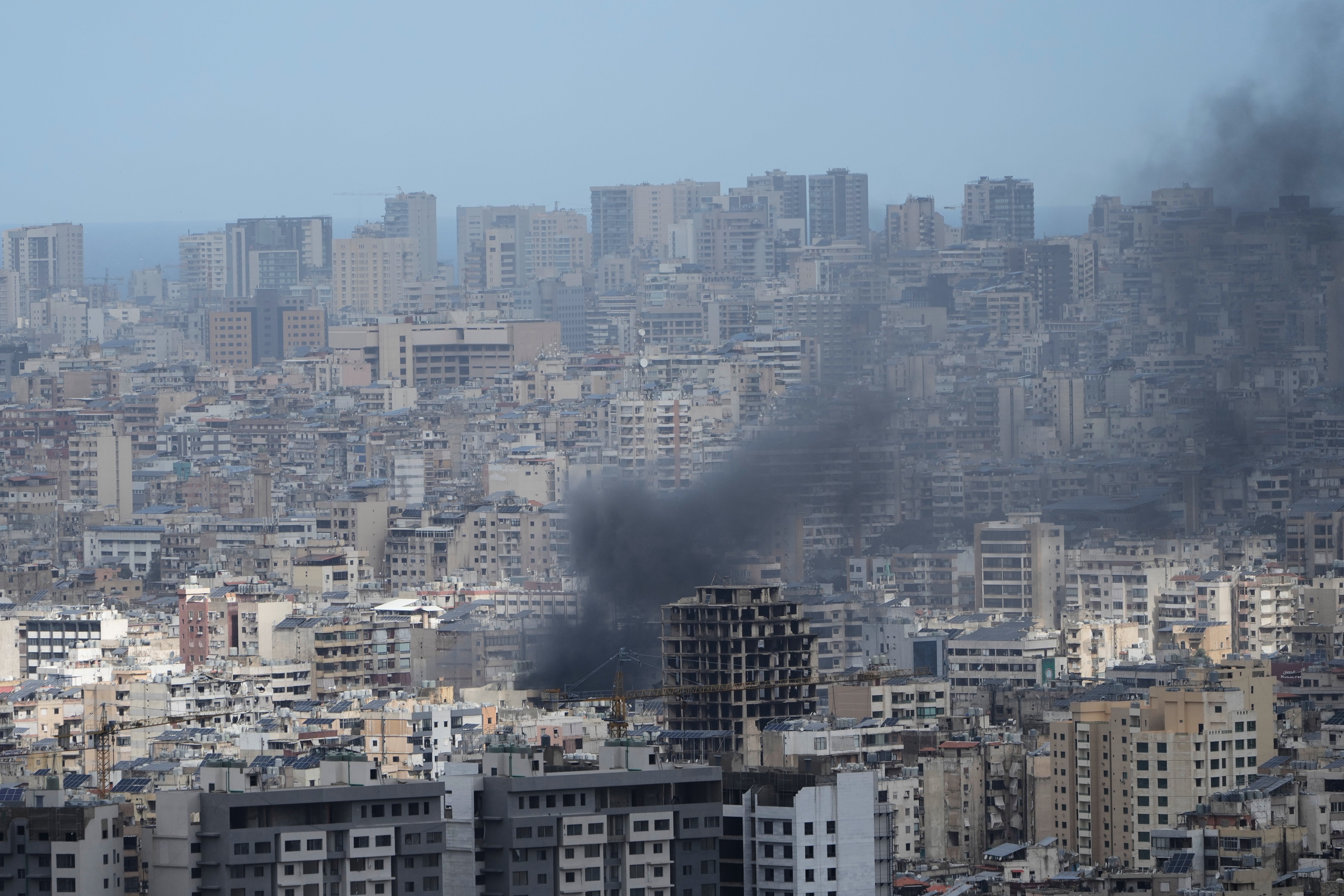
In related developments, Israeli Prime Minister Benjamin Netanyahu announced an expansion of military operations in southern Lebanon amid ongoing tensions with Hezbollah. Yemen's Houthis have also entered the fray by launching attacks on Israel, further complicating the regional dynamics.
The situation remains fluid as both sides prepare for possible escalations while navigating complex geopolitical landscapes.