

Trump Threatens to Blockade Strait of Hormuz Following Failed Iran Negotiations
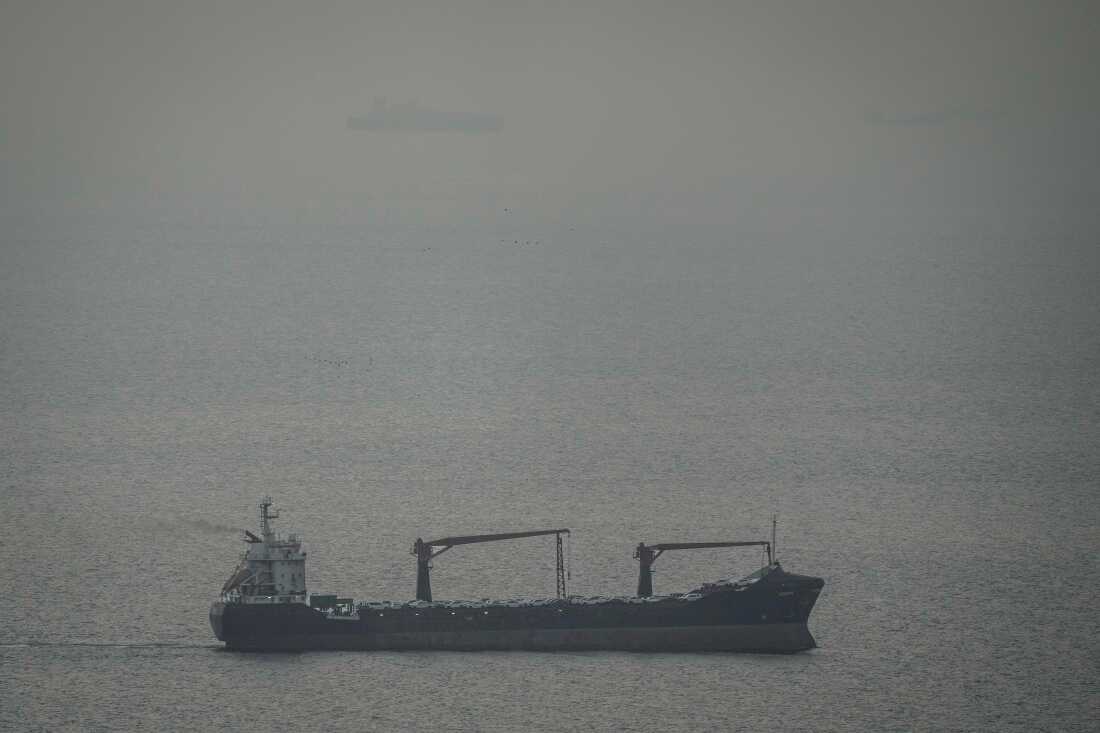
A cargo ship laden with vehicles navigated the Arabian Gulf towards the Strait of Hormuz on Sunday, March 22, 2026, as tensions escalated following the breakdown of peace talks between the United States and Iran.
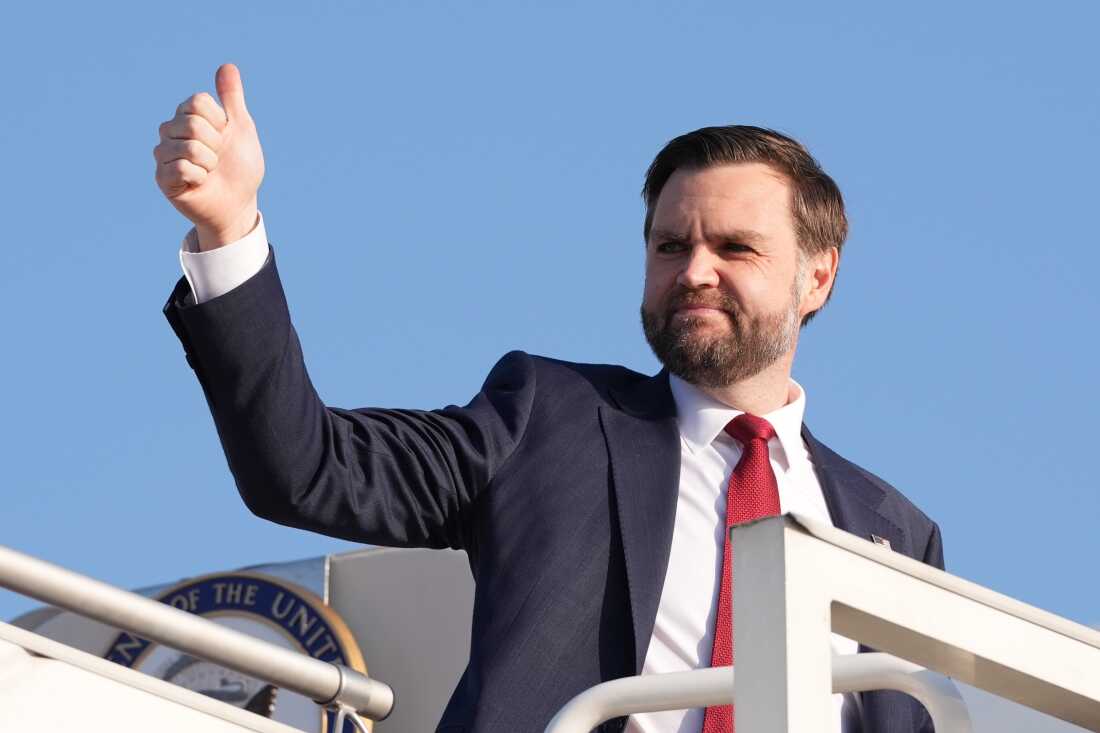
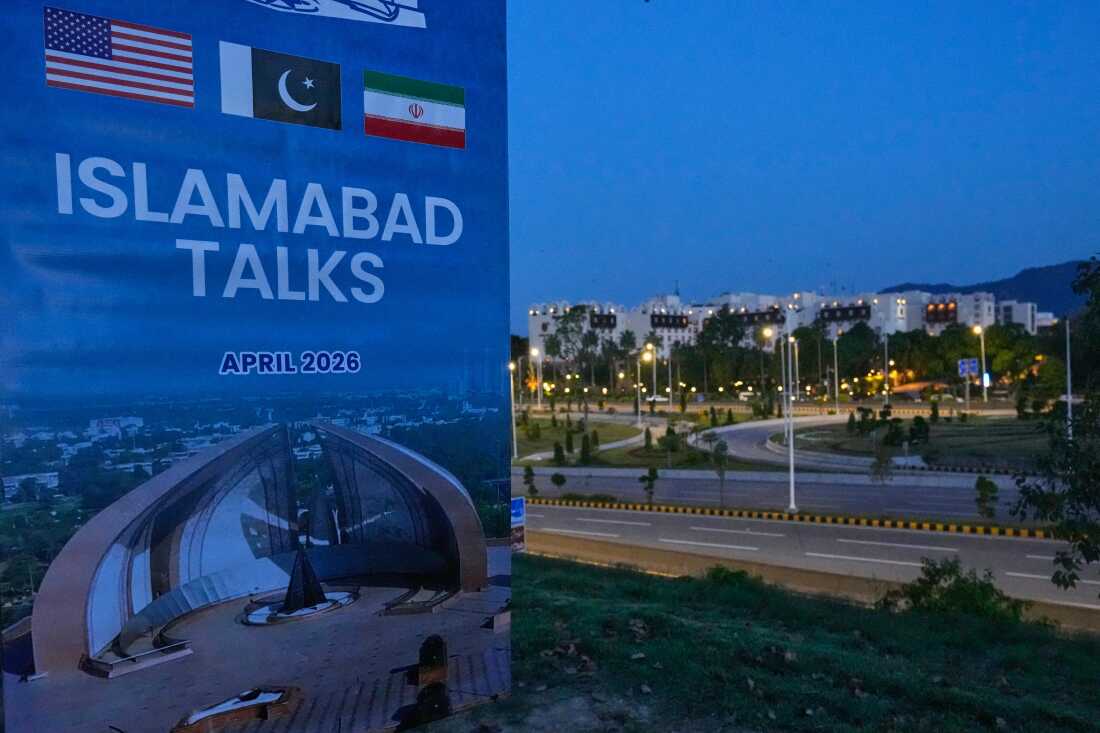
In Islamabad, Vice President J.D. Vance confirmed that negotiations had failed to yield an agreement after a day of intense discussions. "The bad news is that we have not reached an agreement. And I think that's bad news for Iran much more than it's bad news for the U.S.... they have chosen not to accept our terms," he stated, preparing to depart on Air Force Two.
When pressed about the primary obstacle in the talks, Vance pointed to Iran's nuclear ambitions. "We need to see an affirmative commitment that they will not seek a nuclear weapon, and they will not seek the tools that would enable them to quickly achieve a nuclear weapon," he explained.
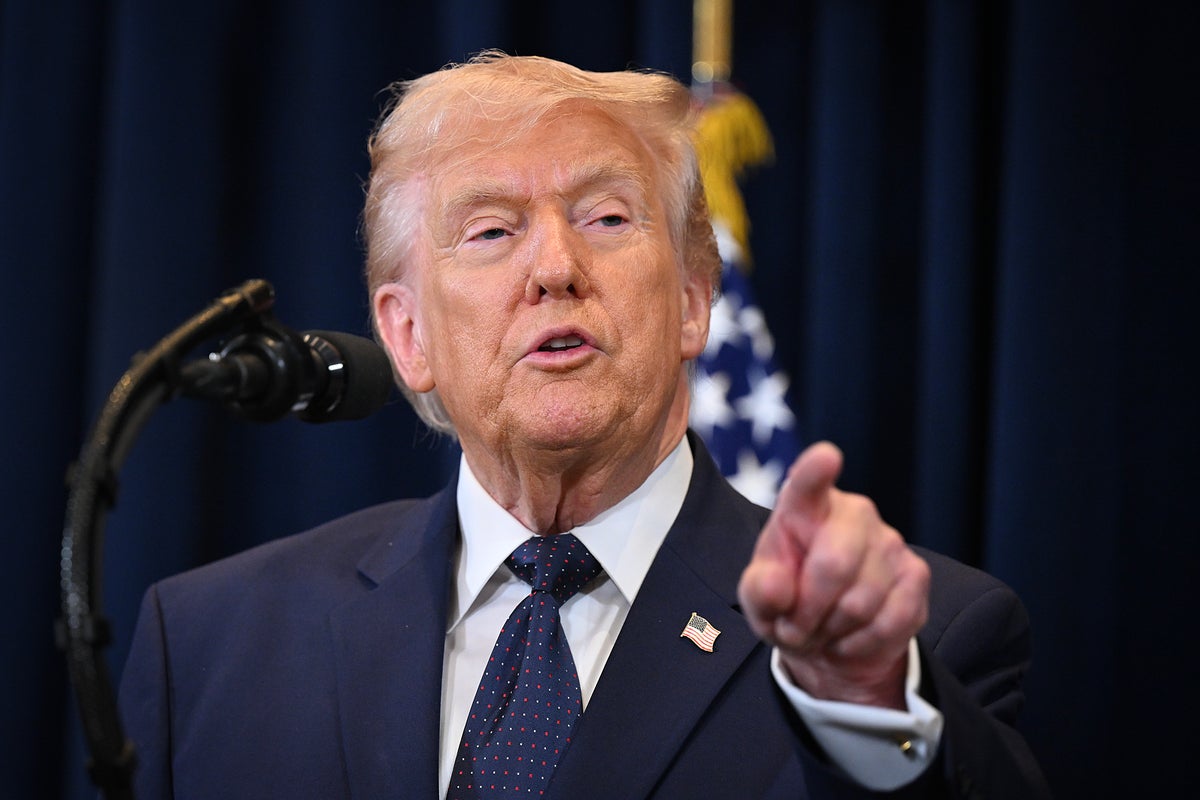
Meanwhile, President Trump took to social media, declaring that the U.S. would "blockade" the Strait of Hormuz, attributing the failure of talks to Iran's unwillingness to abandon its nuclear goals. "IRAN IS UNWILLING TO GIVE UP ITS NUCLEAR AMBITIONS!" he asserted.
Iran's response indicated a different perspective, claiming that while some understanding was reached, no formal agreement was established. Tehran maintains that its nuclear program is strictly for civilian purposes and insists on its right to enrich uranium.
The future of a two-week ceasefire now hangs in the balance. However, Vance hinted at the possibility of future negotiations, stating, "We leave here with a very simple proposal: a method of understanding that is our final and best offer." He added, "We'll see if the Iranians accept it."
Pakistan, which hosted the talks and has emerged as a key mediator in the ongoing conflict, expressed its commitment to facilitating peace efforts. Foreign Minister Ishaq Dar urged both parties to maintain the ceasefire.
The marathon negotiations lasted 21 hours and marked the first direct engagement between U.S. and Iranian officials since 2015, when a nuclear deal was brokered under the Obama administration but later abandoned by Trump. These discussions were also notable as the highest-level talks since the 1979 Islamic Revolution.
In a post on Truth Social early Sunday, Trump remarked, "the meeting went well, most points were agreed to, but the only point that really mattered, NUCLEAR, was not." He announced that the U.S. Navy would begin preparations for a blockade of vessels attempting to navigate through the Strait of Hormuz.
Trump characterized Iran's stance regarding the strait as "extortion," asserting that he had instructed the Navy to interdict any ships that had paid tolls to Iran. "We will also begin destroying the mines the Iranians laid in the Straits. Any Iranian who fires at us, or at peaceful vessels, will be BLOWN TO HELL!" he declared.
In a follow-up post, Trump insisted that Iran must act swiftly to ensure the strait remains open for international shipping. During an interview with Fox News, he suggested that while the blockade might take time to implement, it would soon prove effective. He also mentioned that some NATO allies expressed interest in assisting with operations in the strait.
Reiterating his firm stance against Iran acquiring nuclear weapons, Trump expressed confidence that Iran would eventually negotiate in good faith. When asked about potential military actions if Iran did not comply, he responded affirmatively: "If they don't give that plan up, yeah."
On Saturday, Trump proclaimed victory regardless of negotiation outcomes, asserting that "we've totally defeated that country." Vance confirmed he had been in constant communication with Trump throughout his time in Islamabad.
Iran's Foreign Ministry spokesperson Esmaeil Baqaei noted that discussions encompassed various critical issues including nuclear matters and sanctions. He acknowledged complexities surrounding Iran's demand for control over the Strait of Hormuz and cautioned against expecting immediate results from a single meeting.
Baqaei criticized U.S. demands as excessive and emphasized that successful diplomacy relies on sincerity from both sides. Tehran's multi-point negotiation plan included calls for an end to Israeli attacks on Hezbollah and the release of $6 billion in frozen assets.
Despite the lack of a formal agreement, analysts observed significant optics from this meeting, especially following recent U.S. military actions against Iran. The Iranian delegation shared images of empty seats on their flight to Islamabad alongside poignant reminders of casualties from previous conflicts.
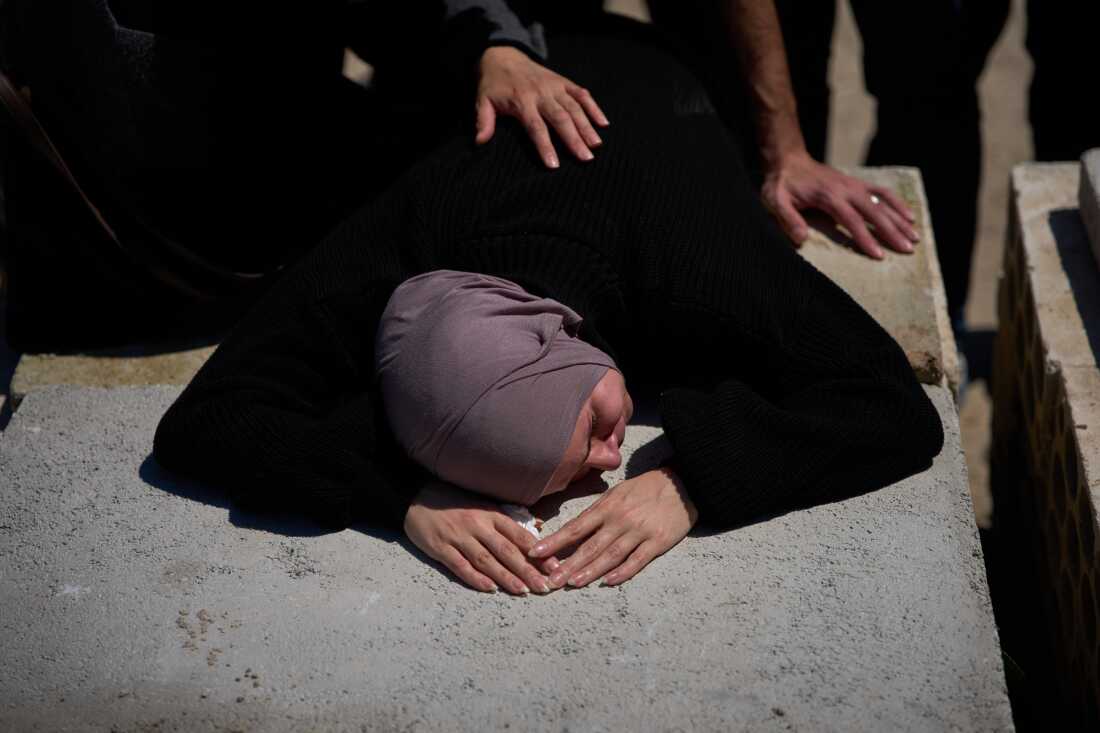
The ongoing conflict remains fraught with tension as Israel continues military operations against Hezbollah in Lebanon. Prime Minister Benjamin Netanyahu claimed significant achievements against Iran and Hezbollah while asserting his goal of disarming Hezbollah and securing peace with Lebanon.
As U.S. Navy guided-missile destroyers traversed the Strait of Hormuz for the first time since hostilities began six weeks ago, U.S. Central Command announced efforts to clear Iranian sea mines from the waterway to facilitate commerce.
The situation remains fluid as diplomatic efforts continue amidst escalating military actions and regional instability.