



TSA Staffing Crisis Persists Despite Back Pay Arrivals
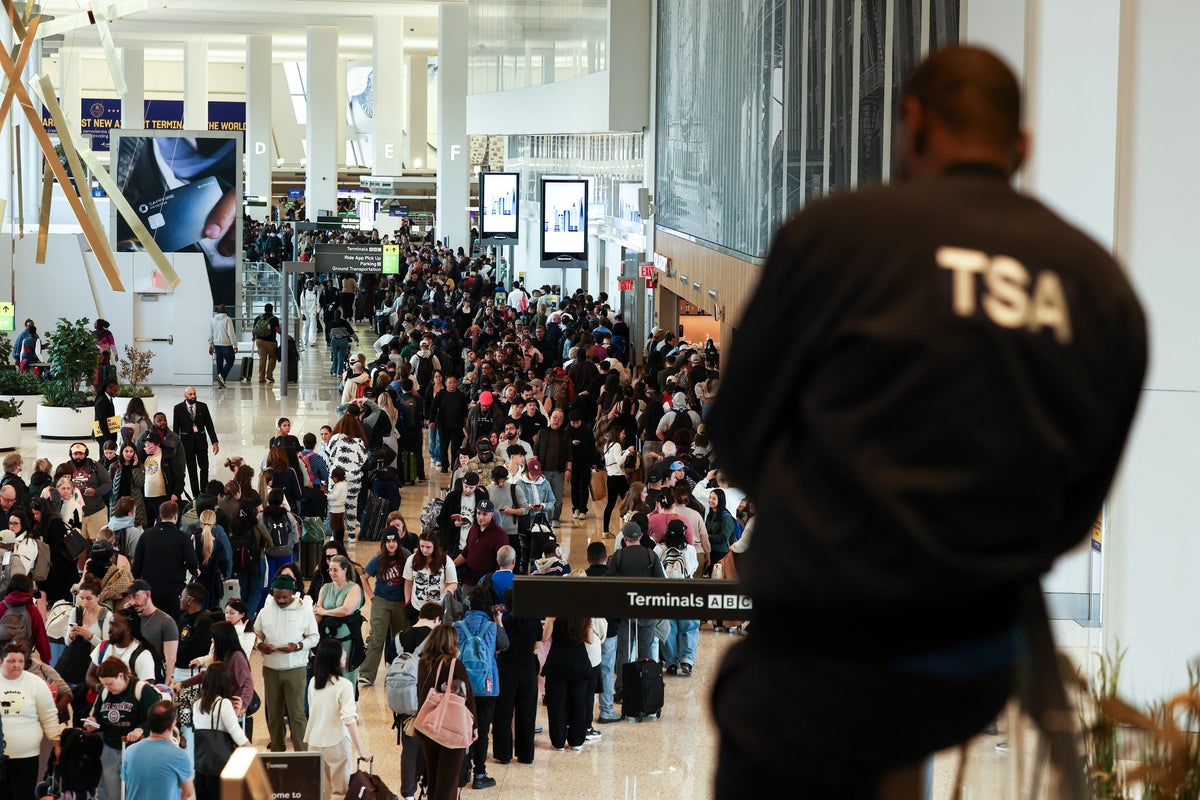
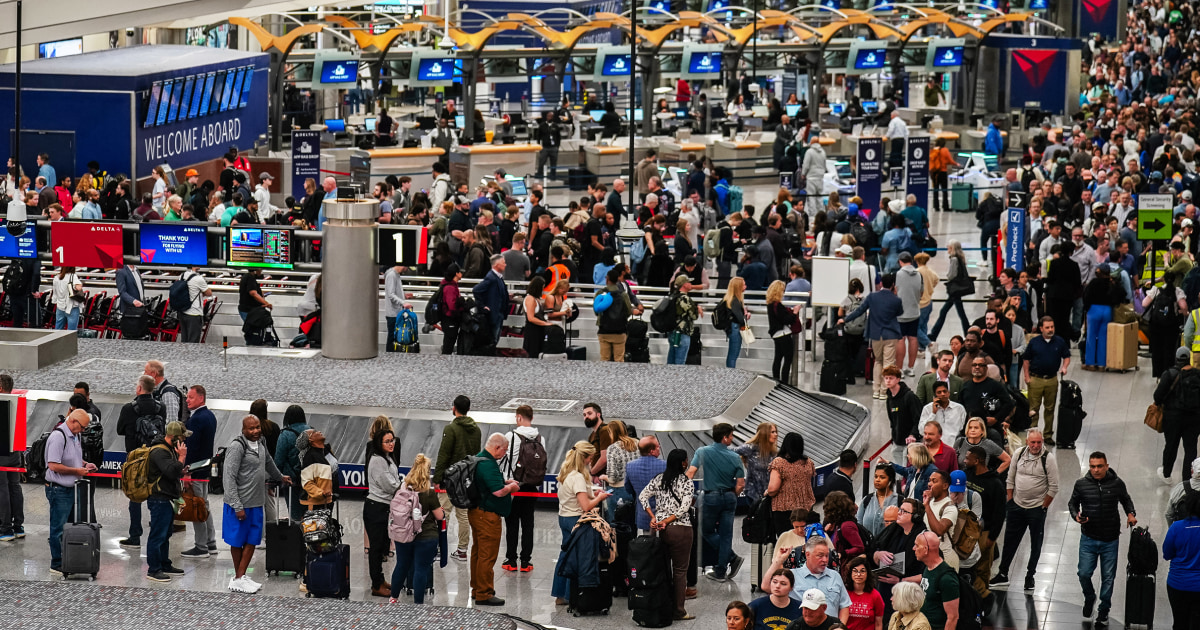
Security lines at major airports continue to lag due to a significant shortage of TSA officers, with absenteeism rates still exceeding the national average. On Sunday, many TSA officers reported elevated call-out rates, despite the first signs of back pay from the recent 45-day partial government shutdown hitting their accounts.
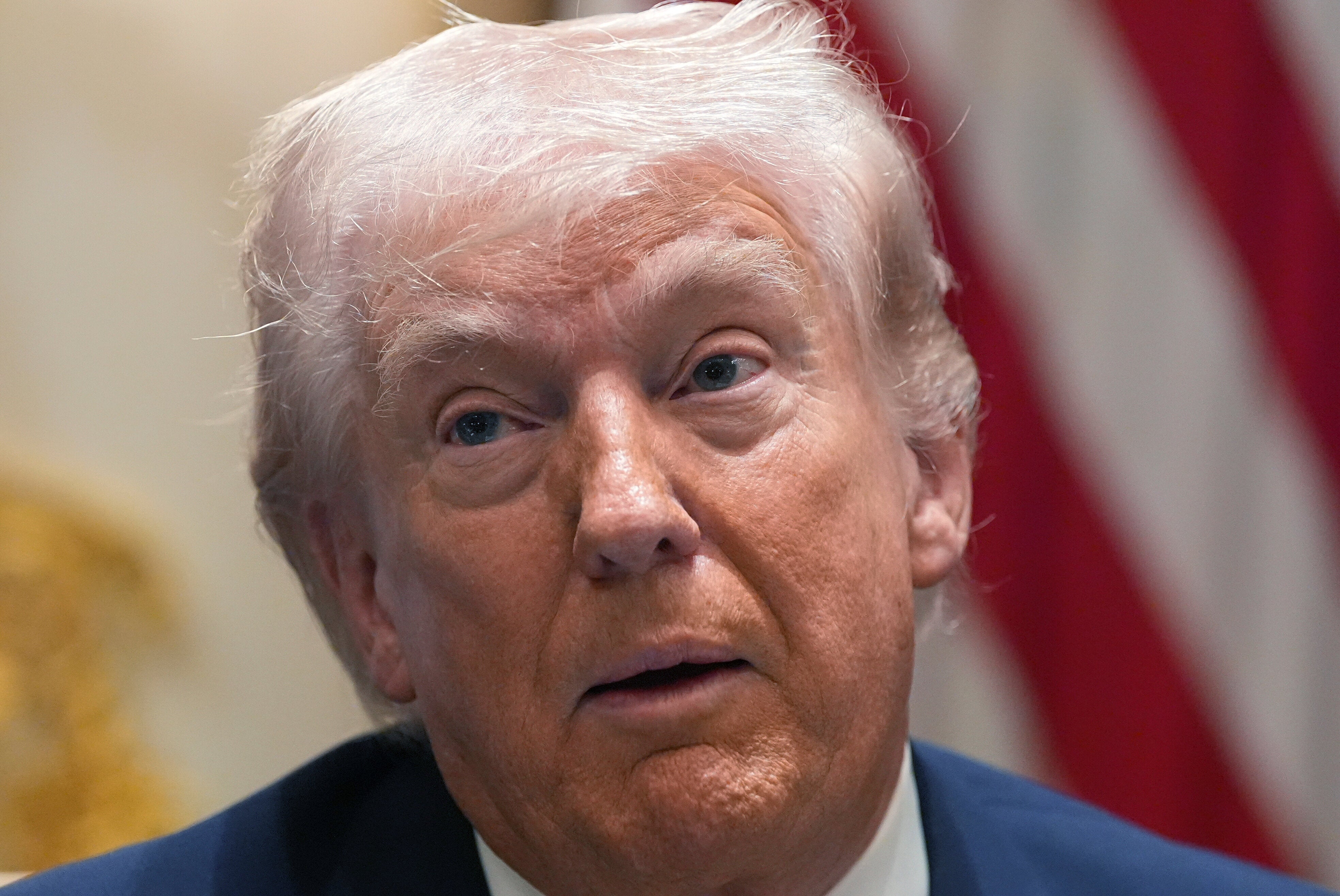
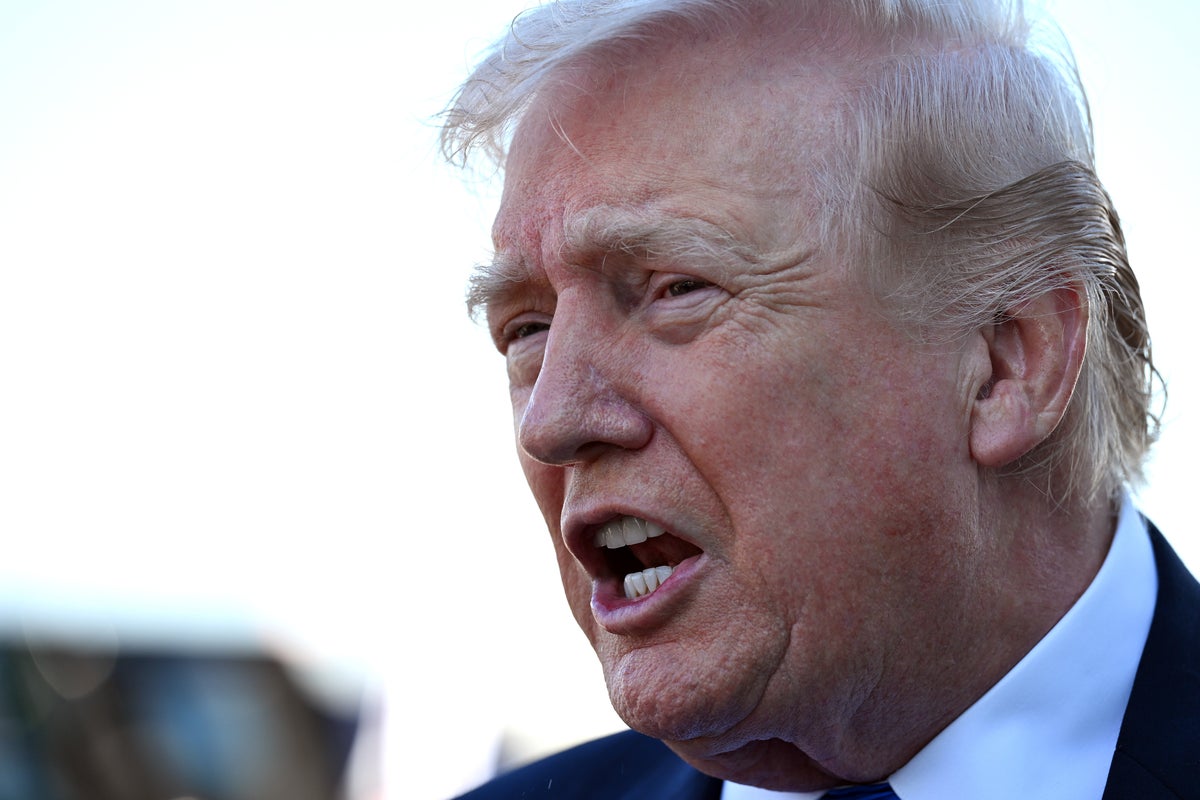
While Congress has yet to finalize funding for the Department of Homeland Security, President Trump took action by signing an executive order that mandates the DHS secretary to ensure TSA workers receive pay during the shutdown. This move comes as lawmakers left for a two-week recess on Friday.
Nationally, the absenteeism rate for TSA officers was recorded at 10.6% on Sunday, translating to 3,101 officers absent. This figure is a decrease from a peak of 12.4% on March 27 but remains significantly higher than the typical low single-digit rates, which hover around 2%. This persistent absenteeism highlights ongoing challenges in airport screening operations.
Specific airports are experiencing particularly high call-out rates: Baltimore/Washington International Airport reported a staggering 38.5%, while Houston's George Bush Intercontinental Airport and William P. Hobby Airport followed closely with rates of 36.4% and 34.1%, respectively. New Orleans and Atlanta also reported rates exceeding 33%, with major Northeast hubs like JFK, LaGuardia, and Philadelphia hovering around or above 20%.
To alleviate the situation, Immigration and Customs Enforcement agents were deployed to assist TSA at BWI and other locations over the weekend. White House border czar Tom Homan stated that these officers would remain until operations return to full capacity. As of Monday, all checkpoints at BWI were operational.
"Now that I received the deposit, the cars are all gassed up and I'm ready to go to my checkpoint tomorrow," said Pasqual Contreras, a TSA officer and union official. He had previously struggled to afford his daily commute to Phoenix Sky Harbor Airport due to financial constraints.
Contreras expressed mixed feelings about the back pay: "It pays the rent. It pays March, but as we can all see, we're in April already. So it doesn't go far." He noted that while the payment helps alleviate some financial pressure, it does not fully resolve his ongoing struggles.
A notice obtained by CBS News indicated that TSA workers received pay for 160 hours covering February 22 to March 21, but payments for February 14-21 remain outstanding. Additionally, it is unclear if overtime hours worked during the shutdown have been compensated. Following last fall's government shutdown, similar pay issues took weeks to resolve.
DHS officials confirmed that some workers began receiving their paychecks as early as Monday, with others expected to see deposits by Tuesday. The department aims to have most payments processed by the end of business Tuesday, with a hard deadline of Wednesday, April 1, when many bills are due.
The staggered payment schedule is attributed to banking practices rather than payroll discrepancies. While DHS transmitted payments uniformly, different financial institutions have varying policies on releasing funds upon receipt of deposit notifications.
The recent payments come after weeks of disruption caused by the partial DHS shutdown, which left approximately 50,000 TSA officers working without compensation and led to widespread delays and staffing shortages at airports. The financial strain has prompted over 510 TSA officers to resign.
It is important to note that the president's executive order only applies to TSA workers; ICE agents continue to receive their salaries due to prior funding provisions in last year's legislation. However, tens of thousands of other DHS employees—including those in the Coast Guard, FEMA, and Cybersecurity and Infrastructure Security Agency—are still working without pay.
Requests for further details regarding the funding mechanisms used for these payments have been directed to DHS, alongside inquiries about the sustainability of this financial support moving forward.