

U.S. Set to Withdraw 5,000 Troops from Germany Amid Tensions
On Friday, the Pentagon confirmed plans to withdraw 5,000 troops from Germany, a move that underscores escalating tensions between the United States and its NATO ally amid the ongoing conflict in Iran.
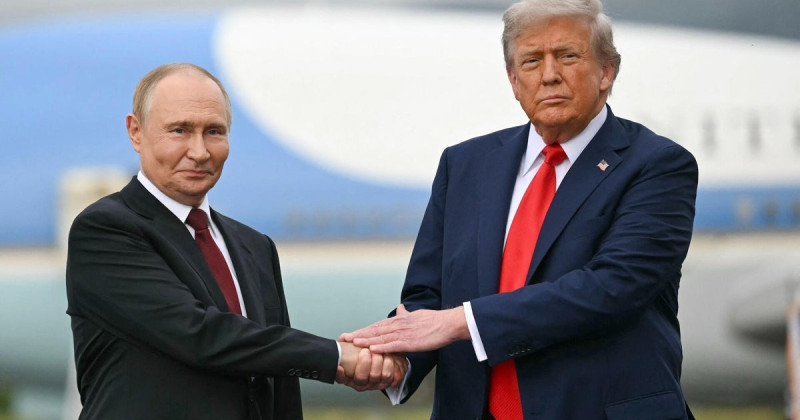
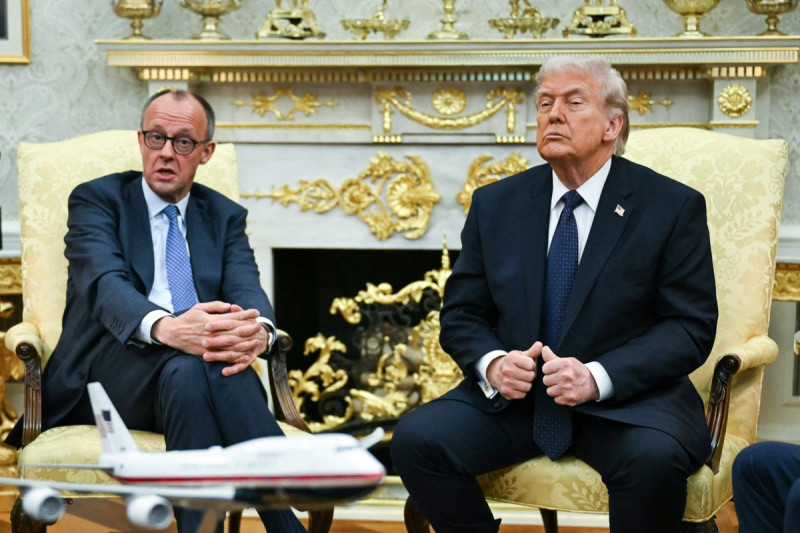
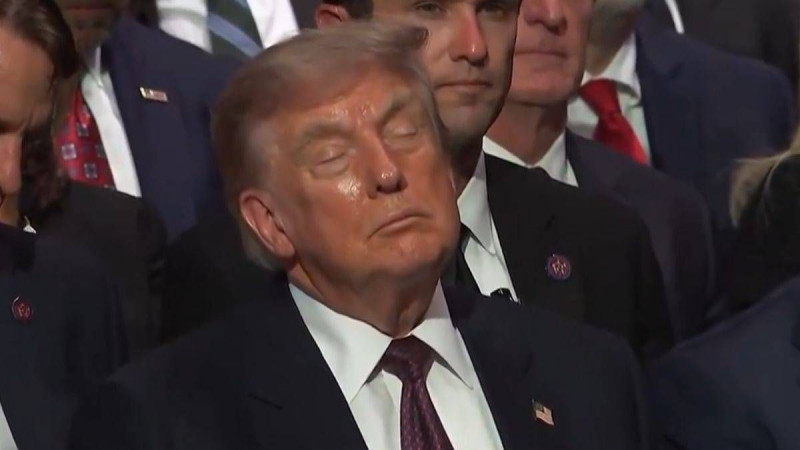
President Trump’s recent threats to reduce military presence followed a contentious exchange with German Chancellor Friedrich Merz, who criticized U.S. strategies in the war, claiming that Iran was gaining the upper hand in negotiations.
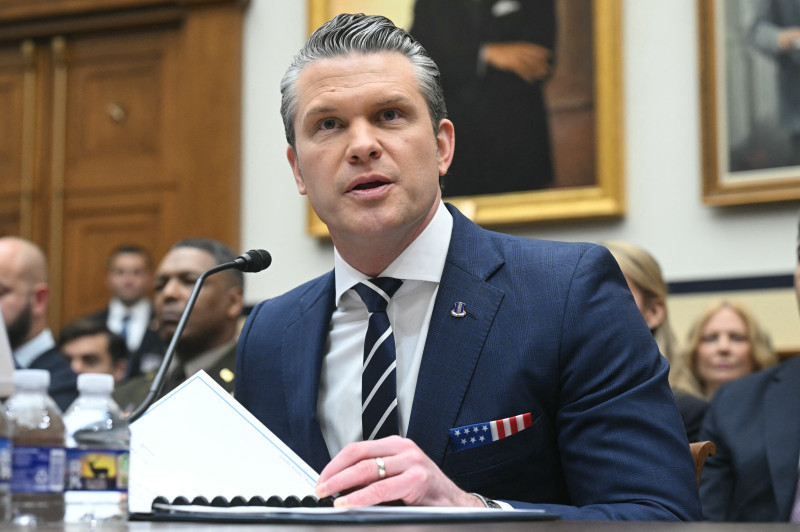
A senior official at the Pentagon, who requested anonymity, described Germany's recent comments as “inappropriate and unhelpful,” indicating that such rhetoric prompted a strong response from the administration.
The withdrawal is projected to unfold over the next six to twelve months, reducing the approximately 35,000 active-duty U.S. personnel stationed in Germany—more than any other European nation—to levels seen before 2022, prior to Russia's invasion of Ukraine.
This decision aligns with the Trump administration's broader strategy encouraging European nations to take greater responsibility for their own security. However, it also serves as a stark reminder of Trump's readiness to act against perceived disloyalty from allies.
Last week, internal communications from the Pentagon revealed discussions about potential punitive measures against NATO allies deemed insufficiently supportive of U.S. operations in Iran, including suspending Spain from NATO and reassessing U.S. positions regarding Britain's claims to the Falkland Islands.
When asked about further troop reductions in Europe, Trump responded with a noncommittal “probably,” hinting at possible withdrawals from Italy and Spain. Tensions with Spain have escalated, particularly after its Socialist government refused to allow U.S. bases or airspace for operations against Iran, prompting Trump to threaten a trade embargo.
In Italy, Trump has had his share of disputes with Prime Minister Giorgia Meloni over the Iran conflict and has publicly criticized her for not aligning closely enough with U.S. interests.
Trump's frustrations extend to NATO allies for their lack of naval support in securing the Strait of Hormuz, a critical passage for global oil shipments that has faced disruptions due to the ongoing conflict.
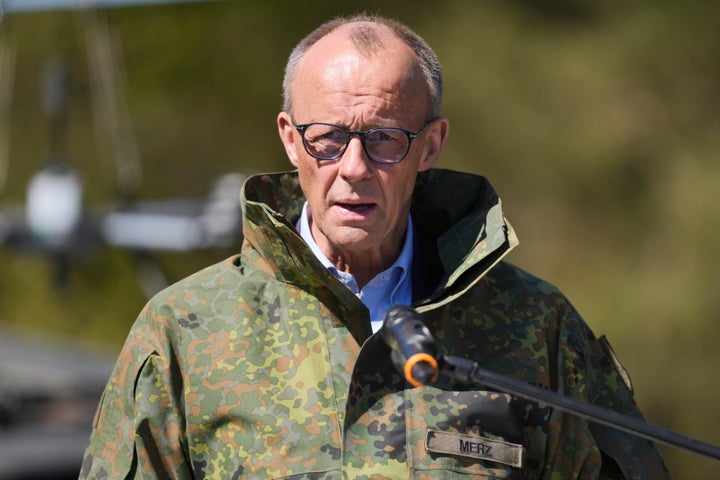
Merz has voiced concerns that European nations were not adequately consulted before U.S. and Israeli military actions commenced against Iran, expressing his skepticism directly to Trump.
Despite Trump's long-standing desire to reduce troop levels in Germany—an initiative he attempted at the end of his first term but was reversed by President Biden—his latest announcement caught German military officials off guard, especially following what they considered productive discussions at the Pentagon.
German officials argue that their country has contributed significantly to U.S. efforts in Iran by allowing base access and facilitating overflights, alongside hosting a major military hospital in Landstuhl.
This week, Germany also reaffirmed its commitment to increasing defense spending as part of its 2027 budget targets.
Imran Bayoumi, a former Pentagon official, cautioned that while the troop reductions may not be as severe as anticipated, they could exacerbate divisions between the U.S. and Europe. He noted that European leaders might feel compelled to enhance their defense budgets in response to what they perceive as growing unreliability from Washington.
As part of this troop withdrawal plan, a brigade combat team currently stationed in Germany will be redeployed, and a long-range fires battalion initially slated for deployment later this year will no longer proceed with those plans.