



U.S. Military Engagement in Iran Hits $25 Billion Mark, Pentagon Reports
As the U.S. military engagement in Iran approaches its 60th day, a Pentagon official disclosed that the financial toll has reached an estimated $25 billion. This revelation came during a House Armed Services Committee hearing on Wednesday.
Acting Pentagon Comptroller Jules Hurst III provided the cost estimate while testifying alongside Defense Secretary Pete Hegseth and Joint Chiefs of Staff Chairman Dan Caine. "Approximately, as of today, we're spending about $25 billion on Operation Epic Fury," Hurst stated, addressing Rep. Adam Smith, D-Wash.
Most of these expenses stem from munitions, including operational costs, maintenance, and equipment replacements. Smith highlighted the lack of updates to Congress regarding the war's financial implications since its inception and inquired whether the Defense Department intends to seek additional funding from Congress to support the ongoing conflict.
"We will formulate a supplemental, through the White House, that will come to Congress once we have a full assessment of the cost of the conflict," Hurst responded, assuring lawmakers that a detailed breakdown would follow.

Later in the session, Rep. Maggie Goodlander, D-N.H., pressed for clarity on how the $25 billion was allocated. Hurst explained that this figure reflects expenditures on munitions and other operational costs incurred thus far. "So we’ve already spent the dollars on munitions and things like that," he noted.
Goodlander expressed frustration at the lack of transparency, questioning Hegseth directly: "We are 60 days into your war of choice in Iran and you can’t give us an answer on the basic breakdown of American taxpayer dollars that have been spent?”
In response to inquiries about funding sources, Hurst indicated that the department routinely manages contingency operations within its existing budget framework. Earlier this month, Pentagon officials had reported that the war had already cost $11.3 billion within just the first six days.
This cost estimate emerges amid rising gas prices across the U.S. and globally, attributed to the ongoing closure of the Strait of Hormuz, a vital route for oil tankers. On Tuesday, President Trump convened with energy industry executives to discuss strategies for continuing the blockade of Iranian ports while mitigating impacts on American consumers.

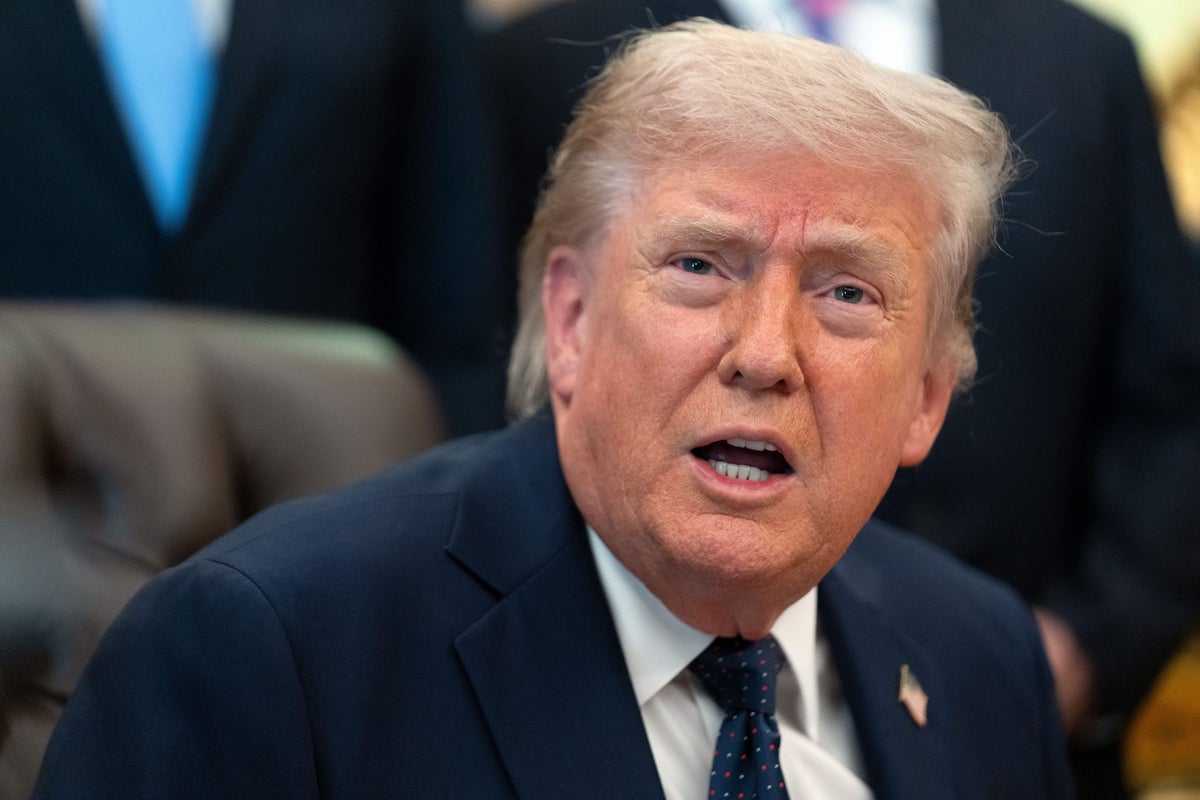
Trump issued a warning to Iran on Wednesday, stating they "better get smart soon" as negotiations between the two nations remain stalled. Reports from U.S. officials earlier this month indicated that Iranian forces have inflicted more significant damage on American military bases and equipment in the Middle East than previously acknowledged, potentially leading to billions in repair costs.
The financial implications of this conflict are particularly pressing for Congress as it nears the 60-day mark, at which point lawmakers may be required to authorize or reject continued military action in Iran. According to the 1973 War Powers Resolution, a presidential administration can engage in military operations without congressional approval for up to 60 days; thereafter, a 30-day extension can be requested or Congress can vote to authorize further action.
In recent months, multiple Senate attempts to compel Trump to end military operations in Iran have failed. A similar effort in the House to pass a war powers resolution also narrowly missed approval earlier this month by just one vote.