

UAE's Exit from OPEC Disrupts Global Oil Dynamics
The United Arab Emirates has officially exited the OPEC oil cartel, a move that disrupts a 65-year-old alliance responsible for about 40% of the world’s crude oil supply and significantly influences global energy prices.
In a statement released Tuesday, the UAE reaffirmed its commitment to gradually increase crude production, aligning with market demand and conditions. This decision follows its exit in May, signaling a shift in strategy.
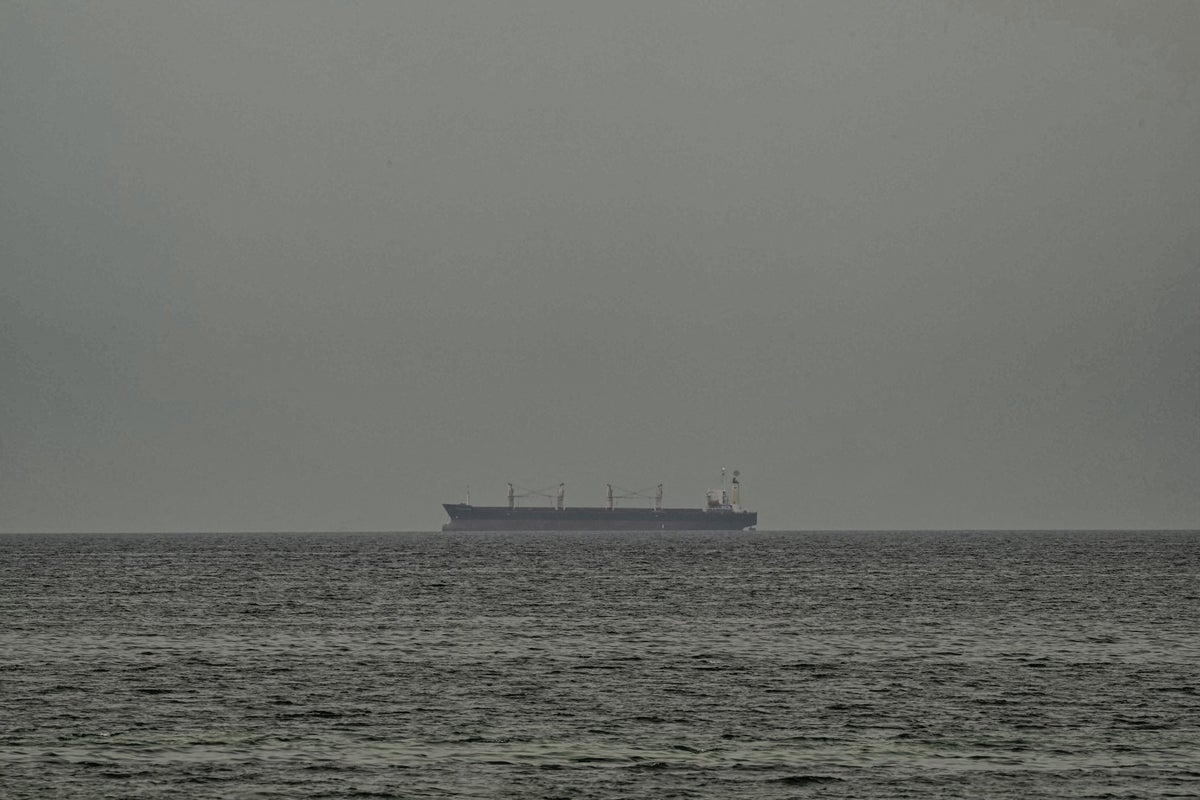
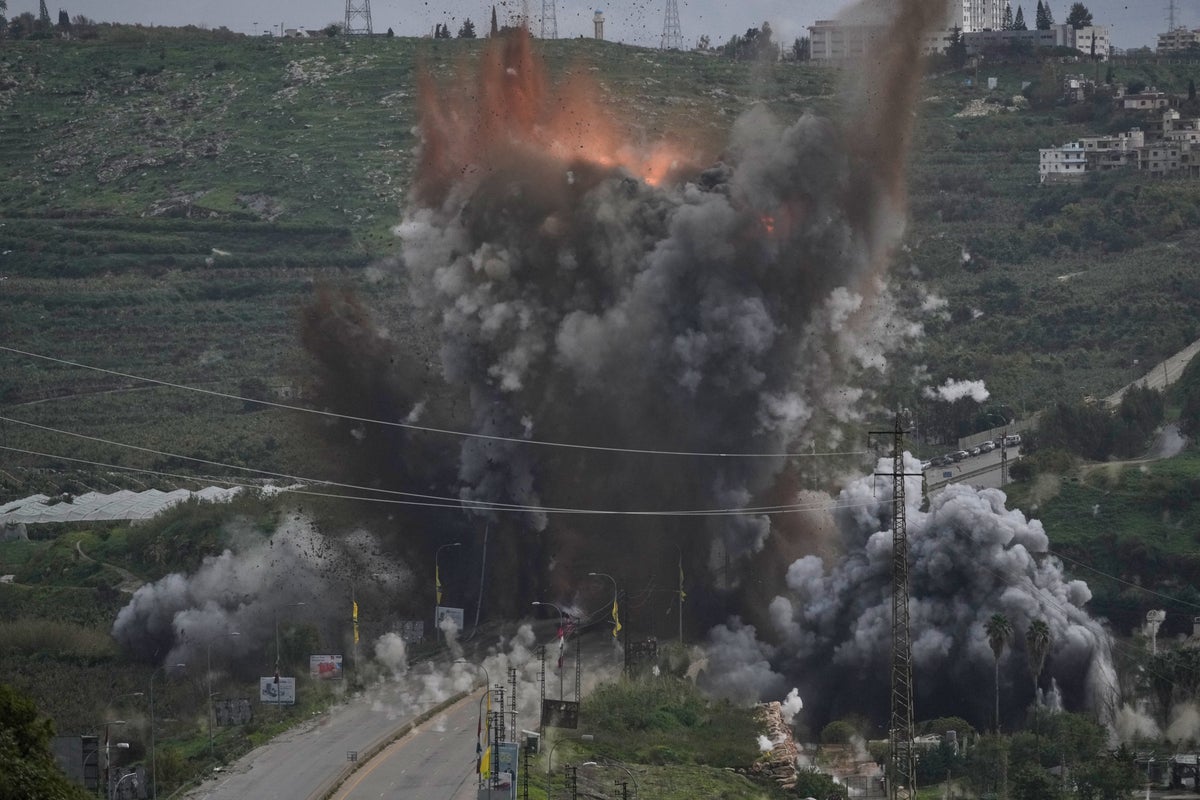
However, the immediate impact on oil prices remains uncertain. The Strait of Hormuz, a critical passage for oil exports, is currently blocked by Iran, limiting the ability of Persian Gulf producers, including the UAE, to export their oil. This blockade complicates the situation, but the long-term implications of the UAE's departure could reshape oil pricing dynamics.
Understanding the significance of this decision requires a look at OPEC's historical role in managing oil prices. Established in Baghdad in September 1960 by founding members Iran, Iraq, Kuwait, Saudi Arabia, and Venezuela, OPEC now includes 12 members—among them the UAE—who collectively control over 80% of the world’s proven oil reserves. Other member nations include Algeria, Equatorial Guinea, Gabon, Libya, Nigeria, and the Republic of the Congo.
Headquartered in Vienna, OPEC's primary objective has been to regulate oil prices through coordinated production adjustments. The organization aims to maintain prices at levels that allow member governments to balance their budgets while avoiding excessive costs that could lead to economic downturns in consuming countries—a phenomenon known as demand destruction.
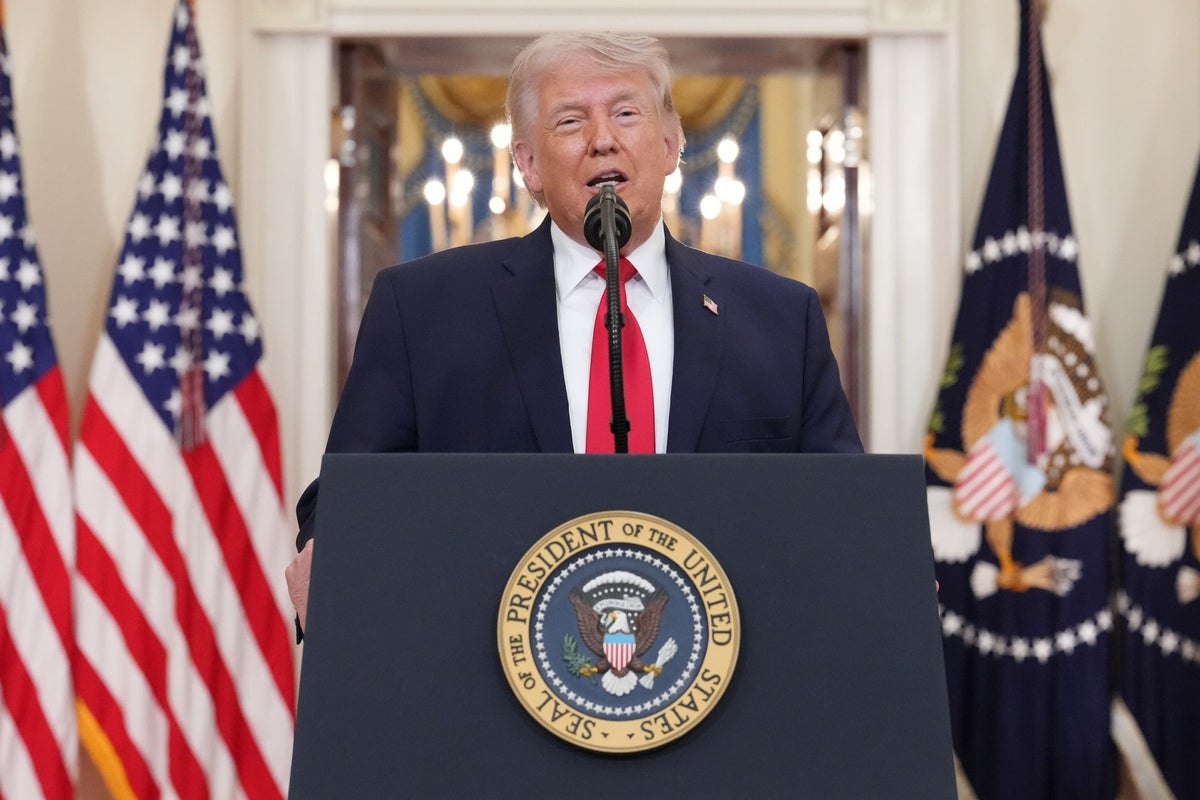
This approach has often faced criticism from U.S. leaders. Former President Trump accused OPEC of exploiting global markets, while President Biden has also urged the cartel to increase production to alleviate rising gasoline prices.
OPEC's stated mission is to unify petroleum policies among its members to ensure fair and stable prices for producers while providing a reliable supply to consumers and a reasonable return on investments in the industry.
The formation of OPEC marked a pivotal shift from Western-dominated oil markets to one where oil-producing nations gained greater control over their resources and profits. Historical instances illustrate OPEC's influence; for example, during the 1973 Yom Kippur War, Arab members imposed an oil embargo on the U.S., leading to a quadrupling of oil prices and long lines at gas stations across America.
In 2016, OPEC expanded its influence by forming an alliance with ten other oil-producing nations, including Russia, known as OPEC+. This coalition aimed to further stabilize global oil markets.
The UAE's departure reflects its desire for greater autonomy in oil production. While cartels can help maintain higher prices, they also limit individual members' earnings and market share compared to non-cartel producers. Tensions have existed between the UAE and Saudi Arabia, the largest OPEC producer and its de facto leader.
Experts suggest that increasing production now is strategic; as global energy consumption shifts towards renewable sources, the value of untapped oil reserves may diminish over time. Thus, producing more oil now could maximize profits before demand declines.
The UAE's exit could weaken OPEC's ability to manage oil prices effectively. Jorge Leon, head of geopolitical analysis at Rystad Energy, noted that losing one of its few members capable of rapidly increasing production diminishes OPEC's leverage. “A structurally weaker OPEC will find it increasingly difficult to calibrate supply and stabilize prices,” he stated. “This points to a more fragmented supply landscape and potentially more volatile oil markets as OPEC’s capacity to smooth out imbalances decreases.”
Despite these changes, the UAE's departure will not immediately increase oil availability while the Strait of Hormuz remains blocked. This critical passageway carries a fifth of the world's oil and gas supplies, and its closure significantly impacts supply conditions. As a result, oil prices have surged amid these constraints.
If the UAE successfully ramps up production post-conflict, it could help stabilize prices closer to pre-war levels. Michael Brown, a research strategist at Pepperstone foreign exchange brokerage, emphasized that current market conditions hinge on whether the Strait of Hormuz is open or closed. “At present, it’s essentially shut,” he remarked. “This tightens supply conditions daily and likely drives benchmark prices higher.”