Anti-Hate Organization Challenges DOJ's Claims — With Evidence in Hand
On April 21, the Southern Poverty Law Center (SPLC) took a bold step, filing two briefs in federal court that accuse the Department of Justice (DOJ) of misrepresentation regarding the civil rights organization’s operations. The SPLC claims the DOJ falsely charged it with serious crimes linked to its use of undercover informants monitoring right-wing extremist factions.
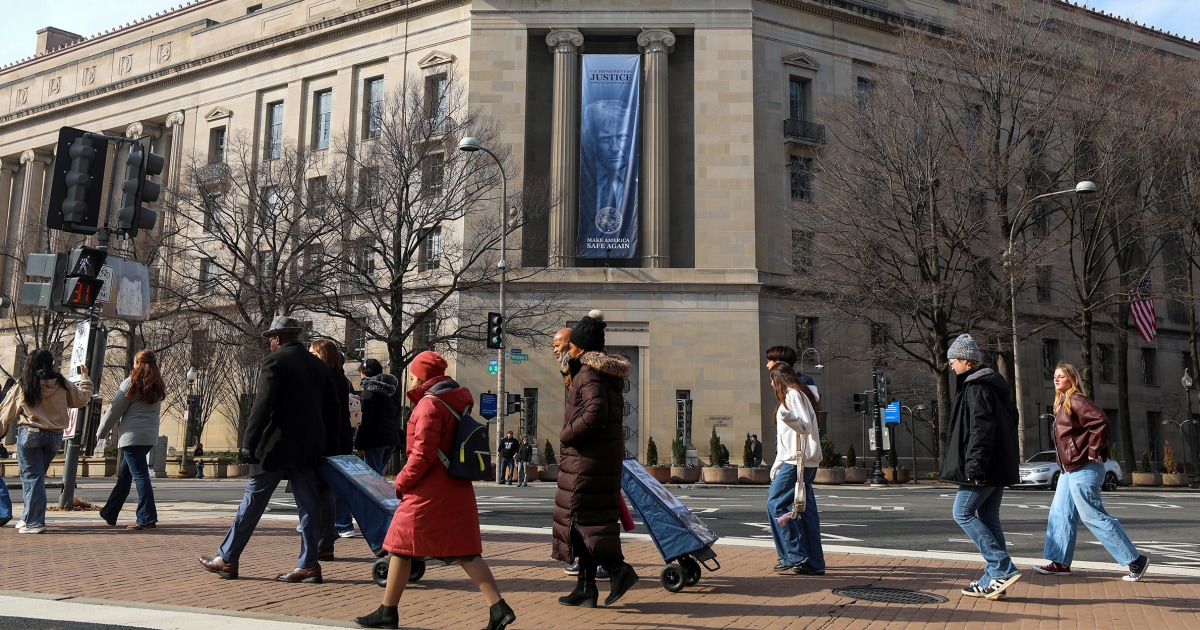
In a striking move, the DOJ announced criminal charges against the SPLC, a prominent civil rights entity established in 1971, known for its long-standing opposition to extremist groups ranging from the Ku Klux Klan to contemporary alt-right movements. The charges allege fraud and money laundering, asserting that the SPLC compensated individuals within these groups to act as informants without sharing any intelligence with law enforcement. Acting Attorney General Todd Blanche emphasized this point during a Fox News interview, stating, “There’s no information that we have that suggests that the money they were paying to these informants... was shared with law enforcement.”
The SPLC vehemently disputes this assertion. In its briefs, the organization details how it provided over 15,000 documents to federal prosecutors during an April 6 meeting, demonstrating that its informants gathered actionable intelligence which was subsequently relayed to both federal and local law enforcement agencies. This intelligence reportedly contributed to convictions and may have thwarted potential domestic terrorist incidents.
On April 17, the SPLC sent a letter to DOJ prosecutors outlining six categories of evidence that directly counter the allegations against them. The letter requested that the grand jury be made aware of numerous instances where the SPLC actively worked to dismantle white supremacist organizations. According to the SPLC’s briefs, the DOJ did not respond to this communication.
“The prosecutors in this case knew of specific instances when the SPLC provided information to law enforcement to thwart, stop, or otherwise help dismantle the activities of those racist groups,” one of the briefs asserts.
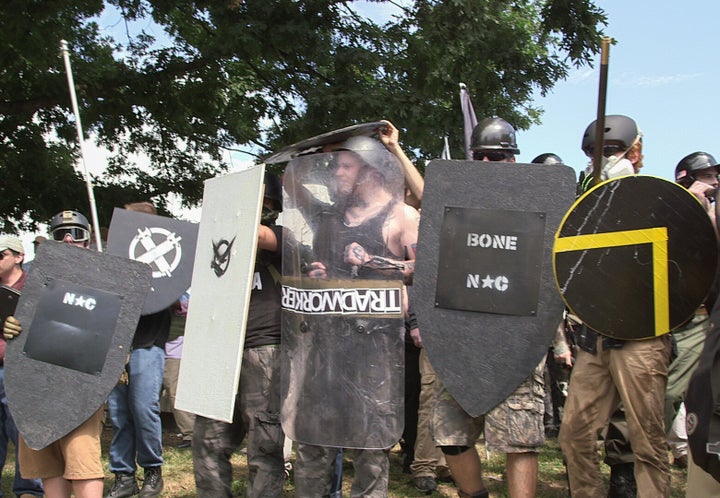
In a critical aspect of its defense, the SPLC highlighted a 45-page “Event Alert” document shared with federal law enforcement prior to the 2017 Unite the Right rally in Charlottesville, Virginia. This document, derived from informant intelligence, warned the FBI about individuals likely to attend and incite violence, detailing names, photographs, and backgrounds. The rally ultimately resulted in tragic violence, including the death of Heather Heyer when a self-identified white supremacist drove into a crowd of counterprotesters.
This information is particularly pertinent as the DOJ indictment references the SPLC’s use of a paid informant embedded with Unite the Right organizers to suggest that the organization was inciting extremism. The indictment claims this informant “made racist postings under the supervision of the SPLC,” yet fails to mention that information from this informant was shared with the DOJ.
Amidst these developments, members of the Trump administration have leveraged the indictment’s claims to assert that the Unite the Right rally was a “hoax” orchestrated by the SPLC to tarnish Trump’s image.
Additionally, the SPLC briefs cite two specific instances where information from paid informants led to law enforcement actions that prevented violence. In 2019, Conor Climo, a 23-year-old extremist linked to Atomwaffen Division, was arrested for plotting attacks on a Las Vegas synagogue and a gay bar after receiving intelligence from the SPLC. Climo later pleaded guilty to weapons charges related to bomb-making components.
Another case involved Fred Arena, who pleaded guilty in 2019 for lying about his ties to Vanguard America while applying for a national security clearance. Arena had participated in the Unite the Right rally as a member of this white supremacist group.
The SPLC argues that the DOJ’s alleged falsehoods regarding its activities constitute “misconduct” that could taint potential jurors and hinder its ability to secure a fair trial. The organization has requested that prosecutors cease making misleading statements about its cooperation with law enforcement and that they disclose introductory remarks and legal instructions given to the jury that returned the indictment.