


Hegseth Critiques European Allies, Urges Gratitude for Trump’s Actions in Iran
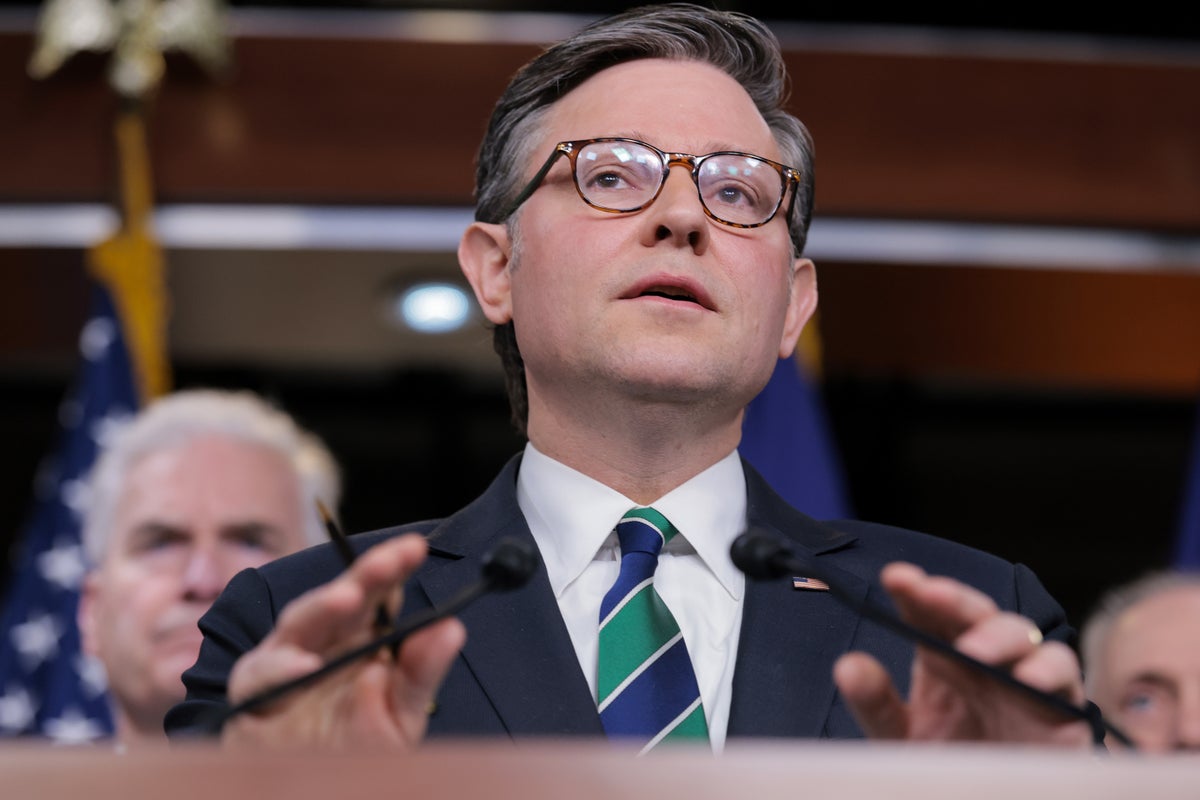
US Defense Secretary Pete Hegseth did not hold back during a Pentagon briefing on Thursday, labeling America's European allies as “ungrateful” and insisting they owe a debt of gratitude to Donald Trump for his approach to the ongoing conflict in Iran.
“They should be thanking us for our efforts to prevent this terror state from holding the world hostage with missiles and pursuing nuclear capabilities,” Hegseth asserted, emphasizing the critical role of US intervention.
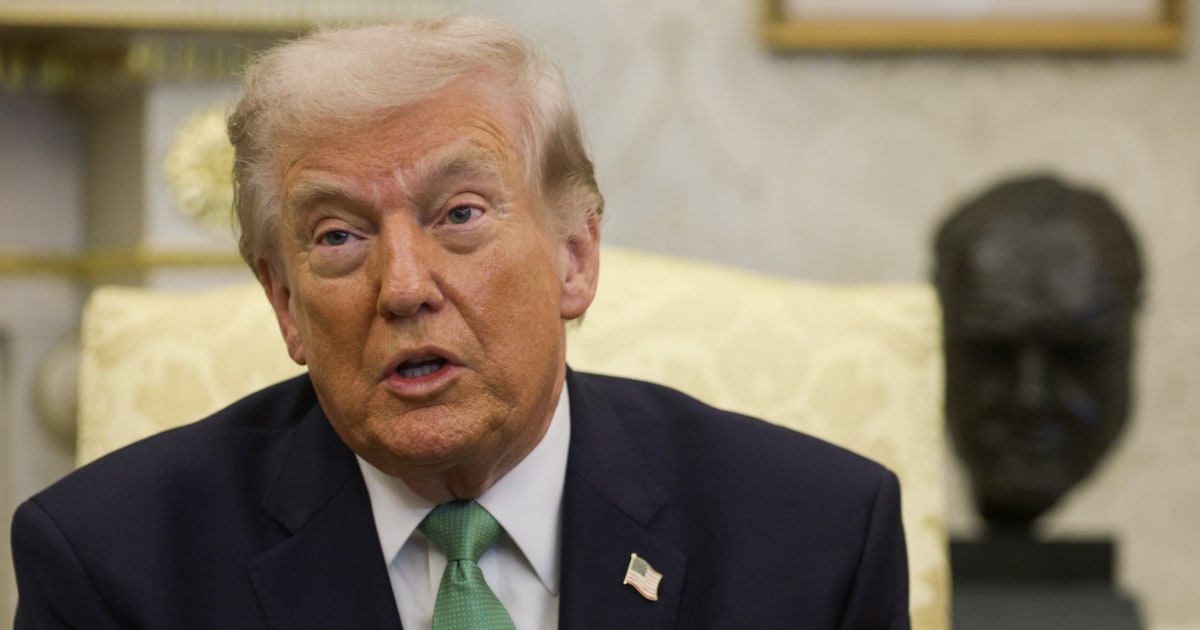
Criticism of NATO allies has been a recurring theme among American officials, including Trump himself, who recently claimed that NATO had “abandoned the US in our time of need.” However, he added, “We don’t need their help.”
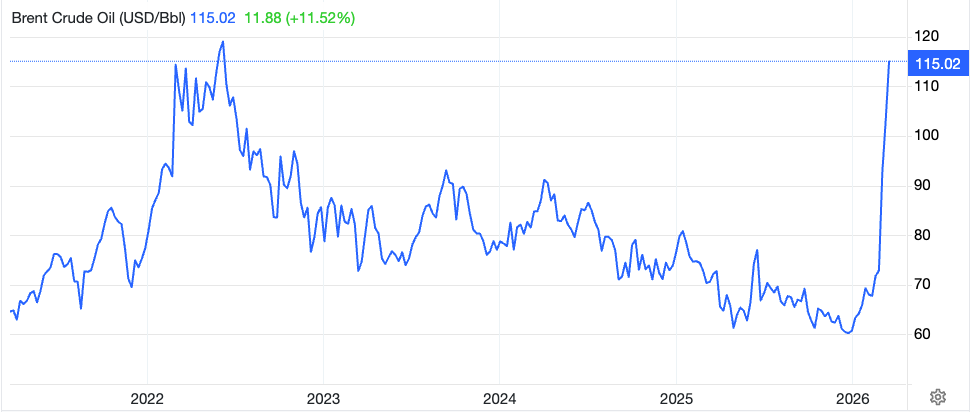
In a related development, oil prices surged to $114 (£86) following Trump’s warning that the US would “massively blow up” a significant Iranian natural gas field if Tehran continued its aggression against “very innocent” Qatar.
Brent Crude Oil prices have seen an increase of over 13 percent within a week, spurred by Iranian strikes on energy facilities in neighboring Gulf countries as retaliation for an Israeli attack on its South Pars gas field.
During a hearing before the House Intelligence Committee, Director of National Intelligence Tulsi Gabbard highlighted a divergence in objectives between American and Israeli military strategies in Iran. “The objectives laid out by the president differ from those articulated by the Israeli government,” she noted.
Gabbard elaborated, stating, “While Israel focuses on disabling Iranian leadership, the president aims to dismantle Iran's ballistic missile capabilities and naval strength.”
On Wednesday, Israel conducted an attack on the South Pars gas field, which was reportedly coordinated with the US. However, three Israeli officials indicated that such actions would not be repeated, despite Trump’s claims of ignorance regarding the operation. The attack prompted Iranian aerial assaults on energy infrastructure across Qatar and the broader Middle East, marking a significant escalation in hostilities.
Israel has not officially claimed responsibility for the South Pars attack. Trump stated via social media that Washington was unaware of this specific strike and warned that further Israeli actions would depend on Iran's behavior towards Qatar.
The Israeli officials, speaking anonymously, expressed no surprise at Trump’s comments, likening the situation to previous instances where Pentagon chief Hegseth distanced the US from Israeli strikes on Iranian fuel depots.
Since the Israeli assault on South Pars, Iranian retaliatory actions have inflicted severe damage on Qatar's gas plant, targeted a Saudi refinery, and compelled the UAE to shut down gas facilities.
French President Emmanuel Macron has called for de-escalation in the region, advocating for a halt to strikes against civilian infrastructure. “It is time to open a path towards de-escalation to restore stability in the Middle East,” he stated.
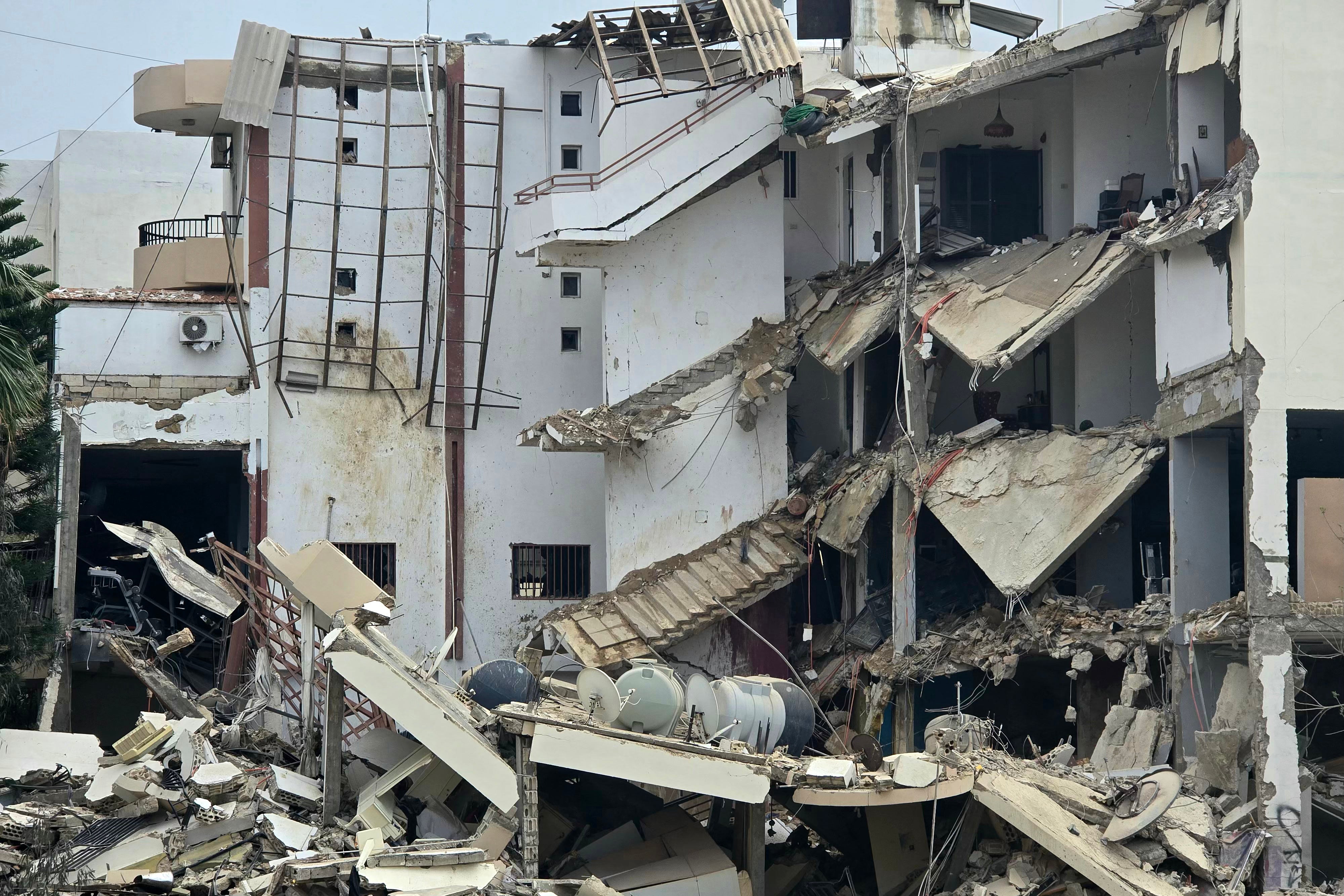
Macron urged immediate implementation of a moratorium on attacks targeting civilian infrastructure related to water and energy, emphasizing the need for restored freedom and security of navigation.
In a joint statement with leaders from France, Germany, Italy, the Netherlands, and Japan, Sir Keir Starmer condemned Iranian assaults on vessels and the effective closure of the Strait of Hormuz. They expressed deep concern over escalating conflicts and called for an immediate cessation of threats and attacks by Iran.
Iran's intelligence ministry reported the arrest of 97 individuals accused of being "soldiers of Israel," part of a broader crackdown that has seen hundreds detained over alleged ties to Israel and the US since hostilities began.
Earlier reports indicated that 41 people were arrested for allegedly sending videos to foreign opposition media channels.
South Pars is recognized as the world's largest fossil gas field, shared between Iran and Qatar. The recent Israeli strikes mark a significant shift in targeting energy production facilities rather than merely transport sites.
Experts warn that damage to production capabilities could have long-lasting effects beyond the current conflict. Saul Kavonic from MST Financial remarked, “A loss of several million barrels of production would have a more significant impact due to the inability to replenish stocks post-war.”
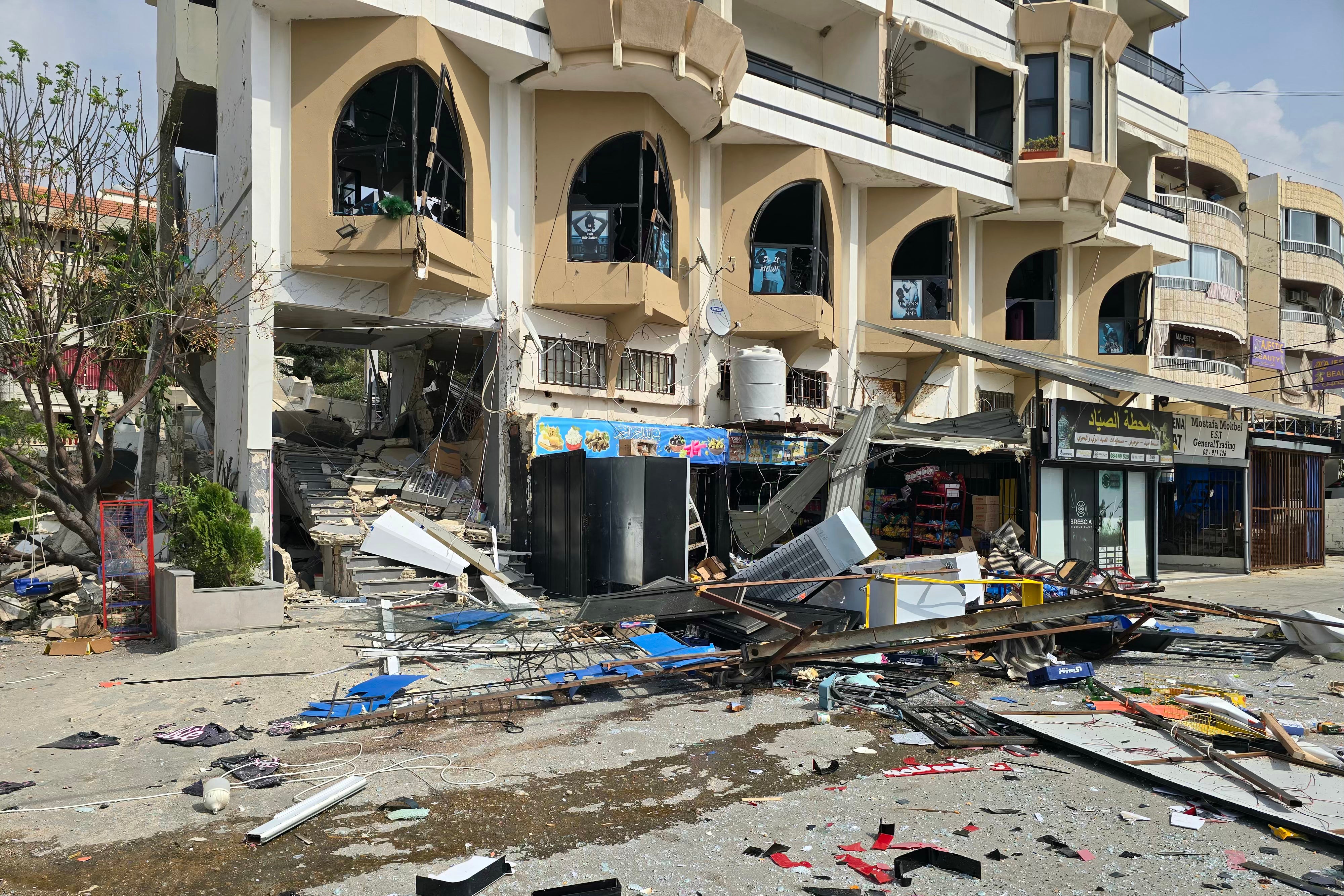
Targeting liquefied natural gas facilities could be particularly detrimental, potentially requiring years for repairs.
In another development, Iran's internet blackout has now extended into its 20th day, marking the longest recorded shutdown in history according to digital governance monitor NetBlocks. This surpasses previous blackouts imposed during anti-regime protests earlier this year.
Connectivity has been unavailable for over 456 hours, raising concerns about information access and civil liberties within Iran.