

Iran Conflict and Soaring Gas Prices Spark Economic Anxiety; Majority Doubt Success of War
Americans are weighing the implications of the ongoing conflict in Iran, focusing on two critical aspects: the objectives abroad and the repercussions at home.
Currently, there is a strong desire among the populace to see significant changes in Iran. A majority believe halting the nuclear program is essential, ensuring freedom for the Iranian people is paramount, and they find it unacceptable for the Iranian regime to remain in power post-conflict.
However, there is also a pressing call to conclude the conflict swiftly, driven by escalating economic pressures domestically.
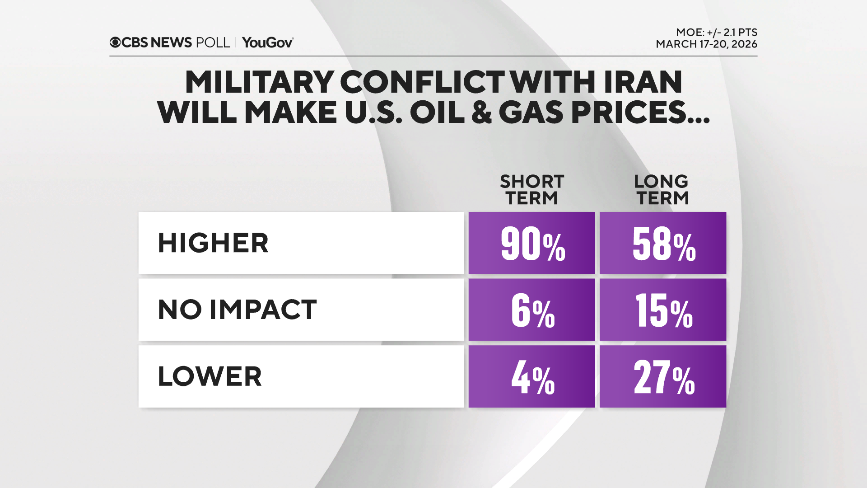
Soaring gas prices are contributing to a growing pessimism about the U.S. economy, with many expressing concerns about potential negative impacts in both the short and long term.
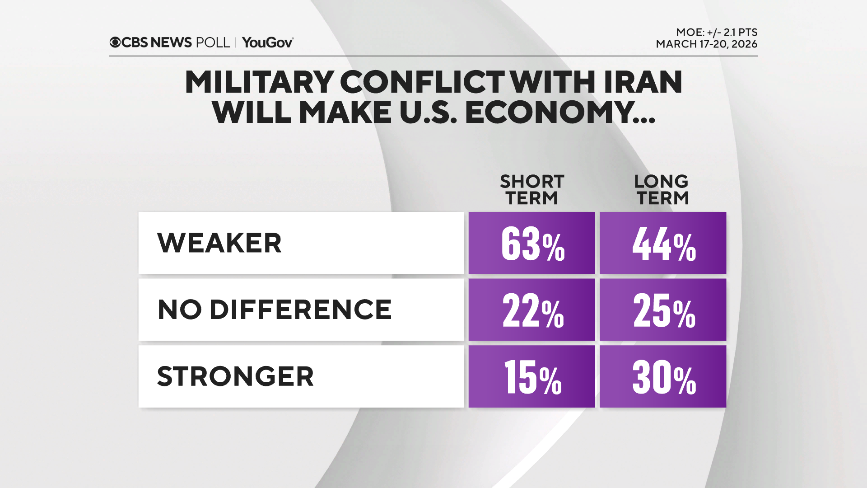
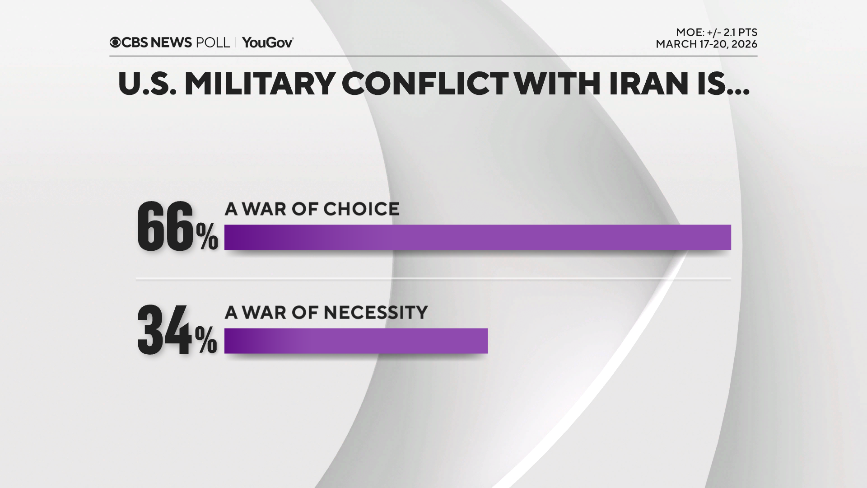
This economic uncertainty is compounded by a rising sentiment that the current administration has failed to provide adequate explanations regarding the war. Many view it as a conflict of choice rather than necessity.
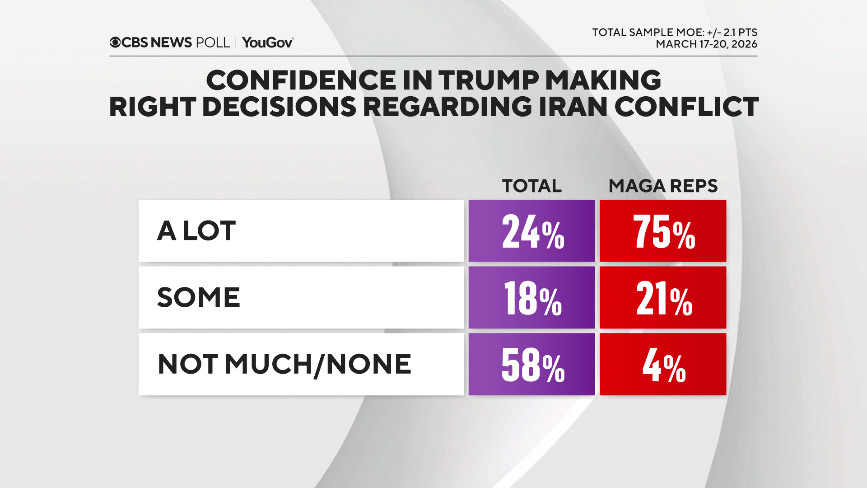
Overall, a significant portion of Americans perceive the war as not progressing favorably. Yet, it continues to receive backing from a substantial segment of the president's Republican supporters, who maintain a high level of confidence in his leadership.
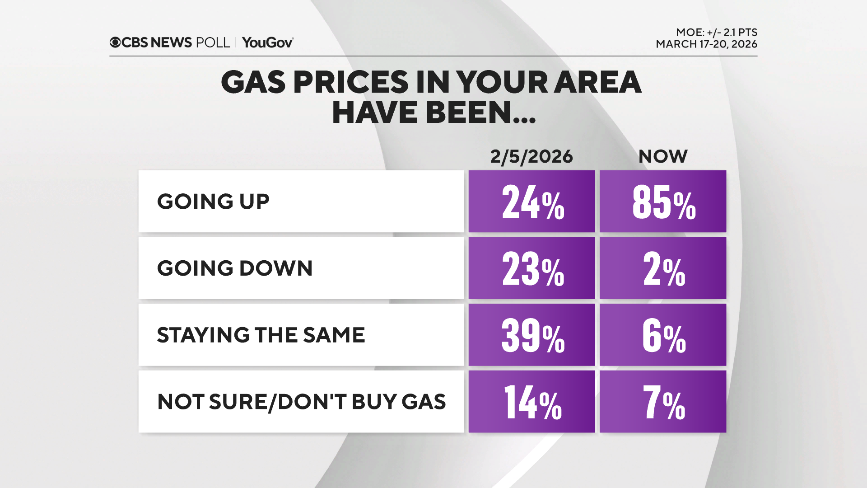
There is a clear connection drawn between the war and rising gas prices, with many believing that both immediate and future economic conditions are adversely affected.
Despite calls for patience from the administration, public sentiment leans towards skepticism regarding any economic benefits from the conflict. Most anticipate that it will weaken the economy in the near term.
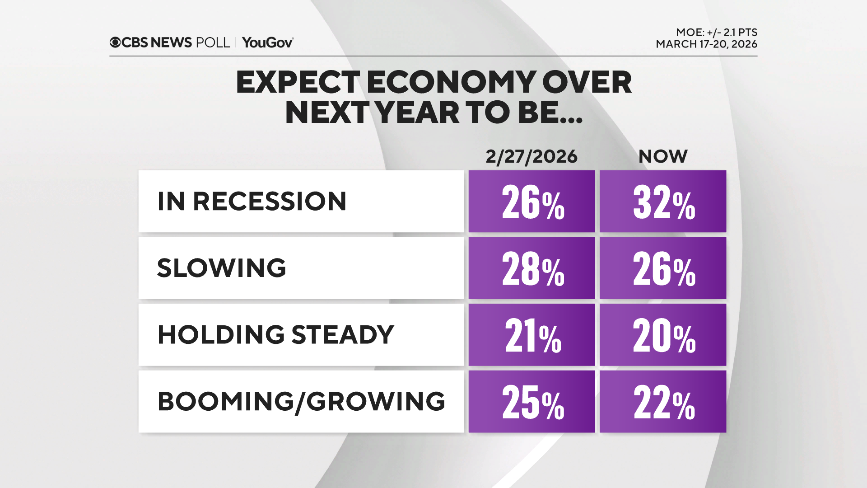
Concerns about a potential recession are resurfacing, while perceptions of the current economic situation have declined.
This shift coincides with an increase in individuals reporting higher prices across various sectors.
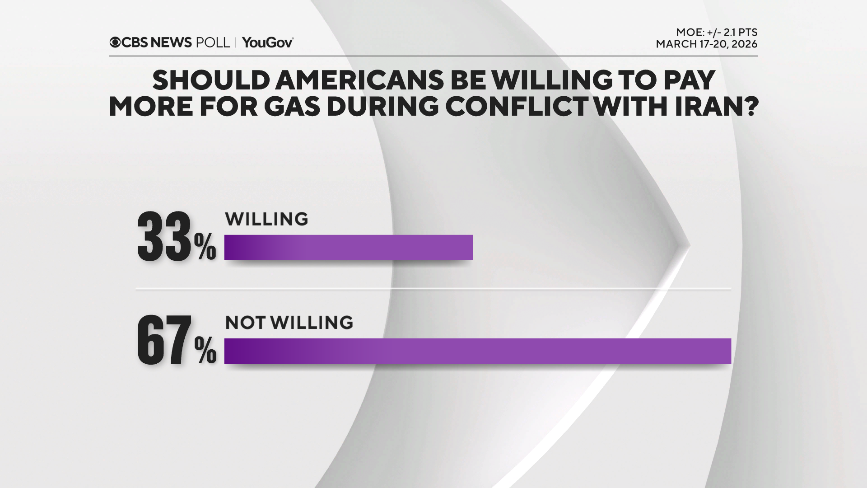
When it comes to sacrifices during this conflict, many Americans do not believe they should bear the burden of increased gas prices.
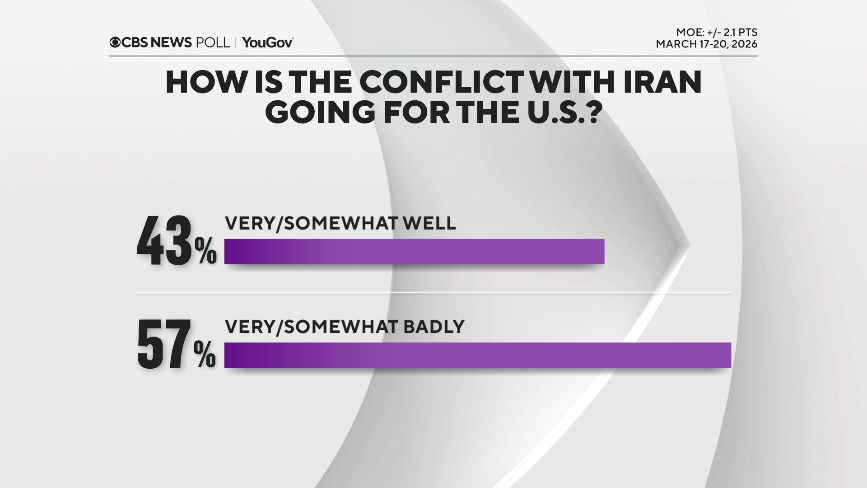
Those skeptical about the war express a collective uncertainty; they feel uninformed by the administration and are unsure about its duration. They do not perceive any tangible benefits, either in terms of national security or economic strength.
Looking ahead, how will public opinion evolve?
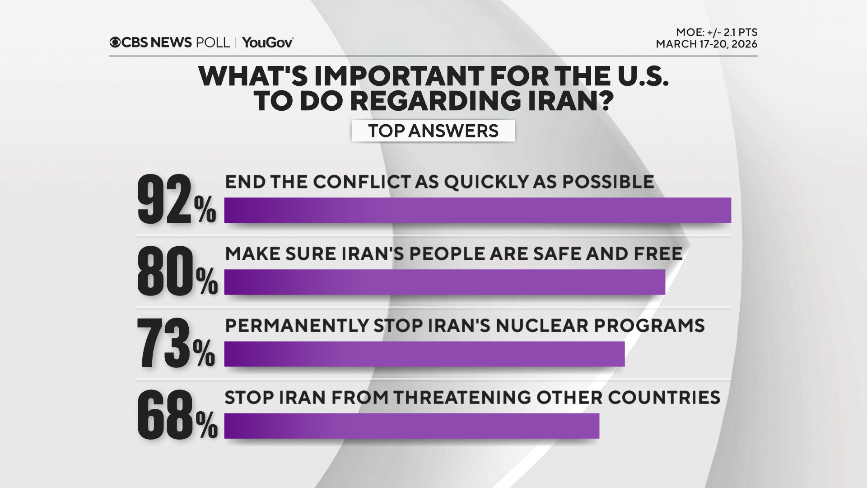
Among various U.S. objectives, the most pressing for Americans is to see an end to hostilities as soon as possible.
Other significant goals include ensuring freedom for the Iranian populace and curbing Iran's nuclear ambitions.
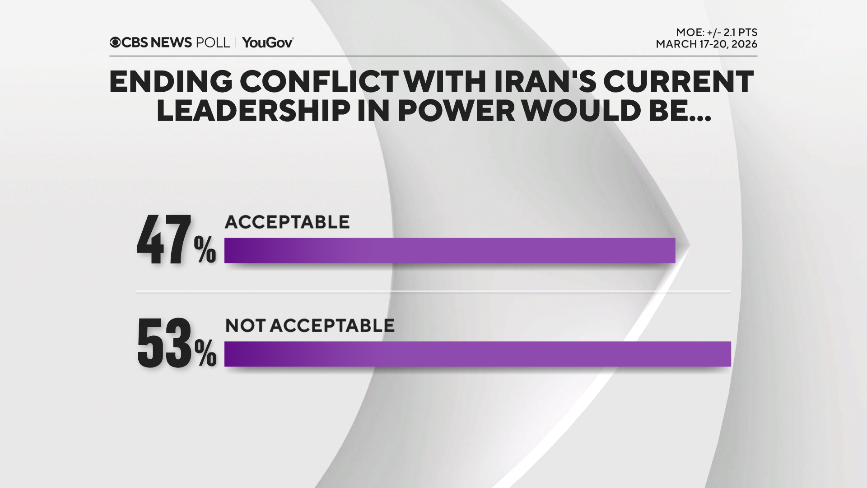
Ending the conflict with the regime still intact is deemed unacceptable by most citizens.
This apparent contradiction between wanting swift resolution and achieving specific goals highlights a demand for clearer communication from the administration.
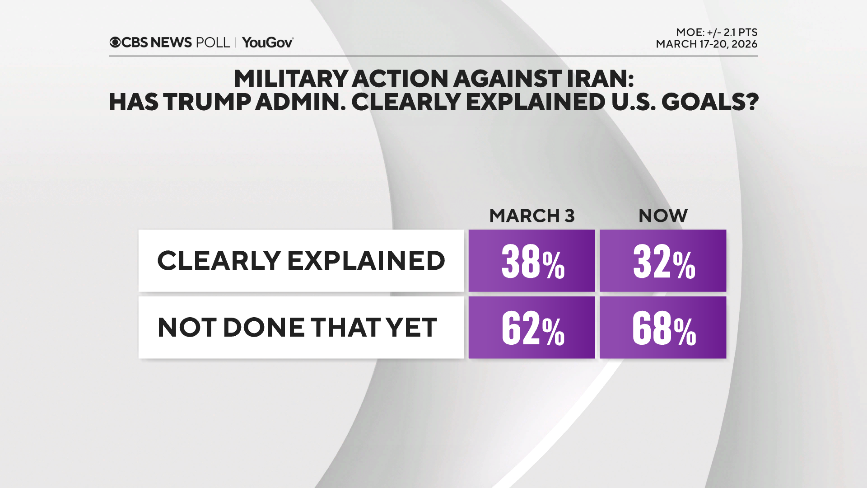
Fewer individuals today believe that U.S. objectives have been clearly articulated compared to when hostilities began.
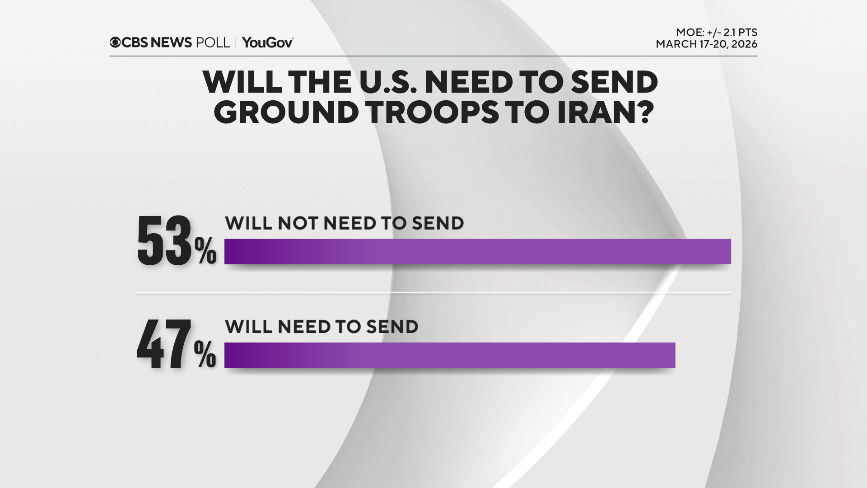
Nearly half of respondents think ground troops may be necessary, with opinions divided on whether the situation is favorable for the U.S.
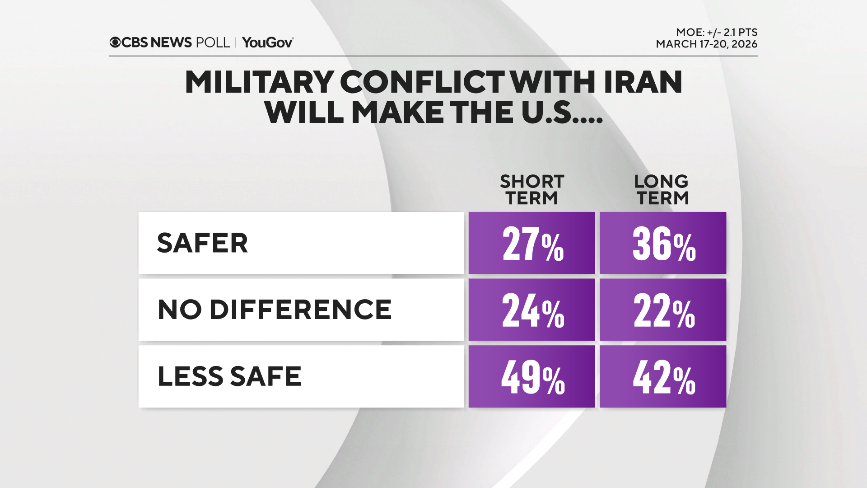
However, there is little perceived benefit regarding national safety; just over one-third believe that the conflict will enhance U.S. security in the long run.
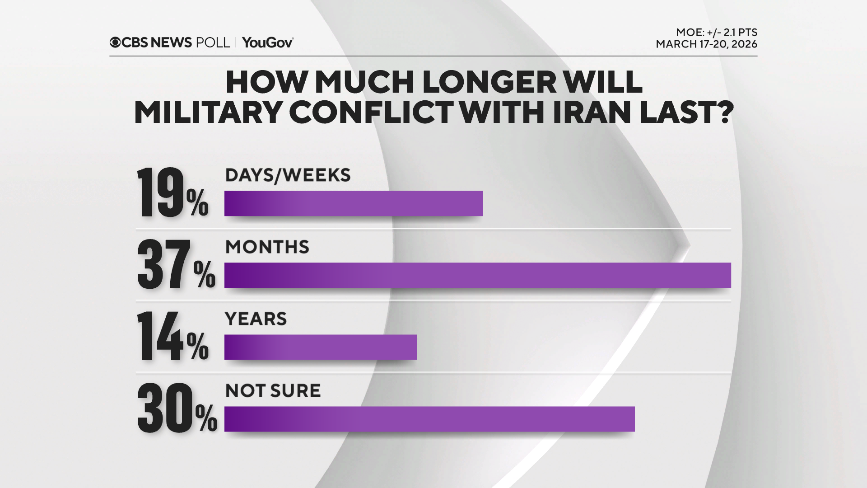
Uncertainty looms over how long this conflict might persist. Most anticipate it could last months or even years, with nearly a third unsure of its duration.
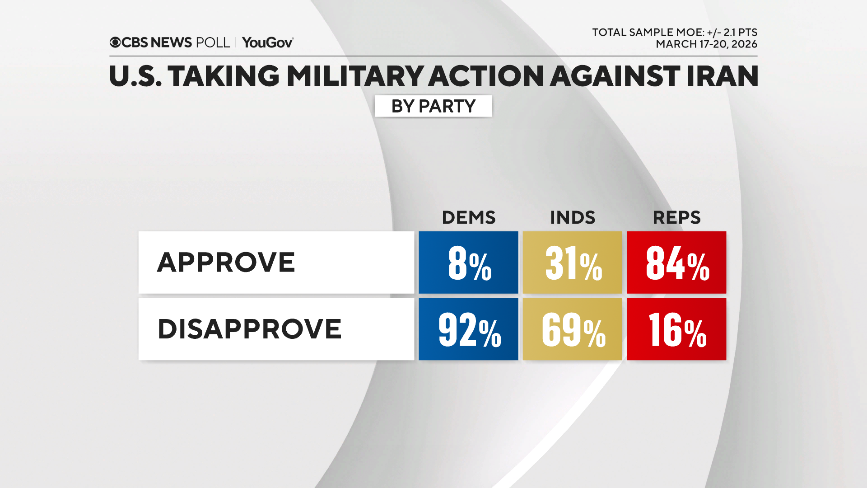
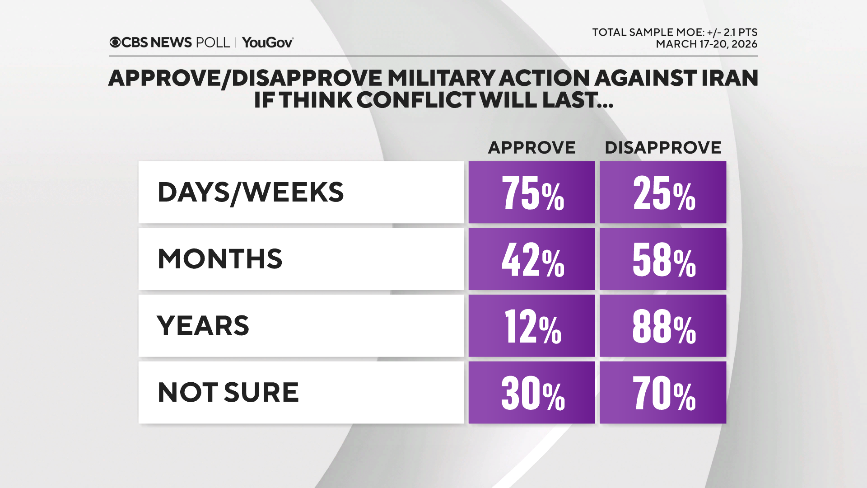
Disapproval of military actions in Iran has increased since the onset of hostilities, and as public perception of duration extends, disapproval grows.
This sentiment stems from viewing the conflict as a war of choice rather than necessity.
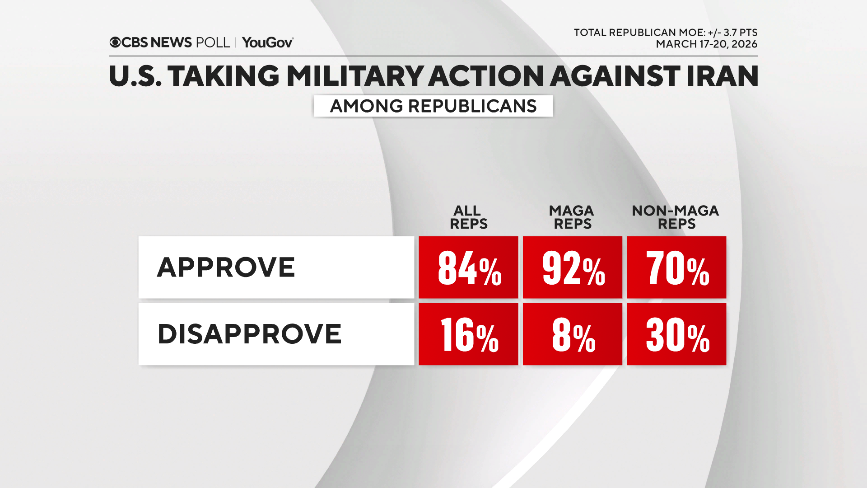
The MAGA base continues to support Trump and his military strategy, expressing confidence in his leadership despite concerns about longevity.
This pattern of unwavering support aligns with historical trends observed across various issues, including military engagements.
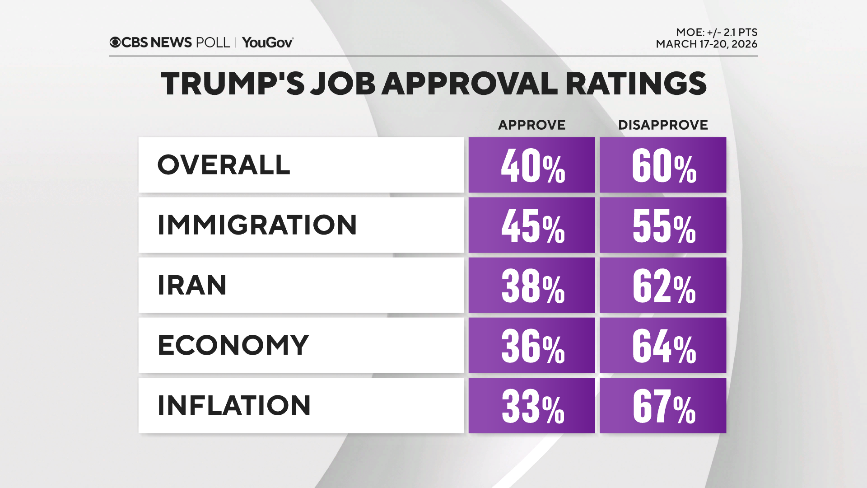
Trump's approval ratings remain stable since before the conflict began, hovering around 40%. He retains strong backing from Republican constituents.
However, on specific issues like economic management and inflation, his ratings are comparatively lower than on immigration policies.
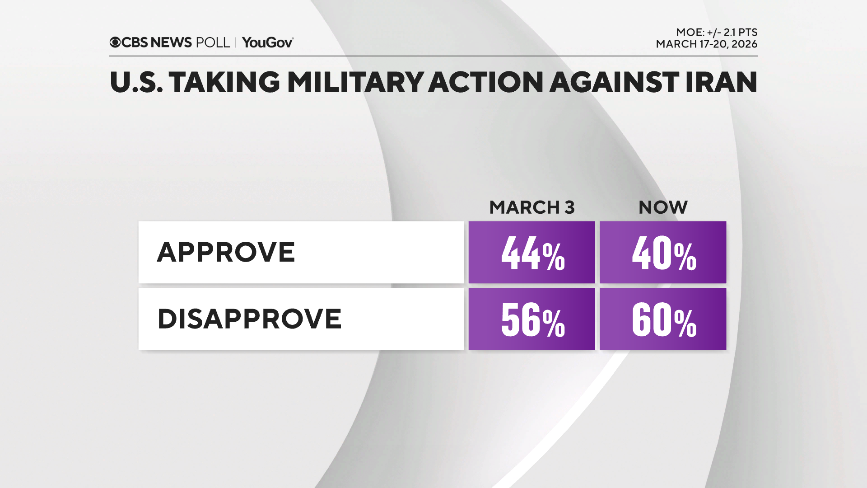
In summary, those who support military action against Iran predominantly identify as Republicans who trust Trump and believe that this conflict strengthens U.S. global standing and safety. They view it as a necessary engagement rather than a choice.
Conversely, disapproval largely comes from Democrats and independents who lack partisan allegiance to the president. They fear that this conflict will compromise U.S. safety both now and in the future and anticipate prolonged engagement.
This survey was conducted with a nationally representative sample of 3,335 U.S. adults between March 17-20, 2026. The margin of error stands at ±2.1 points.