


Mexican Leader Sheinbaum Contributes Personal Funds for Humanitarian Aid to Cuba
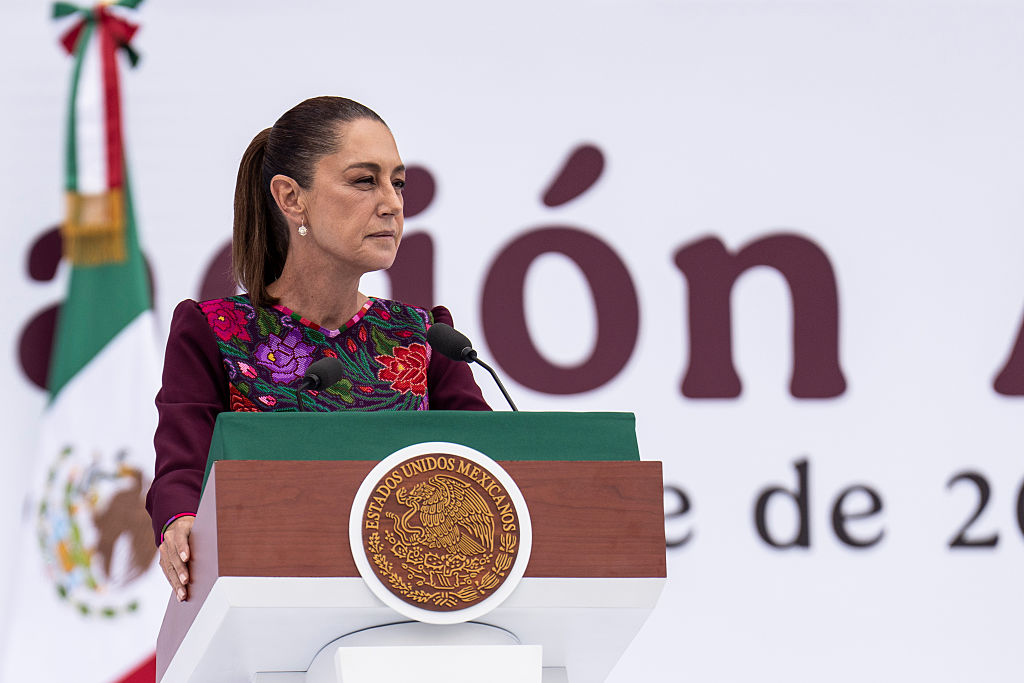
Mexican President Claudia Sheinbaum announced a personal contribution aimed at bolstering humanitarian aid for Cuba, as her government navigates the complexities of international relations without escalating tensions with the United States.
During her routine press briefing, Sheinbaum revealed she donated 20,000 Mexican pesos, approximately 1,100 U.S. dollars. She emphasized that this donation is a personal initiative, distinct from her administration's ongoing support for the island nation.
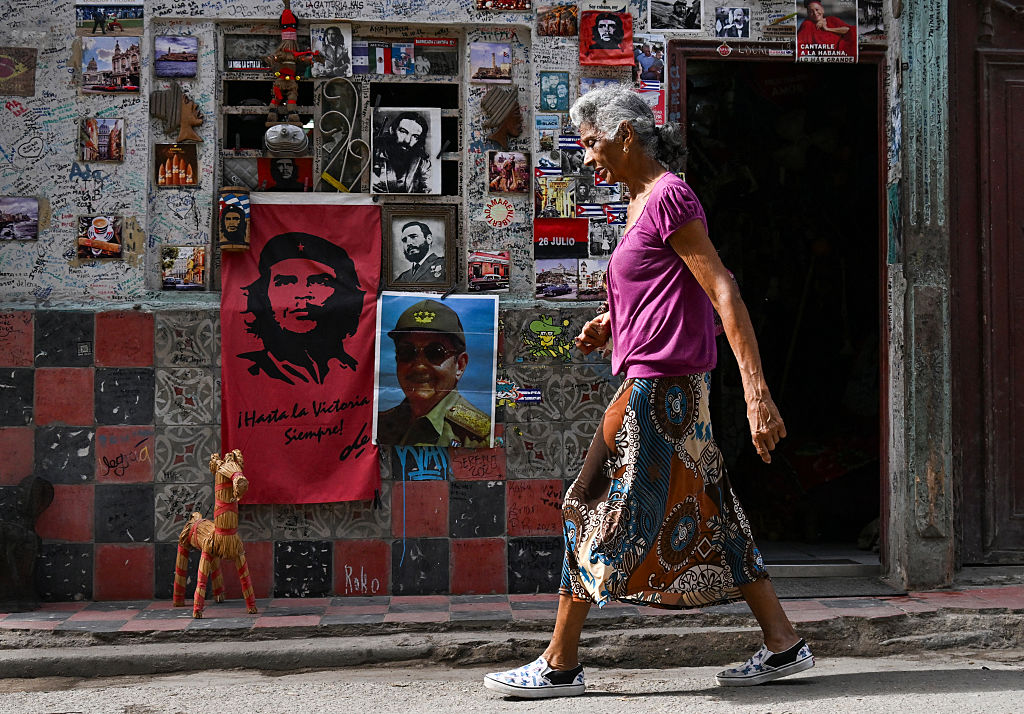
In recent weeks, Mexico has dispatched aid shipments to Cuba while seeking avenues to maintain assistance despite pressure from U.S. authorities. Sheinbaum articulated her stance against sanctions, asserting that "you can't hurt the people just because you disagree with the government," highlighting the humanitarian implications of such policies.
Additionally, Sheinbaum reaffirmed her commitment to welcoming Cuban doctors into Mexico, countering allegations of human trafficking made by Republican Representative Mario Diaz-Balart.
The Mexican embassy in the U.S. responded via social media, clarifying that its healthcare collaborations "ensure direct compensation for medical professionals and dignified working conditions," and stressed that "foreign workers have the same rights and conditions as Mexican workers under Mexican law."
This statement followed Diaz-Balart's claims that Sheinbaum is "complicit in human trafficking," referencing U.S. policies aimed at Cuba's overseas medical initiatives.

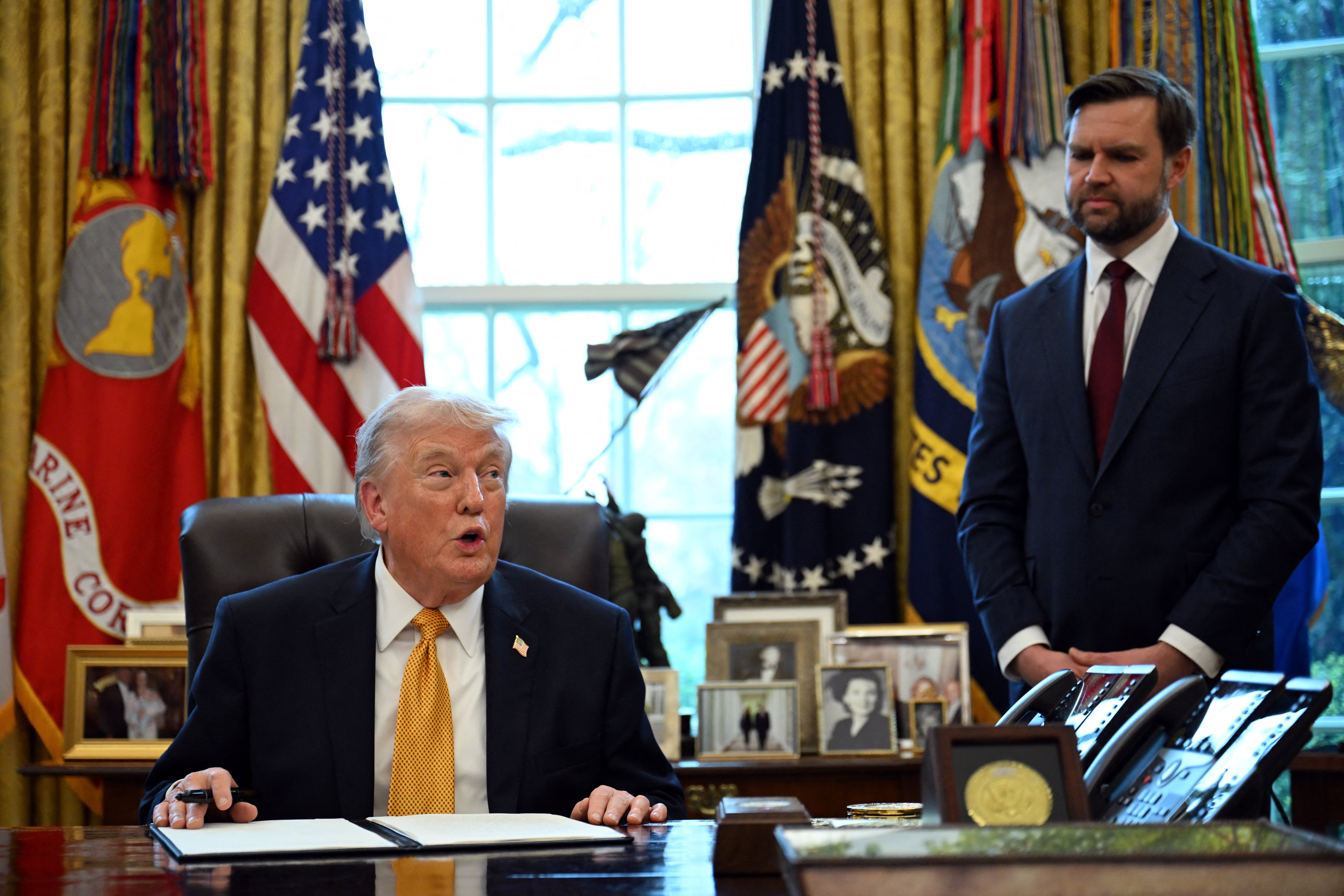
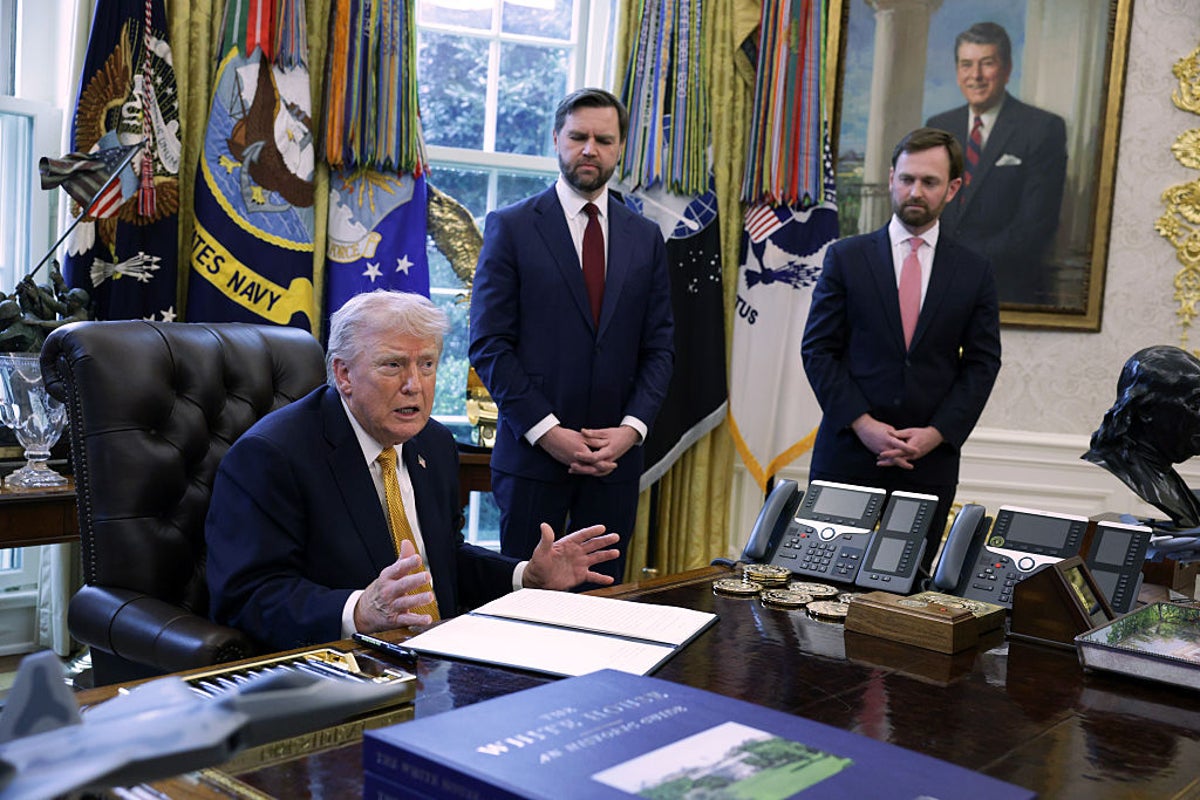
Diaz-Balart's remarks resonate with broader concerns voiced by U.S. officials, including Secretary of State Marco Rubio, who has labeled Cuba's deployment of medical personnel abroad as a "form of human trafficking." These programs, which send Cuban healthcare workers to various countries across Latin America and beyond, have historically strained relations between Washington and Havana.
Since their inception shortly after the 1959 revolution, these missions have significantly shaped Cuba's international reputation. The first major deployment occurred in Algeria in 1963, and since then, Cuban doctors have been dispatched to areas affected by disasters, poverty, or epidemics. Critics argue that these missions often exploit medical professionals due to stringent state control over their wages and mobility. Conversely, Cuba defends these programs as essential to international solidarity and a vital source of revenue for its economy.
© 2025 Latin Times. All rights reserved. Do not reproduce without permission.