


Netanyahu Claims Election Theft Amidst Majority Failure
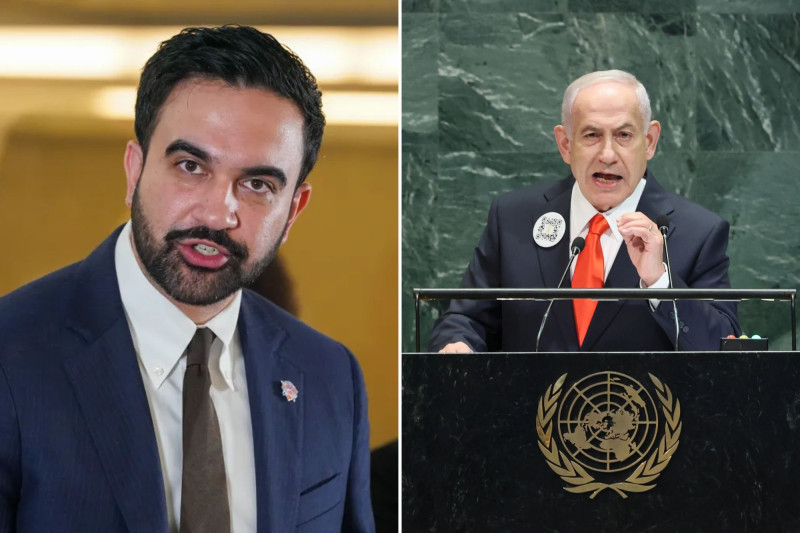
Israeli Prime Minister Benjamin Netanyahu screams foul play, alleging that Arab-led political factions orchestrated a theft of the election, as preliminary results show his Likud-led bloc lacking the necessary parliamentary majority to establish a government.
In a fiery statement released Wednesday, Netanyahu charged that these parties resorted to bribery, threats, violence, forgery, and the deployment of prohibited software to sway voters. His party claims to have amassed hundreds of testimonies and pieces of evidence, which they are forwarding to Israel's police, domestic intelligence agency Shin Bet, and the Central Elections Committee, demanding a comprehensive investigation.
"The elections in the State of Israel were stolen by Arab parties that support terrorism and the elimination of the Jewish state through serious criminal offenses of bribery, threats, violence, forgeries, and the use of prohibited software to mobilize voters," the statement declared.
These explosive allegations surfaced as Arab-led parties made notable gains in Tuesday's election, positioning themselves as pivotal players in the negotiations for the next government.
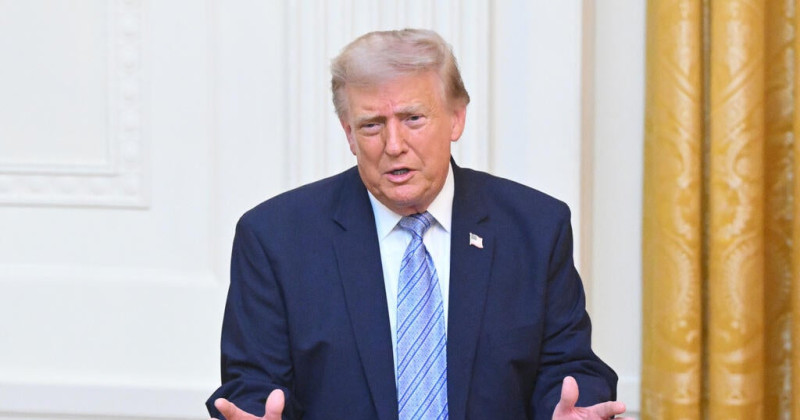
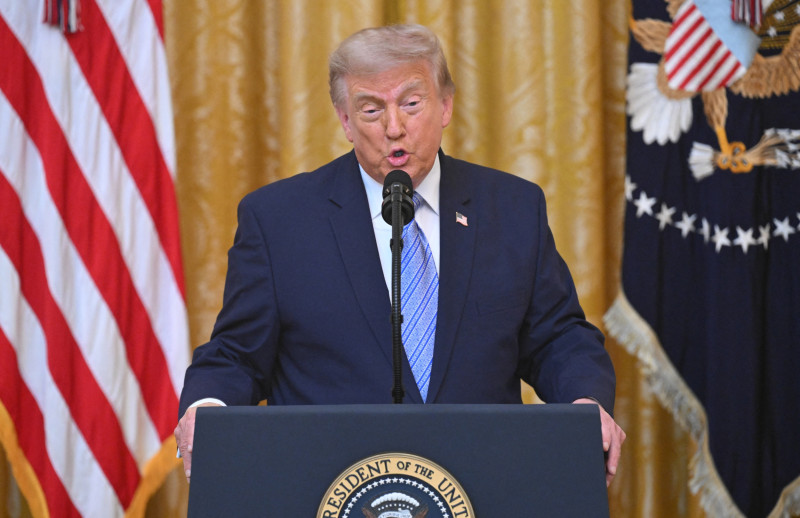
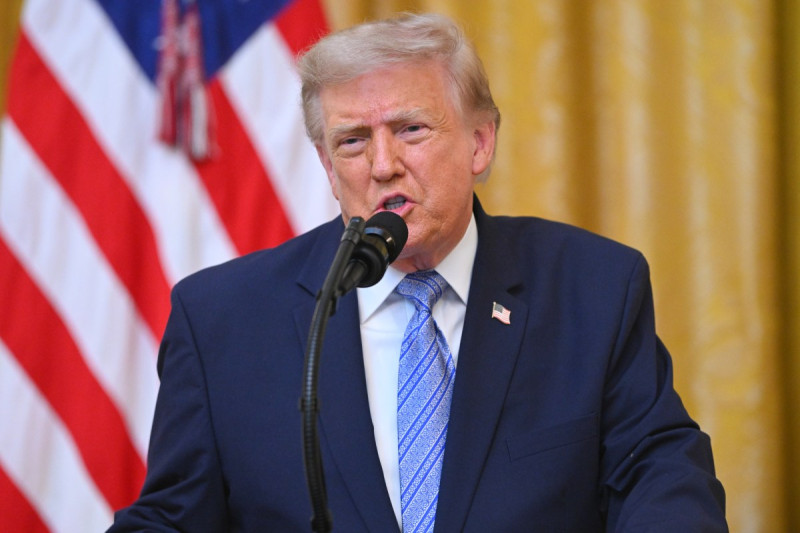
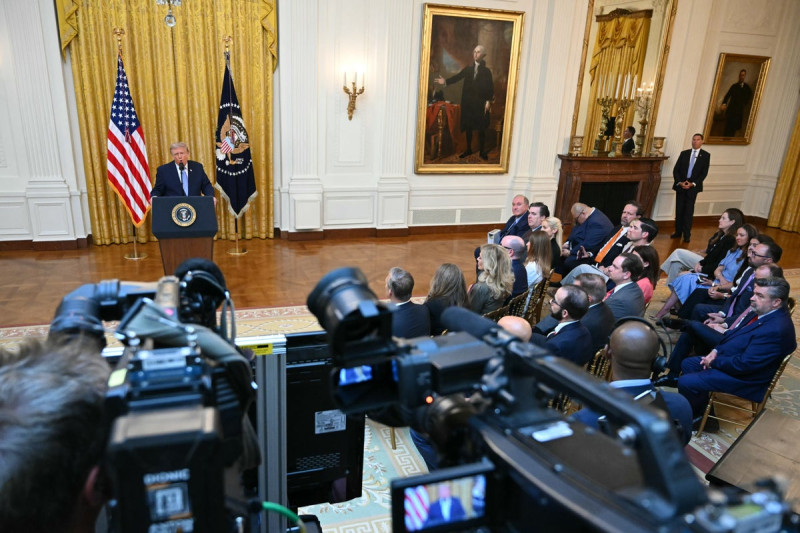
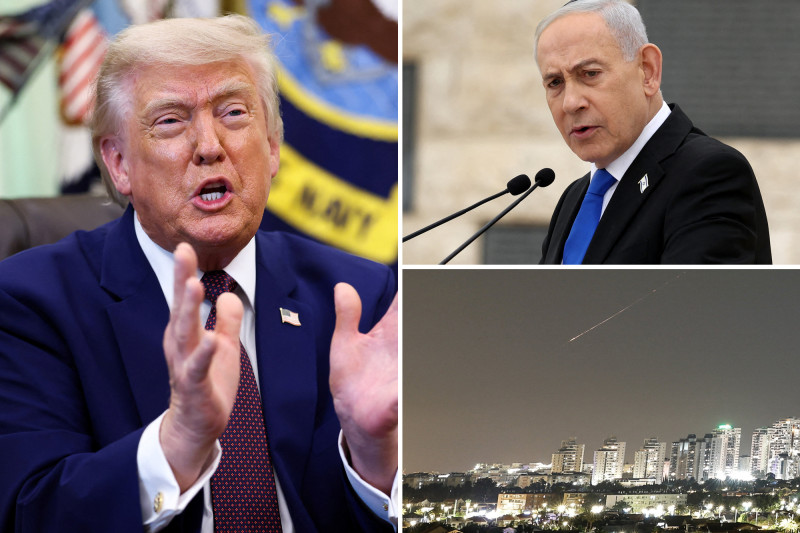
President Donald Trump weighed in on Tuesday, asserting that his endorsement bolstered Netanyahu's performance, despite the prime minister's precarious path to forming a government.
Likud reported it had gathered evidence of irregularities at numerous polling stations, including thousands of envelopes filled with cash and ballots intended for Ra'am, an Arab-led party led by Mansour Abbas.
The party also cited threats and violence directed at polling station officials, instances of multiple voting behind screens, voting under false identities, discrepancies between ballot counts and registered voters, and the use of prohibited software to mobilize voters.

Likud urged police and Shin Bet to investigate these claims and prosecute those responsible. They demanded an immediate response from the Central Elections Committee, arguing that these alleged offenses compromised the integrity of the vote and the voting rights of Israeli citizens.
The committee acknowledged receipt of Likud's request and stated it was under review as part of its established election-integrity monitoring process. An official from the committee previously dismissed fraud claims during an interview with Israeli television.
With around 85 percent of votes counted, preliminary projections indicate Netanyahu's Likud-led bloc secured 53 seats, while his main rival, former military chief Gadi Eisenkot's bloc, garnered 48 seats. Arab-led parties are projected to hold 19 seats.
A governing coalition requires at least 61 lawmakers in the 120-seat Knesset.
Despite being the largest individual party with approximately 20.8 percent of the vote compared to Eisenkot's 16.1 percent, winning the most votes does not guarantee Netanyahu the parliamentary backing needed to govern.
These results reflect a decline for Likud from the 23.4 percent it achieved in the 2022 election. However, Netanyahu’s party appears to have outperformed some early exit polls, complicating initial expectations that his government could be decisively unseated.
Netanyahu's bloc requires eight additional seats for a majority, while Eisenkot's bloc needs 13 based on current projections.
The Arab-led parties could play a crucial role in determining who forms the next government. Eisenkot has left open the possibility of collaborating with them under specific conditions, although such an arrangement could alienate other potential coalition partners.

Netanyahu has outright rejected any partnership with Arab-led parties, labeling such an arrangement unacceptable and warning against what he termed a “dangerous government” that might include them. The Arab-led factions have also ruled out joining a coalition with him.
The vote count remains incomplete. Absentee ballots, including those cast by military personnel and diplomats, are expected to continue being counted through Thursday evening.
Trump's assertion late Tuesday indicated that Netanyahu had exceeded expectations due to his support.
"I actually heard that the poll numbers were wrong," Trump told reporters when asked about suggestions that Netanyahu had lost ground. "I'm hearing that he did very well."
Trump characterized the contest as close and claimed his endorsement significantly aided Netanyahu.
"When the endorsement went out, it helped him a lot," Trump stated.
He suggested Netanyahu might be winning or tied, adding that a tie could "sort of be considered a win" since forming an Israeli government is "a big chess match."
Trump also warned that the outcome remained uncertain. He noted he had not spoken with Netanyahu about the results and deemed it "a little bit early" to draw conclusions.

"I'm hearing that in Israel that he, I mean, the top people are saying, 'Wow, he did a lot better than people thought,'" Trump remarked. "Sort of like maybe a stalemate or a win, but we'll find out pretty soon."
Trump’s comments reflect his long-standing political relationship with Netanyahu and his vested interest in the Israeli leader’s ongoing influence. The two have maintained a close political alliance, particularly regarding security policy and their mutual opposition to Iran.
Netanyahu has highlighted his relationship with Trump as a key element in projecting strength on the international stage. During his election-night remarks, he praised Israel's resilience and stated that the country would collaborate with Trump to confront its adversaries.
Eisenkot has indicated a willingness to work with Arab-led parties under certain conditions. Such cooperation could provide the opposition with a pathway to achieving the 61 seats necessary for a majority but would require challenging negotiations and could alienate more right-leaning members of Eisenkot’s potential coalition.
Eisenkot has called for forming a new government and asserted that the election results reflect public demand for political change. His party seeks assurances from potential Arab partners on issues such as recognition of Israel as a Jewish and democratic state, opposition to Hamas, and modifications to military conscription policy.
The prospect of collaboration with Arab-led parties remains politically sensitive. Arab citizens constitute roughly one-fifth of Israel’s population, and issues surrounding national identity, Palestinian rights, and Arab political representation have historically influenced coalition negotiations.
The United Arab List, led by Mansour Abbas, previously joined an Israeli governing coalition in 2021, marking it as the first independent Arab party to do so. Its performance in this election could again grant Arab-led parties significant influence over government formation.
Some opposition figures advocate for working with them to oust Netanyahu from power. Yair Golan, leader of the Democrats party, has argued that Israel must transcend political divisions between Jewish and Arab voters.

However, Eisenkot faces a delicate balancing act. Partnering with Arab-led parties could provide his bloc with the numbers needed to govern but might also cost him support from other potential coalition partners.
If neither side can secure a majority, Israel may face yet another election. The country experienced five elections between April 2019 and November 2022 due to persistent political deadlock.
President Isaac Herzog will play a crucial role in selecting a candidate to form a government and urged political leaders to avoid another vote.
“One thing must be clear, and I said this before the elections too: we must do everything we can, certainly after yesterday, to avoid another round of elections,” Herzog stated Wednesday.
The president is not automatically required to nominate the leader of the largest party; thus Likud’s lead does not guarantee Netanyahu another term.
The immediate question is whether election authorities will uncover evidence supporting any of Likud's allegations and whether these complaints will impact the final results.
Coalition negotiations are likely to persist. With neither bloc achieving the 61 seats necessary for a majority, Israel faces several potential outcomes.
Netanyahu will remain prime minister while negotiations unfold; however, whether either side can secure sufficient parliamentary support remains uncertain. Although Likud has emerged as the largest party, this advantage does not ensure Netanyahu another term. The final vote count is still underway; weeks of political maneuvering could lie ahead before Israel's next government becomes clear.