
Trump Unleashes Declassified Intel Claiming China Rigged 2020 Election, Igniting Fraud Firestorm
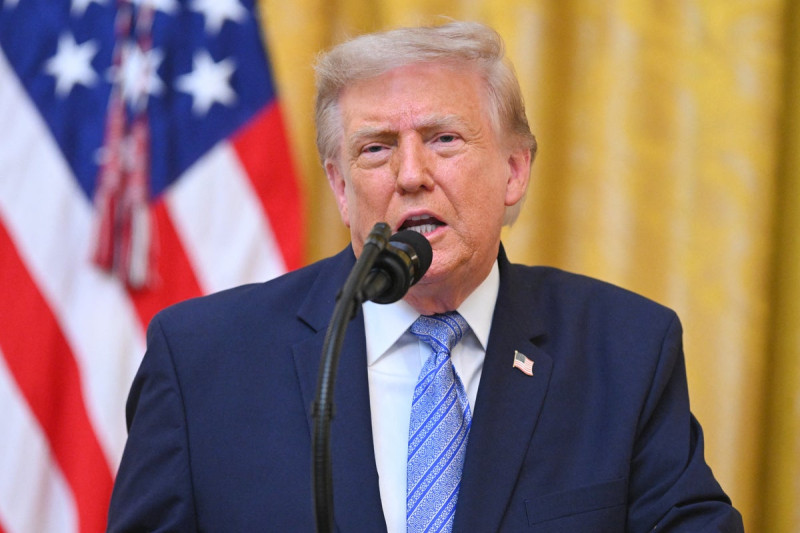
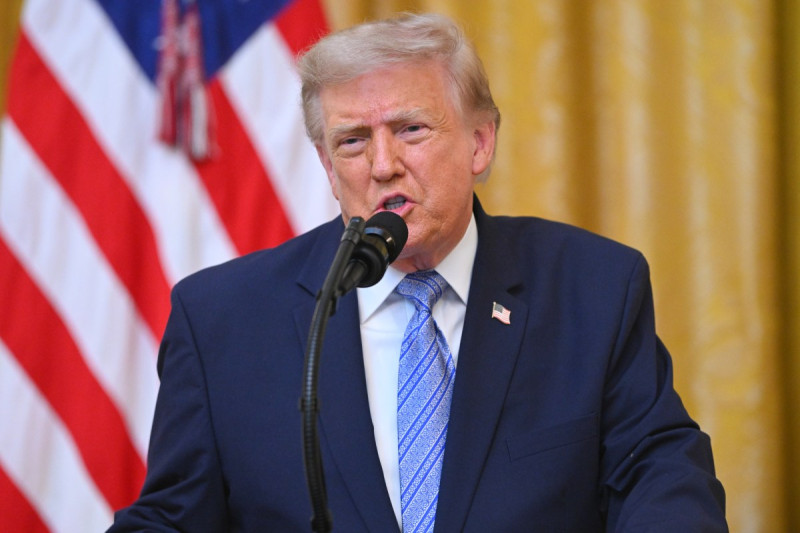
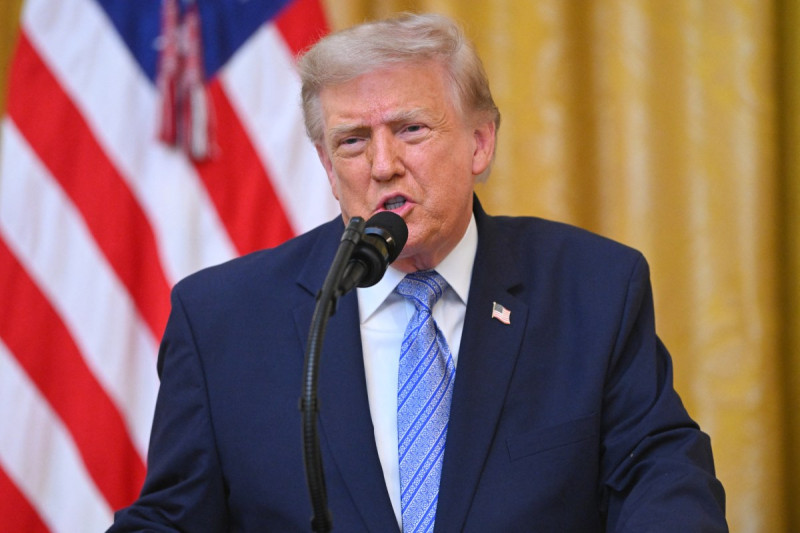
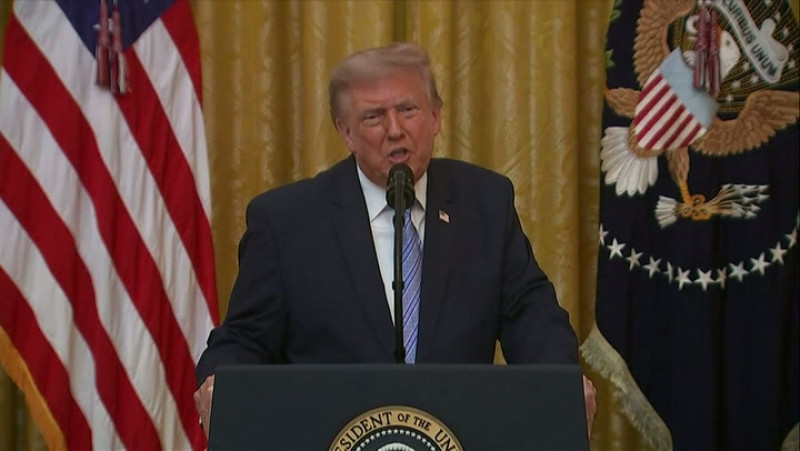
President Donald Trump unleashed a barrage of accusations during a primetime address, claiming foreign governments, particularly China, meddled in the 2020 election and that U.S. voting systems are alarmingly compromised. He painted a picture of an election system so "broken" it cannot be defended. This marked his first formal national address since April, just months before the midterms where Democrats are poised to reclaim the House.
Trump's main assertion revolved around claims that Beijing accessed American voter data while the CIA allegedly kept this information from him during his presidency. He demanded investigations from the Justice Department, FBI, and CIA into this supposed concealment and called for charges where appropriate. The documents he presented were compiled by a task force led by conservative writer John Solomon, which spent weeks sifting through intelligence files for material to release—an effort that reportedly split administration officials over concerns it could undermine public confidence or reveal sensitive collection methods.
Claims of Chinese interference are not new. In 2024, then-Secretary of State Antony Blinken stated that Washington had observed attempts by Beijing to "influence and arguably interfere" with U.S. elections. However, federal investigators concluded that foreign manipulation had no significant impact on the 2020 outcome, and numerous state audits found no evidence of the fraud Trump alleges.

Trump referenced assessments from 2020 to 2026, asserting that electronic tabulators and voter-registration databases are vulnerable to hostile nations. He connected this to Venezuela, alleging the CIA had reports on a scheme to digitally rig that country's 2020 election for Nicolás Maduro. This narrative mirrors a long-standing theory about Venezuelan-linked machines flipping American votes—a theory deemed "not credible" by a National Intelligence Council review conducted during Trump's first term.
He highlighted a 2020 incident in Muskegon, Michigan, where a get-out-the-vote contractor submitted thousands of questionable registration forms—between 8,000 and 10,000 according to local reports—and framed it as buried evidence of fraud. However, state records reveal a different story: a local clerk flagged the suspicious applications, which were never added to the voter rolls, no fraudulent ballots were cast, and no charges were filed. Michigan's attorney general concluded that the deception was aimed at the contractor itself—canvassers faking work for payment—rather than the election process.
Trump claimed a Department of Homeland Security review identified approximately 278,000 noncitizens registered nationwide but insisted the actual number is higher due to some Democratic-led states withholding their data. Independent checks consistently show such cases are extremely rare. For instance, Michigan's audit of the 2024 election found only 15 potential noncitizen voters out of 5.7 million ballots—a figure described as "very rare" by the state's top election official. Voting as a noncitizen in federal elections is already a federal crime.

He concluded by urging Congress to pass the SAVE Act, which would mandate documentary proof of citizenship for voter registration and photo identification for voting. The House approved this measure, but it has stalled in the Senate, lacking the necessary 60 votes to overcome a filibuster. Critics warn it could disenfranchise eligible citizens who lack easy access to required documents and point to evidence that voter fraud is exceedingly uncommon. This address followed other aggressive actions this year, including Trump's removal of members from the Election Assistance Commission and an FBI seizure of 2020 ballot boxes in Fulton County, Georgia.
Democrats characterized the speech as an attempt to preemptively discredit the upcoming midterms. Senate Minority Leader Chuck Schumer claimed the real aim was to "undermine the 2026 election before a single vote" is cast. Security experts noted that addressing software flaws in voting equipment is crucial for public trust but emphasized that identifying such issues does not equate to evidence that past results were altered. Trump stated that NBC and ABC refused to broadcast his address live.
The White House announced that DHS will conduct a follow-up briefing and that states are being informed about flagged registrations and alleged vulnerabilities in voter data.
© 2025 Latin Times. All rights reserved. Do not reproduce without permission.