


Supreme Court Deliberates on Ending Deportation Protections for Syrians and Haitians
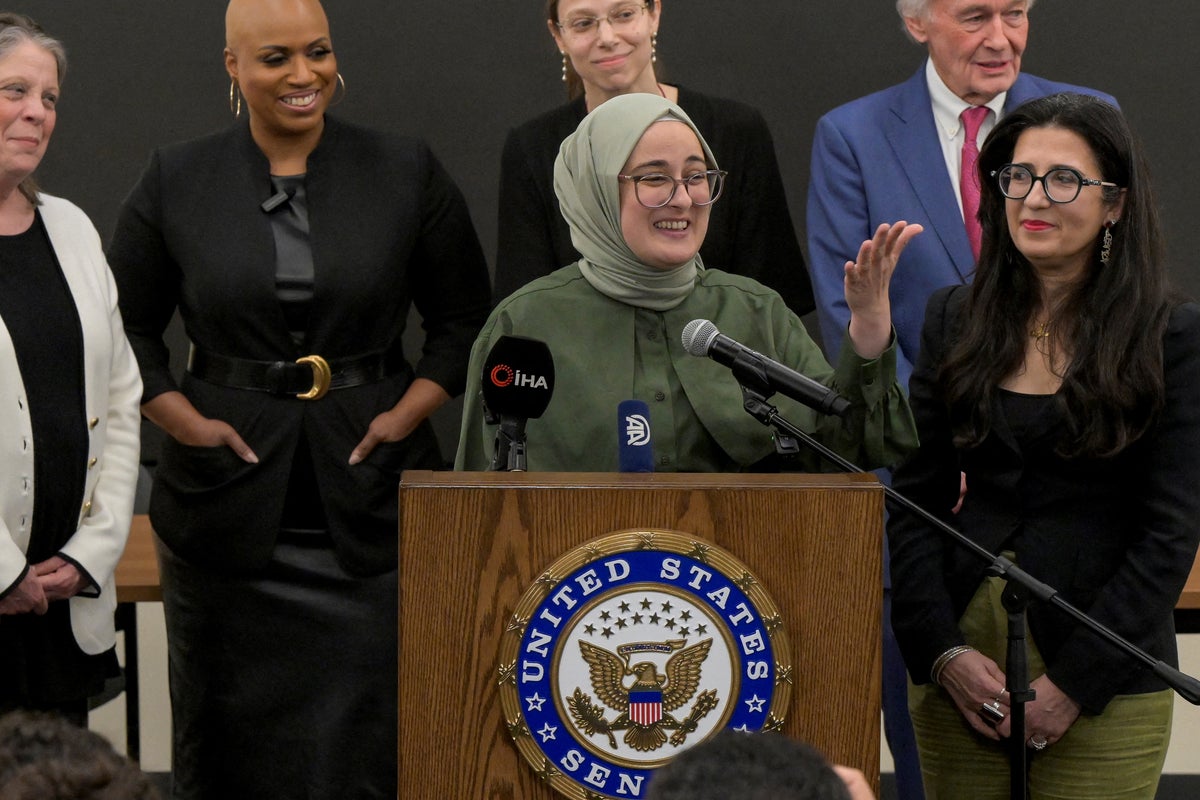
Washington — On Wednesday, the Supreme Court engaged in discussions regarding the Trump administration's initiative to terminate temporary deportation protections for over 6,000 Syrian and 350,000 Haitian immigrants.
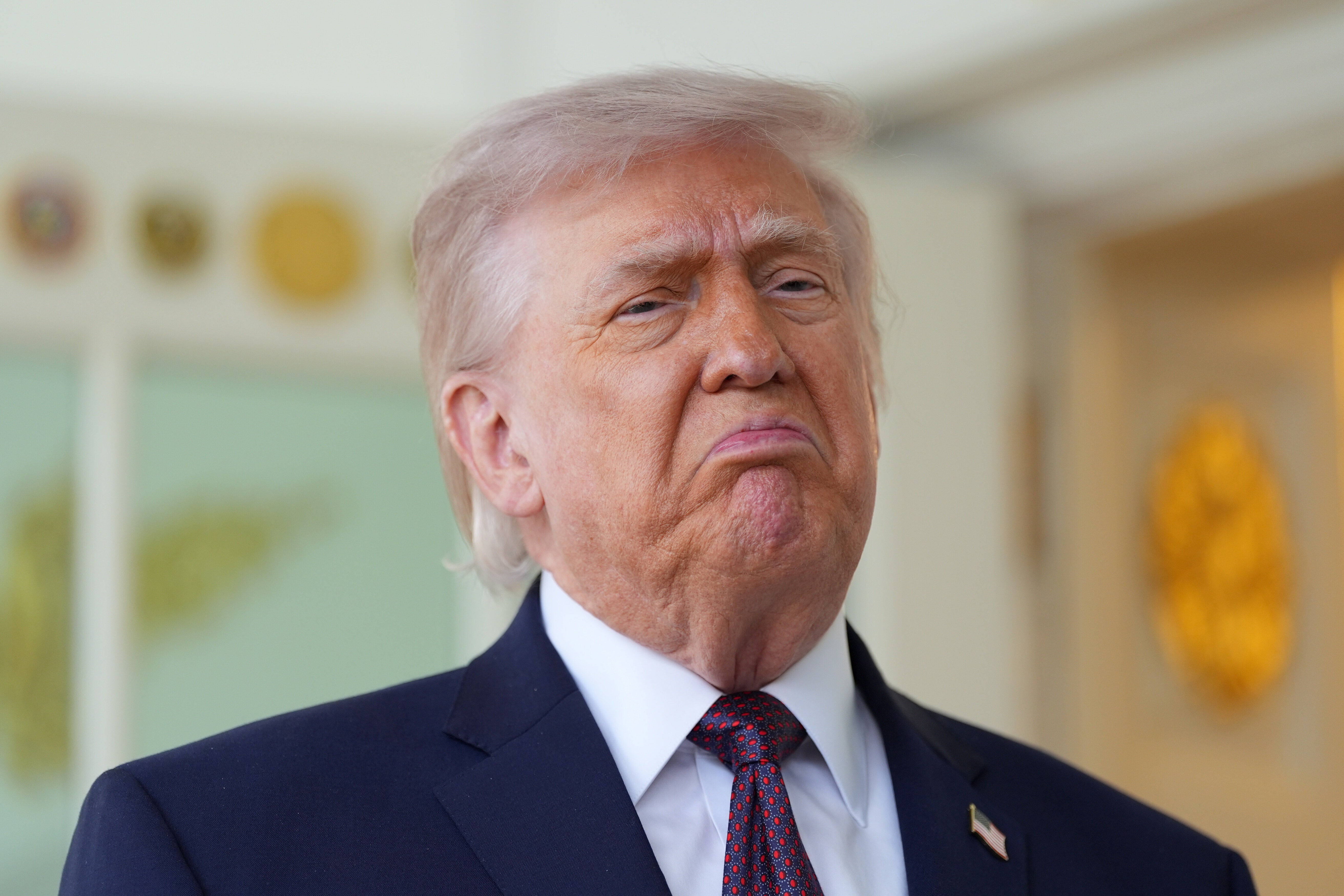
Since the beginning of his second term, President Trump has sought to eliminate relief known as Temporary Protected Status (TPS) for approximately 1 million immigrants from 13 different nations. This effort to rescind TPS aligns with a broader immigration strategy focused on mass deportations.
The cases under review, Mullin v. Doe and Trump v. Miot, originate from decisions made by then-Secretary of Homeland Security Kristi Noem, who concluded that conditions in Syria and Haiti no longer warranted TPS. Following consultations with various agencies, Noem announced the end of protections for these groups.
Originally, Syria's TPS was set to expire last November, while Haiti's was due to end in February. Immigrants from both nations were given a mere 60 days from the announcement to prepare for potential deportation.
In response, TPS holders from Syria and Haiti filed lawsuits challenging the legality of the administration's actions. Courts in New York and Washington, D.C., ruled in favor of the plaintiffs, delaying the termination of protections. The Trump administration subsequently sought emergency intervention from the Supreme Court after appeals courts upheld the lower court rulings.
Last month, the Supreme Court agreed to review the government's attempts to rescind TPS for these groups but allowed the existing protections to remain in effect during deliberations.
Previously, the Supreme Court permitted the Department of Homeland Security (DHS) to revoke protections for hundreds of thousands of Venezuelan migrants, exposing them to potential arrest and deportation.
Established by Congress in 1990, the TPS program empowers the homeland security secretary to grant temporary relief to foreign nationals unable to return home safely due to war, natural disasters, or other extraordinary circumstances. While relief is typically limited to 18 months, extensions can be granted if conditions remain unsafe.
A pivotal issue before the Supreme Court is whether judicial review is permissible regarding claims that the secretary violated federal law when terminating TPS for Syria and Haiti.
The Trump administration has interpreted the TPS statute broadly, asserting that it precludes judicial review of decisions related to designating, terminating, or extending TPS, as well as the processes leading up to such determinations.
Solicitor General D. John Sauer contended in court documents that lower courts improperly substituted their judgments for those of the Executive regarding procedures and country conditions. He dismissed allegations that Noem failed to adequately consult with relevant agencies before declaring Haiti and Syria safe for return.
Sauer emphasized that the consultation requirement does not empower district courts to evaluate whether agencies communicated sufficiently. He argued that all that is mandated is for DHS to solicit and receive input from other agencies; Congress entrusted the Executive Branch with determining how this process unfolds.
Furthermore, Sauer refuted claims that racial bias influenced the decision to end TPS for Haiti, labeling such assertions as unfounded.
Conversely, plaintiffs argued that the homeland security secretary did not engage in sufficient consultation with the State Department, violating statutory requirements for interagency discussions regarding conditions in countries whose nationals are protected from deportation.
The State Department has issued Level 4 travel advisories for both Syria and Haiti, cautioning against travel due to risks such as kidnapping and civil unrest. Plaintiffs' attorneys pointed out these advisories contradict Noem's assertions that conditions in these countries are safe.
Lawyers representing Haitian and Syrian immigrants cautioned that a ruling affirming no judicial oversight would shield the secretary's actions regarding TPS from scrutiny.
The plaintiffs maintain a narrower interpretation of TPS law, arguing it only restricts judicial review concerning safety determinations but allows courts to examine whether proper processes were followed in reaching those conclusions.
They also referenced public statements from both Noem and President Trump, suggesting that the decision to terminate TPS was driven by a desire to fulfill the president's agenda of reducing deportation protections, irrespective of actual safety conditions.
Syria was first designated for TPS in 2012 under the Obama administration due to "extraordinary and temporary conditions" resulting from government crackdowns on protests. Haiti received its initial TPS designation in 2010 following a catastrophic earthquake affecting a significant portion of its population. The Biden administration has since extended TPS for Haiti multiple times due to ongoing crises following the assassination of its president in 2021.