

Supreme Court Set to Deliver Explosive Rulings on Trump’s Presidential Overreach
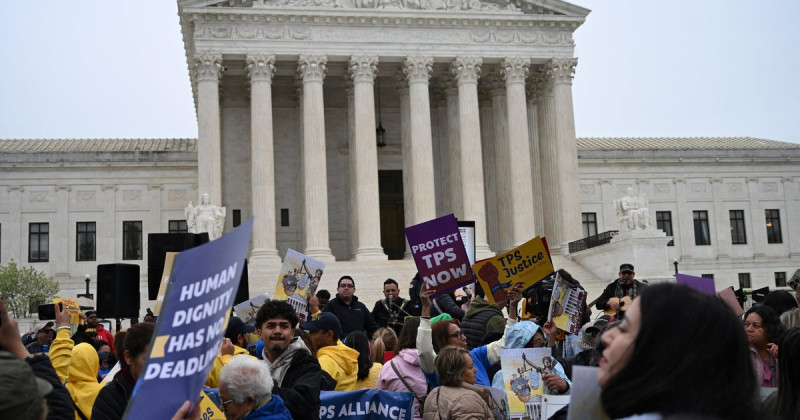
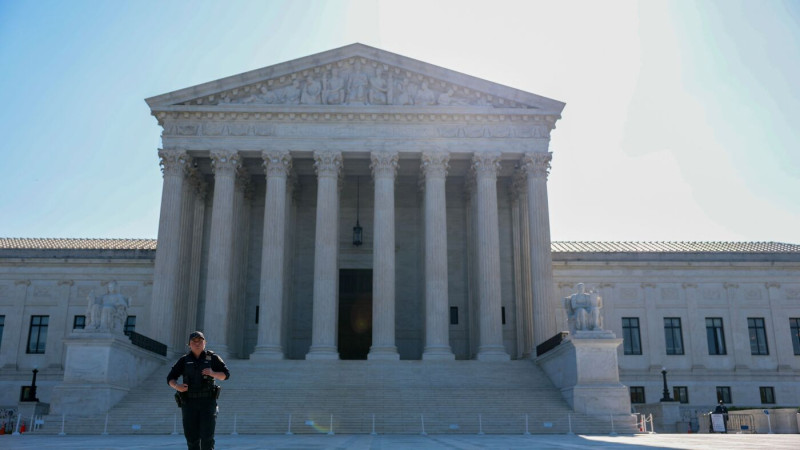
The Supreme Court is poised to drop a series of explosive rulings as its term nears conclusion, with three critical cases directly challenging Donald Trump’s grasp on presidential power.
With a 6-3 conservative majority, the court has seven unresolved disputes, with rulings expected imminently. The term typically kicks off in October and wraps up by late June, occasionally stretching into July.
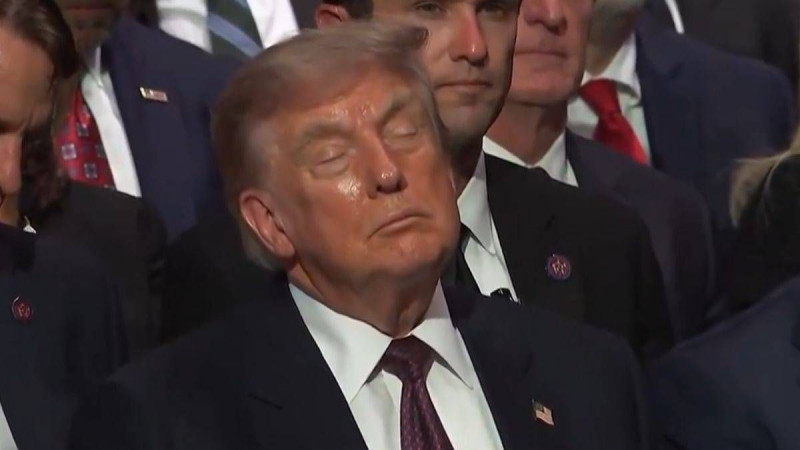
Trump’s cases revolve around his controversial actions from last year: attempts to dismiss a Federal Reserve Board member and a Federal Trade Commission member, alongside an executive order aimed at curtailing birthright citizenship. These maneuvers are set to test the limits of presidential authority.
In addition to Trump’s cases, the court is also gearing up to rule on two significant election-related matters and one case regarding state-level bans on transgender athletes.
Recently, Trump scored victories in two immigration-related cases, showcasing a favorable trend from the court. Since his return to office last year, he has seen multiple emergency rulings in his favor, allowing previously blocked policies to move forward amid ongoing legal battles. However, February brought a setback when the court rejected his sweeping tariffs imposed under national emergency legislation.
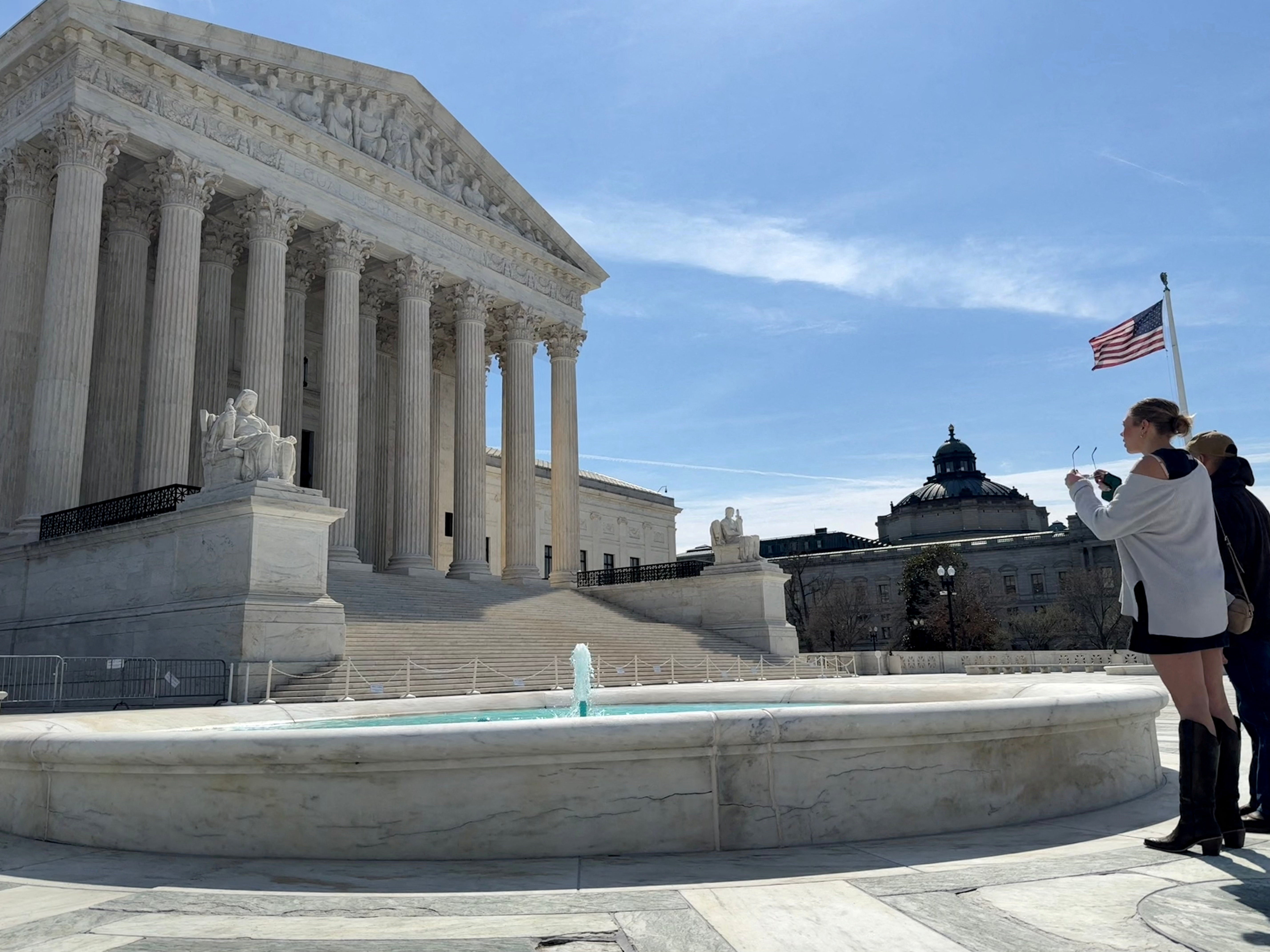
During January arguments, justices expressed skepticism about Trump’s attempt to fire Fed official Lisa Cook, a move that jeopardized the central bank's independence.
No president has attempted to fire a Fed official since its inception in 1913. The law establishing the Fed includes provisions designed to shield it from political meddling, stipulating that governors can only be removed "for cause" by a president. The statute lacks a clear definition of "cause" or removal procedures.
Trump pointed to unproven mortgage fraud allegations—denied by Cook—as justification for her dismissal. Cook remains in her position while the case unfolds, asserting that the allegations serve as a pretext for her ousting due to policy disagreements. In December arguments, conservative justices indicated they might support Trump’s firing of Democratic FTC member Rebecca Slaughter over similar policy differences, despite lower courts ruling that he exceeded his authority.
U.S. Solicitor General D. John Sauer pushed for the justices to overturn a 1935 Supreme Court precedent that has limited presidential power by safeguarding certain independent agency heads from removal. While the court has narrowed this precedent's application in recent years, it has not fully overturned it.
The conservative justices appeared receptive to arguments suggesting that congressional protections for independent agency heads infringe upon presidential powers as outlined in the Constitution. Last year, the court allowed Trump to remove Slaughter while the case was still pending.
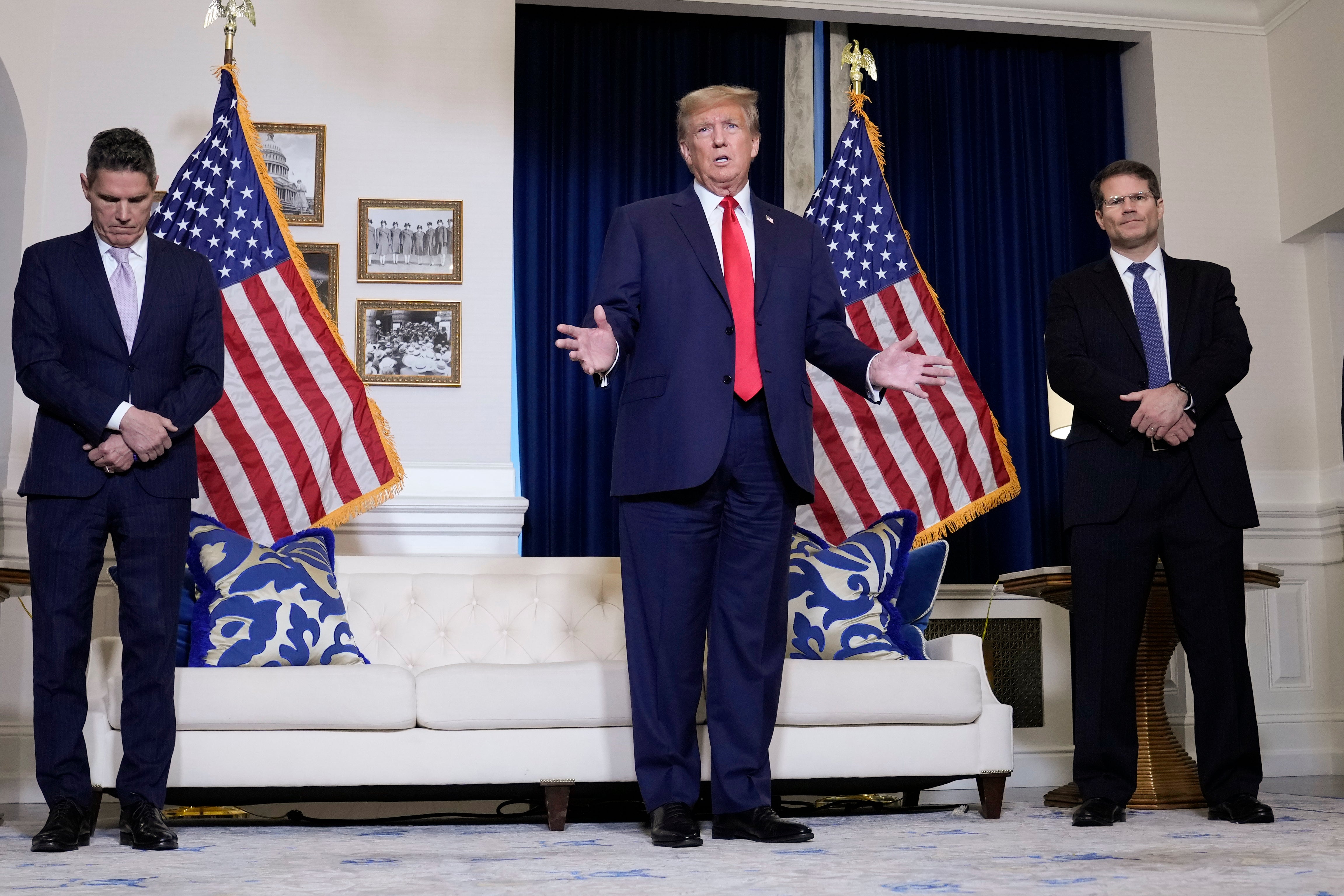
As the November midterm elections approach, two election-related decisions loom large. Republicans are eager to maintain control of Congress. During March arguments, conservative justices showed skepticism toward a Mississippi law that allows a five-day grace period for counting mail-in ballots received after Election Day. This case could pave the way for stricter voting regulations nationwide.
The administration backed the challenge against Mississippi's law, which permits mail-in ballots postmarked by Election Day to be counted if received within five business days afterward. A lower court ruled against this law. Trump has made unfounded claims about widespread election fraud and issued an executive order in March aimed at restricting mail-in ballots across the country; however, a federal judge in Boston blocked its implementation on Thursday.
The court also heard arguments in December regarding a Republican-led effort to eliminate federal spending limits imposed on political parties coordinating with candidates in a case involving Vice President JD Vance. Some conservative justices seemed sympathetic to this challenge, while liberal members appeared inclined to uphold existing restrictions.
This dispute raises questions about whether these limits infringe upon First Amendment protections against government restrictions on free speech. A lower court upheld these spending restrictions.
In January, the court examined laws from Idaho and West Virginia that ban transgender athletes from competing on female sports teams in public schools and universities. Conservative justices seemed prepared to uphold these laws, which states argue are necessary for fair competition among women and girls. Critics contend these measures are part of broader efforts to limit transgender rights.
In April, arguments were presented regarding a Virginia case questioning whether law enforcement's use of "geofence" warrants—targeting potential suspects based on cellphone data near crime scenes—violates the Fourth Amendment's prohibition against unreasonable searches.