
Supreme Court Strikes a Devastating Blow to Voting Rights Legislation
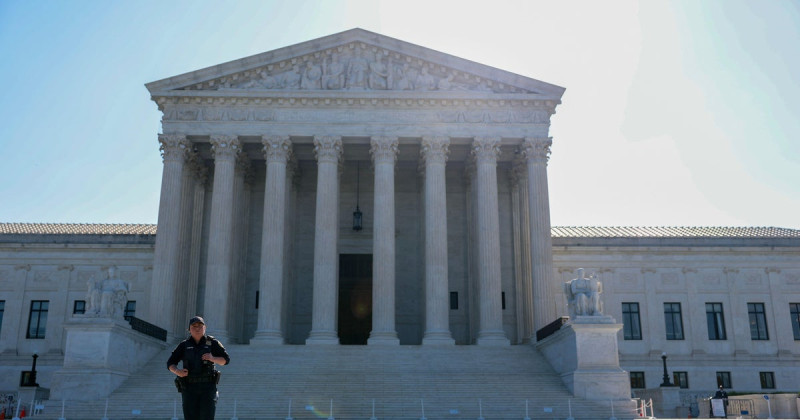
The Supreme Court's ruling on Wednesday has left the Voting Rights Act in a precarious position, with Justice Elena Kagan declaring it “all but a dead letter.” The 6-3 decision in Louisiana v. Callais, authored by Justice Samuel Alito, invalidated a Black-majority congressional district in Louisiana, labeling it an illegal racial gerrymander.
At the heart of this case lies Article 2 of the Voting Rights Act, which prohibits voting practices that deny or abridge the right to vote based on race. The court concluded that race-based redistricting could not be legally justified under the Act, asserting that plaintiffs must now demonstrate “intentional discrimination” to challenge such decisions.
This ruling effectively creates a high barrier for any Voting Rights Act challenges, requiring clear evidence of racial animus, thereby diminishing the law's effectiveness. Alito stated, “When [Section 2] of the Act is properly interpreted, it imposes liability only when circumstances give rise to a strong inference that intentional discrimination occurred.” He emphasized that states retain the right to draw districts based on nonracial factors.
Alito cited “four historical developments” to justify dismantling this civil rights law, suggesting that significant social changes have reduced racism's prevalence. He argued that one-party rule is no longer a concern in the South, contrasting it with the era of Jim Crow.
The court's previous decision in Rucho v. Common Cause had already permitted partisan gerrymandering by limiting federal court jurisdiction over such cases. Alito noted that litigants cannot disguise political gerrymandering claims as racial ones, allowing a white majority to eliminate Black districts without legal repercussions.
Moreover, Alito posited that advancements in technology could facilitate the drawing of racially neutral districts, potentially leading to the exclusion of Black and Latino-majority districts.
Janai Nelson, president of the NAACP’s Legal Defense Fund, criticized the ruling, stating it strips the court of “any remnant or modicum of credibility.” She argued that the decision prioritizes white grievance over racial justice.
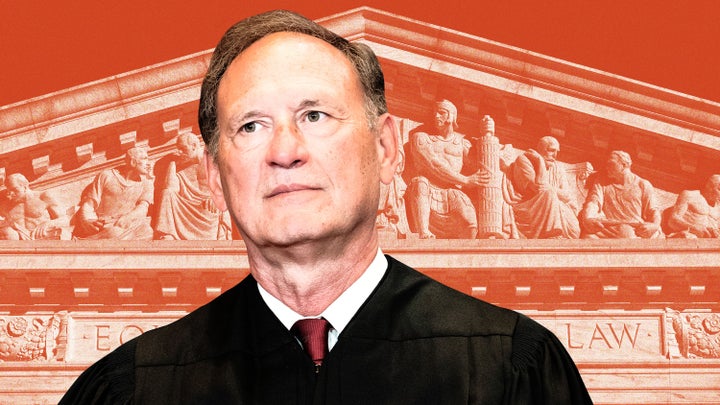
Kagan's dissent, supported by the court’s other liberal justices, described this ruling as part of a broader trend of judicial attacks on the Voting Rights Act. She warned that this marks “the majority’s now-completed demolition” of the landmark legislation.
The immediate ramifications remain uncertain; however, states may begin to challenge Black and Latino majority districts as illegal gerrymanders, potentially diminishing their representation from Congress down to local commissions. With the Voting Rights Act rendered nearly ineffective, Black and Latino plaintiffs face significant obstacles in defending their political representation.
Kagan expressed concern that minority citizens would lose equal opportunities to elect their preferred candidates, leading to a sharp decline in minority representation in government. She noted that districts may only exist “on sufferance” and likely not for long.
In Florida, for instance, a new state House map has already passed that eliminates four Democratic seats. This map’s redrawing of Black and Latino districts will now be nearly impossible to contest under Alito’s ruling.
Other states may follow Florida's lead, although those that have already conducted primaries may find it challenging to make changes before the 2026 midterms. If Republican-led states eliminate districts established under the Voting Rights Act, it could shift up to 19 seats from Democrats to Republicans.
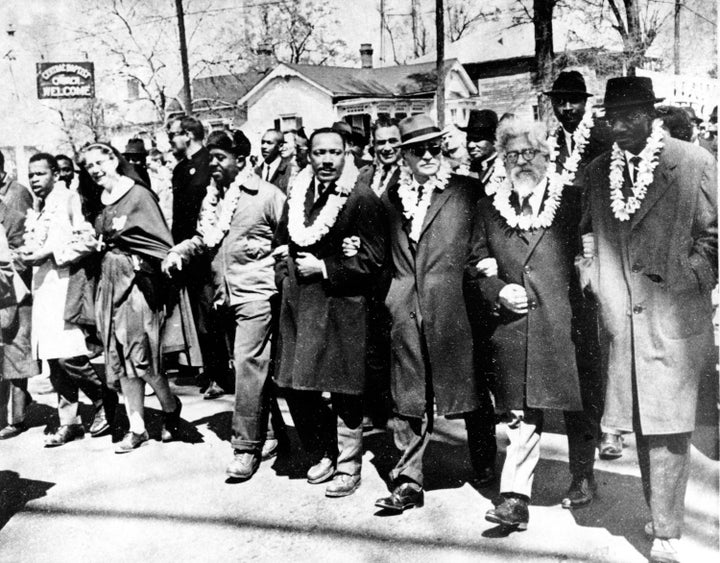
Originally enacted in 1965 following the Selma march led by Rev. Martin Luther King Jr., the Voting Rights Act aimed to end Jim Crow laws that disenfranchised Black voters in the South. It established legal avenues for citizens to challenge discriminatory election laws and required preclearance for changes in election laws from jurisdictions with histories of racial discrimination.
The expansion of minority representation accelerated after Congress amended the Act in 1982, allowing courts to consider discriminatory impact without needing to prove intentional discrimination. This amendment facilitated the creation of numerous districts that have elected many Black and Latino members of Congress.
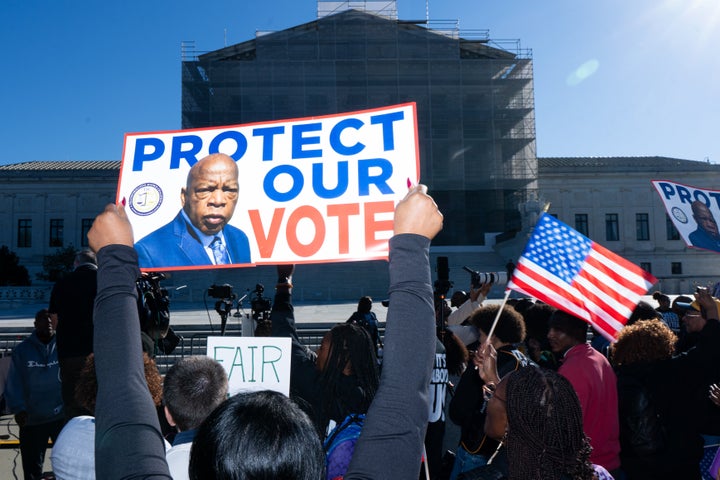
Alito’s recent decision effectively overturns this critical update from 1982, claiming it conflicts with the 15th Amendment while denying any such intent. This ruling follows a series of Supreme Court decisions under Chief Justice John Roberts aimed at narrowing the Voting Rights Act's application.
Previously, in Shelby v. Holder (2013), the court eliminated Section 5’s preclearance requirement. In Brnovich v. DNC (2021), they weakened Section 2's application regarding election laws. Now, with Callais, they have rendered Section 2’s application for redistricting nearly obsolete.
Kagan pointed out contradictions in these cases while highlighting their shared goal. In Shelby v. Holder, Roberts claimed preclearance was unnecessary due to increased Black political representation but now supports a decision likely to reduce that very representation.
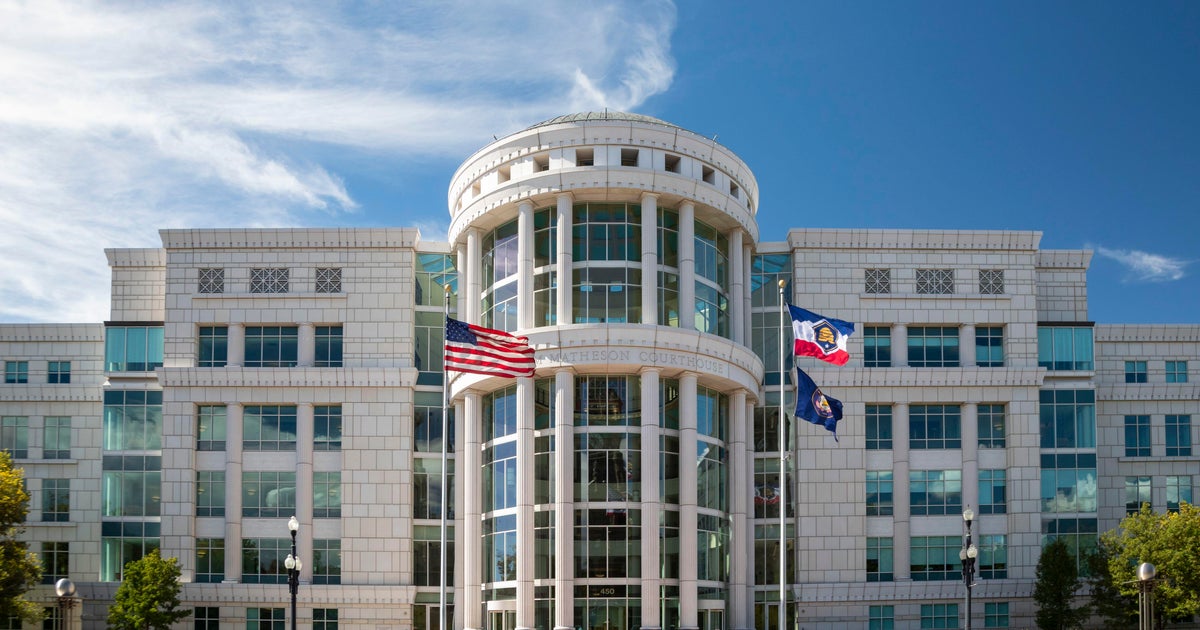
The Louisiana v. Callais case emerged from the state’s 2021 redistricting efforts when Black Louisianans challenged a congressional map that only included one majority-Black district. A lower court sided with them, ordering Louisiana to create a second district.
A similar case from Alabama, Allen v. Milligan, reached the Supreme Court in 2022, resulting in a ruling requiring Alabama to draw a second Black-majority district under the Voting Rights Act. This decision also influenced Louisiana's case and halted further appeals by the state.
After Louisiana adopted a new map creating a second Black-majority district while protecting Republican incumbents, white Louisianans sued, claiming discrimination against them. Initially, Louisiana defended against this challenge alongside Black plaintiffs but later shifted its stance when the Supreme Court took up the case with a new question regarding the constitutionality of the Voting Rights Act’s remedy for legislative maps.
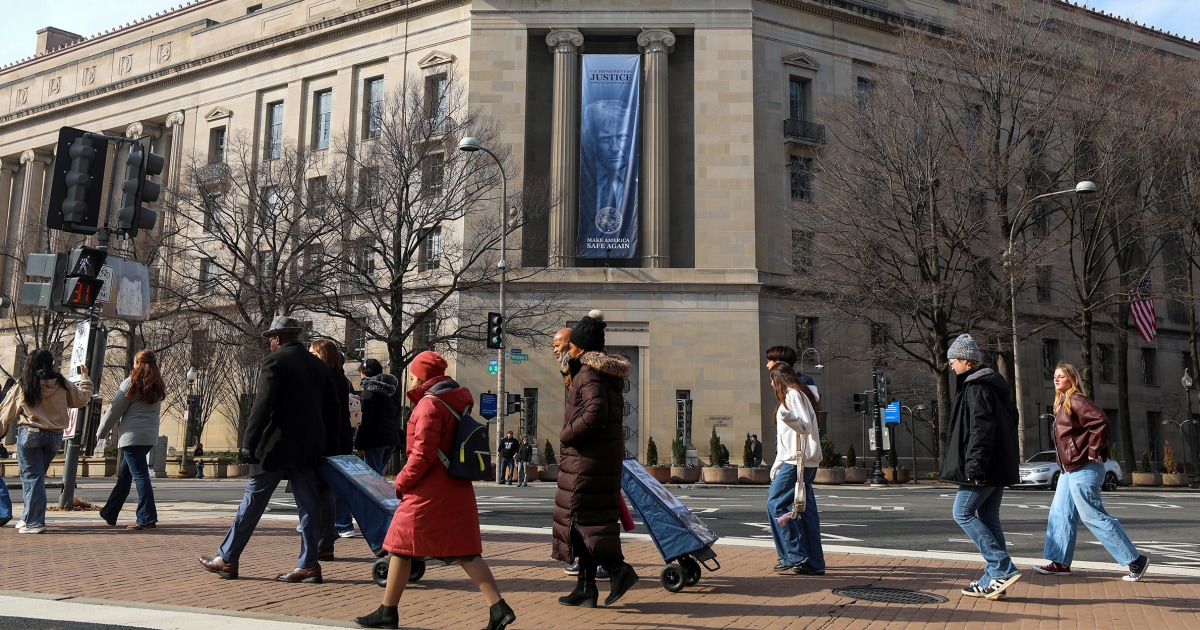
In an unprecedented move, Louisiana and the Justice Department under President Trump argued against the Voting Rights Act's application to redistricting. They contended that courts should prioritize partisan motivations over racial implications in district maps.
This perspective aligns with what conservative justices endorsed in Alito’s ruling: any assertion of partisan motive now supersedes any discriminatory outcomes affecting minority representation.
Kagan remarked, “[T]he State need do nothing more than announce a partisan gerrymander.” She emphasized that without clear evidence of race-based motives—an unlikely scenario—Section 2 would hold no relevance.
While this ruling does not outright nullify the Voting Rights Act, it significantly undermines its effectiveness and Congress’ original intent. This marks yet another regression in the ongoing struggle for justice as efforts intensify to dismantle achievements from the Civil Rights Movement.