

Trump's $10 Billion IRS Lawsuit Encounters Major Legal Obstacle
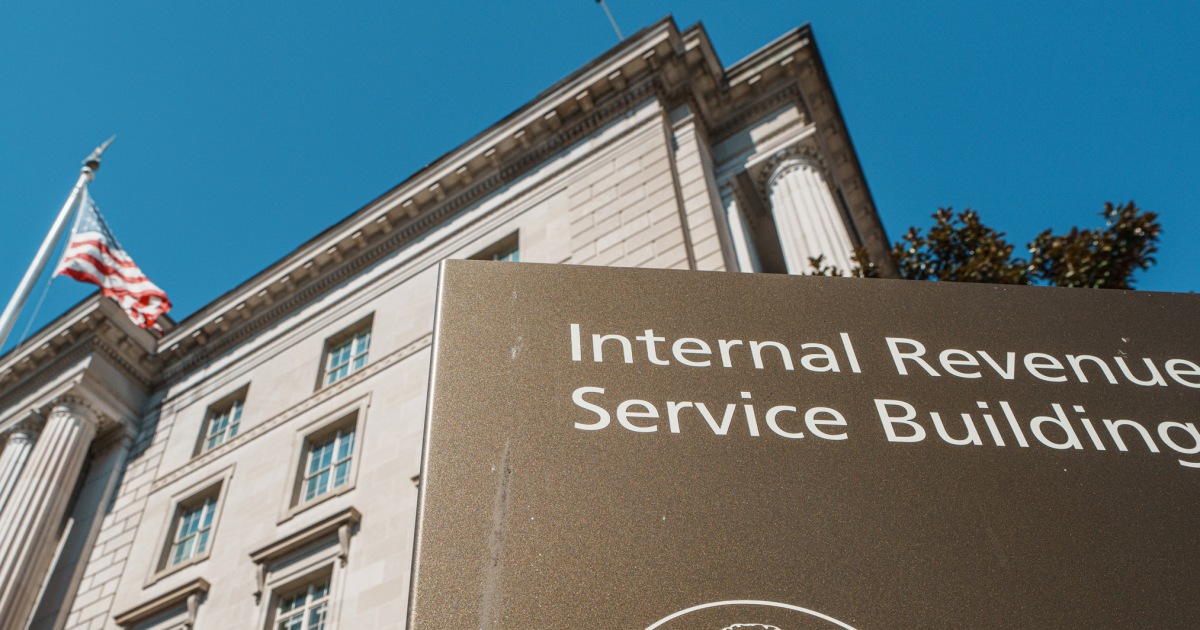
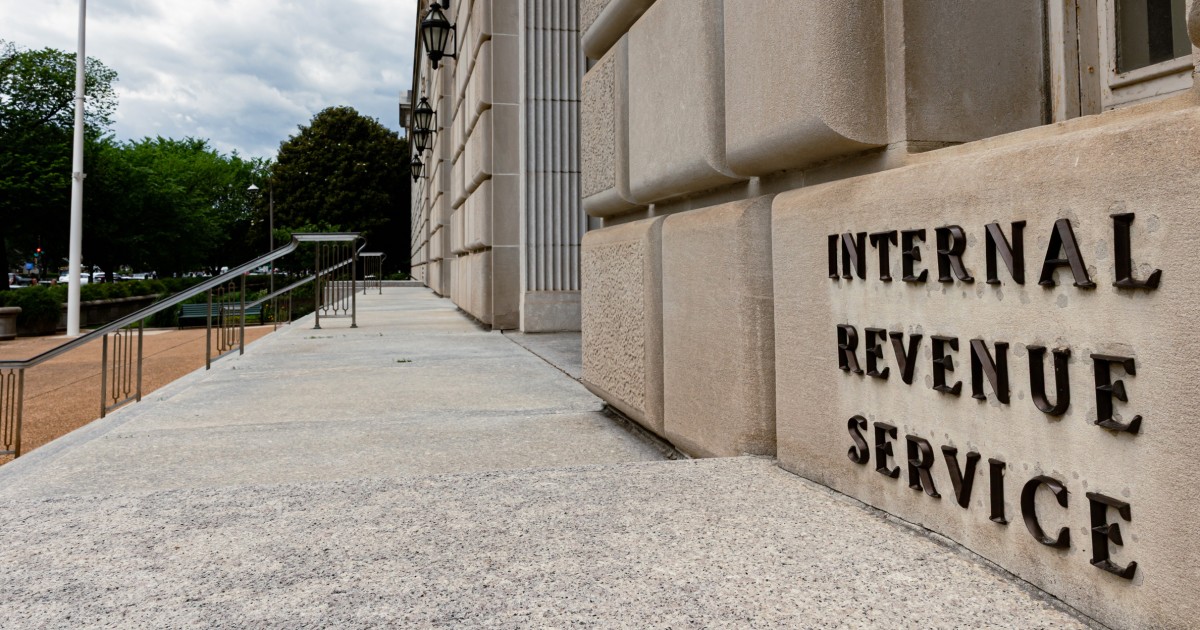
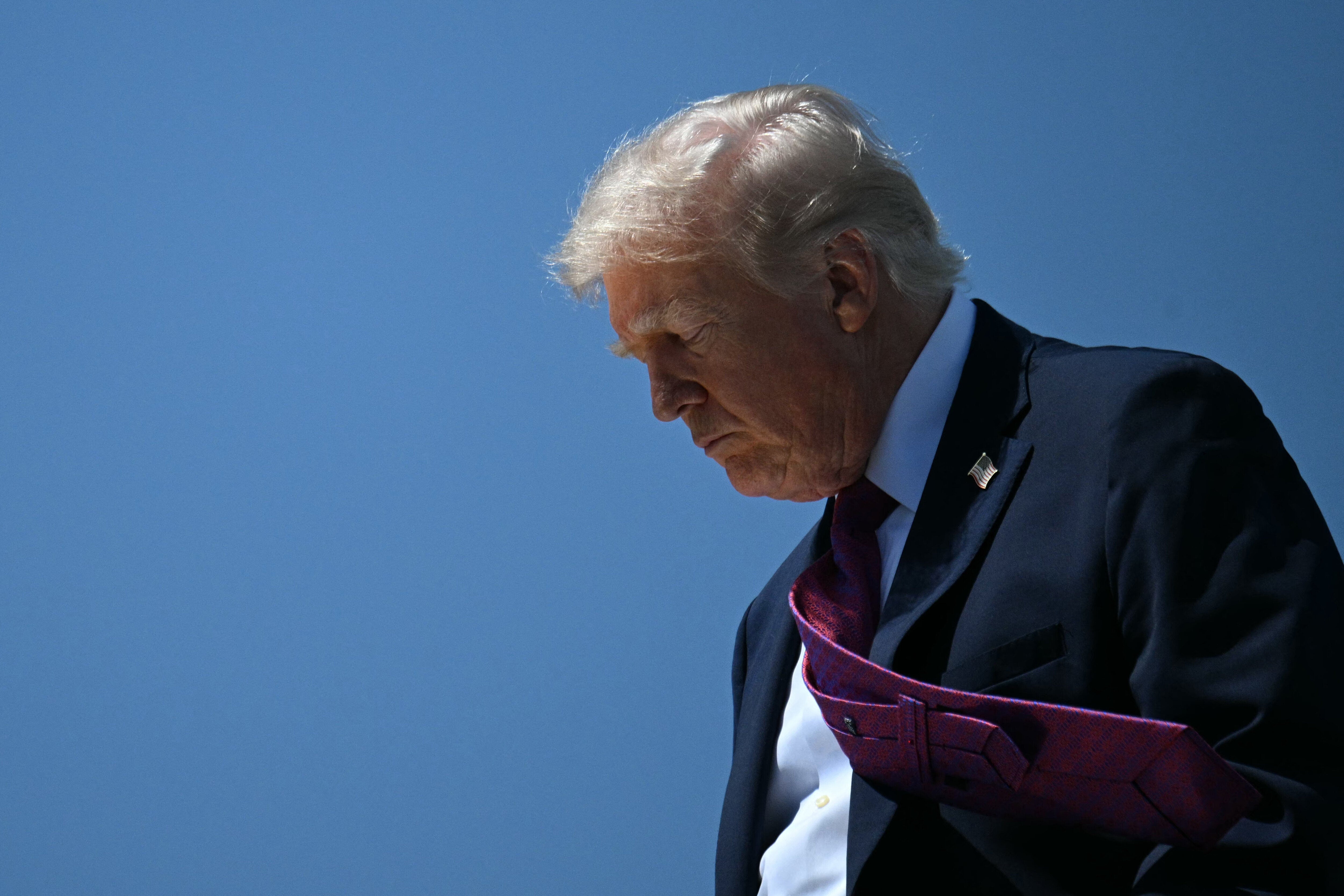
President Donald Trump’s ambitious $10 billion lawsuit against the Internal Revenue Service is now under intense scrutiny, not from political adversaries, but from the very judiciary meant to adjudicate such matters. Florida District Judge Kathleen M. Williams has raised significant constitutional questions regarding the case's viability, suggesting it may not even proceed.
The crux of the issue lies in a perplexing contradiction: Trump, as the sitting president, is suing agencies—the IRS and Treasury Department—that operate under his executive authority. Judge Williams expressed uncertainty about whether Trump and these agencies are “sufficiently adverse to each other,” prompting her to request further clarification from both parties regarding their relationship.
In her order, Williams highlighted Trump’s efforts to broaden presidential power, referencing an executive order that prohibits executive branch employees from promoting legal interpretations that diverge from the president’s views. This arrangement raises critical doubts about whether the parties involved are “truly antagonistic,” a necessary condition for federal jurisdiction.
Elie Honig, a senior legal analyst with a background as a federal prosecutor, articulated the situation succinctly: “If this was not the President of the United States, it would be a perfectly valid claim. Clearly, Trump’s tax returns should not have been disclosed, but they were, that’s somebody’s fault. However, what makes this so bizarre and potentially inappropriate is Trump is essentially suing the executive branch that he now leads and so the conflicts of interest here jump off the page.”
Judge Williams has mandated that both Trump’s legal team and the Department of Justice submit briefs by May 27, outlining why the case should not be dismissed.
In January, Trump, alongside his sons Donald Jr. and Eric, initiated the lawsuit, claiming that the government failed to safeguard his and the Trump Organization’s confidential tax information. This sensitive data was leaked to the media by Charles Littlejohn, a former IRS contractor who later pleaded guilty and received a five-year prison sentence in 2024.
Trump’s attorneys contend that the IRS is liable for Littlejohn’s actions due to granting him extensive access to sensitive tax records while neglecting known security flaws. The leak resulted in reports by The New York Times revealing that Trump paid only $750 in federal income taxes for 2016 and 2017.

Adding to the case's peculiarities, Trump’s legal representatives are currently negotiating with the IRS and Treasury to settle the lawsuit. They have requested a 90-day extension as discussions continue. Should these negotiations yield a financial settlement, it would mean Trump’s own administration compensating him and his family.
During a flight on Air Force One in January, Trump acknowledged the unusual situation, remarking to reporters that “it’s very interesting” to find himself on both sides of a lawsuit. He has stated intentions to donate any potential winnings to charity, although those funds would ultimately derive from American taxpayers.
The watchdog organization Citizens for Responsibility and Ethics in Washington has voiced additional concerns regarding the broader implications of this lawsuit. Trump and his sons are seeking approximately two-thirds of the IRS's total budget for the 2026 fiscal year, which stands at $15.2 billion. CREW pointed out that a successful settlement could significantly inflate Trump’s estimated net worth while imposing a financial burden on taxpayers comparable to several major federal programs.
This case exists at a remarkable intersection of law, politics, and presidential authority. A sitting president suing agencies he oversees—and simultaneously negotiating a settlement with his own administration—raises conflict-of-interest issues that legal experts and ethics advocates argue have no modern precedent. Should Judge Williams opt to dismiss the lawsuit before any settlement is reached, it would effectively terminate what critics have labeled an unprecedented attempt to extract taxpayer funds through litigation controlled by the president himself.