

Trump's Daylight Saving Time Bill Surges Forward Amid Controversy
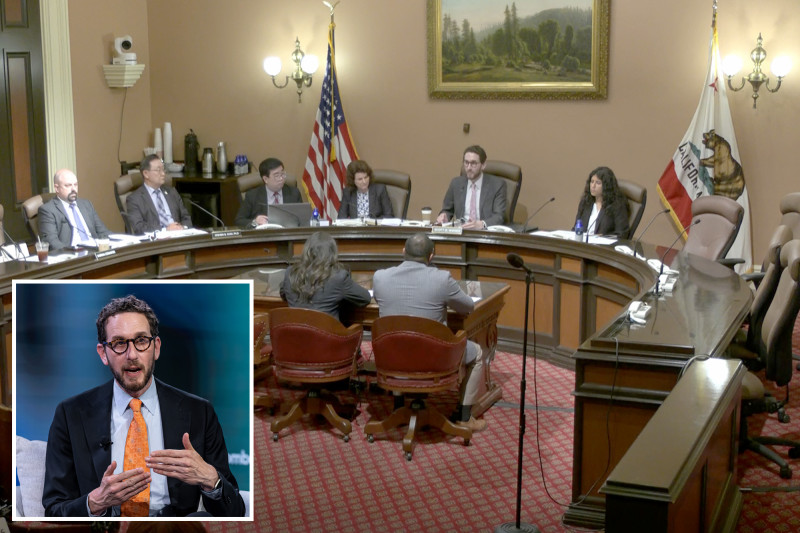
A bipartisan effort to make Daylight Saving Time permanent is barreling toward a full House vote after a critical approval from the House Rules Committee.
The Sunshine Protection Act, which would allow states to adopt Daylight Saving Time year-round with an opt-out option, received a 6-4 vote from the committee on Monday.
Supporters include coastal lawmakers and President Donald Trump, who has pushed Congress to eliminate the biannual clock changes. Currently, every state except Hawaii and most of Arizona observes this practice.
Advocates claim that the clock resets harm public health, while permanent Daylight Saving Time could enhance outdoor activities, tourism, and economic growth.
Americans already adjust their clocks forward each spring and back in November, a routine that many find burdensome.

“Americans are overwhelmingly supportive of this policy and want to end the practice of ‘springing forward’ and ‘falling back,’” said Chairman Brett Guthrie, R-Ky. He emphasized that locking the clock year-round would positively impact sleep patterns, energy savings, road safety, and the economy.
“This change would mean more time for outdoor exercise, family visits, concerts, sporting events, and increased retail traffic,” he added.
Rep. Vern Buchanan, R-Fla., who authored the bill, stated that Floridians and Americans nationwide are fed up with the time change. He argued that permanent Daylight Saving Time could enhance public health, reduce traffic accidents, lower crime rates, and promote outdoor activities.
Buchanan described the elimination of clock changes as a commonsense reform that would improve daily life for millions.
The bill gained traction after the House Energy and Commerce Committee overwhelmingly passed it 48-1 in May.

Trump expressed his support following the committee's advancement of the Sunshine Protection Act. He criticized the twice-yearly clock change as a “ridiculous production” and touted the benefits of a longer day. “This is an easy one!” he declared.
Approximately 20 states have already enacted laws to make Daylight Saving Time permanent if Congress permits it. States like Alabama, South Carolina, Oregon, Maine, and Florida are among those leading the charge.
Opponents, including several medical organizations, argue that permanent standard time—providing more morning sunlight—aligns better with natural circadian rhythms and is healthier overall.
Rep. Mary Gay Scanlon, D-Pa., attempted to amend the bill with her co-sponsored Sunshine for Our Kids Act to establish permanent standard time nationwide. Her amendment was swiftly rejected.
Scanlon warned that permanent daylight saving time could pose serious health risks by leaving children in darkness during morning hours. She referenced the nation’s brief experiment with year-round daylight saving time in 1974, which ended due to public backlash.

Rep. Nanette Barragán, D-Calif., was the only lawmaker to oppose the legislation during the Energy and Commerce Committee markup in May. She raised concerns about potential negative impacts on children’s health and sleep patterns.
Some conservative lawmakers criticized GOP leadership for focusing on this issue instead of what they consider more pressing legislative matters, such as Trump’s border security executive orders and the stalled SAVE America Act.
“Republicans are majoring in the minors—fiddling with the clocks while the country burns,” Rep. Keith Self, R-Texas, a member of the conservative House Freedom Caucus, stated on Monday.
The House has passed versions of the SAVE America Act multiple times but has faced challenges overcoming the Senate’s legislative filibuster.
The Senate unanimously approved a version of the Sunshine Protection Act in 2022; however, it failed in the House amid concerns about darker mornings in winter months across various regions.