

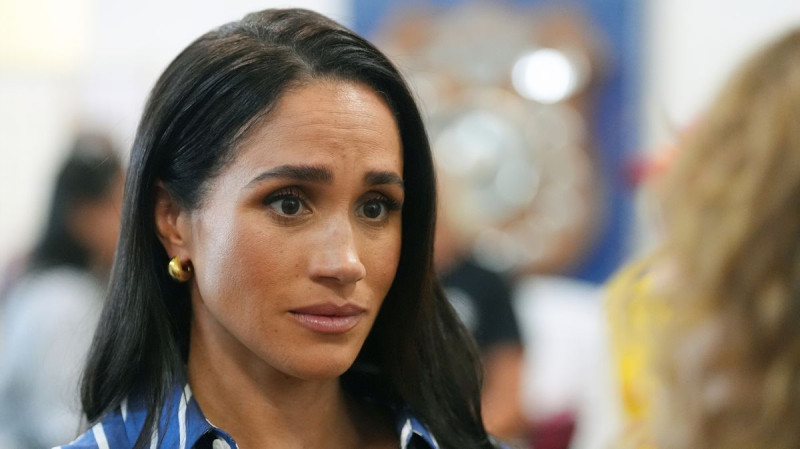
Trump's Immigration Nightmare: Children Torn from Parents Again
Eleven-year-old Ederson Galicia Alva faced a gut-wrenching déjà vu as federal agents yanked his mother aside for questioning at Miami airport, igniting panic in his chest. Would they snatch her away again?
This isn’t just a random incident; it’s a continuation of trauma. Back in 2018, at just 3 years old, Ederson was ripped from his mother’s arms at the U.S.-Mexico border under the Trump administration’s family separation policy. They endured months apart in a government facility before lawyers intervened and reunited them. Then, in June of last year, the nightmare struck again, despite legal protections designed to keep families together.
After a harrowing 11 months in Guatemala, Ederson’s family returned to Florida last week, thanks to a federal judge’s ruling that the government acted illegally. Yet, the horror of separation looms large.
Eight years after the initial uproar over forced separations, an Associated Press investigation reveals that dozens of children have been re-separated from their families. This is happening despite a landmark legal settlement aimed at preventing such actions. Many parents remain locked in immigration detention facilities for months, while others face deportation back to their home countries. Emails obtained by AP show immigration officials deporting individuals even when they were legally protected from removal.
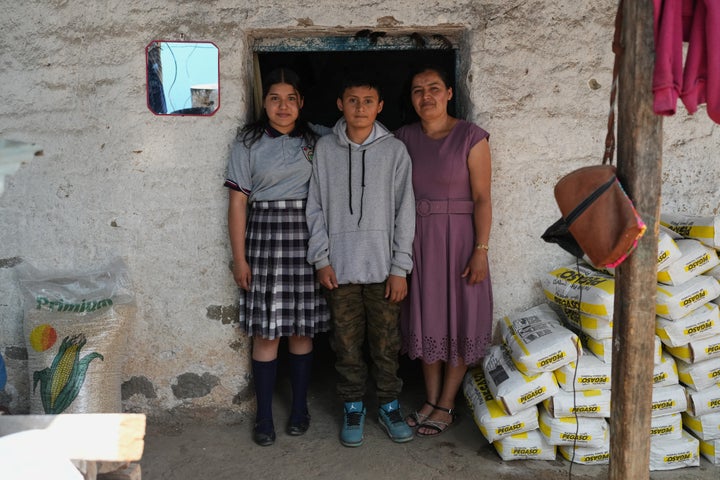
“The government refuses to acknowledge the horror of the initial separations during Trump I and is now detaining and deporting these same families,” stated Lee Gelernt, an attorney for the American Civil Liberties Union and lead counsel in the lawsuit that ended the policy. “These children have suffered enough without re-traumatizing them.”
Trump’s anti-immigration platform fueled his reelection campaign. His administration pledged to deport over 1 million people annually. Federal agents have been snatching individuals from their communities at an alarming rate, leaving tens of thousands of children with detained parents.
Family separations today differ from those during Trump’s first term. In 2018, children like Ederson were taken from parents who faced criminal charges for illegal entry. The government struggled to reunite families due to disjointed information systems. A judge eventually barred most family separations at the border and mandated reunification after the ACLU filed a class action lawsuit. A court settlement now prohibits most separations until December 2031.
Currently, if parents are arrested or deported under the administration’s mass deportation agenda, they must choose whether to leave their children behind in the U.S.
“DHS complies with all court orders,” said acting Assistant Secretary Lauren Bis, a Department of Homeland Security spokesperson, responding to inquiries about family separation policies.
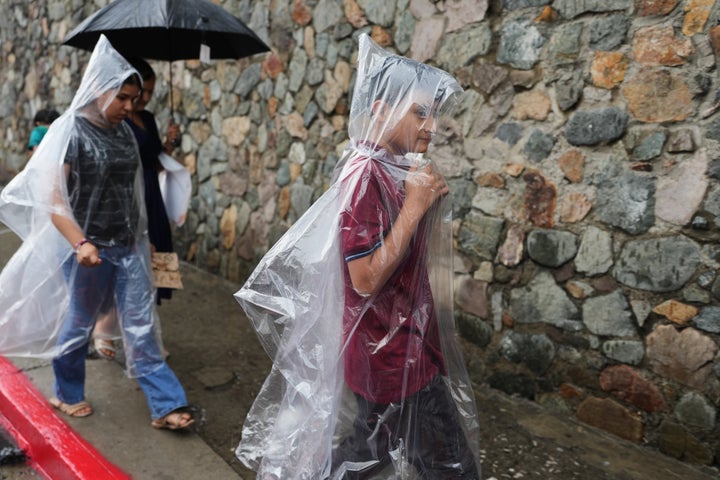
Government attorneys argue there are no legal restrictions on executing removal orders. Bis emphasized that enforcing immigration law is “not optional,” claiming that “every removal of an illegal alien helps restore order and reinforce the rule of law.”
Ederson’s family may have returned, but their status remains precarious.
After being taken from his mother, Mirsy Maricela Alva López, and confined in a government shelter in Arizona for four and a half months, Ederson barely recognized her upon their reunion. Nightmares plagued him throughout elementary school, where he learned English just miles from Mar-a-Lago, Trump’s Winter White House.
Once a federal judge approved a settlement under the Biden administration, Ederson’s family gained legal status to stay in the U.S., with pathways for residency and asylum. His mother received a work permit. After months of mental health services addressing his fears of abandonment, Ederson’s therapist finally deemed him ready to pause weekly sessions in early June last year — just five months into Trump’s second term and his renewed anti-immigration push.
Two weeks later, Alva López was stopped by federal agents while heading to a landscaping job near Mar-a-Lago. The agents never identified themselves or provided a reason for the stop before transferring her through multiple jails and ultimately to ICE custody in Louisiana.
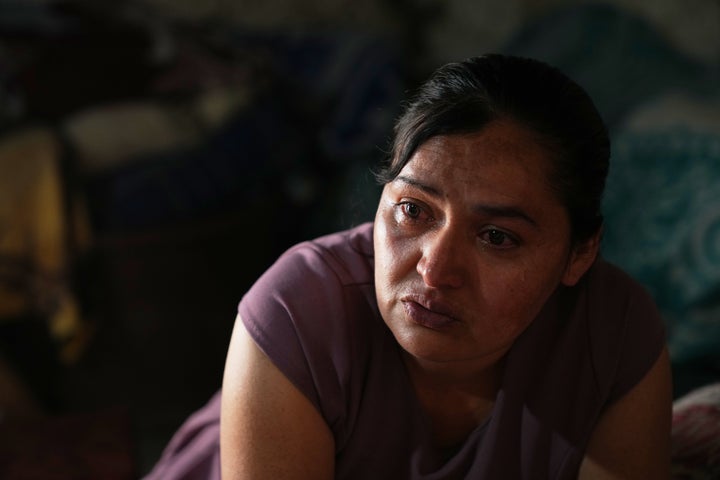
“I felt the very same thing I went through the first time,” Alva López recalled through tears. “I was living it all over again.”
Separated from Ederson and his older sister Briseidy for a week, Alva López had no opportunity to discuss her status or legal protections with immigration officials. When she finally managed to call her children, they were inconsolable. She arranged for tickets to Guatemala City and met them at the airport before embarking on a grueling nine-hour journey back to their hometown.
The three shared a cramped bedroom with Alva López’s parents and brother in an adobe brick home far removed from South Florida’s leafy neighborhoods. The local school taught lessons exclusively in Spanish, and Ederson struggled to adapt among peers who spoke no English.
Instead of working in West Palm Beach gardens, Alva López tended to chickens and ducks while washing laundry by hand and cooking over an open fire.
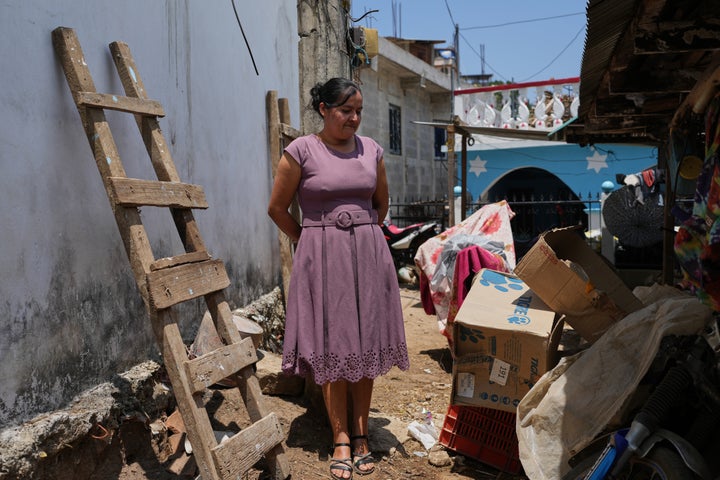
Ederson woke up at night gripped by anxiety about his future. He had excelled in fifth grade back in Florida but found himself repeating fourth grade in Guatemala, grappling with subjects about a culture he barely understood. His friendships felt distant compared to those he had in West Palm Beach. He often watched old online videos from school to reconnect with friends.
“We used to play and chat,” he said, fighting back tears. “I have very few friends here.”
Ederson avoids discussing the separations but constantly questions his mother about her work that day. One thing is clear: he never wants to be apart from her again.
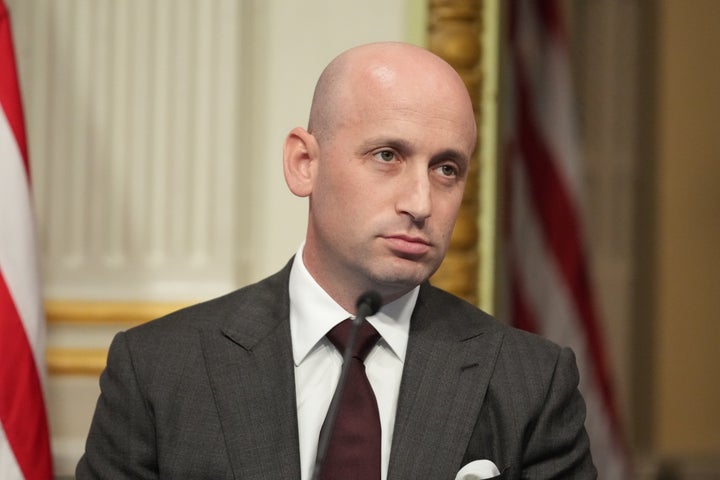
The forced separations began in late 2017 under a policy pushed by Stephen Miller, Trump’s senior policy advisor. The ACLU filed a lawsuit in February 2018 on behalf of a Congolese mother separated from her daughter for four months. This case evolved into a class action suit.
A judge ultimately ordered an end to separations after recognizing the “lasting, excruciating harm” caused by the policy. The ACLU now reports that over 11,800 families were affected by separations, far exceeding previous estimates. Many were deported before the ban took effect, leaving the full extent of trauma unknown. New information reveals that during Trump’s second term, dozens of children have been re-separated from their families.
A 2023 settlement agreement under the Biden administration granted special legal protections and pathways toward asylum for Ms. L class members — including separated parents and children — along with access to attorneys and support services aimed at mitigating ongoing harm from initial separations.
This support dwindled when Trump resumed office. Legal services funding temporarily ceased as the administration proposed charging families $1,000 each for entry or residency. Attorneys reported increased demands for ICE check-ins and ankle monitors for some parents, leading many class members to lose access to counseling.
By late last year, emails revealed that protected family members were deported even after being flagged as off-limits by the ACLU.
Days before Christmas, ACLU attorney Natalie Behr urgently contacted Department of Justice officials regarding a protected relative detained by ICE without notification. By Christmas Day, it was too late; he had already been deported.
The issue persists. The government is required to notify the ACLU immediately upon detaining Ms. L class members and return re-separated families who have been deported. However, disclosures about deportations have been delayed significantly.
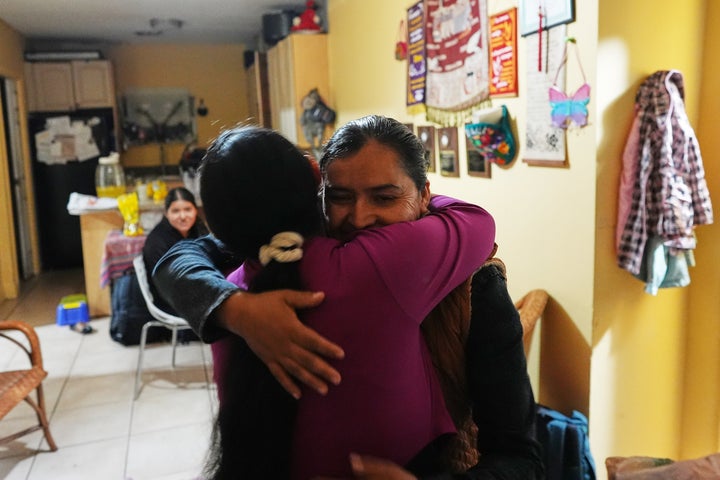
A neighbor of Alva López faced similar circumstances after being detained in West Palm Beach months after her deportation. He had been separated from his daughter at the border in 2017 but returned to Guatemala swiftly under Trump’s first administration. After reuniting with his children in Florida in 2021, he was detained again last October.
His experience at Camp East Montana was harrowing; he endured moldy food and witnessed mistreatment leading to another detainee's death due to ICE negligence. After months of uncertainty during holidays spent apart from his children, he was finally released in April but continues to feel monitored through required check-ins.
“DHS could impose conditions on parole,” Bis stated regarding electronic monitoring and reporting requirements.
Sinri Baltazar was separated from her then-5-year-old daughter in 2018 but recently returned to Louisiana with her three children under a judge’s order. Struggling since her deportation last year, she expressed gratitude for her children’s chance at a better life while facing challenges living with acquaintances.
“The only thing my children say is that they want to be home,” Baltazar lamented. “I’m just trying to get us to a place where we can all be safe.”