Cameras Roll in Court for Charlie Kirk's Alleged Assassin Tyler Robinson
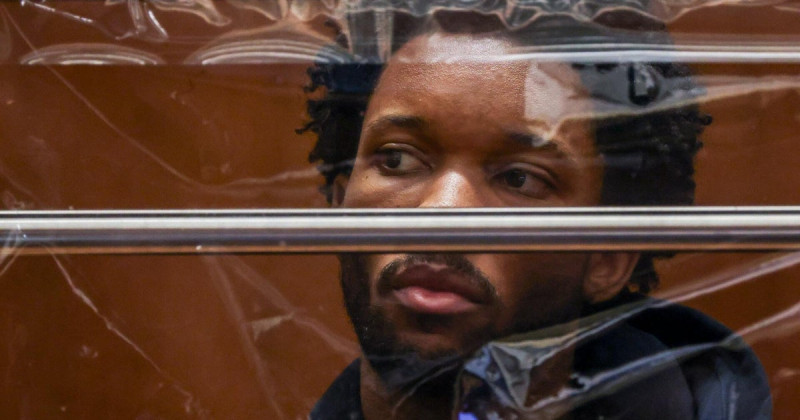
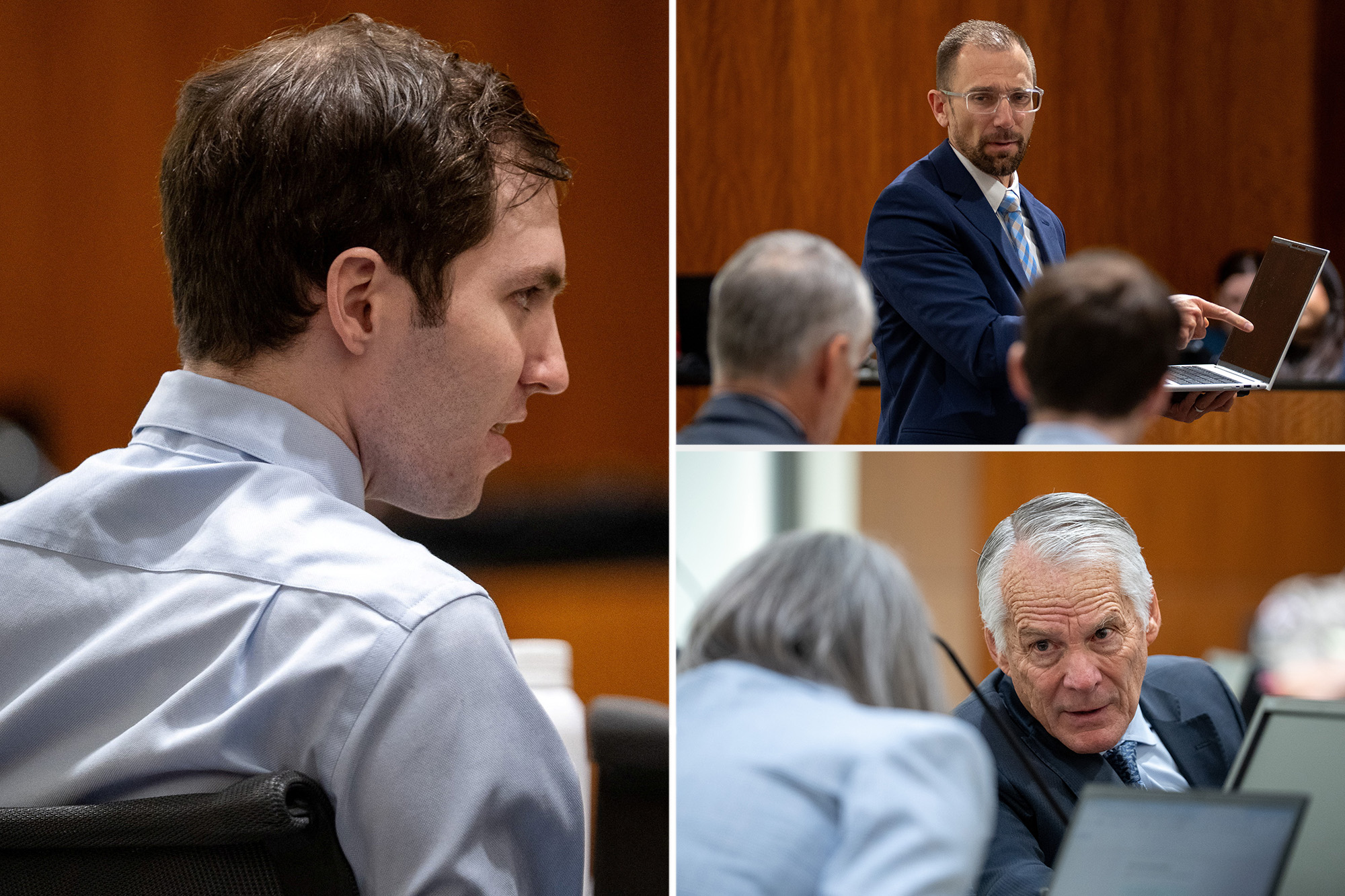
Lights, camera, action! A Utah judge has thrown open the courtroom doors to media coverage in the high-stakes trial of Tyler Robinson, the man charged with the shocking murder of conservative firebrand Charlie Kirk. This decision, made by Fourth District Court Judge Tony Graf, comes as a response to demands from local media and prosecutors who argue that transparency is essential in this politically charged case.
Robinson's defense team has been fighting tooth and nail to keep cameras out, claiming that images could unfairly sway jurors by portraying him as cold and unfeeling. They pointed to a December Fox News segment that painted him in a particularly harsh light. But the judge wasn’t having it; he sided with the media, emphasizing that the public deserves to see the proceedings unfold, especially given the national implications of Kirk's murder.

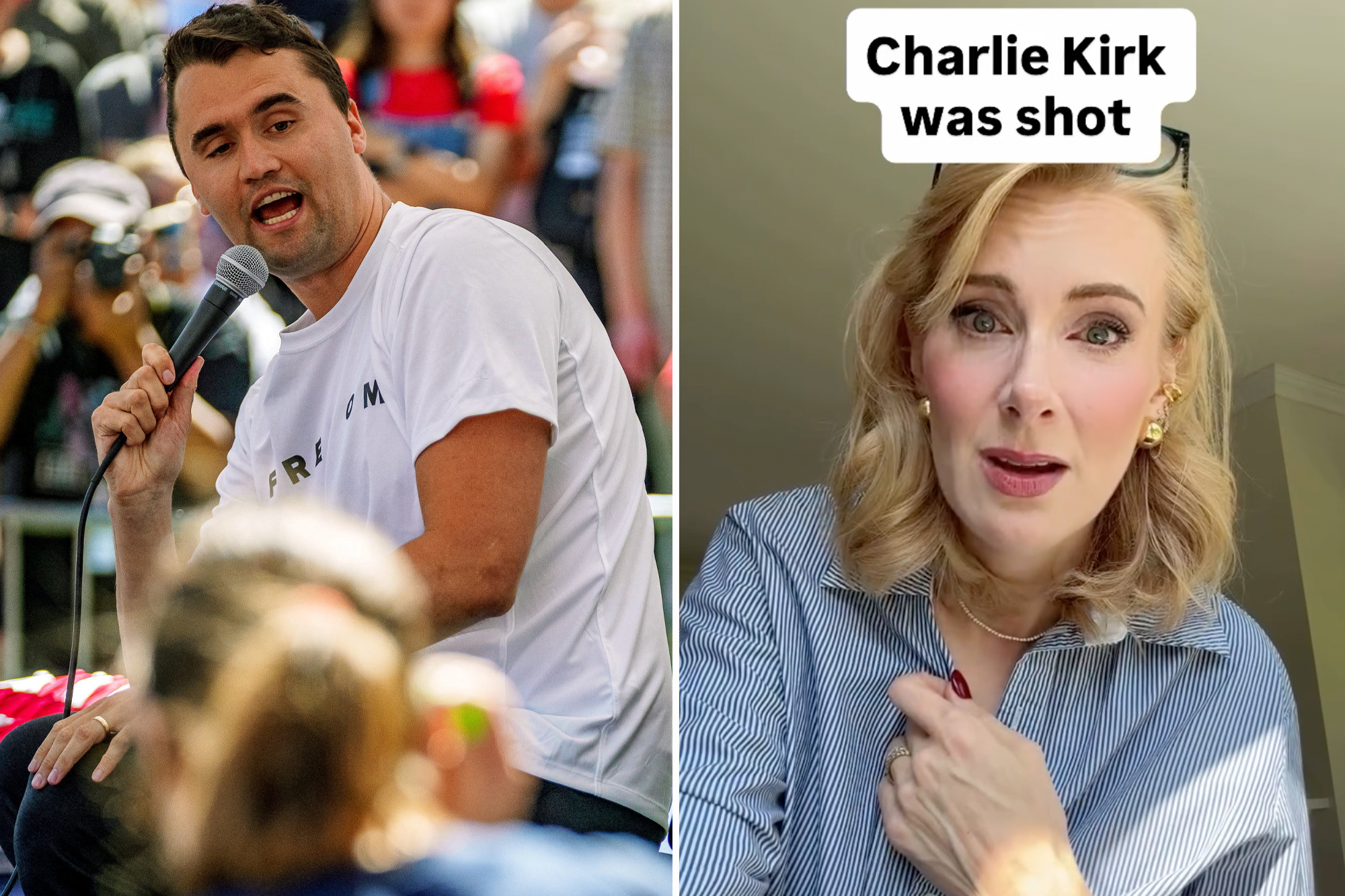
With charges including aggravated murder hanging over Robinson's head, the stakes couldn't be higher. Kirk was gunned down on September 10 while addressing a crowd at Utah Valley University, and his death has been framed by some as part of a disturbing trend of political violence against conservatives. Even former President Trump has weighed in, calling for the death penalty if Robinson is convicted.
But it’s not just about the trial; it’s about the optics. Judge Graf has already tightened camera rules after media members broke protocol by capturing close-ups of Robinson in shackles. Now, cameras will be stationed at the back of the courtroom, making it trickier for them to get those sensational shots that could influence public perception.

Erika Kirk, Charlie's widow, along with various media outlets, argues that allowing cameras is crucial to combat conspiracy theories that have emerged since her husband's assassination. The judge has previously shown a willingness to prioritize transparency, rejecting attempts by Robinson’s lawyers to keep transcripts from closed hearings under wraps.
Before his untimely death at just 31 years old, Kirk was a prominent figure in conservative politics, leading Turning Point USA and playing a pivotal role in Trump's rise to power. The prosecution is gearing up to seek the death penalty if they secure a conviction against Robinson, whose alleged motivations are said to stem from Kirk's political beliefs.

The debate over cameras in courtrooms is heating up again, especially in cases like this where public interest is sky-high. Cameras have become more prevalent in state courts, showcasing everything from sensational trials to mundane hearings. Yet they also raise concerns among defense attorneys who fear their clients could be unfairly judged by the public eye.
In capital cases like Robinson's, jurors are allowed to consider character evidence when deciding on a verdict. Footage of Robinson appearing to smirk during a December hearing sparked outrage and accusations of him treating Kirk's death as a trophy. The Constitution may prioritize a defendant's right to a fair trial over public access, but the trend toward camera coverage in state courts shows no signs of slowing down.
While federal trials remain largely closed to cameras—like Trump's hush money case where sketch artists had to fill in for photographers—state courts are embracing the spotlight. As this trial unfolds, all eyes will be on how the presence of cameras influences both the proceedings and public perception of Tyler Robinson.