

Trump's Slush Fund Derails GOP's Immigration Agenda
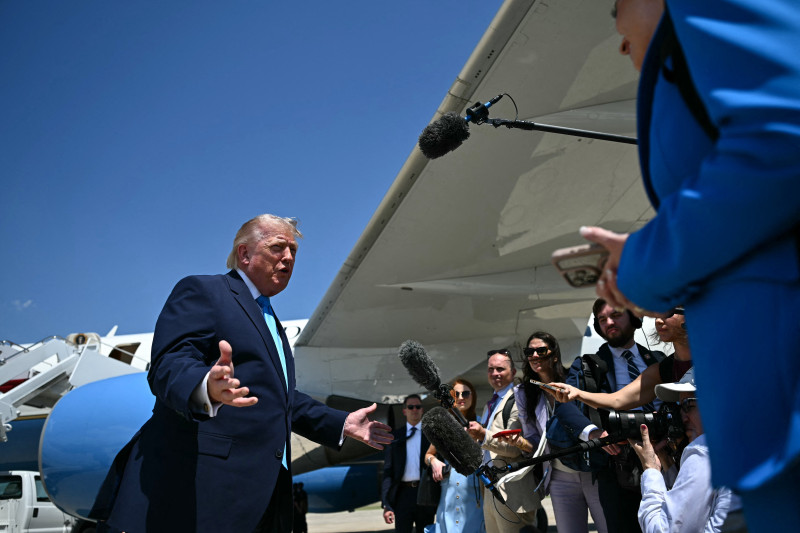
WASHINGTON — GOP leaders are throwing in the towel on immigration enforcement funding this week, all thanks to President Donald Trump’s lavish $1.8 billion slush fund and his obsession with vanity projects.
Acting Attorney General Todd Blanche strolled into Capitol Hill Thursday, hoping to calm the storm over the so-called “Anti-Weaponization Fund.” Instead, Republican senators emerged from the meeting visibly frustrated, dodging reporters like they were toxic waste.
Plans for a vote? Canceled. Instead, they opted for an early Memorial Day recess, leaving behind a mess of unresolved issues and two unpopular presidential priorities. As Election Day looms, the rift within the party is only set to widen.
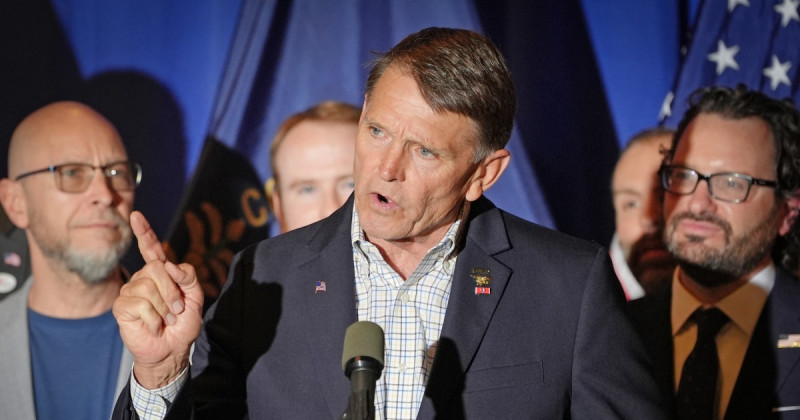
“We were ready to move this, we want to get our enforcement officers regularly funded, and unfortunately, some decisions were made that got that off the rails,” Sen. Ted Budd (R-N.C.) lamented, before abruptly shutting down when pressed for details. “I’m done.”
It wasn’t just one thing that derailed their plans; the weaponization fund loomed large in their collective consciousness. “That’s one of the issues we’re working on,” admitted Sen. John Hoeven (R-N.D.). “That’s one that we want some help with.”
But the two-hour tête-à-tête with Blanche didn’t yield any solutions.
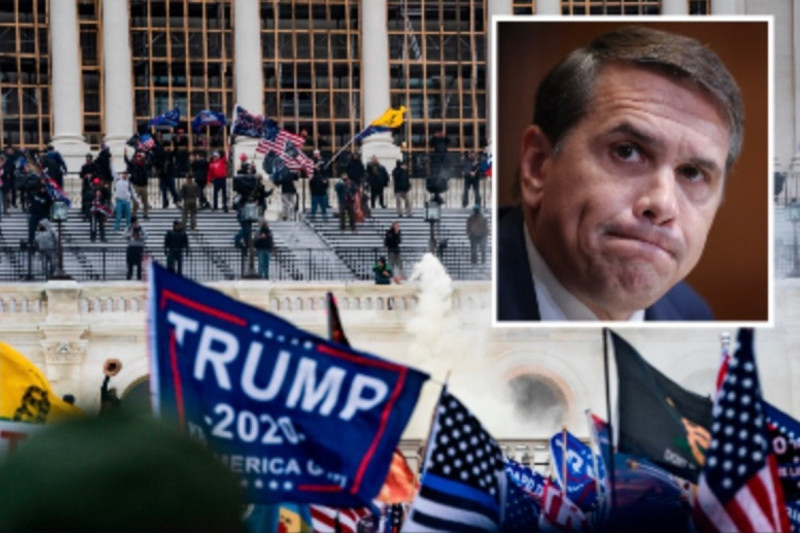
“Republicans are in complete disarray,” declared Sen. Chuck Schumer (D-N.Y.) at a press conference. “They’ve tied themselves up in knots over Trump’s brazen, corrupt slush fund for his billionaire buddies and January 6 insurrectionists.”
A Justice Department spokesperson labeled the Blanche meeting as “a healthy discussion,” insisting that the weaponization fund is separate from the Senate’s budget reconciliation process.
“He made clear that the Anti-Weaponization Fund announced Monday has nothing to do with reconciliation; indeed, not a single dime from the money the President is seeking in reconciliation would go toward anything having to do with the Fund,” they stated, vowing to work with the Senate on critical funding approvals.
This fund could be Trump’s most audacious attempt yet to leverage the presidency for personal gain and political favors. The Justice Department unveiled it as part of a “settlement” from Trump’s own lawsuit against the IRS.
The settlement—unapproved by any court—includes a billion dollars for alleged victims of “weaponization” during Biden’s presidency and halts any IRS tax collection efforts against Trump and his affiliates, who reportedly faced a staggering tax bill of up to $100 million.
Republicans were already grappling with Trump’s demand for an additional $1 billion for his White House ballroom when the slush fund announcement dropped like a bombshell.
Sen. Lisa Murkowski (R-Alaska) expressed her frustration: “The White House dropped a bomb in the middle of a pretty well-planned out reconciliation bill to help deliver on one of President Trump’s priorities.”
The timing was strategic, aimed at beating a federal judge’s deadline demanding clarity on why it’s constitutionally sound for the government to settle a private lawsuit with its own chief executive.
Before meeting with Blanche, Senate Majority Leader John Thune (R-S.D.) hinted at potential ways to rein in the settlement fund. “Our members have very legitimate questions about it,” he said, indicating ongoing discussions about how to appropriately fence it in.
One option on the table? Preventing January 6 rioters convicted of assaulting police from accessing payouts. But Republicans are navigating a special budget process that allows them to sidestep Democratic votes while still facing challenges from Democrats over extraneous provisions.
Democrats aren’t exactly eager to make minor tweaks to a fund they see as fundamentally corrupt; they could easily block any adjustments Republicans propose.
“Any vote for conditions is, in effect, approval of the slush fund,” warned Sen. Richard Blumenthal (D-Conn.).
Realizing they were cornered, Republicans threw in the towel.