


Trump's Trade Threat: Spain Faces Economic Fallout Over Military Spending
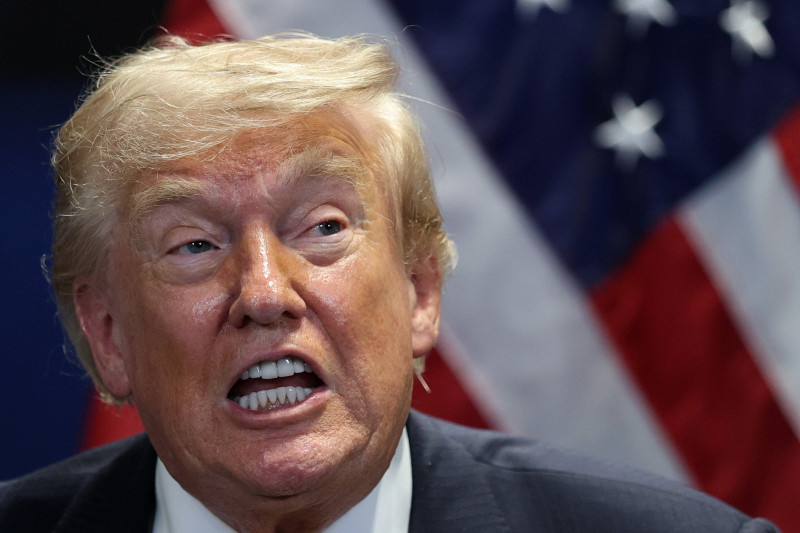
President Donald Trump declared war on trade with Spain, citing Madrid's refusal to boost military spending and airspace restrictions impacting U.S. operations against Iran.
Trump slammed NATO allies for manipulating defense spending figures, warning them against including non-military expenses in their calculations. He demands transparency and accountability from European partners.
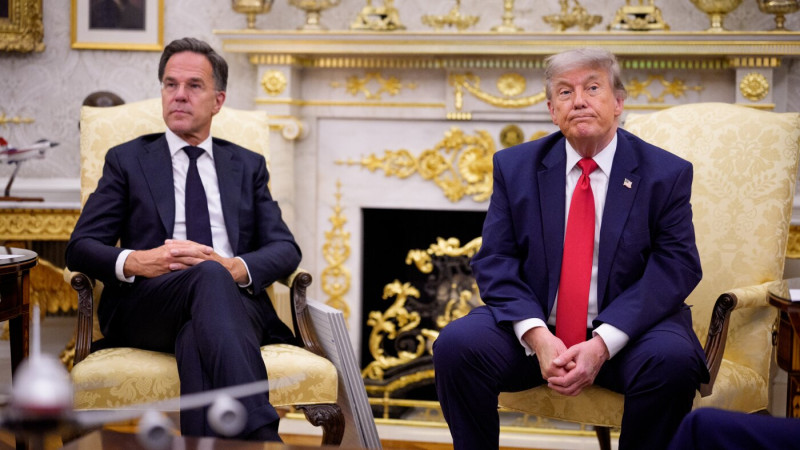
While NATO Secretary General Mark Rutte supports Trump's push for a 5% GDP defense spending target by 2030, Spain's Socialist President Pedro Sanchez remains stuck at a mere 2.1% of GDP.

Sanchez's office responded to Trump's threats, insisting that Spain values its strong social, cultural, and economic ties with the U.S. and has no intention of severing them.
However, cutting off trade is no simple task. Such a move would drastically limit American access to everyday products like olive oil and disrupt existing agreements with the European Union.
Trump labeled Spain a "wasted cause," stating the U.S. should cease all trade dealings. He ordered Treasury Secretary Scott Bessent to implement this trade cutoff for the second time this year.

"Spain is a terrible partner in NATO. They don’t participate, they don’t pay. I don’t want to have anything to do with Spain. Cut off all trade with Spain, please, including visits… Watch them come running back," Trump stated.
He further emphasized, "We don’t have to trade with them. I don’t want to do any more trade with them, alright? Immediately."
Trump predicted that Spain would soon abandon its "hostile" stance when they realize the financial repercussions of losing U.S. business.

The U.S. and Spain engage in approximately $47 billion in annual trade. The U.S. exports energy products, industrial machinery, aerospace equipment, and pharmaceuticals to Spain while importing a variety of goods.
Spanish imports include pharmaceuticals, oils, specialty foods, wine, perfumes, cosmetics, and machinery. In 2025, the U.S. imported $22.1 billion worth of Spanish goods, though this figure dropped by $2 billion at the start of Trump's second term.
From April 2025 to April 2026, U.S. exports to Spain fell by $747 million while imports decreased by $179 million. Only 4.9% of Spanish exports are directed to the U.S., and just 1.2% of total U.S. exports go to Spain.

Food products account for 18% of Spanish imports into the U.S., with oils and fats making up 14% of that total.
Spain dominates the global olive oil market, producing nearly half of the world's supply. The U.S. imports around 90 million kilograms of Spanish virgin olive oil annually, valued at over $860 million.
A trade cutoff would eliminate a significant portion of these imports, as many olive oils on U.S. shelves are either branded Spanish or contain Spanish oil.

This disruption could lead to price hikes for olive oil and other goods.
The USDA reports that the U.S. produces less than 2% of its olive oil consumption, necessitating imports from countries like Italy, Greece, Portugal, Tunisia, or Turkey.
The International Olive Council identifies the U.S. as the largest olive oil importer globally. Limited short-term production means increased demand from the U.S. would likely drive prices higher.

Retailers could lose access to certain products, forcing restaurants and food manufacturers to adjust their pricing strategies.
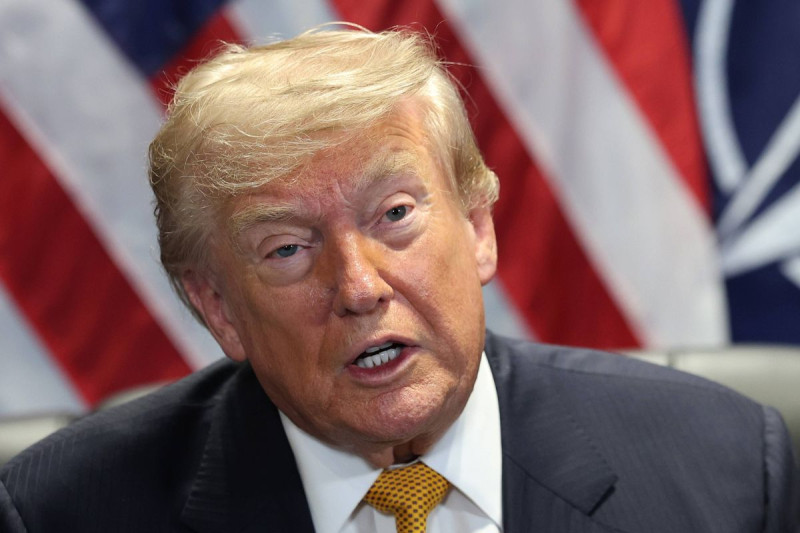
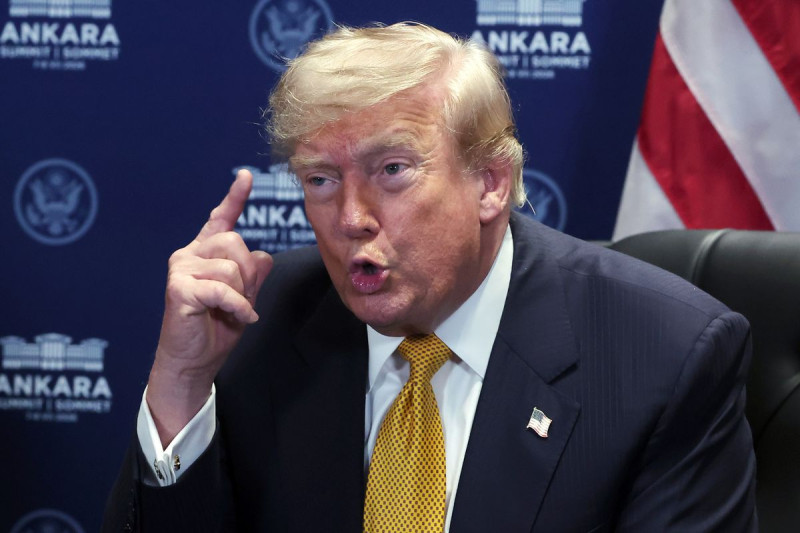
During a NATO press conference, Trump was questioned about potential trade cuts with Spain amid ongoing EU negotiations.
"We’ll see what happens with the E.U. They have treated us very badly for years and they took advantage," he replied.

The trade agreement with the EU governs Spain's foreign trade, negotiated as a single bloc rather than individually.
This agreement established a 15% tariff ceiling on most European goods while granting preferential access for specific U.S. agricultural products and seafood.
If Trump proceeds with cutting ties to Spain, it could jeopardize the entire EU trade pact and spark a potential trade war.

The president wields authority under the International Emergency Economic Powers Act to restrict foreign economic deals if he can demonstrate an "unusual or extraordinary threat" to national security or foreign policy.
This act has been invoked previously against countries like Iran and Iraq.
Less severe options exist; under Section 232 of the Trade Expansion Act of 1962, Trump can impose tariffs or quotas on goods deemed a national security threat.

Section 301 of the Trade Act of 1974 allows for penalties against countries engaging in unfair practices affecting U.S. commerce.
During his first term, Trump's administration imposed a staggering 34.75% tariff on Spanish black olives under anti-dumping rules due to alleged unfair subsidies—a policy later overturned by the World Trade Organization. Consequently, Spain's share of the U.S. black olive market plummeted from 49% in 2017 to just 19% in 2024.
In 2025, Trump hinted at punishing Spain for its military spending failures but continued normal trade operations without any disclosed investigations on the Federal Register.
Sanchez's office dismissed Trump's comments as routine and reiterated their commitment to maintaining strong relations with the U.S.