

Trump’s Urban Approval Rating Plummets, Igniting Political Firestorm
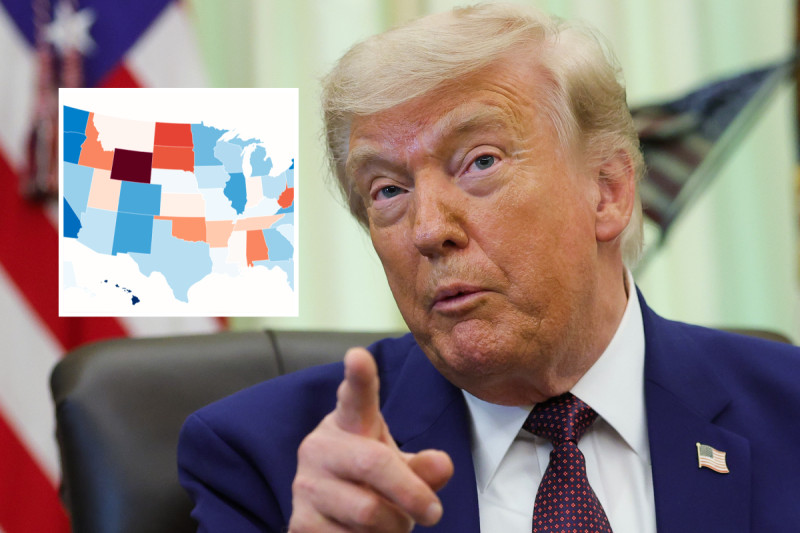
President Donald Trump’s approval rating among urban Americans has plummeted, with disapproval soaring to more than three-quarters of city residents, according to a July 2026 Echelon Insights poll.
The partisan chasm between urban and rural voters has widened significantly over the last decade. Cities are increasingly leaning Democratic while rural areas remain staunchly Republican. This shift poses a growing threat to the GOP in metropolitan areas, as dwindling support among city voters jeopardizes margins in crucial midterm congressional races.
White House spokesman Davis Ingle claimed Trump has delivered “historic progress” domestically and internationally, asserting that “no other President in history has accomplished more for the American people.” He pointed to efforts aimed at “creating jobs, cooling inflation, increasing housing affordability, and more.”
The administration insists the president’s agenda is still “taking effect,” with anticipated results forthcoming in the coming months.
The latest Echelon Insights July 2026 Omnibus Survey reveals a stark snapshot of Trump’s standing with urban voters:
Net approval ratings are derived by subtracting disapproval from approval.
The disparity between Trump’s national approval and his support in cities is alarming. While he is already underwater overall, his standing among urban voters is significantly worse, highlighting entrenched political dynamics in metropolitan areas.
The scale of this change becomes evident when compared to the July 2025 Echelon Insights survey:
In just one year, city voters have shifted from a nearly balanced view to overwhelming disapproval.
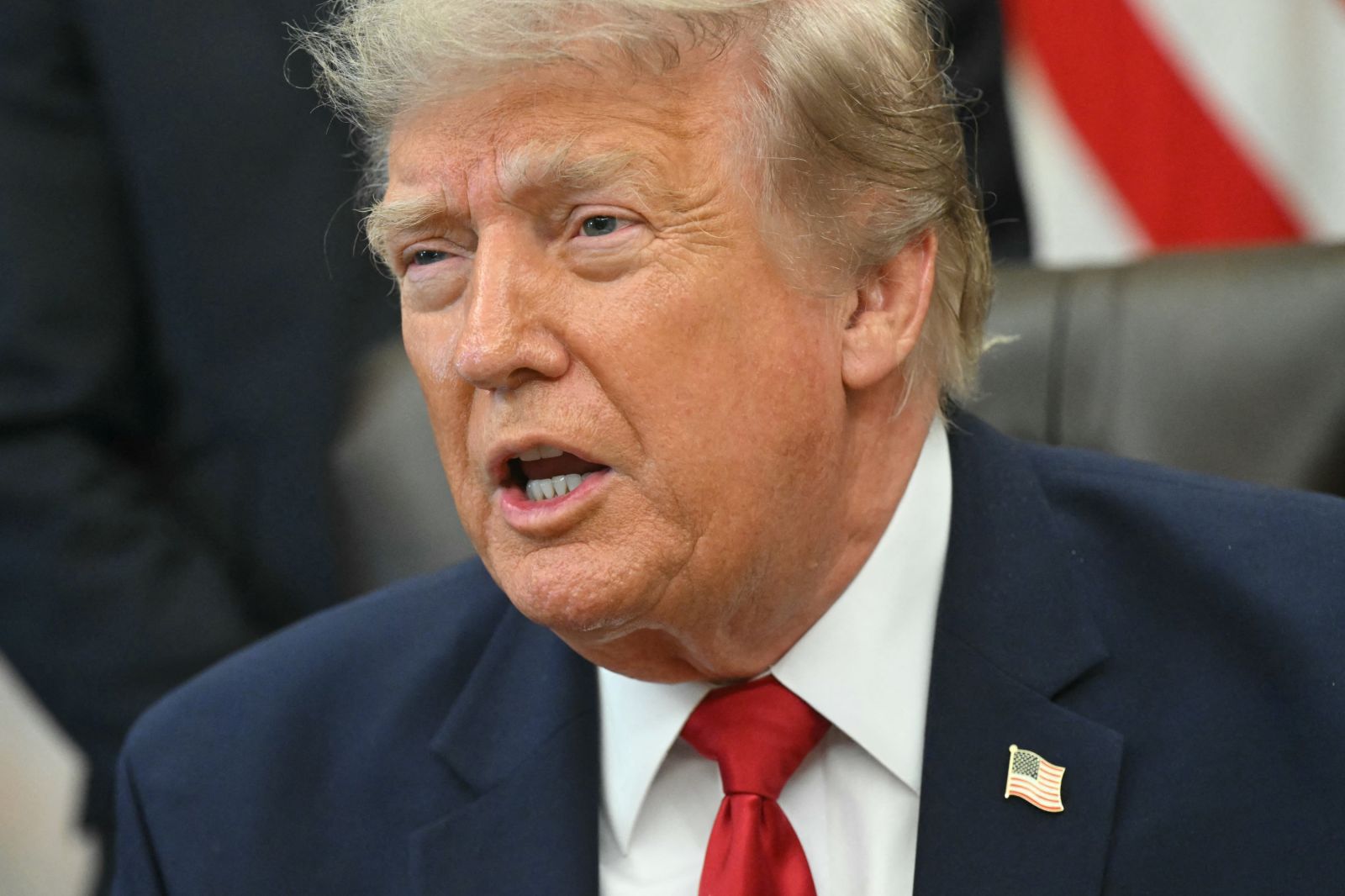
At the onset of his second term, Trump’s standing was notably stronger.
In the January 2025 Voter Omnibus:
When comparing those figures to July 2026:
This represents a staggering 48-point swing among city voters since the beginning of Trump’s second term.
Urban voters have historically been among Trump’s weakest demographics, but recent data indicates conditions have deteriorated further.
Trump’s approval in cities often hovers in the low 20s, reflecting deep-seated opposition in major metropolitan areas.
This trend aligns with broader electoral patterns. In the 2024 election, urban areas overwhelmingly supported Democratic candidates, exacerbating the geographic divide that continues to influence U.S. politics.
Cities amplify national political narratives, particularly regarding housing, cost of living, and economic inequality—issues that resonate strongly with urban voters.
Trump’s intensified focus on immigration enforcement in major cities has also become a critical factor in shifting urban opinion.

High-profile incidents involving federal operations and confrontations in metropolitan areas—including the deaths of individuals such as Renee Nicole Good and Alex Pretti in Minnesota—have heightened scrutiny over how these policies are implemented.
In large cities, where immigrant communities are concentrated and local leadership often opposes federal enforcement measures, such incidents can significantly influence perceptions of the administration.
For some voters, these events reinforce concerns about policy tone and impact, potentially widening the gap between the White House and urban America.
Urban voters do more than contribute to national vote totals—they shape margins in pivotal states.
Large metropolitan areas like Philadelphia, Atlanta, and Milwaukee have repeatedly proven decisive in recent elections, with turnout fluctuations in these cities capable of swaying statewide results.
While turnout in cities can vary—especially during midterm elections—it remains a vital factor.
High urban participation has historically correlated with significant gains for Democrats, while lower turnout can diminish that advantage.
Presidential approval plays a crucial role in this dynamic. A sharp decline in approval can mobilize opposition voters and dampen enthusiasm among the president’s base, making turnout patterns even more unpredictable.
The broader political landscape will not be determined by cities alone. However, with approval ratings collapsing among one of the country’s most densely populated voting blocs, the data indicates a growing vulnerability that could reverberate across the entire electoral map.