

Trump Unveils Ambitious 15-Point Strategy to Conclude Iran Conflict
Donald Trump has introduced a comprehensive 15-point strategy intended to bring an end to the ongoing conflict with Iran, which has been wreaking havoc on global markets and impacting his domestic approval ratings.
Reports from various media outlets indicate that this proposal addresses critical issues surrounding Iran’s nuclear ambitions and aims to mitigate the repercussions of the war. A source disclosed to Reuters that the plan was transmitted to Iran through Pakistan late Tuesday. Trump, while not directly referencing the plan, asserted that the US and Iran have reached consensus on several pivotal matters, including Iran's commitment to abandon any nuclear weapons aspirations.
Contrary to Trump's assertions, Iran's military has dismissed the notion of negotiations, suggesting instead that the US is merely “negotiating with itself.” Meanwhile, Pakistan, Egypt, and Turkey are reportedly working to facilitate dialogue. An Iranian official confirmed that Pakistan had conveyed a proposal but refrained from confirming whether it was indeed the 15-point plan. Iran continues to publicly declare its intention to fight until “complete victory.”
Details surrounding the potential discussions remain murky. Since the war's initiation alongside Israel on February 28, Trump has articulated shifting objectives, often lacking clarity. He has mentioned goals such as degrading Iran's missile capabilities and its threats to neighboring countries—objectives he can flexibly claim as achieved.
A more challenging aim is ensuring that Iran never develops nuclear weapons, a condition Trump insists must be included in any agreement. The US previously had a deal in place to limit Iran’s nuclear activities in exchange for sanctions relief, but Trump withdrew from this arrangement in 2018.
The proposed 15-point plan seeks to alleviate mutual concerns regarding Iran’s nuclear program by shutting down nuclear facilities, halting enrichment activities, and reinstating regular inspections. It includes a commitment from Iran to refrain from pursuing nuclear weapons. Key facilities at Fordow, Natanz, and Isfahan, which suffered damage during last summer's conflict, would also be decommissioned and dismantled.
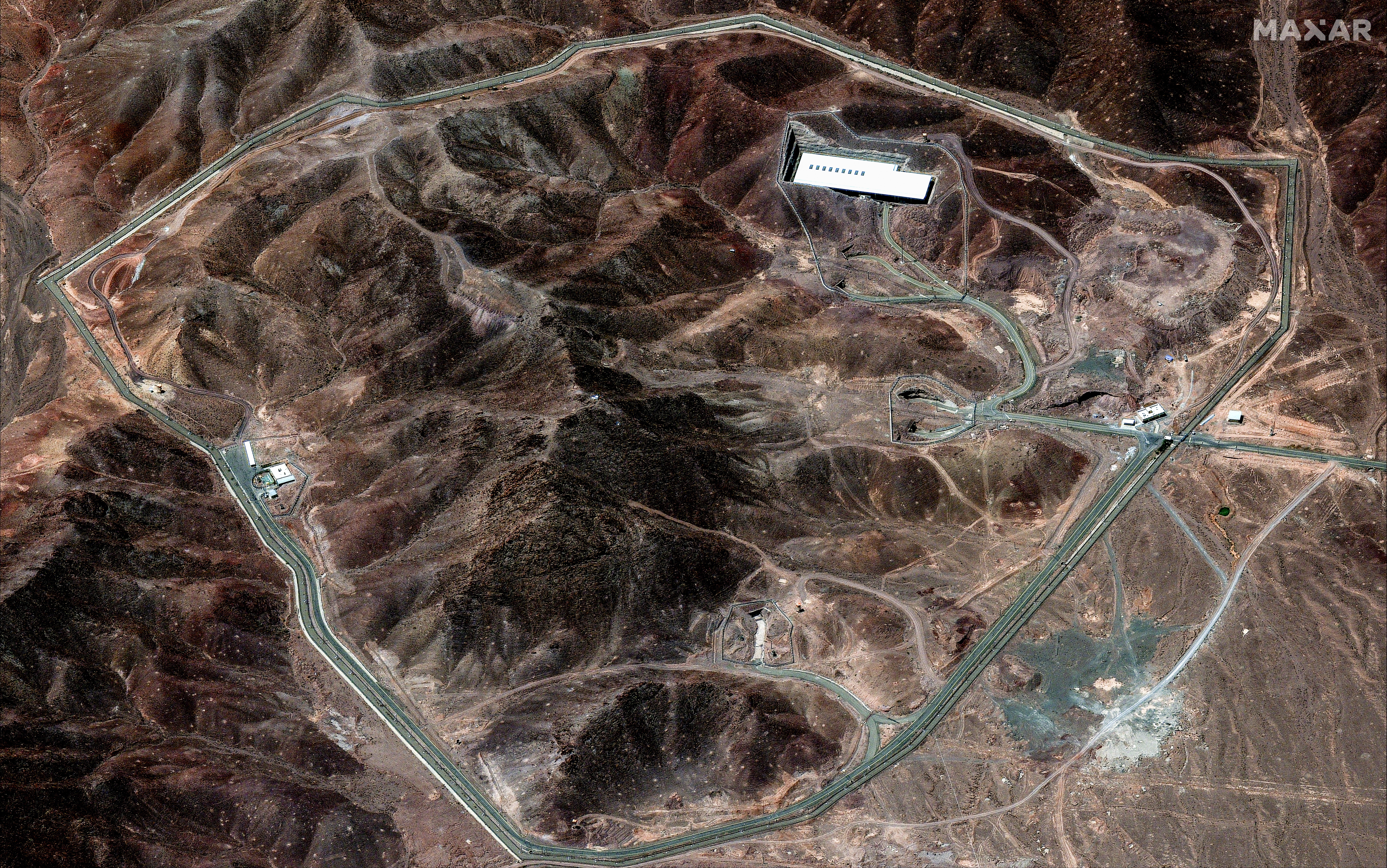
Additionally, Iran would be required to surrender all enriched materials to the International Atomic Energy Agency (IAEA), which would receive renewed guarantees of oversight and transparency. Following Trump's exit from the Joint Comprehensive Plan of Action (JCPOA) in 2018, Iran had removed all surveillance equipment installed by the IAEA.
Prior to the outbreak of hostilities in February, discussions were already underway regarding curbing Iran's nuclear program. Washington aimed to include topics such as Iran's missile capabilities and its funding of regional proxy groups; however, Iran initially resisted expanding the scope of negotiations. The newly reported plan aims to address these issues as well.
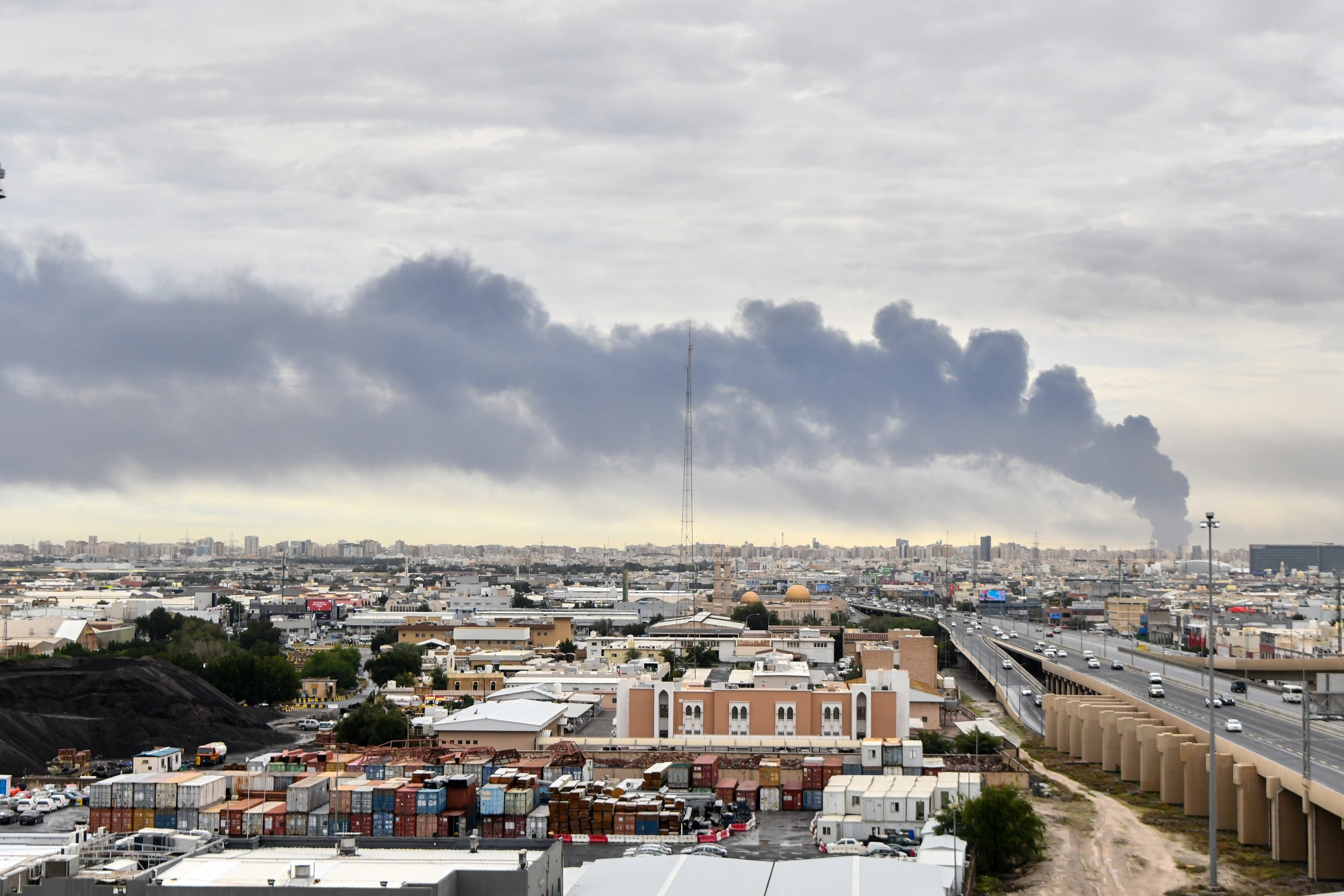
The ongoing conflict has introduced new complexities for future peace negotiations. A reopening of the Strait of Hormuz—a crucial route for oil shipments that Iran effectively blocked at the war's onset—is reportedly a focal point of the proposed plan.
Andreas Krieg, a senior lecturer at King’s College London, remarked that “these demands align with what the US has proposed multiple times over the past year. However, they emerge amid a backdrop of zero mutual trust and a geopolitical standoff where Iran holds stronger cards than the US.”
Trump claimed that US envoy Steve Witkoff and his son-in-law Jared Kushner engaged in discussions with an Iranian leader on Sunday, though he did not specify who that individual was. Initial speculation pointed towards Iranian Parliament Speaker Mohammad Bagher Qalibaf as a potential interlocutor; however, Qalibaf quickly refuted claims of any ongoing talks.
According to three Pakistani officials, one Egyptian official, and a Gulf diplomat, the US has agreed “in principle” to participate in discussions in Pakistan while mediators continue efforts to persuade Iran. Pakistan expressed readiness to facilitate talks if both parties are amenable.
Despite Iran's military denying any negotiations are taking place, sources familiar with high-level discussions indicated that US and regional mediators hope to initiate peace talks with Iran as soon as Thursday, contingent upon Iranian approval.
The prospect of a US-backed peace agreement has raised alarms in Israel. As Trump engages with Iranian leaders, he appears to have shifted away from advocating for the collapse of the Islamic Republic. Israeli Prime Minister Benjamin Netanyahu maintains that the war's objective is to assist Iranians in overthrowing their government.
Reports suggest Netanyahu remains apprehensive that Trump might broker a deal that falls short of Israel’s goals, potentially limiting Iran’s capacity for strikes against its adversaries. In a statement released late Monday, Netanyahu acknowledged Trump's diplomatic initiatives but affirmed Israel's commitment to continue targeting its enemies for now.
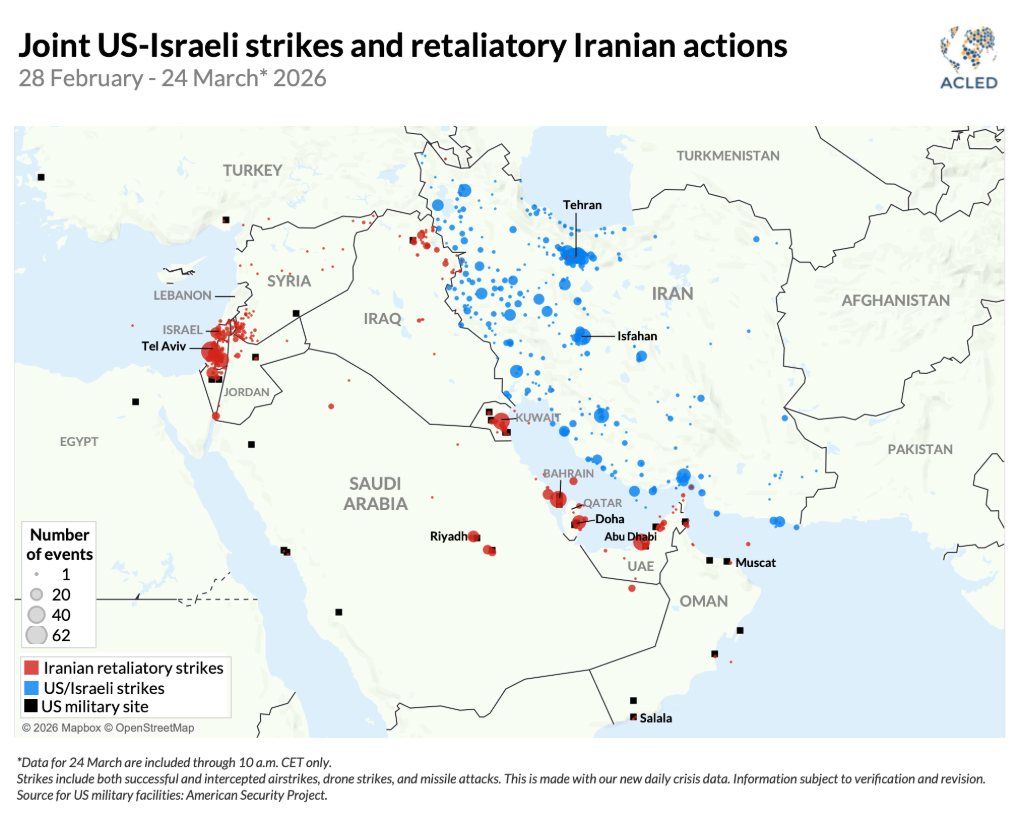
Trump’s recent announcement of progress in negotiations coincided with an impending deadline on an ultimatum he issued over the weekend, threatening to “obliterate” Iran’s power plants unless it relinquished control over the Strait of Hormuz. In response, Iran threatened retaliation against infrastructure across the Gulf.
On Monday, Trump extended the deadline by five days and expressed optimism about reaching a deal within the week—a development welcomed by global oil and stock markets. This maneuver may indicate his concern regarding the war's potential long-term repercussions on both the US and global economies; however, his administration insists that any economic pain from rising oil prices will be swiftly mitigated once hostilities cease.
Conversely, analysts at the Soufan Center suggest that Trump could be buying time for thousands of Marines en route to the region. This deployment may serve as leverage in negotiations with Iran but also raises speculation about possible US actions aimed at seizing Kharg Island—critical to Iran’s oil infrastructure—or executing operations to extract enriched uranium from within Iran. Such actions would likely escalate tensions further and prolong the conflict.