

Republicans Redraw the Lines: Virginia's Dems Face a Crushing Blow
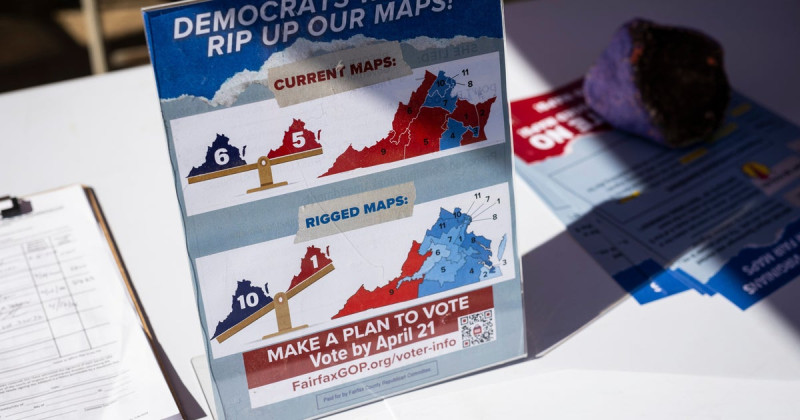
Virginia's Democrats just got blindsided, and the GOP is seizing the moment to redraw the electoral map in their favor. A whirlwind of legal maneuvers has left the Democrats scrambling after the state’s Supreme Court tossed out the results of a pivotal special election held on April 21.
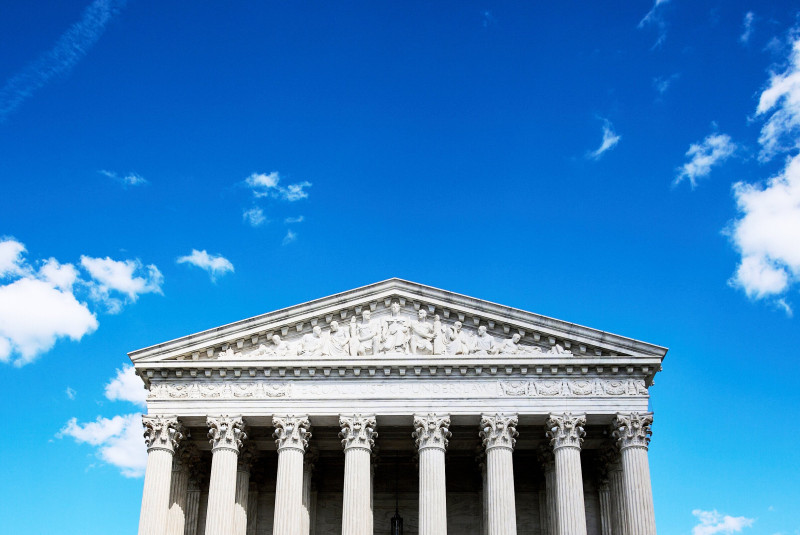
In a razor-thin 4-3 decision, the court ruled that the legislature botched the process for placing a constitutional amendment on the ballot, which would have potentially netted Democrats four additional House seats. Talk about a gut punch!
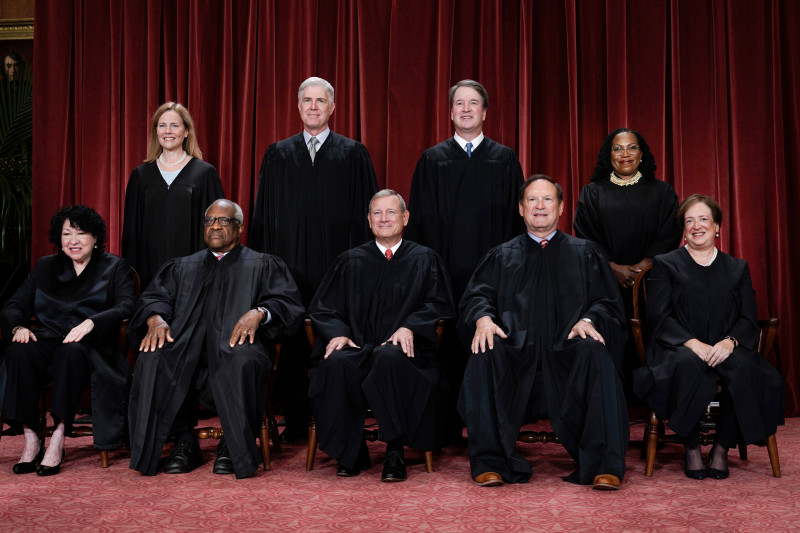
But that’s not all. Southern Republicans are on a redistricting rampage, fueled by an April 29 U.S. Supreme Court ruling that weakened protections for minority voting rights. The Louisiana v. Callais case has ignited a frenzy reminiscent of Trump’s redistricting push last year, aimed at solidifying Republican control in the House.
In Louisiana, Republican Governor Jeff Landry hit pause on the May 6 primaries after early voting had already begun. Meanwhile, Alabama and Tennessee's GOP-led legislatures wasted no time, launching special redistricting sessions just days after the ruling. South Carolina is also gearing up to redraw its maps.
Protesters have stormed capitol buildings in Montgomery and Nashville, with civil rights activists and Democratic lawmakers decrying these moves as a blatant attempt to dilute Black voting power—a grim echo of the South’s pre-civil rights era.
Tennessee Republicans are fast-tracking a map that could flip the state’s lone Democratic-held seat, while Alabama’s redistricting awaits court approval. Voting rights groups are gearing up for battle, filing lawsuits to halt these aggressive redistricting efforts.
Before this latest ruling, Republicans were already ahead in the redistricting game, with a potential three-seat advantage over Democrats. Now, with Virginia’s loss, that gap could widen to ten seats. The full impact of these changes remains uncertain as some states continue to navigate their redistricting processes.
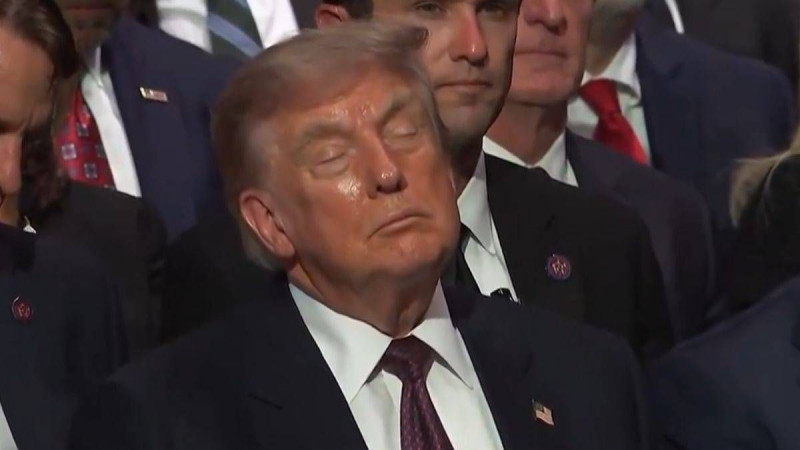
Currently, the House stands at 217 Republicans to 212 Democrats, and history shows that the party in power typically loses ground during midterms. For Trump, maintaining Republican control is crucial; he’s warned that a Democratic House could lead to impeachment proceedings against him.
Redistricting usually follows the census at the decade's start, dividing seats among states. Gerrymandering—manipulating district boundaries to favor one party—has become a common yet unpopular tactic. Last summer, Trump rallied Texas Republicans to pass a new map aimed at snagging five seats, while California Democrats countered with their own map to gain five seats.
Republicans have also responded to Trump’s calls in Missouri and North Carolina for one seat each and in Florida for four seats last month. However, attempts in Kansas and Indiana fell flat due to lack of support.
In total, Republicans have flipped about 13 House seats before this Supreme Court ruling, while Democrats managed to pick up around ten. But with Virginia’s four seats now seemingly lost unless a court reversal occurs, the stakes are higher than ever.
With some states already having held their primaries, Democrats find themselves with limited options for redrawing maps. In Maryland, Democratic Governor Wes Moore is pushing for redistricting, and pressure is mounting on a powerful Senate leader to relent and allow it.