

Trump's China Rant: A Desperate Midterm Distraction
Gavin Newsom, California’s governor, is dead wrong. Donald Trump’s recent tirade against China and the “deep state” within his own country, including intelligence officials and the electoral system, goes beyond mere madness.
It’s far worse.
If Trump genuinely believed that Beijing was attacking American democracy by purchasing voter data and creating fake ballots, then China would face immediate economic sanctions.
Xi Jinping’s agents would be rounded up and expelled. America’s technological infrastructure would undergo a massive purge, and we’d be tossing our iPhones into the trash.
China is indeed a malevolent force, but its methods are far more insidious. It has ensnared the West in a web of dependency on its manufactured goods, mirroring how the British once addicted China to opium. China has pilfered hundreds of billions in intellectual property from the West. Now, it’s tightening its grip on rare-earth minerals, crippling Western battery manufacturers’ ability to compete in next-gen tech.
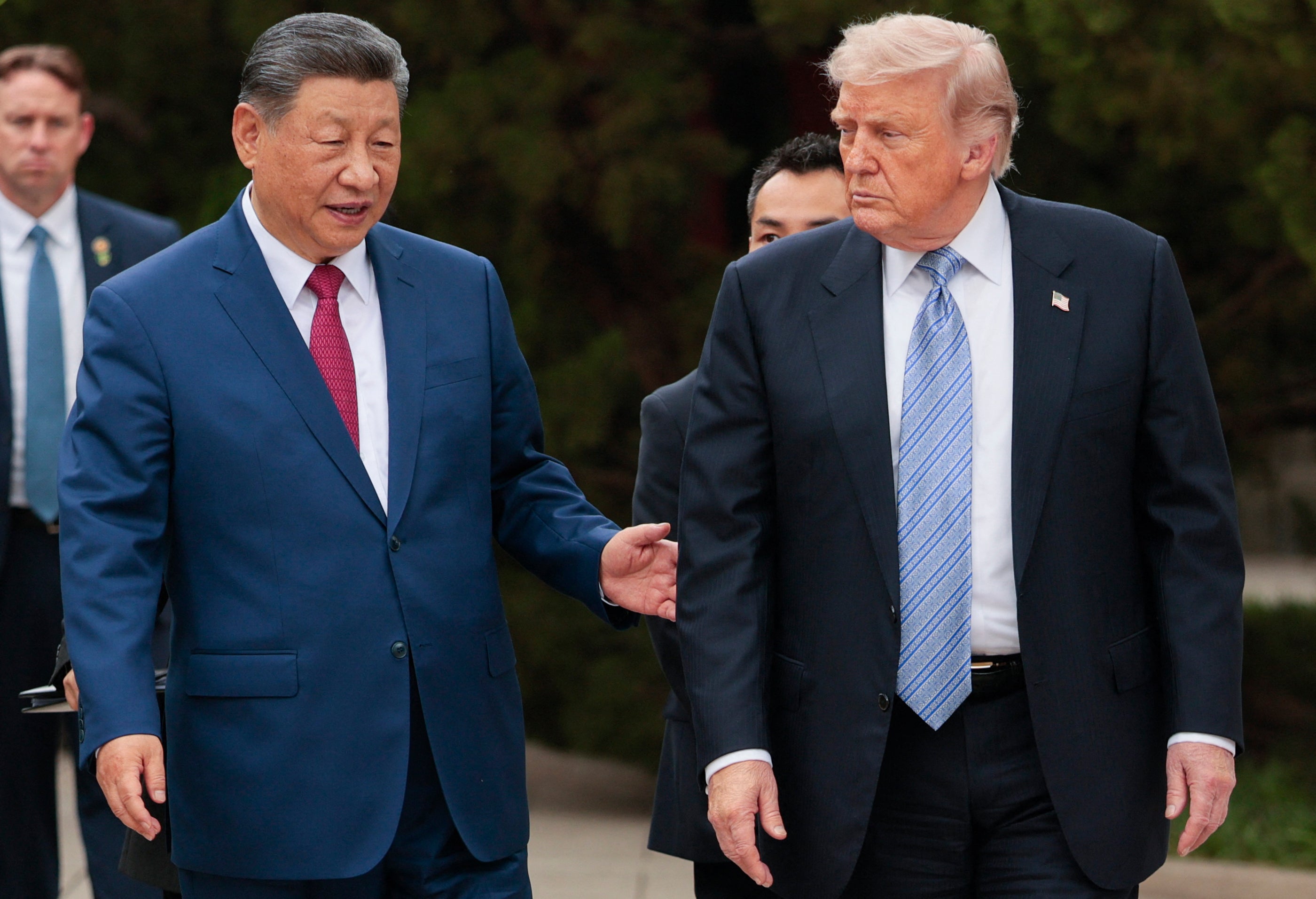
Trump was aware of these issues during his visit to Beijing. Behind closed doors, he may have raised these concerns, but publicly, their relationship appeared friendly.
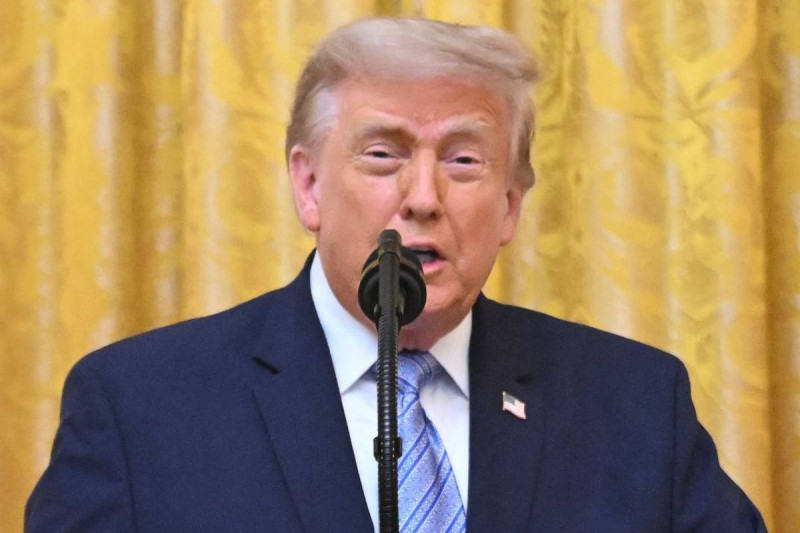
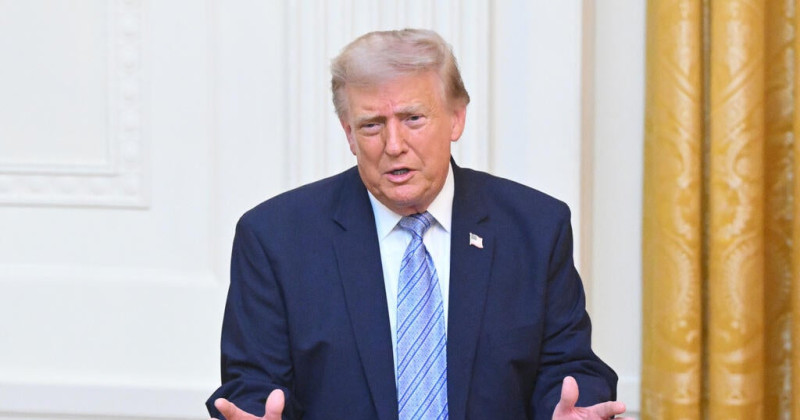
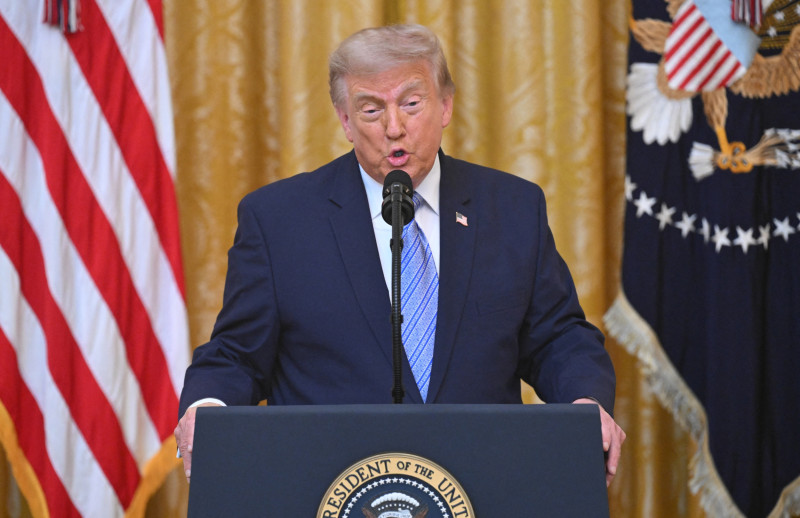
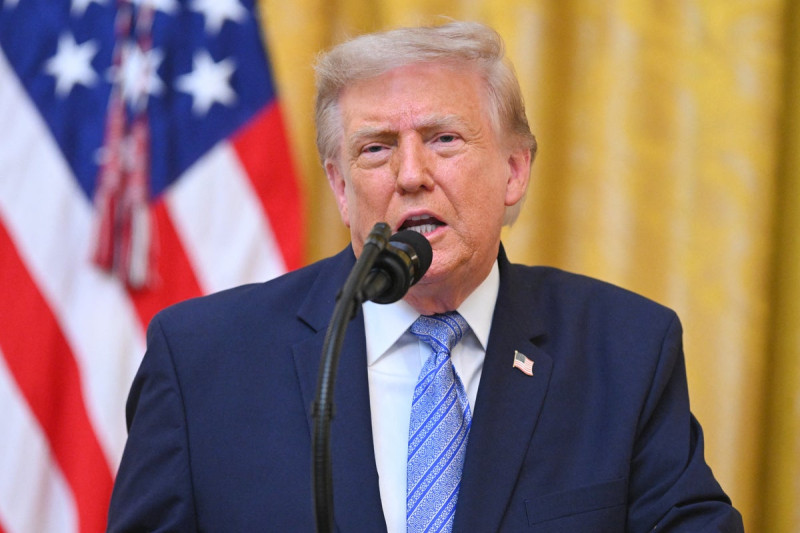
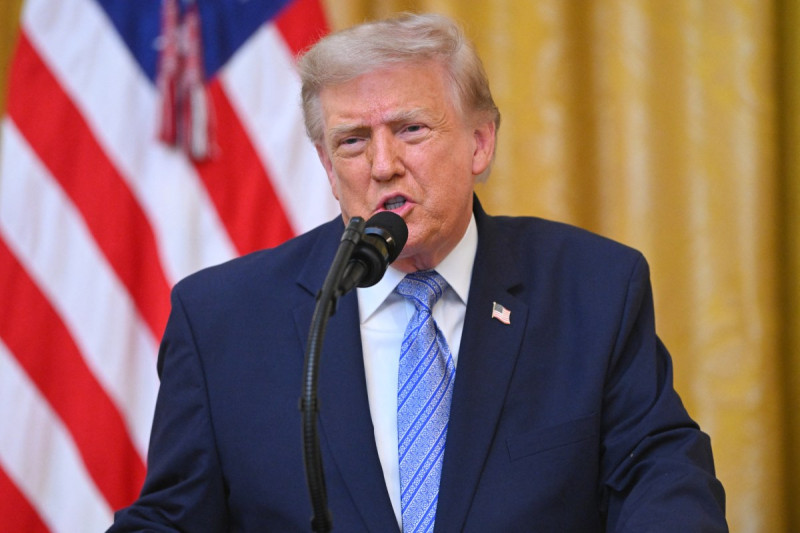
Now, Trump has delivered a presidential address from the White House, claiming that US elections are vulnerable to “hacking, exploitation, and foreign interference.” He accused China of executing “the largest compromise of election data in history” simply by acquiring election data that is largely available for purchase.
“They wanted to just make you sound like your president wasn’t so hot, when actually, your president has done a great job. And they did everything possible to do exactly that,” he stated.
Trump’s Republican Party faces dismal polling and is set to suffer due to its association with the presidency in the upcoming November midterm elections. A recent Ipsos poll shows that 61 percent of Americans disapprove of how the president is managing the country.

He is preparing for what he might unleash next—not a “mad king” moment but a calculated consolidation of power over America’s institutions.
Resistance to his ongoing coup exists within the US judicial system. Some states, particularly Minnesota, have thwarted his deployment of ICE stormtroopers. However, his grip on the US security establishment is nearly absolute and tightening daily.
Any officer aspiring to rise through the ranks in defense or intelligence knows they must demonstrate unwavering loyalty to Trump.
The president blames figures like former general Mark Milley for obstructing his attempts to undermine democratic processes when American securocrats labeled themselves the “grown-ups in the room” and mitigated some of Trump’s most dangerous impulses.
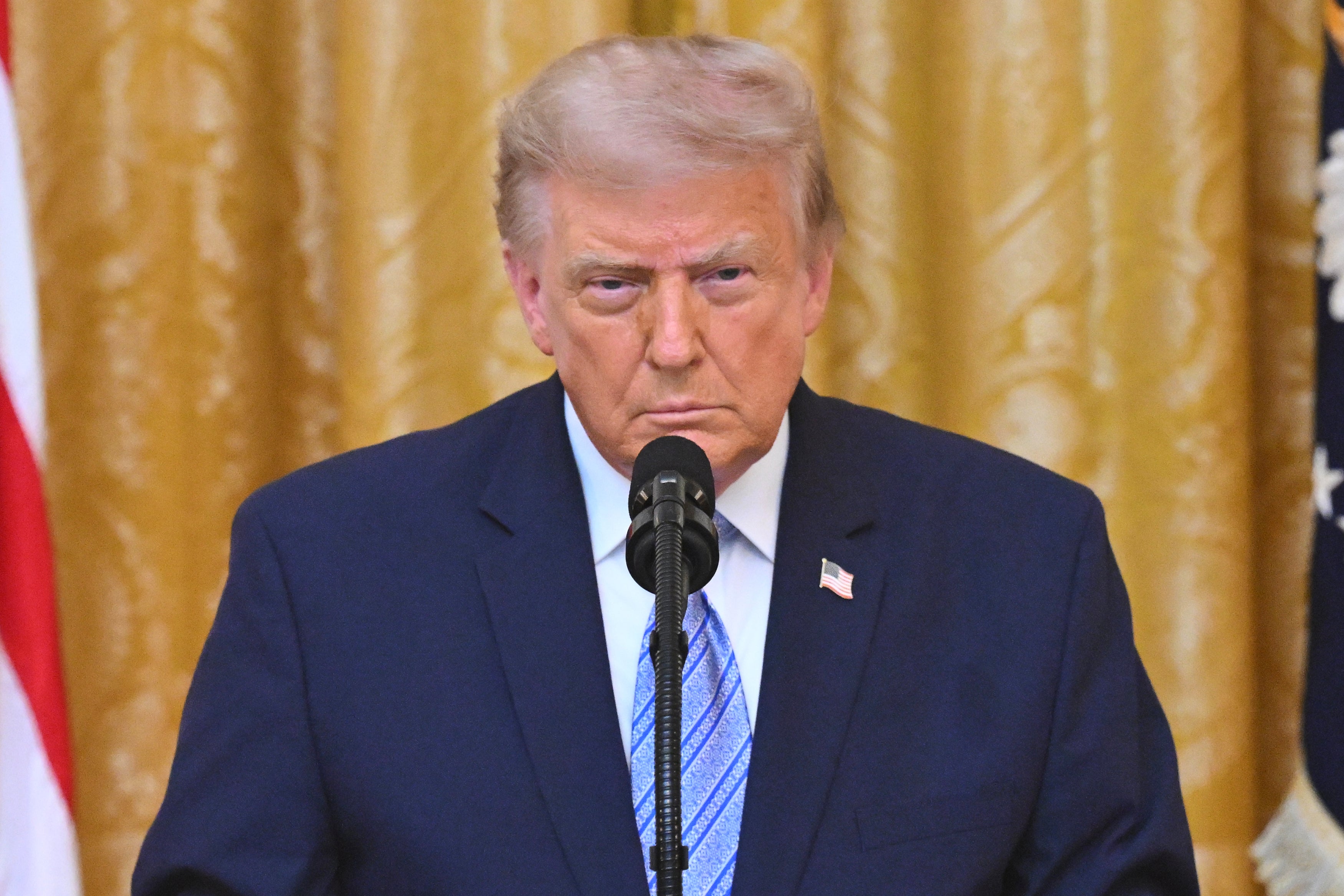
Trump has claimed that the “deep state” conspired against him in 2020 alongside China to rob him of an election he lost. He has pardoned nearly all those who attempted to overturn those results through a violent assault on Congress on January 6, 2021.
Now, he is pushing legislation through Congress aimed at disenfranchising large numbers of voters likely to oppose his party in November. He calls it the SAVE America Act.
The US has been subjected to widespread social-media election interference orchestrated by Russia—largely in support of Trump—and by China.
Both nations have weaponized the internet to incite discontent, manipulate voters, and foster distrust in Western democratic structures. Yet no one has disrupted the US Constitution as effectively as Trump himself.
His public assault on China isn’t a strategic maneuver; it’s a preemptive strike ahead of the November elections, as it becomes increasingly clear they may not favor him.