

BEIJING, May 12 - U.S. President Donald Trump is gearing up for a pivotal trip to China this week, but the swagger he once had is noticeably absent. A year ago, he boasted that hefty trade tariffs would bring the Asian giant to its knees. Now, he’s scrambling for a few paltry deals on soybeans, beef, and Boeing jets, all while seeking China’s assistance to untangle the mess of his unpopular Iran war.
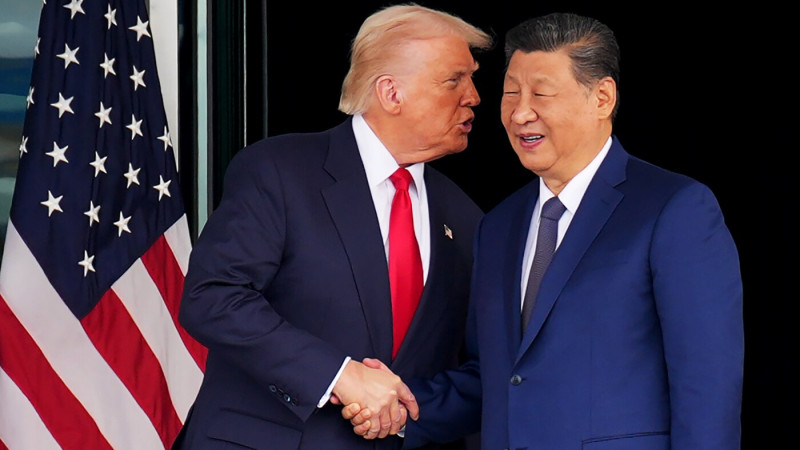
As Trump prepares for his May 14-15 meetings with Xi Jinping—the first since their trade war truce last October—expectations are lower than a limbo bar at a beach party. Analysts suggest that Trump’s brash tactics have backfired, leaving him in a position where he “kind of needs China more than China needs him,” according to Alejandro Reyes, a Chinese foreign policy expert at the University of Hong Kong.
“He’s hunting for a foreign policy win,” Reyes elaborated, “something that shows he’s not just a disruptor in global politics.” The stakes are high as Trump faces mounting pressure from court rulings against his tariffs and a war with Iran that’s tanking his approval ratings ahead of the midterms.
This week’s summit in Beijing promises grandeur: a meeting at the Great Hall of the People, a tour of the UNESCO-listed Temple of Heaven, and a state banquet. But don’t expect fireworks; the anticipated economic outcomes are little more than a handful of agreements and mechanisms to manage future trade. Will they even extend their fragile truce? That remains uncertain.
Trump will be accompanied by a smaller delegation of CEOs, including Tesla’s Elon Musk and Apple’s Tim Cook, compared to his last visit in 2017. Beyond trade, he plans to discuss arms sales to Taiwan and the case of jailed media mogul Jimmy Lai. Families of two Americans imprisoned in China for over a decade are also urging Trump to push for their release.
“We used to be taken advantage of for years with our previous presidents, and now we’re doing great with China,” Trump claimed. “I respect him (Xi) a lot, and hopefully he respects me.” But the mood has shifted dramatically since Trump declared on Truth Social that his tariffs would end the “days of ripping off” America.
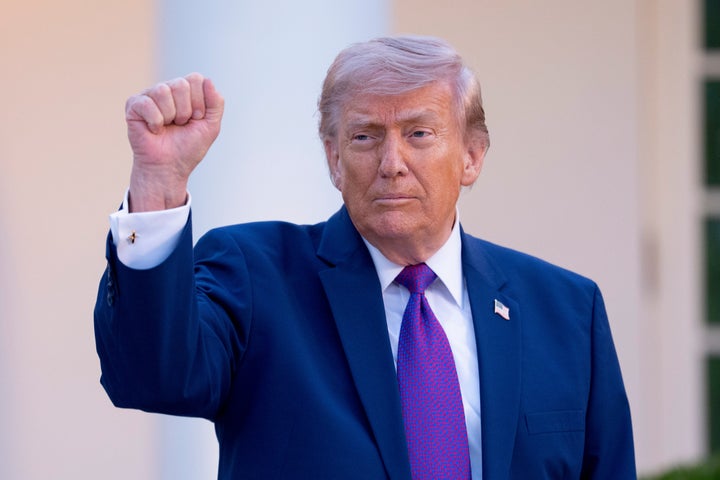
Those tariffs led Beijing to restrict rare earth exports, exposing the West’s dependency on these critical materials used in everything from electric vehicles to military hardware. This economic tug-of-war has left Trump grappling with multiple crises: from Venezuela to Greenland and now an Iran conflict that has ignited chaos in the Middle East.
Public sentiment is turning against him; over 60% of Americans disapprove of his Iran war, according to a recent survey. Now, Trump is looking to China to help broker a deal with Tehran. With China maintaining strong ties with Iran and being a major consumer of its oil, the stakes are high.
Matt Pottinger, former deputy national security advisor during Trump’s first term, noted that while China may want to see American power weakened, it’s also wary of the economic fallout from prolonged conflict.
But make no mistake—Beijing will demand concessions in return. Taiwan is at the top of Xi’s agenda, and any perceived shift in U.S. support could send shockwaves through Asia. Wu Xinbo from Fudan University advised that Trump must clarify he won’t support Taiwanese independence or actions that encourage separatism.
China is also pushing for commitments from the Trump administration against future retaliatory trade actions and wants existing technology export controls rolled back. Since last October, Beijing has been tightening its grip on economic leverage, enacting laws to punish foreign entities that move supply chains away from China.
Interestingly, public opinion is shifting; 53% of Americans now favor friendly engagement with China, up from 40% last year. For Trump, simply maintaining stable relations and extending the trade war truce could be spun as a victory.
However, analysts warn that the likely outcome will be “a superficial ceasefire that is largely to China’s advantage,” according to Scott Kennedy from the Center for Strategic and International Studies. As Trump heads into these crucial talks, one thing is clear: he’s in dire need of wins.