


Trump's DOJ Targets Anti-Hate Organization, Raising Alarming Concerns
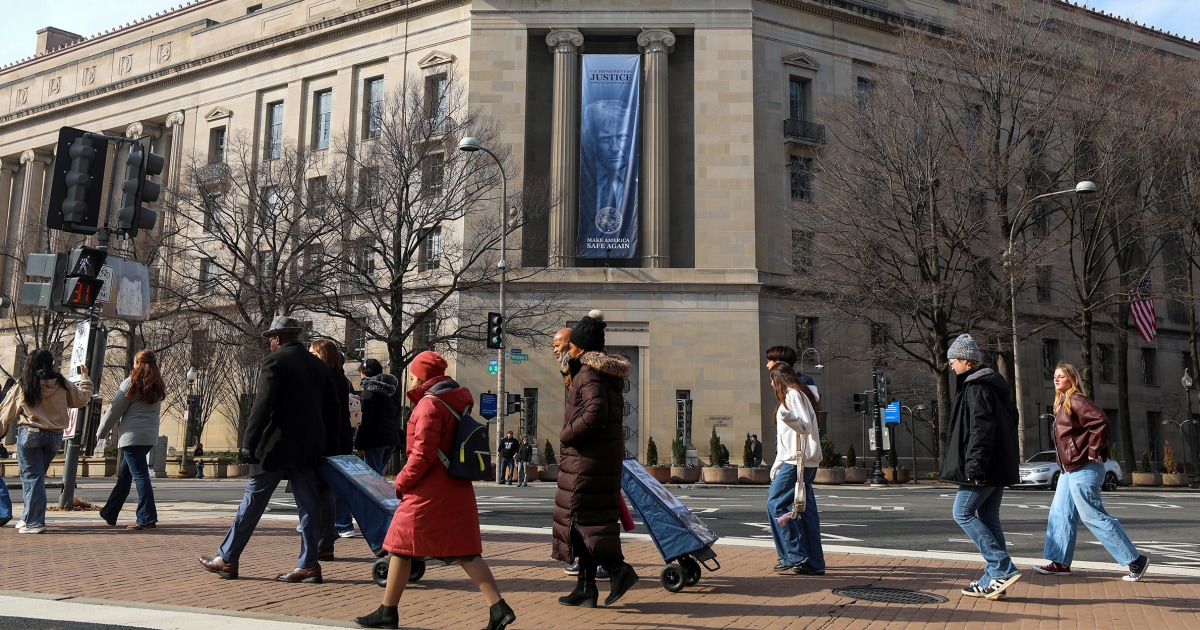
The Southern Poverty Law Center (SPLC) finds itself at the center of a contentious indictment from the Justice Department, a move that many see as part of a broader strategy by the Trump administration to restrict the operations of civil rights organizations. This legal action could instill fear among similar groups across the nation.
On Tuesday, the DOJ accused the SPLC of allegedly channeling over $3 million to extremist factions, including the Ku Klux Klan, through claims of wire fraud, false banking statements, and a conspiracy to launder money. The allegations paint a picture of a nonprofit deeply entangled in criminal activity.
During a press briefing, acting Attorney General Todd Blanche criticized the SPLC’s long-standing practice of monitoring hate groups, suggesting that their efforts have inadvertently bolstered these organizations rather than dismantling them. He specifically pointed to claims that SPLC’s informants, referred to as “field sources,” may have inadvertently supported the very hate groups they were meant to expose.
However, the indictment presents scant material evidence to substantiate its sweeping claims, which is typically essential in federal criminal cases alleging extensive conspiracies. The SPLC’s use of informants has been publicly acknowledged for years, raising questions about the validity of the DOJ's accusations.
In response to inquiries, the White House directed attention to a social media post where Press Secretary Karoline Leavitt labeled the SPLC as a “criminal organization” run by “fraudsters” who incite the very racism they claim to combat.
Experts argue that this indictment reflects a troubling blend of hypocrisy and intimidation that could significantly deter organizations working against extremism. “They want to put them through the wringer and chill similar organizations,” stated Glenn Kirschner, a former U.S. Army prosecutor with three decades of experience. He emphasized that informants are a common tool for prosecutors. “This is the federal government saying do as we say, not as we do.”
According to SPLC’s legal representatives, the organization has ceased using paid informants. Yet, in the past, these informants provided critical insights into extremist groups that would otherwise operate in secrecy. The right to publish findings based on such investigations is constitutionally protected, and law enforcement agencies have historically benefited from information gathered by organizations like the SPLC.
Informants can reveal intricate details about leadership structures, recruitment strategies, and plans for events—both violent and non-violent—allowing law enforcement to gain access to otherwise closed circles.
“It wasn’t news to me,” remarked Todd Blodgett, a former paid FBI informant, regarding the indictment's claims about SPLC compensating members of hate groups for information. Blodgett previously owned a prominent neo-Nazi record label and an advertising firm that collaborated with far-right groups.
Blodgett noted that compensating informants served dual purposes for the SPLC: it ensured a steady stream of hate groups to investigate while furthering their mission by gathering intelligence on extremists for law enforcement.
“When you have competent informants who can blend in with the crowd you’re monitoring, that serves the purpose of donations,” he explained.
The indictment alleges that informants acted in ways contrary to SPLC’s mission, suggesting this behavior constitutes fraud. However, Blodgett countered that undercover operatives often must adopt such personas to maintain their cover.
“They’ve got to keep up the front if these people are providing information they want,” he said.

What happens if their cover is compromised? Blodgett warned, “They probably would have killed them. I’m not exaggerating. That’s the kind of thing that will get you killed.”
The FBI similarly employs paid informants to infiltrate these groups, adhering to DOJ guidelines on financial accountability.
During his time as an informant from 2000 to 2002, Blodgett reported earning between $6,500 and $7,000 monthly from the FBI, along with reimbursements for expenses related to his work.
Kirschner highlighted the importance of informants in law enforcement efforts. “We use informants; we pay people to infiltrate or remain within criminal organizations because that’s how you dismantle conspiracies,” he stated.
The DOJ claims that payments to informants were funneled through accounts linked to fictitious entities, allowing SPLC to obscure who controlled donor funds. However, SPLC clarified that it did not attempt to conceal ownership of these accounts; an internal investigation confirmed they were established under the organization’s authority.
As motion hearings loom—yet unscheduled—the government will need to substantiate its charges, particularly regarding money laundering conspiracy. Proving such a conspiracy requires demonstrating planning and intent, a process that can be lengthy and complex.
Kirschner expressed skepticism about the indictment's success but suggested that intimidation might be its true objective. “That’s the point,” he asserted.
This tactic of pursuing dubious prosecutions against political adversaries has been a hallmark of the administration's strategy. High-profile figures like former FBI Director James Comey and New York Attorney General Letitia James have faced similar scrutiny.
The indictment against SPLC—a target for both far-right factions and mainstream Republicans—could drain resources and serve as a warning to other organizations. Even if SPLC mounts a successful defense, significant damage may already be inflicted.
Praveen Fernandes from the Constitutional Accountability Center noted connections between Trump’s recent clemency actions for January 6th participants and the current DOJ pursuit of SPLC. “It is hard to see that as disconnected from the Trump DOJ now going after a nonprofit that designated the Oath Keepers and Proud Boys as hate groups,” he remarked.
This situation exemplifies what Fernandes describes as a “multi-prong attack” on essential civil society institutions like nonprofits and universities. “This is an example of weaponizing the law against groups doing meaningful work valued by communities for decades,” he concluded. “This attack aligns with efforts to rewrite our nation’s history and laws.”