
Trump's NATO Showdown: Tensions Rise as Summit Kicks Off
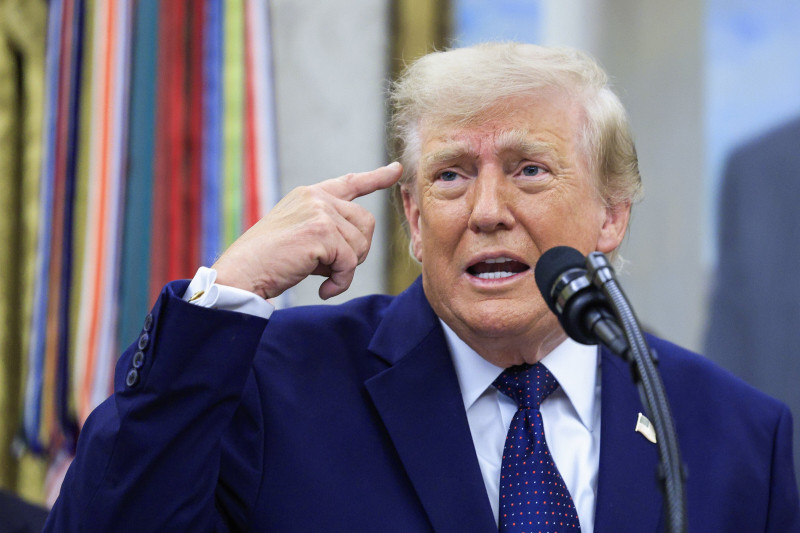
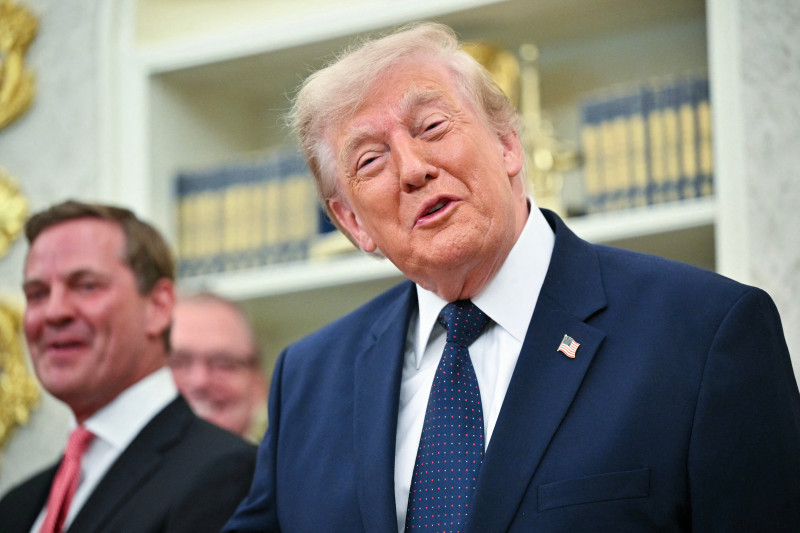
President Trump’s arrival in Turkey for the NATO summit signals a brewing storm, as he openly declares the alliance's financial dynamics a "ridiculous" burden on the United States. He claims, "The United States spends more money on NATO than any other country, by far, to protect them, without getting any benefit from so doing."
Days before the summit, Trump’s rhetoric sets the stage for another potentially explosive meeting with NATO allies, who have endured a decade of his scathing critiques. His first term saw him label NATO "obsolete," while French President Emmanuel Macron lamented the "brain death of NATO," reflecting the fractures within the alliance.
In 2022, NATO experienced a resurgence due to Russia's invasion of Ukraine, prompting member states to rally together. However, Trump’s second term has reignited his grievances about burden-sharing, further straining relationships. His controversial claim last year regarding U.S. control over Greenland only added fuel to the fire.
As thirty-two member countries convene, defense industry experts brace for a lackluster summit. Max Bergmann from the Center for Strategic and International Studies notes a "summit fatigue," suggesting that this gathering may be more about maintaining appearances than achieving substantial outcomes.
Key topics on the agenda include defense spending increases and military supply chain improvements. NATO Secretary-General Mark Rutte emphasized the commitment to revitalizing NATO with a concept dubbed "NATO 3.0," aimed at fostering a stronger Europe and a more robust alliance.
This initiative stems from Pentagon desires for Europe to shoulder more security responsibilities, reducing reliance on U.S. forces. Bergmann highlights a significant shift in NATO's structure, aiming to empower European nations while pulling back American military presence.
Trump’s administration views the summit as an opportunity to pressure allies into ramping up their defense budgets. U.S. ambassador to NATO Matt Whitaker insists that all allies must urgently aim for a 5% defense spending target.
Despite Trump's focus on European spending, Bergmann points out a deeper issue: EU countries have historically coordinated their defense with the U.S., rather than among themselves. This dynamic has long been advantageous for the U.S., which has preferred a fragmented European defense landscape to maintain its influence.
The debate over European security has persisted for decades. Ian Lesser from the German Marshall Fund notes a consensus that NATO will evolve into a more European-centric organization, though complete detachment from U.S. involvement remains unlikely.
Rutte’s primary mission is to keep Trump satisfied and maintain alliance cohesion. Analysts recognize Trump as the unpredictable element in these discussions, with outcomes remaining uncertain until after press conferences conclude.

Trump has recently voiced frustration over NATO's perceived lack of support for U.S. military actions in Iran, demanding loyalty from European allies. He stated, "I just want their loyalty," emphasizing America's commitment to defending them.
However, European nations have hesitated to engage in conflicts like the Iran war without prior consultation. The summit's success hinges on personal dynamics among leaders, with Rutte attempting to appeal to Trump’s political sensibilities.
Rutte has presented hard data showing NATO's progress, including a 20% increase in defense spending by European nations and Canada. Allies committed at the 2025 NATO summit to raise annual defense spending to 5% of GDP by 2035, up from 2%.
Bergmann notes that Trump views foreign policy through a transactional lens, complicating traditional alliances. Yet he also suggests that Trump does not wish to see NATO fail during his presidency; he prefers to be associated with successful coalitions.
The summit's location in Turkey adds another layer of complexity. Trump has acknowledged that his attendance is largely due to President Erdogan's role as host, stating, "Except for the fact that it was being held in Turkey by President Erdogan, I don't think I would have gone to it."
Turkey's recent actions within NATO have raised eyebrows, particularly its obstruction of Sweden and Finland's accession. Its ties with Russia and independent foreign policy have strained relations with both the U.S. and E.U.
Despite these tensions, Turkey boasts the second-largest military in NATO and a burgeoning defense industry, bolstered by its support for Ukraine and influence in the Middle East following regional upheavals.
The personal rapport between Trump and Erdogan may mitigate some alliance tensions during this summit. Taussig suggests that their relationship could help stabilize discussions amid underlying discord.
In preparation for the summit, Ankara has undergone extensive renovations, including beautifying public spaces and constructing a VIP airport near Erdogan's complex. However, this comes amid significant concerns regarding Turkey's democratic backsliding under Erdogan’s rule.
Bergmann asserts that any typical American president would be wary of visiting Turkey given its domestic political climate, but this does not seem to faze Trump.