
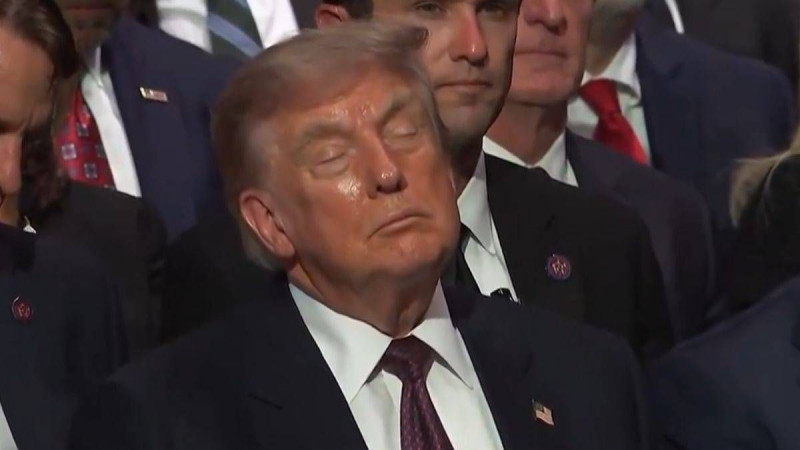


Trump's Ultimatum to Iran Sends Oil Prices Skyrocketing and Markets into a Tailspin
Global markets are reeling as the week kicks off with a bang—Asian stocks are taking a nosedive while oil prices are on fire, all thanks to Donald Trump’s ominous warning to Tehran: "the clock is ticking." Negotiations for a permanent ceasefire are stalled, and investors are feeling the heat.
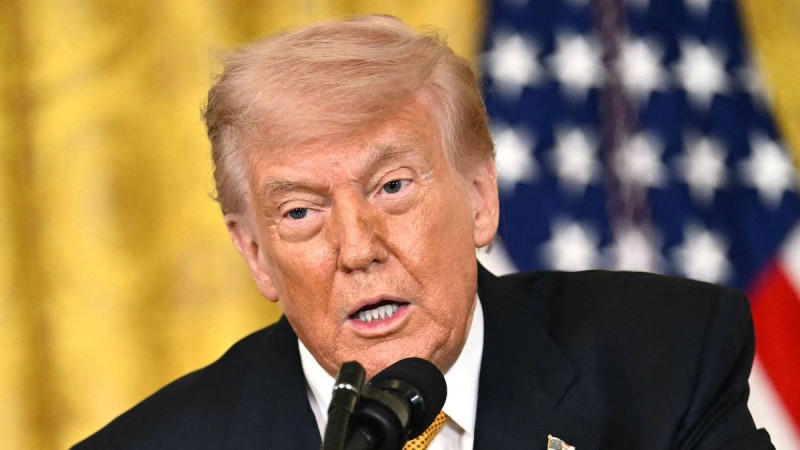
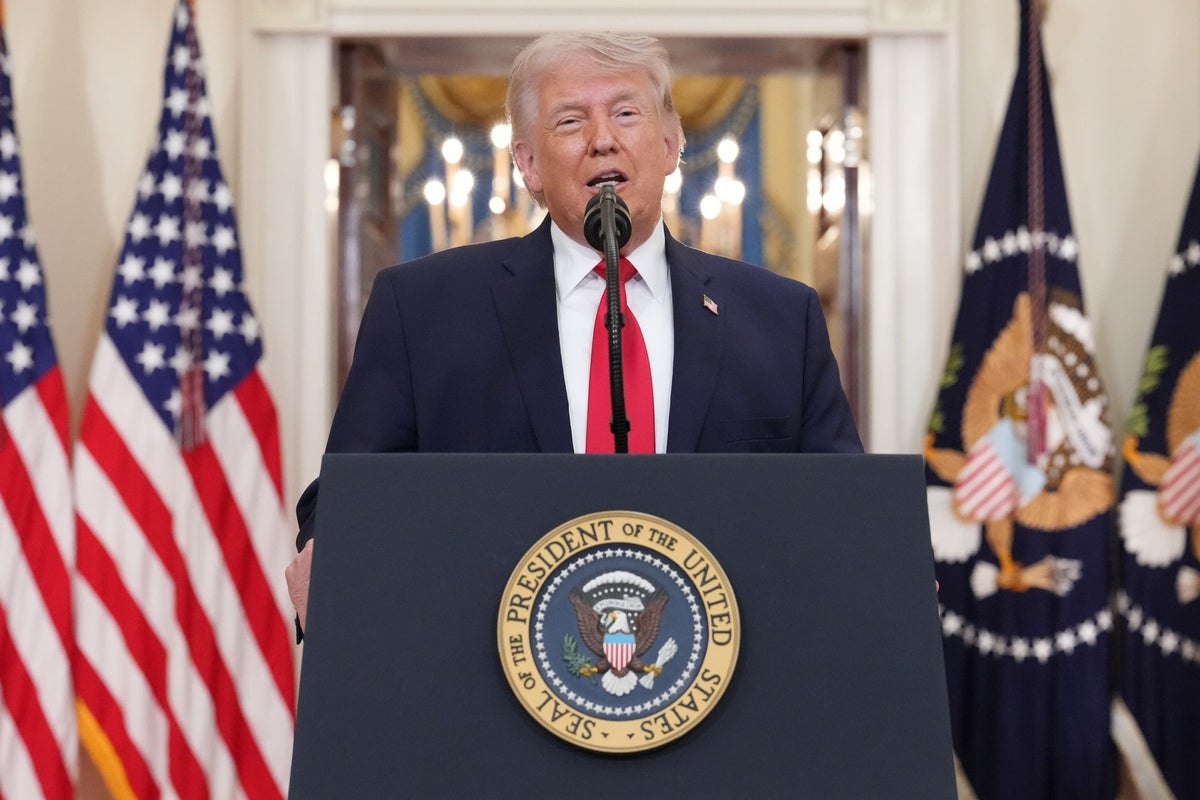
U.S. futures are not faring any better, plummeting over 0.6% as the market reacts to Trump's latest social media bombshell. His post read: "the Clock is Ticking, and they better get moving, FAST, or there won’t be anything left of them." Talk about a wake-up call!

This fiery message came hot on the heels of a conversation with Israeli Prime Minister Benjamin Netanyahu. But let’s not forget Trump’s track record—he’s notorious for setting deadlines only to backtrack later. Investors are understandably cautious.
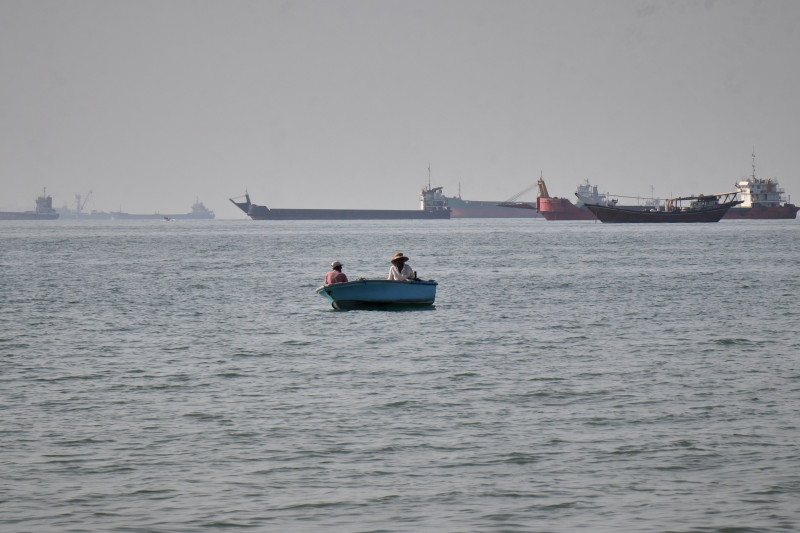
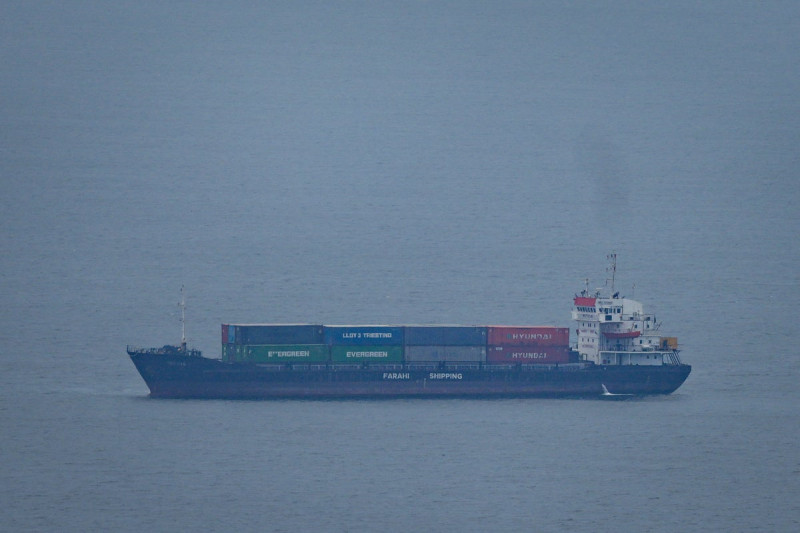
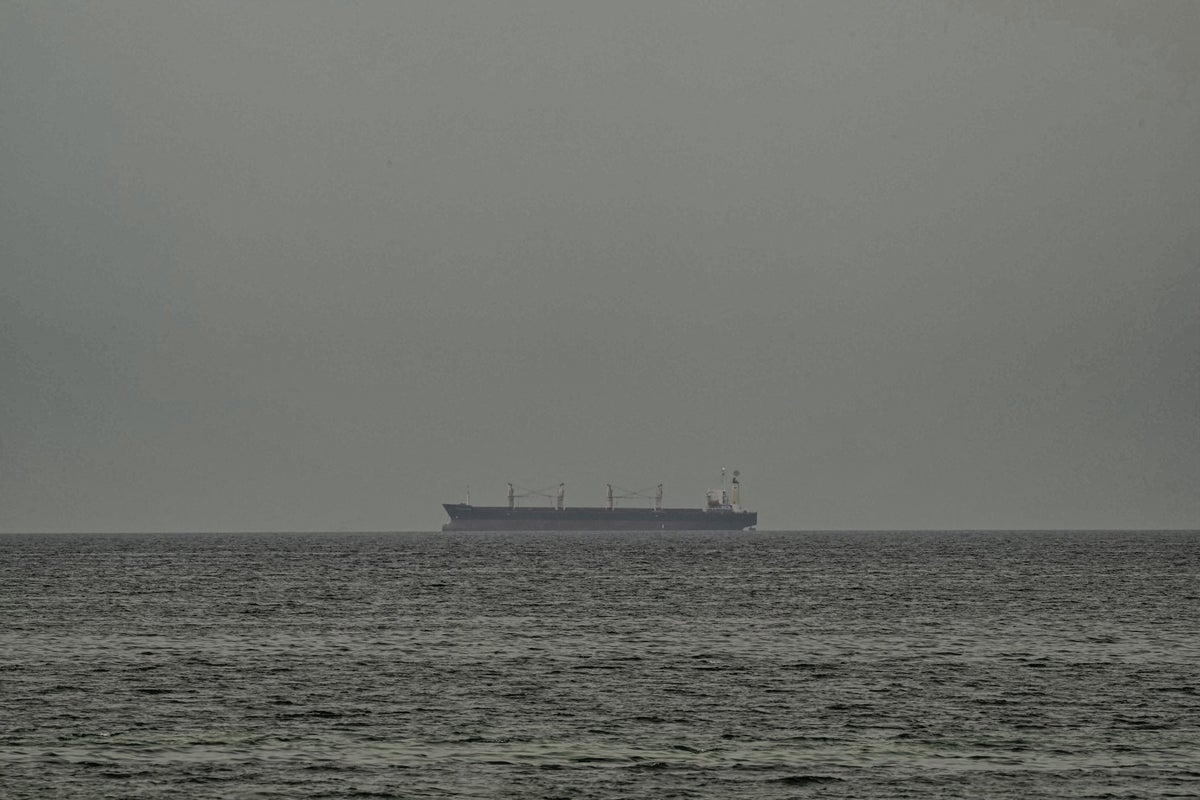
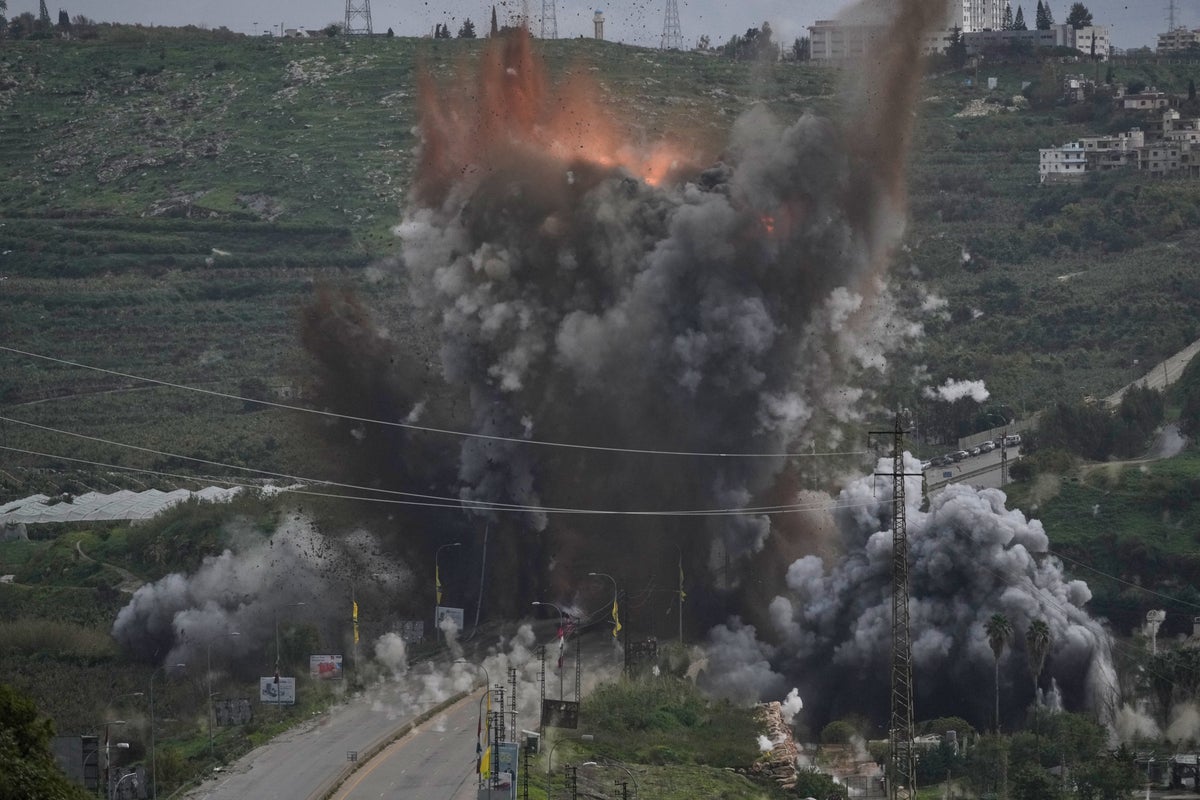
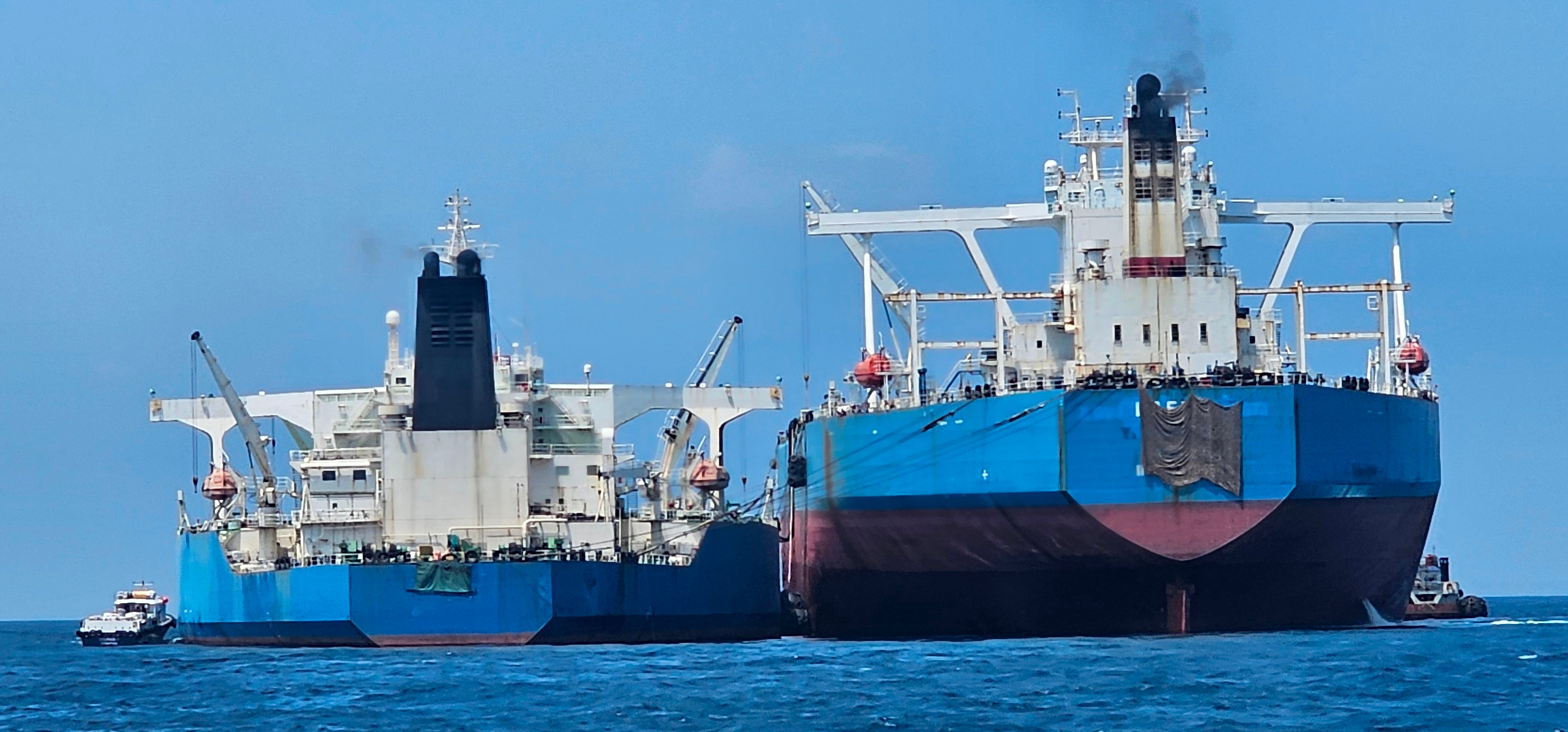
Adding fuel to the fire, a drone strike over the weekend targeted a nuclear power plant in the United Arab Emirates, raising alarms about escalating tensions in the region. The Strait of Hormuz, a vital artery for global energy, remains largely shut down, with the U.S. enforcing its own maritime blockade on Iranian ports since last month.
Brent crude, the international benchmark, surged by 1.9%, hitting $70 a barrel. Meanwhile, benchmark U.S. crude skyrocketed 2.3% to $107.83 per barrel. ING commodities strategists Warren Patterson and Ewa Manthey warned in a research note that "Re-escalation risks are increasing." And they’re not wrong—shipping activities around the strait may have picked up recently, but that could change in an instant.
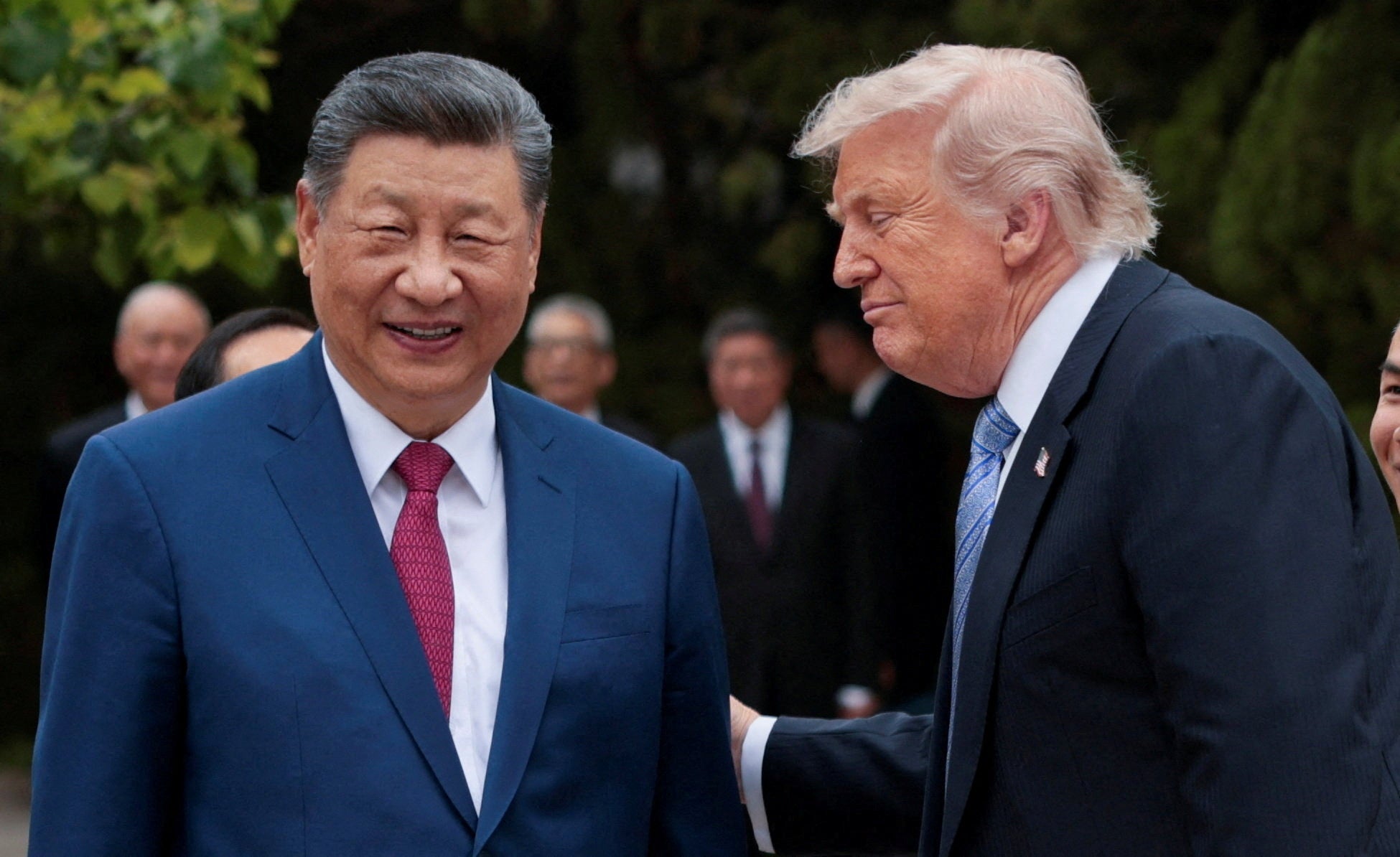
The strategists also pointed out that the oil market is reacting to the lack of concrete outcomes from last week’s summit between Trump and Chinese President Xi Jinping in Beijing. Despite claims from the White House that both nations agreed on keeping the Strait of Hormuz open, tangible results are still missing.
U.S. officials had high hopes that Beijing would use its economic clout with Iran to help broker peace. Trump even mentioned that Xi expressed a desire to assist in negotiations, but how exactly China plans to do this remains shrouded in mystery.
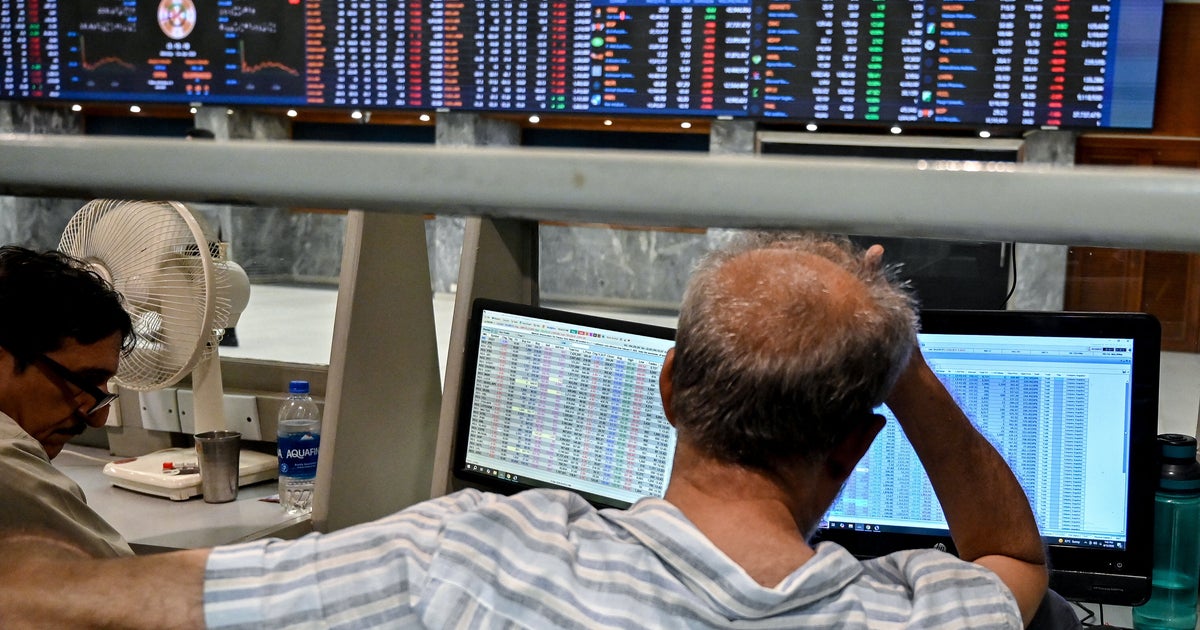
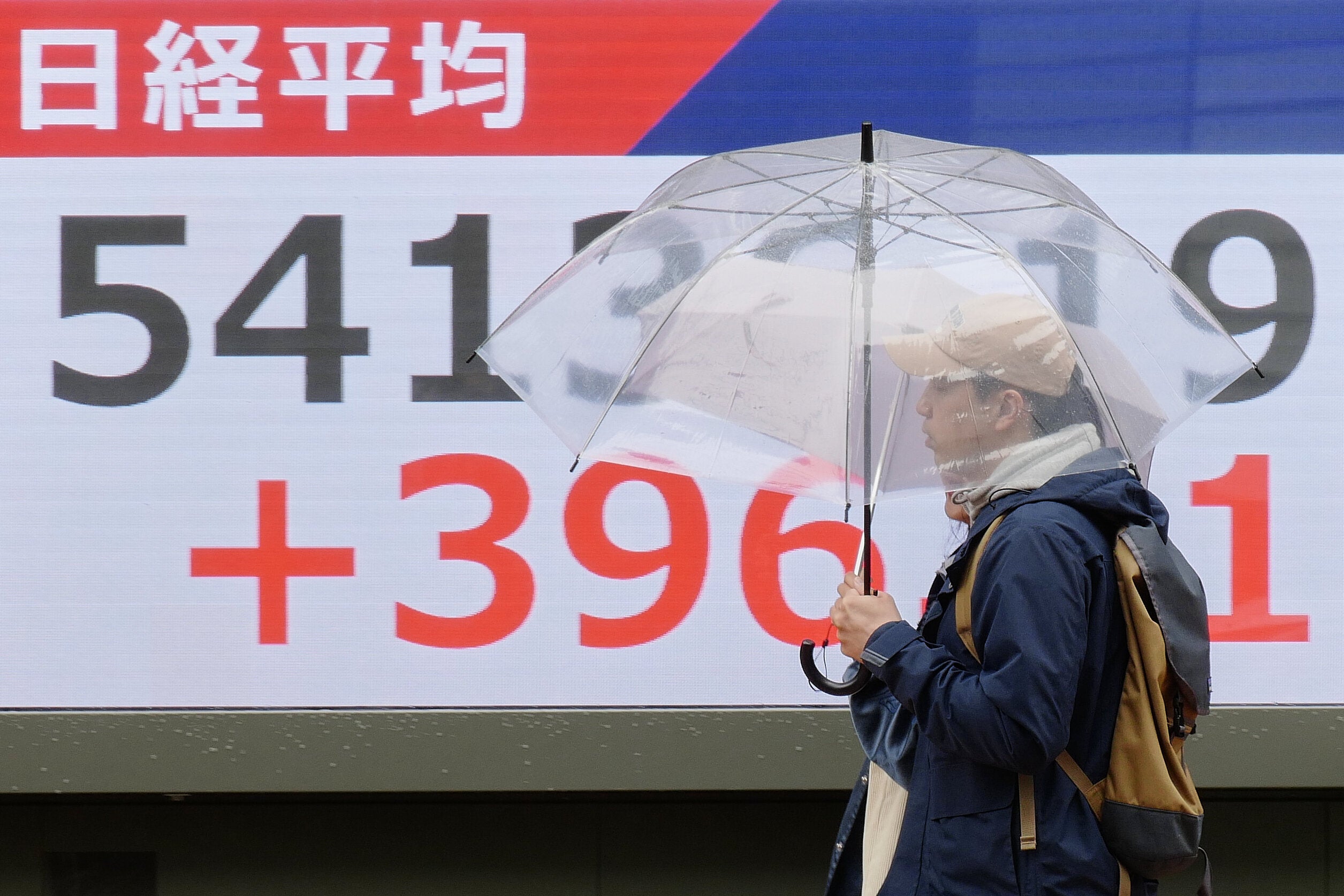
Across Asia, markets are largely retreating. Tokyo’s Nikkei 225 dropped 0.9% to 60,843.09, led by tech stocks after hitting record intraday highs above 63,000 last week. The yield on Japan's 10-year government bond skyrocketed to 2.8%, its highest since the late '90s, driven by the Bank of Japan's gradual interest rate hikes and rising energy costs fueling inflation fears.
Seoul’s Kospi rebounded 0.9% to 7,558.50 after earlier losses, having crossed the 8,000 mark on Friday due to an AI-fueled tech boom before profit-taking set in. Meanwhile, Hong Kong’s Hang Seng index fell 1.6% to 25,543.32, and the Shanghai Composite dipped 0.1% to 4,132.24 following disappointing retail data from China for April.
Australia’s S&P/ASX 200 slid 1.4% to 8,508.40, Taiwan’s Taiex dropped 1.1%, and India’s Sensex fell 0.6%. In the U.S., the yield on the 10-year Treasury climbed to around 4.63%, up from 4.47% last Thursday and significantly higher than the nearly 4% level it held before the Iran conflict erupted.
On Friday alone, the benchmark S&P 500 fell 1.2% from its record high set just a day earlier. The Dow Jones Industrial Average dropped 1.1%, while the tech-heavy Nasdaq composite lost 1.5%. In currency markets, the U.S. dollar strengthened against the Japanese yen, rising to 159.02 from 158.62 yen, while the euro traded at $1.1626, up from $1.1622.